Photo: Sami C · CC BY 2.0
Tallinn District Guide: Hanseatic Ramparts, Coastline and Suburbs
Tallinn pairs medieval limestone bastions with breezy coastal quarters, connected by quick public trams running straight to parklands and ferry quays.
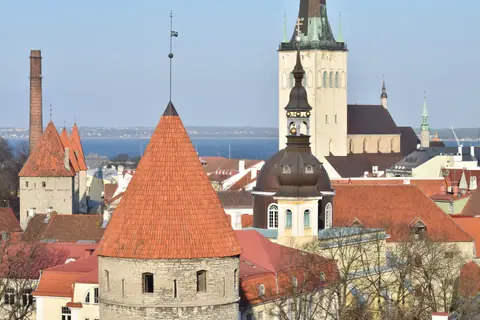
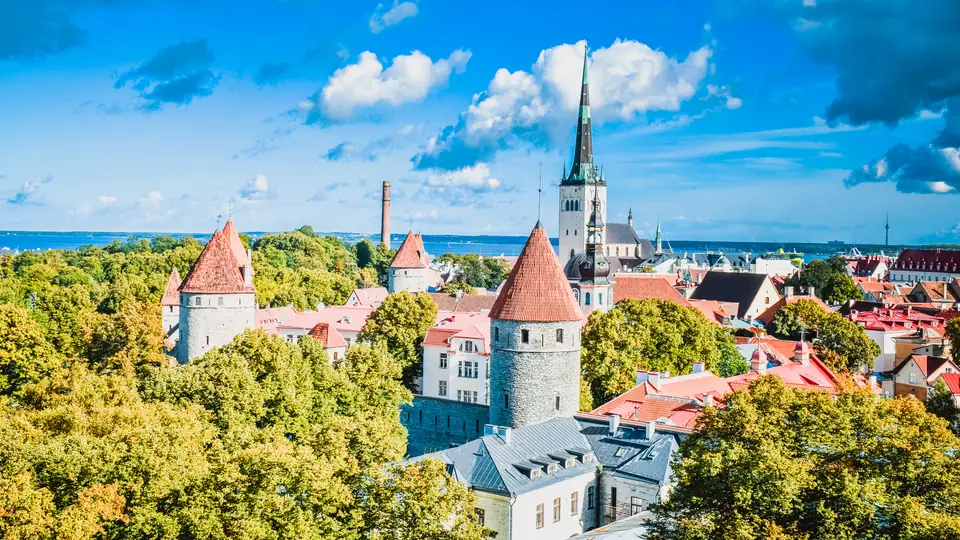
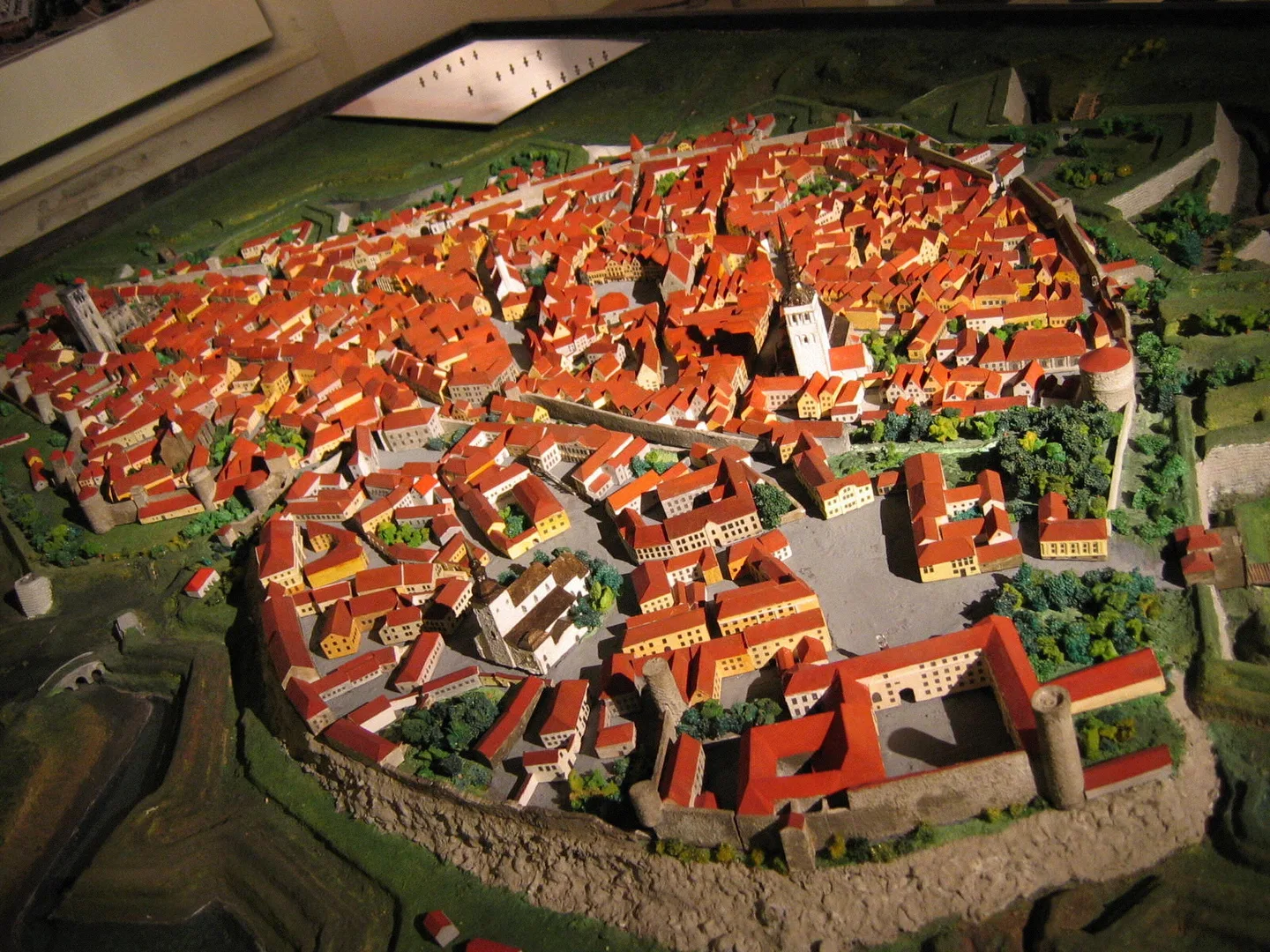
Tallinn reveals its layered history through sharp geographical shifts between elevated limestone ridges and coastal avenues. The central core splits naturally into the fortified heights of Toompea and the sprawling merchant lanes of the lower old quarter. Walking between these two zones involves navigating steep cobbled lanes, stone stairways, and vaulted gates. We find that entering through the lower gates gives an immediate sense of scale, where fortified towers rise over surrounding park moats. Broad paved alleys connect merchant houses, guildhalls, and market squares that still trace medieval shipping networks.
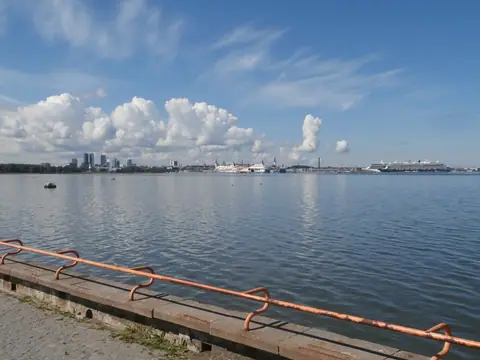
Reaching the higher ground requires a steady uphill climb through narrow passages bounded by thick defensive masonry. Lookouts at the edge of the limestone bluff reveal views sweeping past church spires toward the busy passenger harbours along the Gulf of Finland. The contrast between rough medieval stonework and modern port traffic gives the Estonian capital its distinctive maritime character. Anyone planning an itinerary across these stone alleys can review Tallinn sights and activities to balance long walks with quiet indoor stops.
Navigating the Upper and Lower Historic Quarters
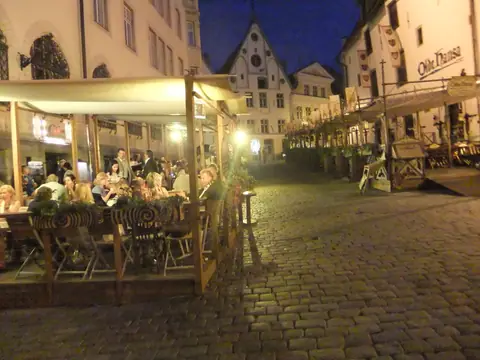
The lower streets remain largely pedestrian, paved with uneven granite cobbles that require supportive walking shoes. Narrow passageways frequently open into leafy churchyards, quiet cloister gardens, and courtyards tucked behind merchant warehouses. Defensive towers stand along surviving wall sections, offering an authentic impression of a medieval trading port. We appreciate how compact this central district is, allowing travellers to cross the entire historic core on foot without needing buses.
As you move between districts, the streets shift from medieval limestone to wooden architecture from later eras. Streets just outside the main stone ramparts feature restored timber cottages, low fences, and quiet residential gardens. When choosing an overnight base, consult Tallinn central lodging to stay within walking range of the historic gates. Moving on foot remains the most rewarding way to experience the city, particularly in the mornings before day-tripper groups arrive.
Transit Links Between Rail Terminals and the Airport
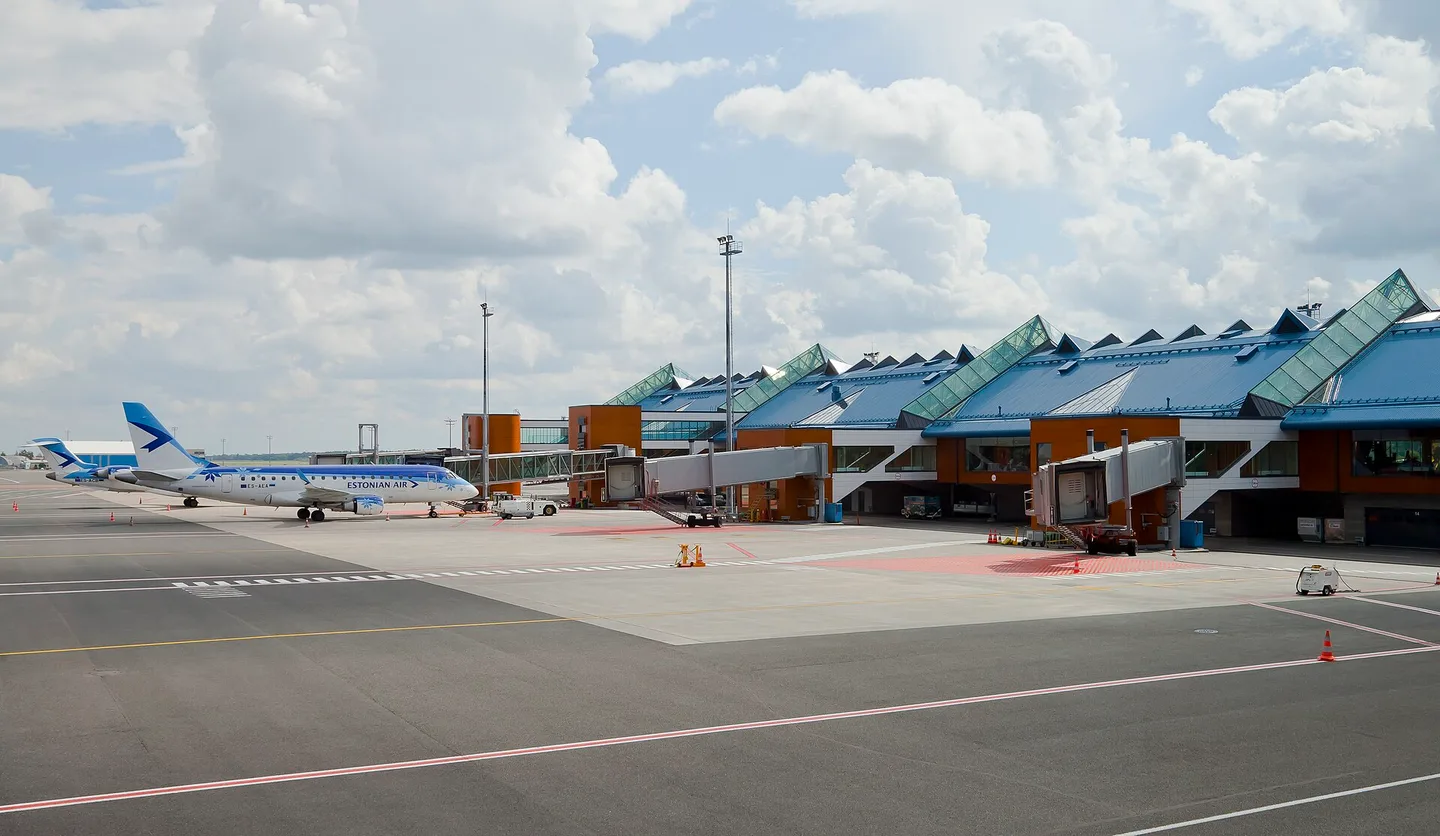
Connecting the old core with outer districts stays simple thanks to the integrated tram and bus network. Tram lines sweep past the eastern edge of downtown, linking the railway terminal with southern suburbs. Travellers arriving by air step straight out to Tram 4 heading directly into central junctions. Live stop displays and contactless card validators make short rides straightforward before boarding any carriage.
Trams offer clean, smooth journeys that run alongside leafy boulevards, making them ideal for resting tired feet between museum visits. Buses fill the remaining gaps, running frequent services north toward ferry docks and east toward quiet coastal parklands. Ticketing is entirely digital and automated, requiring simple contactless payments at onboard readers as you board. The system avoids congested city traffic, maintaining reliable connections between transit hubs and central streets.
District Breakdown Across the Capital
To help plan your daily walking routes, we have outlined the defining features of each major neighbourhood below:
- Toompea: The elevated limestone stronghold crowned by government buildings, viewing terraces, and medieval fortifications overlooking the sea.
- All-Linn (Lower Town): The merchant heart packed with merchant guildhalls, town squares, and unbroken stretches of defensive stone ramparts.
- Kadriorg: A peaceful eastern parkland quarter defined by grand baroque gardens, tree-lined avenues, and major fine art institutions.
- Kalamaja: A coastal district north of the railway tracks filled with traditional two-storey wooden housing and former industrial yards.
- Pirita: A breezy northern coastal suburb boasting wide beaches, yacht marinas, and peaceful river woodlands.
Outlying Parks and Waterfront Trajectories
Heading east from the historic ramparts leads directly into the manicured landscapes of Kadriorg Park. Shaded paths wind beneath mature oaks, horse chestnuts, and calm canals before opening onto formal palace flowerbeds. Cultural venues such as Kumu Art Museum anchor the park in a bold limestone-and-copper wing. Checking Monday gallery closures ahead avoids wasted eastbound tram trips.
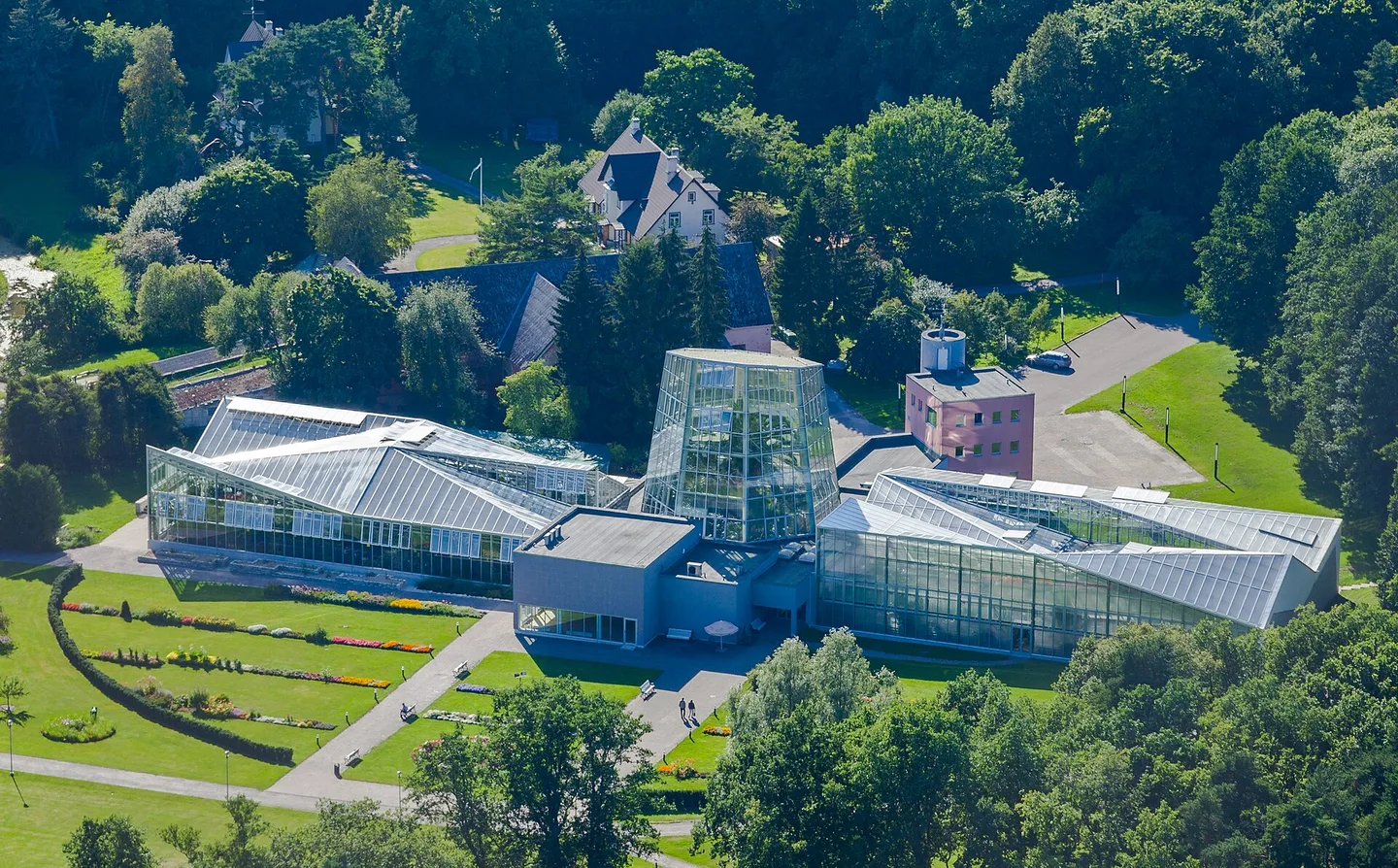
Continuing further along the bay reveals the suburban reaches of Pirita, where coastal promenades trace sandy shores. Further inland, Tallinn Botanic Garden opens outdoor arboretums and glasshouses along a looping river bend. This eastern green corridor gives an airy escape from stone streets, blending Baltic flora with calm walking loops. Returning downtown on municipal buses opens wide views across harbour docks.
Official prices and opening hours
- Tallinn Public Buses, Trams & Airport Tram 4/Bus 2Official site ↗
- Kumu Art Museum (Kadriorg Park)Official site ↗
Where it is
- 1Tallinn
- Lennart Meri Tallinn Airport (TLL) · about 5 km from Tallinn in a straight line
- Directions in Google Maps
Stations and taxi ranks: OpenStreetMap. Airports: OurAirports. Distances are in a straight line.
Traveller tips
Real advice from people who have been to Tallinn. Every tip is read by our team before it goes live.
No tips yet. Been here? Yours could be the first.
Thank you! Your tip will appear here after a quick review.
More in Tallinn
Continue exploring Tallinn with related neighbourhood, food, and planning guides