Photo: kallerna · CC BY-SA 3.0
Exploring Medieval Streets and Cultural Quarters in Tallinn
Cobbled lanes, defensive stone towers, and seaside tram routes define this compact northern capital across contrasting historical districts.
Navigating the Cobbled Heart of the Lower Town
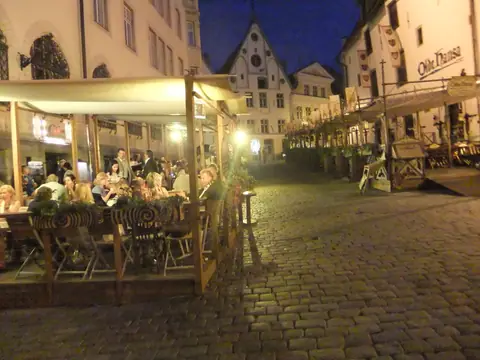
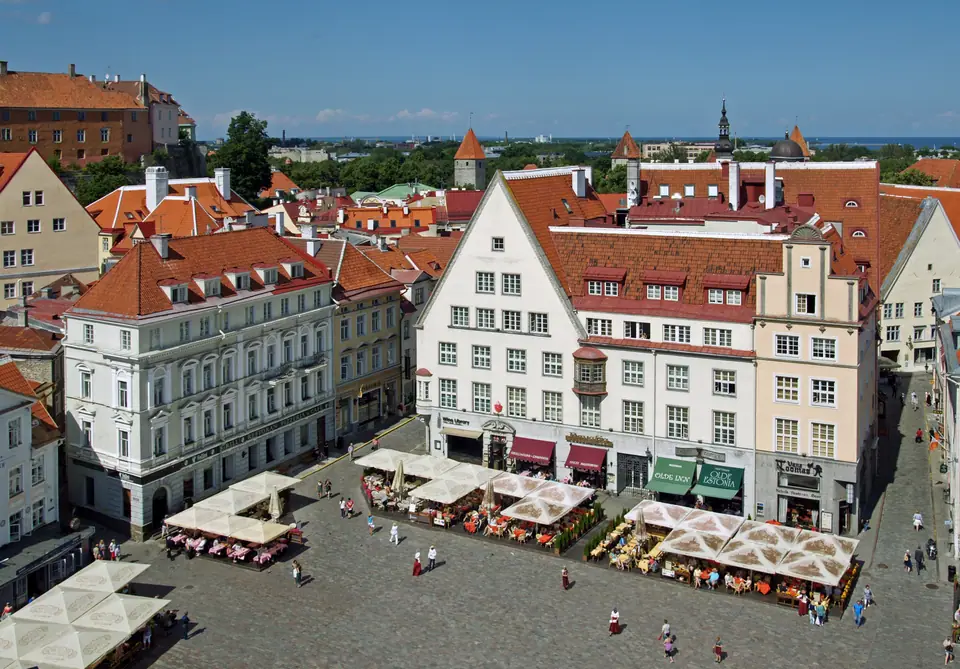
Wandering through the medieval Lower Town reveals centuries of merchant heritage preserved along tight stone alleys. The central marketplace opens onto broad flagstones where traders gathered during Hanseatic times. Pastel facades and stepped gables line every perimeter around the square. We recommend starting your day early along these pedestrian corridors before mid-morning walking groups arrive from the cruise terminal.
Gothic archways frame secluded courtyards that house quiet artisan workshops, traditional bakeries, and small amber galleries. St Catherine's Passage retains its overhead stone arches and weathered tombstones mounted against whitewashed masonry walls. Walking along these limestone surfaces requires sturdy footwear. Light drizzle frequently makes the worn cobbles slick underfoot.
Walkers weave between ancient gatehouses and defensive towers that once guarded northern sea trade. Tram lines and transit cards in Tallinn city orientation keep connections straightforward between perimeter stops and old gateways. Narrow lanes lead toward herb gardens and timber-framed merchant homes tucked off major squares.
Preserved merchant warehouses display massive wooden hoist beams anchored below pointed gables. Merchants once lifted heavy grain sacks and barrels directly from stone alleys into upper attic storehouses. Carved limestone lintels celebrate regional trade guilds that prospered along Baltic shipping lanes. Stepping into narrow passages reveals small courtyards shaded by ancient stone buttresses.
Climbing Toompea Hill and Panoramic Ramparts
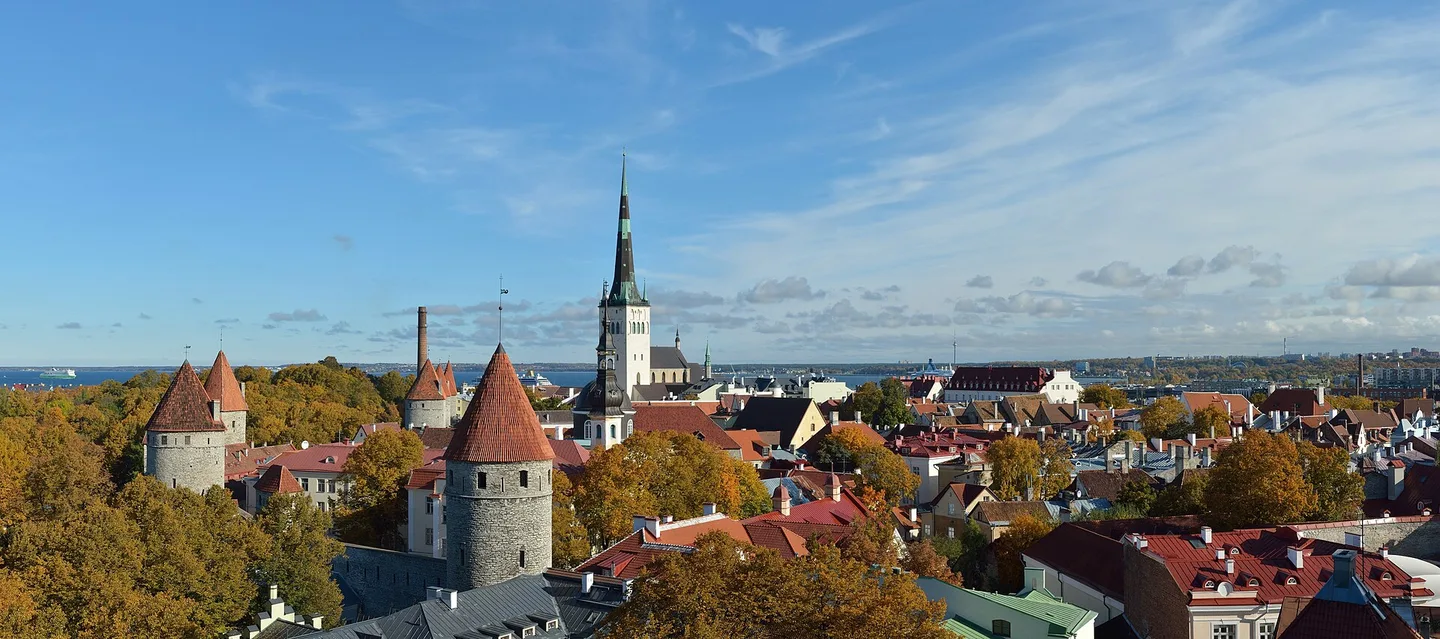
Rising above the commercial streets, Toompea hill formed the aristocratic and administrative centre of old Estonia. Gentle inclines and stone staircases connect the Lower Town with these elevated ramparts. Each ascending turn brings shifting perspectives over tiled gables. The Long Leg and Short Leg streets form the two historic walking ascents up the limestone bluff.
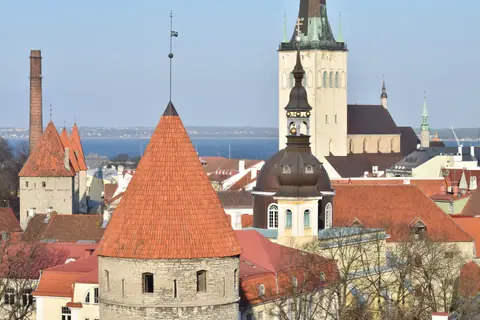
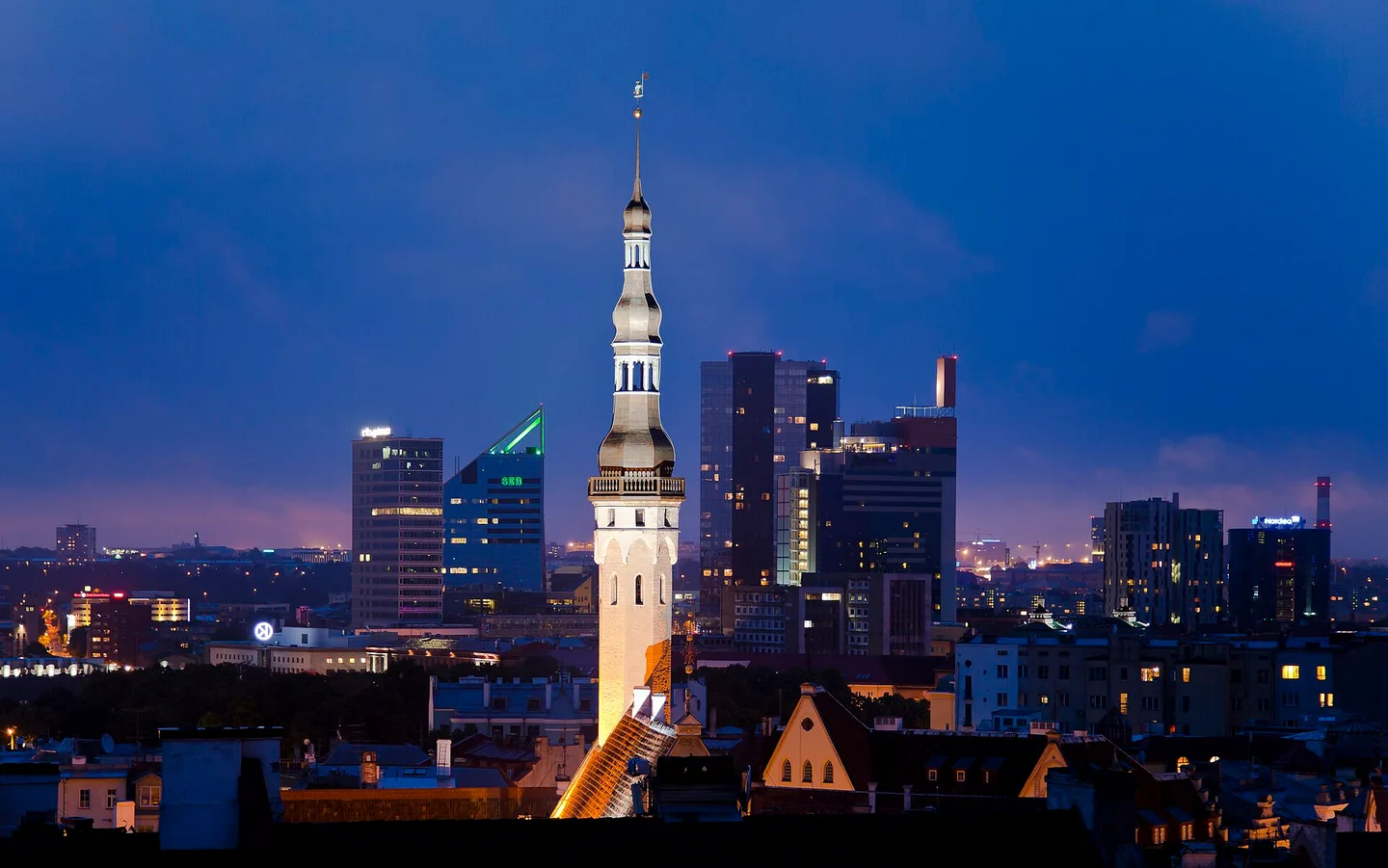
Reaching the elevated platforms rewards walkers with wide views stretching across orange-tiled rooftops, church steeples, and the distant Baltic shoreline. Patkuli viewing platform overlooks the northern defensive wall. Fortified round turrets stand spaced along preserved parapets beneath the cliff edge. Kohtuotsa platform faces east, framing medieval spires against the modern commercial skyline that rises further inland.
Limestone cliffs drop steeply away beneath the stone railings, emphasising why ancient rulers fortified this specific hill. Base yourself near the western steps using Old Town and Kalamaja accommodation notes for brisk early access to quiet lookouts. Morning light illuminates the copper spires before tour coaches pull up along the outer ring road.
Defensive curtain walls along Toompea demonstrate layered building campaigns dating across several centuries. Bastion passages below the castle grounds reveal how soldiers manned defensive batteries during siege operations. Today, tranquil stone terraces invite visitors to observe sea traffic moving across Tallinn Bay. Cool breezes sweep up the limestone face, carrying maritime air straight over the upper battlements.
Art and Coastal Greenery Across Kadriorg Park
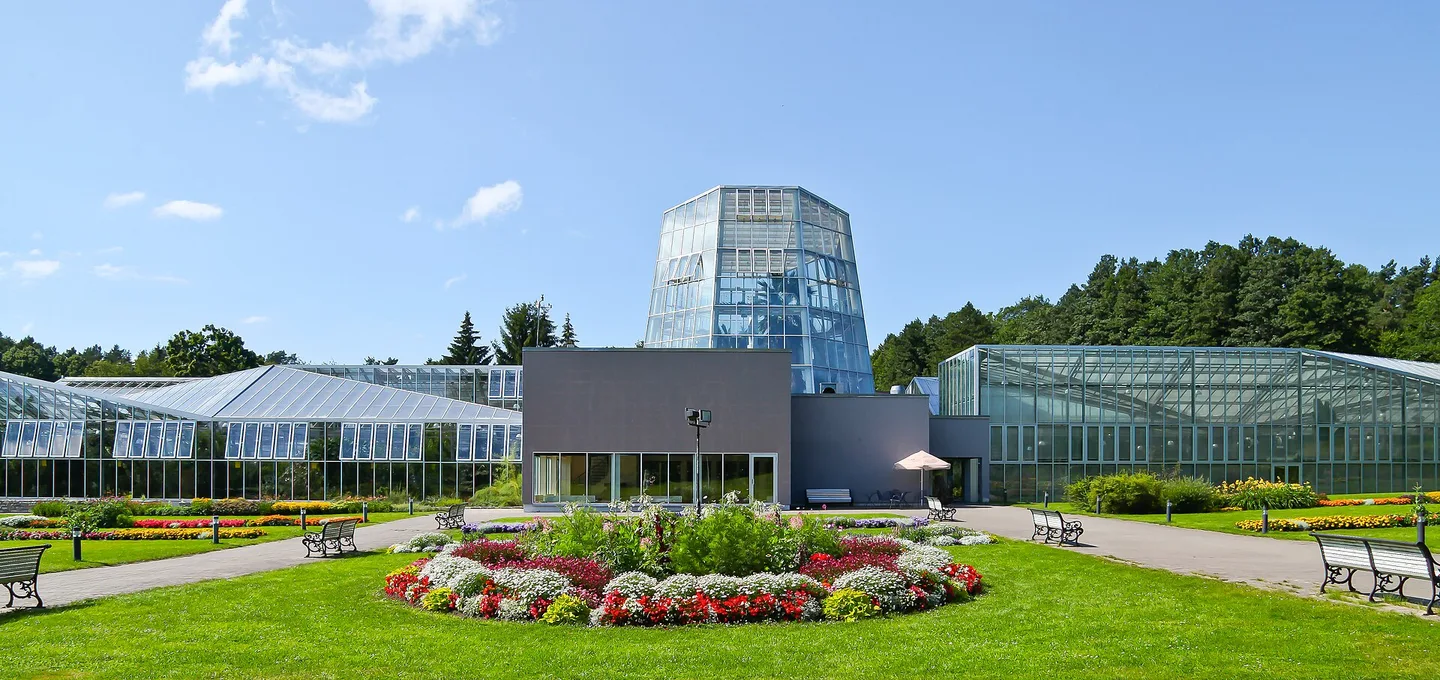
Leaving the fortress walls behind opens up grand Baroque landscaping and wooded walking trails near the sea. A brief ride on the city tram takes passengers directly east to Kadriorg. This expansive park was laid out during the eighteenth century. Mature lime avenues, quiet canals, and formal flowerbeds offer an open, tranquil atmosphere that contrasts with medieval stonework.
| District | Primary Focus | Transport Connection |
|---|---|---|
| Lower Town | Medieval merchant heritage and cobbled squares | Direct pedestrian access from perimeter stops |
| Toompea Hill | Limestone ramparts and coastal viewing platforms | Short Leg and Long Leg walking paths |
| Kadriorg | Formal palace gardens and modern national art | Direct tram links from central avenues |
| Kalamaja | Restored timber homes and waterfront depots | Short walk from the central railway hub |
At the upper edge of the park sits the striking limestone and copper structure of the Kumu Art Museum. The institution displays Estonian artwork from classical Baltic painters through to bold modern installations. Confirm Monday gallery closures ahead before organising your cultural morning itinerary.
The manicured gardens around the central summer residence invite calm afternoon walks under chestnut trees. Broad gravel walkways link the formal parterres with quiet ponds where swans rest beside shaded wooden pavilions. Combining park trails with cultural galleries keeps mornings varied away from urban traffic.
Surrounding parkland encompasses quiet oak groves, manicured Japanese garden spaces, and shaded canals lined with stone benches. Sculpted fountains spray fresh water beside flower parterres designed according to strict symmetrical plans. Walking along these wide paths allows travellers to experience the regal leisure grounds that transformed the eastern outskirts.
Industrial Revivals and Seaside Culture in Kalamaja
North of the railway tracks lies Kalamaja, a district distinguished by two-storey wooden apartment buildings originally constructed for industrial workers. Today, these tree-lined residential avenues feature restored timber facades, bright painted doorways, and welcoming neighbourhood coffee shops. The district retains a relaxed coastal rhythm where cyclists share quiet side streets with pedestrians.
- Walk past traditional wooden ribbon houses along Salme and Kungla streets.
- Browse independent design shops and communal bakeries inside repurposed railway warehouses.
- Follow coastal promenades bordering the old fishing harbour and seaside docks.
- Pause at open-air food courtyards hosting regional craft producers and seasonal stalls.
Former rail depots and factory workshops now host cultural venues, artist studios, and community gathering spaces. Creative clusters hold weekend flea markets where locals trade vintage Baltic ceramics, books, and handmade goods. Timber warehouses preserve weathered brickwork and steel girders alongside modern glass additions, showing careful urban renewal.
Following the shoreline leads along former naval defences and seaside paths cooled by Baltic breezes. Factor in chilly sea gusts across Tallinn seasonal weather patterns before planning long evening walks down exposed piers. Maritime museums and historic shipyards anchored along the bay recall centuries of seagoing trade across Estonia.
Converted boiler houses and concrete hangars host community art spaces and public markets throughout the calendar year. Walking along the water reveals cargo piers turned into harbour viewing decks and sauna pavilions. The mix of maritime industry and daily neighbourhood life gives this seaside quarter a clear local character.
Official prices and opening hours
- Tallinn Public Buses, Trams & Airport Tram 4/Bus 2Official site ↗
- Kumu Art Museum (Kadriorg Park)Official site ↗
Where it is
- 1Tallinn
- Lennart Meri Tallinn Airport (TLL) · about 5 km from Tallinn in a straight line
- Directions in Google Maps
Stations and taxi ranks: OpenStreetMap. Airports: OurAirports. Distances are in a straight line.
Traveller tips
Real advice from people who have been to Tallinn. Every tip is read by our team before it goes live.
No tips yet. Been here? Yours could be the first.
Thank you! Your tip will appear here after a quick review.
More in Tallinn
Continue exploring Tallinn with related neighbourhood, food, and planning guides