Photo: Raki_Man · CC BY 3.0
Exploring Kalamaja and Telliskivi Creative City
We wander past restored wooden houses in Kalamaja and repurposed industrial warehouses across Telliskivi Creative City near the Baltic shoreline.
Wooden Architecture and Historic Streetscapes
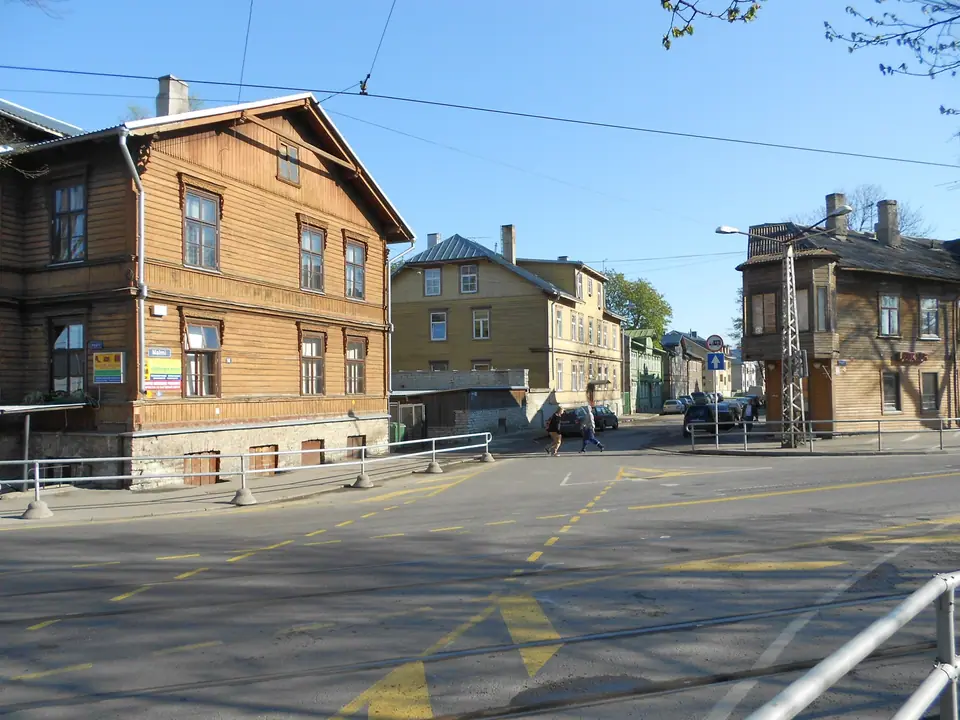
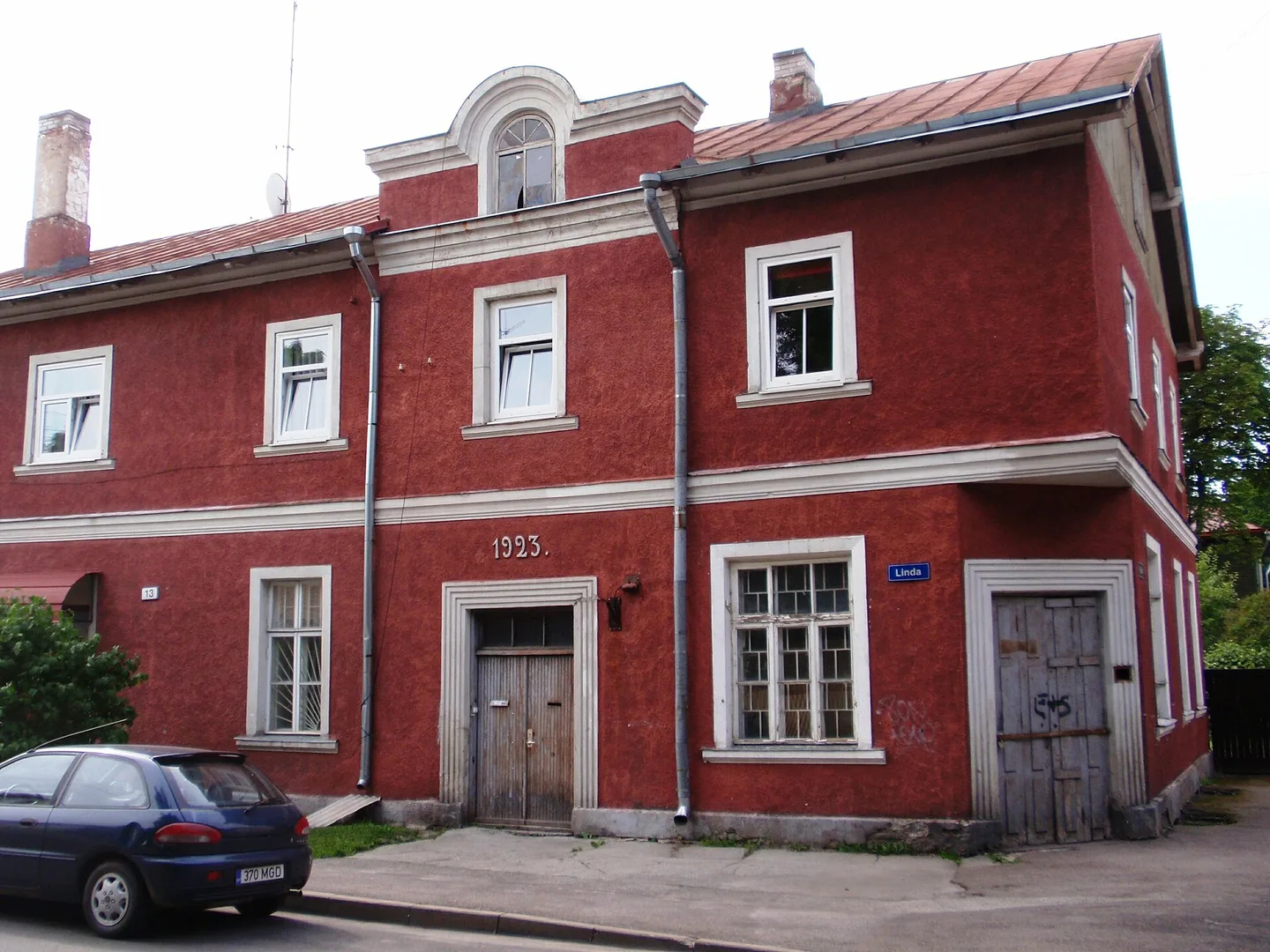
Kalamaja spreads north of the central railway lines, greeting visitors with rows of two-storey timber houses painted in muted pastel shades. These residential streets developed during maritime and railway expansions. They sheltered fishermen, factory workers, and rail engineers in compact flats. Today, the quiet lanes retain their domestic calm. Carved timber doorways, stone stairwells, and leafy domestic gardens frame every pavement. We enjoy ambling along Linda street and neighbouring residential lanes. The quiet rhythm contrasts sharply with the crowded stone lanes of the medieval core.
Walking beneath the lime trees reveals careful restorations alongside weathered timber facades. These preservation efforts protect the distinctive character of Tallinn outside the stone defensive walls. You can integrate these quiet streets into your broader Tallinn itinerary without rushing between formal sights. Pavements are generally flat and easy to navigate on foot, though occasional cobbles require steady footwear. The residential quarter serves as a tranquil buffer between the active rail tracks and the open coastal waters.
During the nineteenth and early twentieth centuries, industrial growth accelerated across the district. Factory workers required sturdy wooden accommodation close to transport links and maritime yards. Builders erected two-storey apartment buildings featuring central stone staircases. These structures became known locally as Tallinn houses. Today, homeowners and heritage groups maintain these wooden facades using traditional paints and mineral finishes. Walking through the quarter feels like an open architectural study of Baltic urban expansion.
Industrial Heritage at Telliskivi Creative City
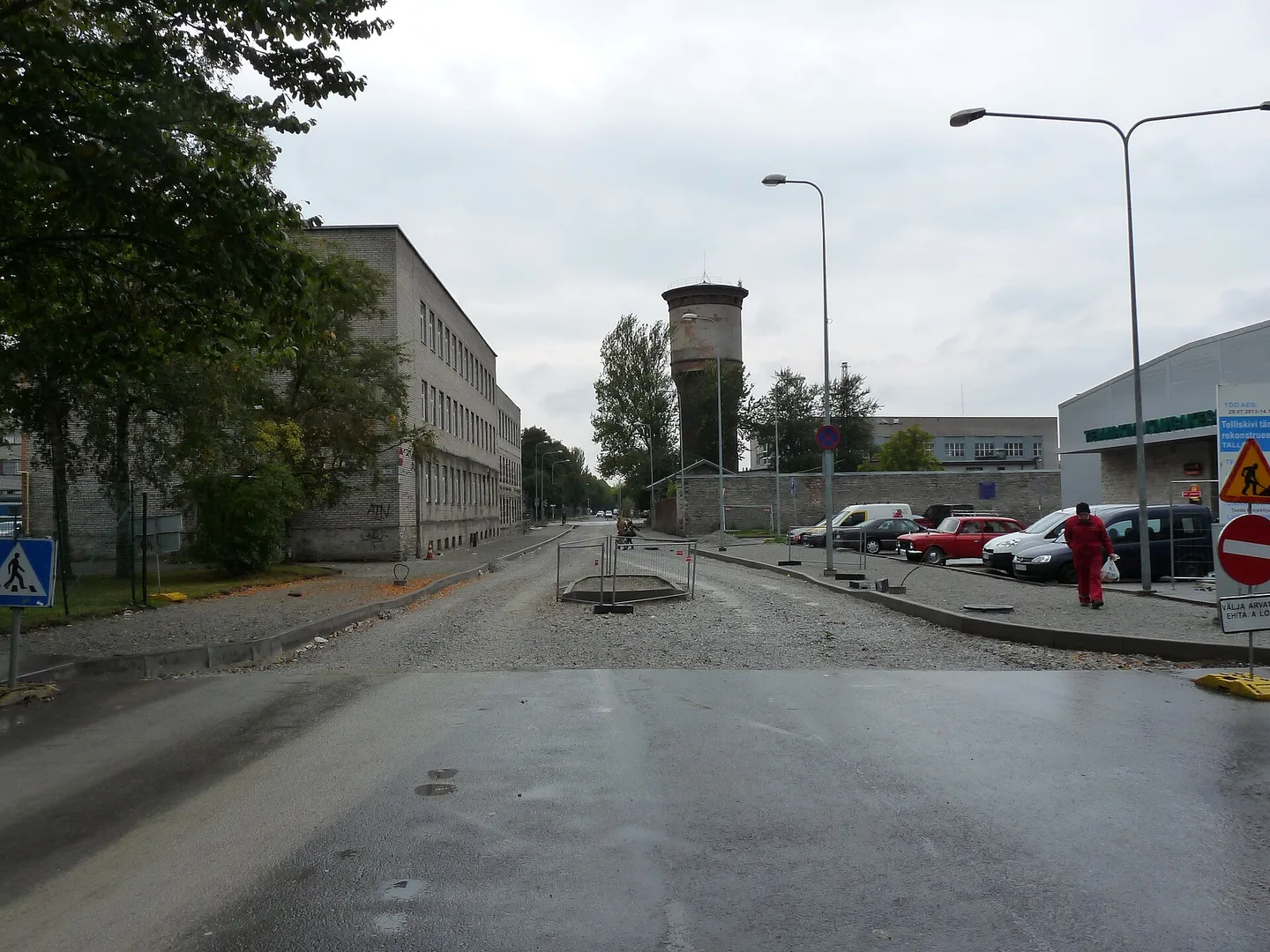
South of the residential core, former railway maintenance facilities and industrial brick halls form Telliskivi Creative City. The complex transformed disused locomotive depots and electrical factories into community hubs, artisan bakeries, design studios, and independent bookshops. Weathered brick surfaces, exposed steel trusses, and expressive outdoor murals define the central courtyards. We find the outdoor spaces relaxed, with locals gathering on benches between studios and exhibition rooms throughout the afternoon.
Rather than polished commercial storefronts, Telliskivi celebrates industrial decay alongside contemporary enterprise. Designers display ceramics, home furnishings, and Baltic textiles inside vaulted warehouse bays that once sheltered heavy locomotives. Before choosing an overnight base, assess our Tallinn neighbourhood guide to decide between heritage hotels or residential quarters near these arts venues. The district provides a clear window into how modern enterprise revitalises industrial architecture.
Community markets, independent galleries, and performance halls occupy spaces that once hummed with heavy industrial machinery. The preservation of raw masonry and industrial ironwork gives the complex an authentic, unpretentious atmosphere. Visitors can browse local crafts or observe craftsmen working inside glass-fronted workshops. Footpaths between the brick halls remain level and pedestrianised, creating an easy walking environment away from vehicular traffic.
Walking Connections and Coastal Routes
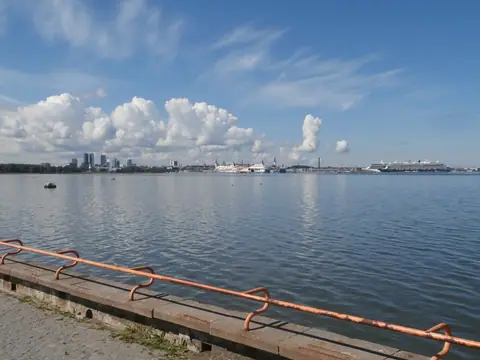
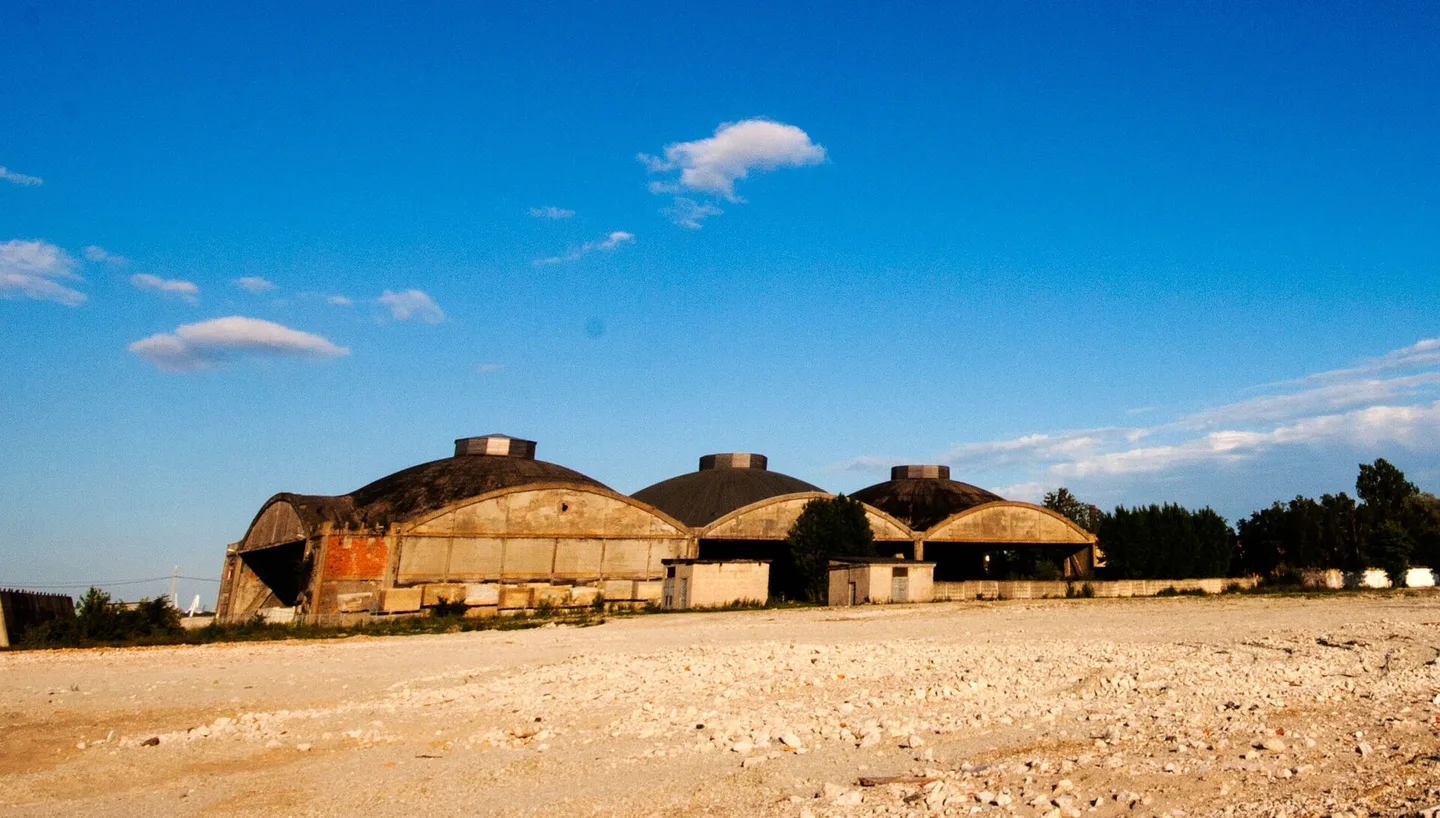
The neighbourhood links naturally with coastal paths running towards the waterfront. Starting at the central railway station, we trace the edge of Telliskivi before heading deeper into northern Kalamaja along quiet domestic avenues. Continuing north brings you towards the historic Seaplane Harbour complex and the open Baltic shoreline. Sea breezes sweep across the open quays, offering broad views across the maritime approaches to the capital.
| Route Section | Starting Point | Walking Focus | Footpath Character |
|---|---|---|---|
| Telliskivi Loop | Balti Jaam station | Industrial studios and murals | Paved courtyards and asphalt paths |
| Kalamaja Streets | Telliskivi edge | Timber houses and leafy gardens | Pavements and occasional cobbles |
| Seaward Stroll | Northern Kalamaja | Maritime fringe and open quayside | Broad stone quays and coastal paths |
We recommend combining these three legs into a single circular walking route across the afternoon. Moving through distinct urban textures in one sequence clarifies how Tallinn developed beyond its ancient ramparts.
- Follow marked pavements northward to reach open coastal air without traversing busy dual carriageways.
- Linger near public seating areas in creative courtyards to absorb daily community activity.
- Wear sturdy walking shoes to negotiate alternating sections of paved asphalt and historic stone cobbles.
- Carry a light windproof jacket when heading towards open coastal paths along the Baltic waters.
Transit Access and Seasonal Field Advice
Reaching the district on foot from the Old Town takes only a short walk past Balti Jaam station. Tram lines link the railway hub directly to surrounding districts, keeping access straightforward in all seasons. Check official transit schedules and transport ticket choices before heading out into the neighbourhood. Winter walks require caution when ice blankets timber steps and ungritted pavement stretches, while summer evenings bring extended daylight along coastal paths.
Autumn brings crisp sea air and golden leaves to the lime trees lining residential avenues. Spring walks reveal active renovation work as residents repaint historic wooden cladding. The flat terrain allows visitors of varying fitness levels to explore at a leisurely pace. We find that Kalamaja rewards unhurried wanderers who appreciate community heritage, architectural preservation, and creative enterprise. The neighbourhood remains an integral chapter in understanding the modern spirit of the capital.
Official prices and opening hours
- Tallinn Public Buses, Trams & Airport Tram 4/Bus 2Official site ↗
- Kumu Art Museum (Kadriorg Park)Official site ↗
Where it is
- 1Exploring Kalamaja and Telliskivi Creative City
- Lennart Meri Tallinn Airport (TLL) · about 7 km from here in a straight line
- Directions in Google Maps
Stations and taxi ranks: OpenStreetMap. Airports: OurAirports. Distances are in a straight line.
Traveller tips
Real advice from people who have been to Tallinn. Every tip is read by our team before it goes live.
No tips yet. Been here? Yours could be the first.
Thank you! Your tip will appear here after a quick review.
More in Tallinn
Continue exploring Tallinn with related neighbourhood, food, and planning guides