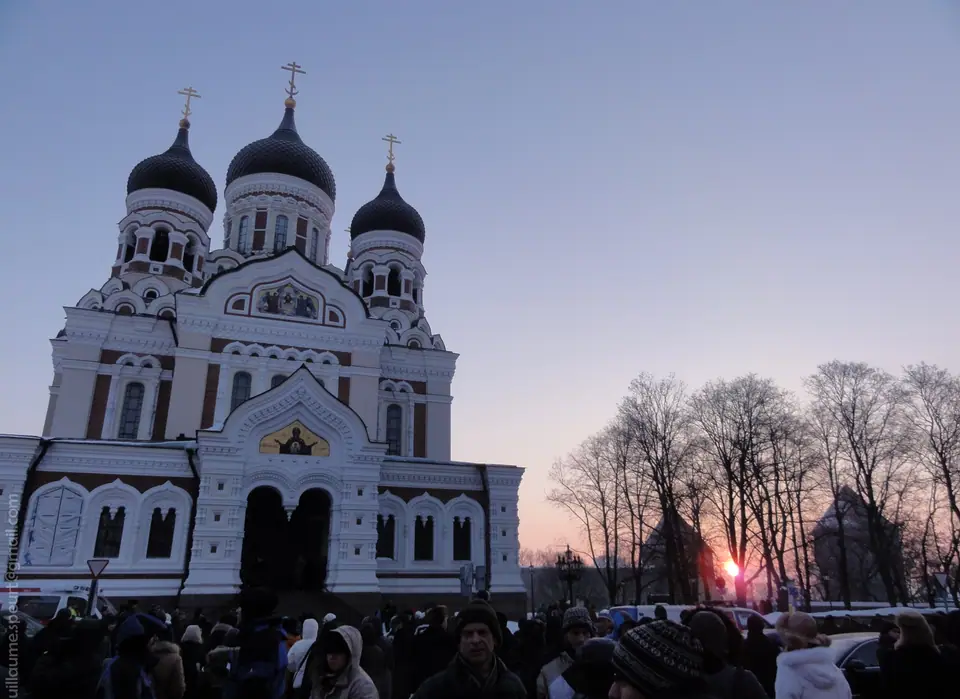
Photo: Guillaume Speurt · CC BY-SA 2.0
Exploring Tallinn Old Town and Toompea Hill
Tallinn pairs an intact lower medieval trading centre with the limestone heights of Toompea above it.
Ascending the Limestone Heights of Toompea
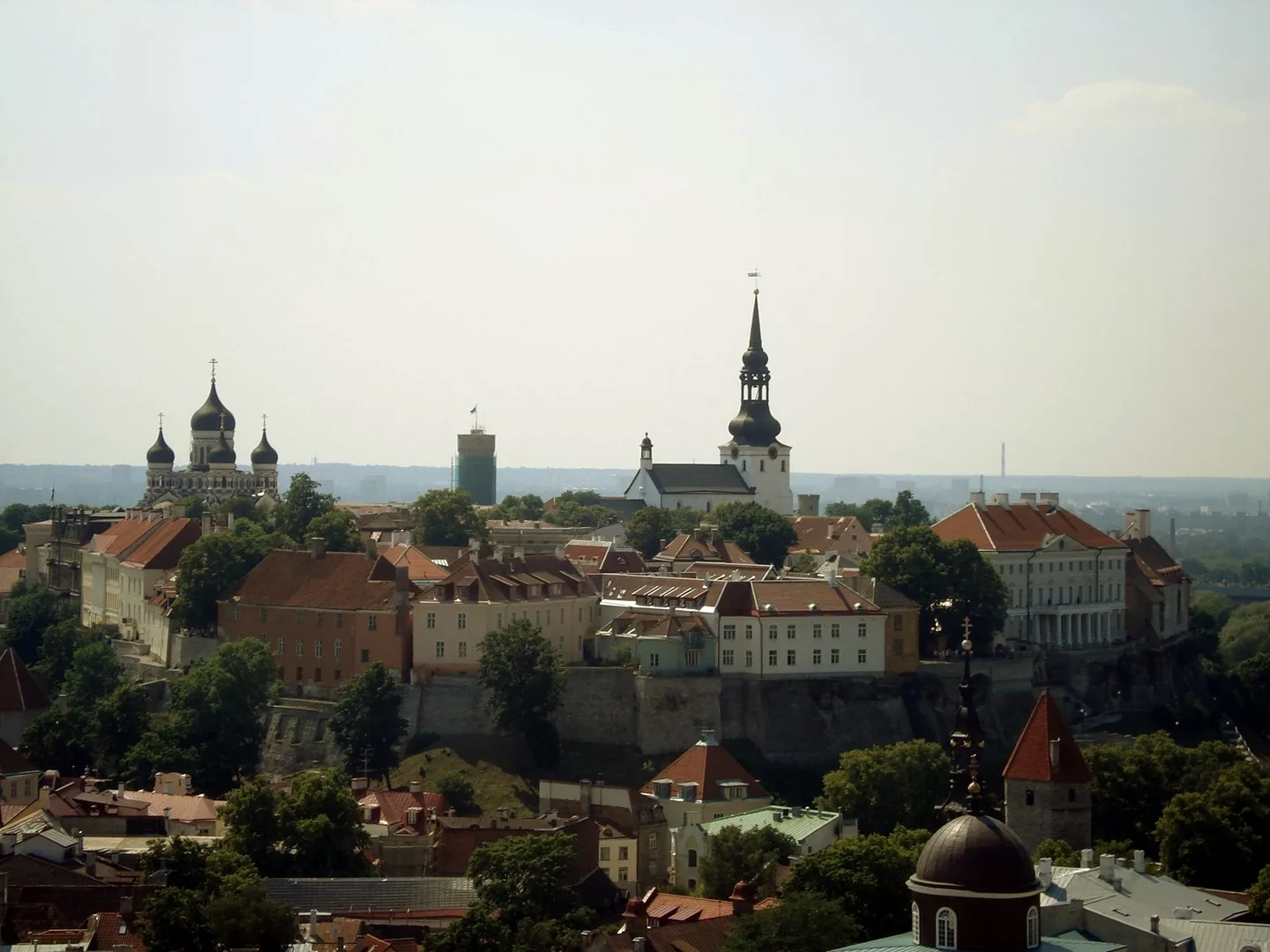
Toompea rises as a natural limestone plateau above the coastal plains of the Baltic Sea, forming the ancient seat of authority in Estonia. The upper town preserves a distinct character shaped by centuries of noble and administrative governance. The street plan here feels spacious compared with the crowded lower quarters, opening into quiet squares, embassy residences, and grand religious buildings. Two historic pedestrian streets, the Long Leg and the Short Leg, link the limestone outcrop with the merchant settlement below.
Walking along these stone-paved paths brings you past massive defensive walls that separated the ruling aristocracy from the merchants down the hill. The fortress complex incorporates ancient bastions and historic administrative halls that continue to house national government bodies today. Looking out across the western curtain wall, the ramparts drop steeply toward surrounding parkland and the railway approaches. The change in gradient demands sensible pacing, especially when carrying bags or navigating damp paving stones in wet weather.
Upper fortress bastions offer expansive perspectives over the Gulf of Finland and nearby coastal districts. Historic guard passages snake between the stone buildings, leading to peaceful residential cul-de-sacs shielded from seasonal sea winds. Limestone masonry defines the facades here, reflecting centuries of steady architectural adaptation under shifting rulers. Morning hours remain particularly peaceful along the hill paths before daytime tour groups gather.
Lower Town Streets and Merchant Guilds
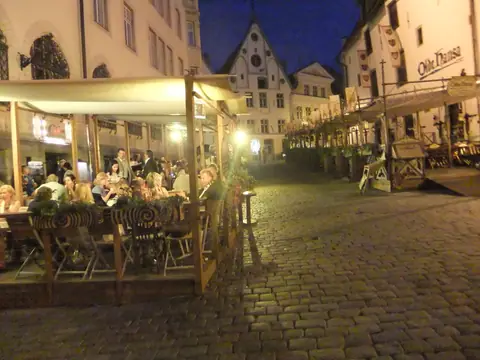
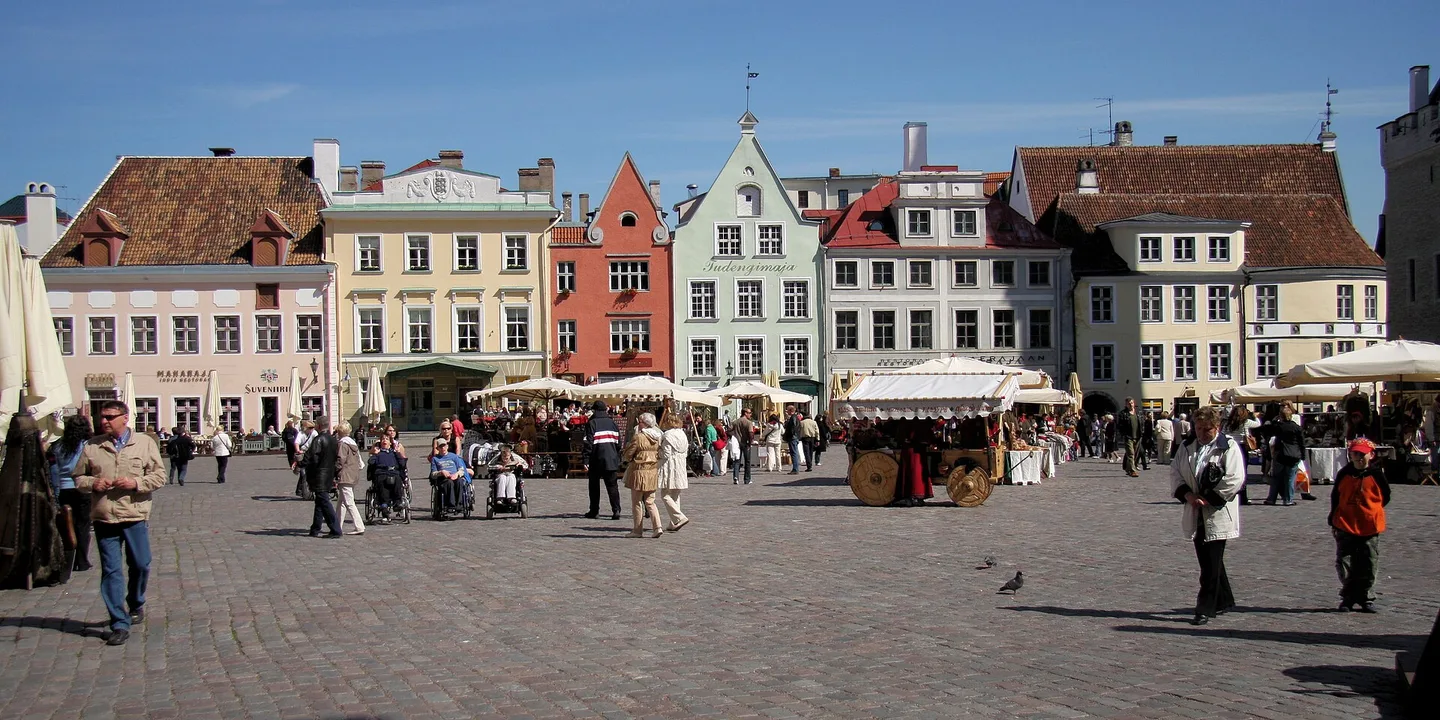
At the base of the hill, the Lower Town retains its dense Hanseatic road layout, centred on the wide cobbles of the market square. Medieval warehouses, merchant homes, and old guildhalls flank winding roads with high gables and heavy timber doors. Match suburban rail arrivals cleanly with Tallinn ferry terminal and bus links before walking uphill. The stone town hall dominates the open plaza with pointed Gothic arches and weathered benches.
Traders once stored grain, textiles, and salt inside the upper storeys of these deep stone buildings, lifting cargo using external wooden beams. Today, the surrounding lanes hold independent workshops, quiet courtyards, and traditional bakeries hidden away behind thick lime-washed archways. Craft guilds once exerted tight control over mercantile standards and civic trade regulations across the district. Carved stone emblems above historic archways continue to signal the former meeting halls of these powerful medieval trade brotherhoods.
- Toompea Quarter: Contains the regional parliament, historic cathedral, and defensive battlements overlooking the coastline.
- Lower Merchant Town: Features medieval guildhalls, the main market square, and historic apothecary premises along paved thoroughfares.
- Town Wall Perimeter: Retains surviving watchtowers, wall walkways, and quiet parkland gardens outside the stone moat.
These distinct zones illustrate how civic trade and feudal administration coexisted within separate defensive boundaries.
Defensive Walls and Historic Lookouts
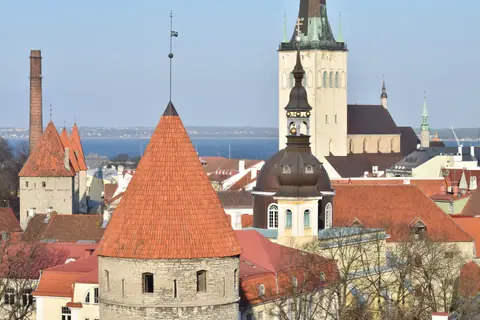
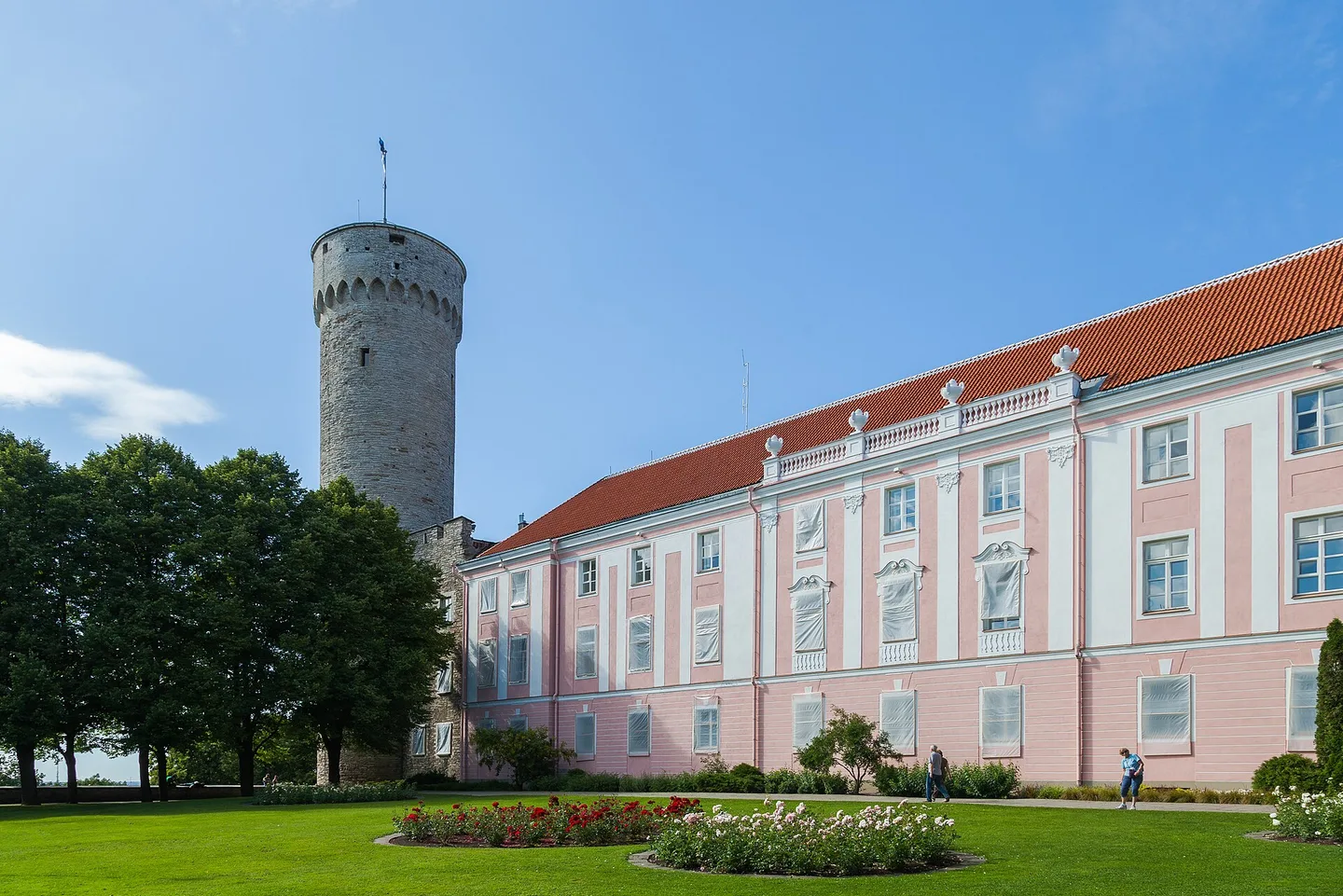
Tallinn is renowned for preserving long stretches of medieval curtain wall alongside dozens of fortified round towers. Several platforms on Toompea give visitors wide vantage points across the red-tiled roofs, church spires, and modern ferry docks. Selecting a balanced itinerary from popular Tallinn activities helps structure walking routes between lower streets and upper lookouts. The viewing terraces fill with photographers during clear afternoons when low northern sunlight illuminates the limestone masonry.
From these elevated lookouts, the contrast between the medieval core and newer commercial blocks along the shoreline stands out immediately. Stone steps connect upper ramparts to ground level, descending through quiet residential alleys paved with river cobbles. Former perimeter moats below the curtain walls now form green public parks encircling the old city edge. Walking beside those massive round towers gives a clear impression of the fortifications built to guard Baltic trade routes.
Practical Walking Advice and Footwear
Navigating both sections of the old town requires good physical preparation because street surfaces consist almost entirely of uneven cobbles. Thin-soled shoes quickly cause discomfort, while steep downhill passages turn slick during autumn showers or winter frosts. Sturdy footwear with deep rubber tread keeps footing steady across limestone stairs and historic paving. Take your time descending the Short Leg, where handrails support steps along the steepest stone flight.
The compact footprint makes walking the only sensible method for exploring narrow lanes and enclosed passages. Motor vehicles face strict limits throughout the core, leaving stone streets calm on foot. Clear signposts guide walkers between landmarks, linking the upper citadel to lower merchant alleys. Early morning walks open clear views down empty lanes before daily delivery vans arrive. Checking sunset hours lets you reach the western lookouts in time for dusk light.
Official prices and opening hours
- Tallinn Public Buses, Trams & Airport Tram 4/Bus 2Official site ↗
- Kumu Art Museum (Kadriorg Park)Official site ↗
Where it is
- 1Exploring Tallinn Old Town and Toompea Hill
- Lennart Meri Tallinn Airport (TLL) · about 6 km from here in a straight line
- Directions in Google Maps
Stations and taxi ranks: OpenStreetMap. Airports: OurAirports. Distances are in a straight line.
Traveller tips
Real advice from people who have been to Tallinn. Every tip is read by our team before it goes live.
No tips yet. Been here? Yours could be the first.
Thank you! Your tip will appear here after a quick review.
More in Tallinn
Continue exploring Tallinn with related neighbourhood, food, and planning guides