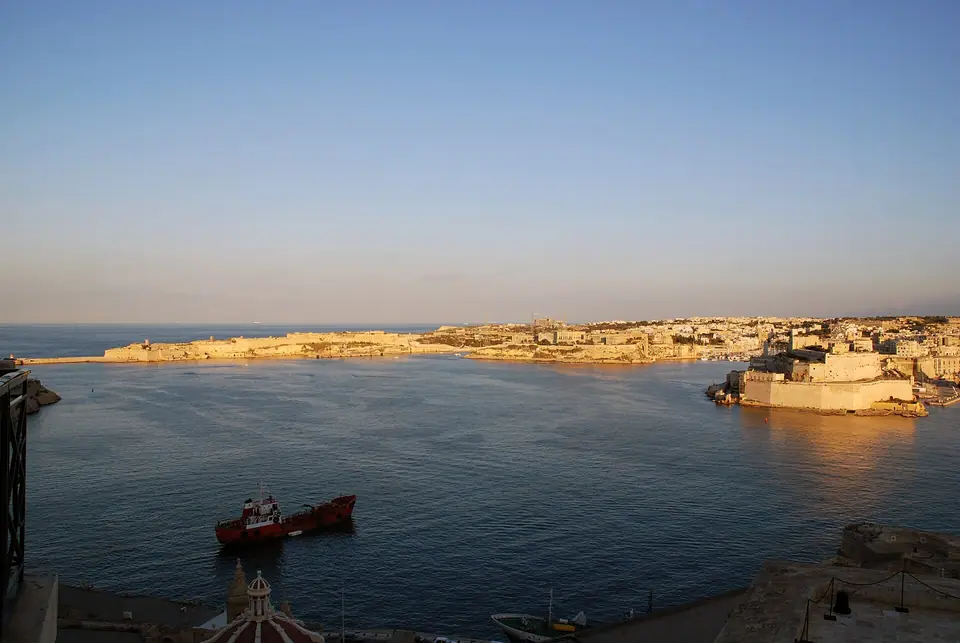
Photo: allen watkin from London, UK · CC BY 2.0
Best Time to Visit Valletta: Sunny Days, Festas, Baroque Festival & Weather
Month-by-month guide to Valletta's Mediterranean climate: mild winter sunshine, spring fireworks festivals, October's Notte Bianca, and summer parish feasts.
Sitting in the centre of the Mediterranean Sea south of Sicily, Valletta enjoys approximately 3,000 hours of sunshine a year and a mild winter climate. Even in January and February, daytime conditions remain pleasant under bright blue skies, and sea temperatures stay comfortable for swimming well into autumn. Use this seasonal calendar together with our Valletta packing and footwear guide and our 3-day Valletta itinerary.
| Season in Valletta | Daytime Climate | Sea Conditions & Crowds | Why Choose This Window |
|---|---|---|---|
| Spring (April to Early June). | Pleasant and warming. | Cool sea; Moderate crowds. | Best overall weather for walking bastions; International Fireworks Festival (late April). |
| Summer (Mid-June to August). | Hot and dry. | Warm sea; High island crowds. | Parish festas, open-air jazz, and boat swims (very hot at midday; sightsee early/late). |
| Autumn (September to November). | Warm turning mild. | Warmest sea; Ideal balance. | Warm sea swimming in Sep/Oct; Notte Bianca & Birgufest by candlelight (October). |
| Winter (December to March). | Crisp and mild. | Chilly sea; Quiet & low hotel rates. | Rewarding cultural winter-sun escape; Valletta Baroque Festival (January) & Carnival (Feb). |
The Two Golden Windows: April to Early June and Mid-September to November
For travellers whose primary goal is exploring Valletta's steep limestone streets, the Three Cities, Mdina, and Malta's open-air megalithic temples without intense summer heat, two windows stand out:
- Spring (April, May, and Early June). Winter rains turn the terraced fields of Malta and Gozo emerald green, and wildflowers bloom along coastal ridges. Daytime conditions warm up rapidly with little rain. In late April, the Malta International Fireworks Festival lights up the Grand Harbour over several nights. Choreographed pyrotechnic displays launch from harbour barges. Heritage Malta manages over 90 museums and landmarks, including seven World Heritage Sites, which are particularly rewarding to explore during these pleasant spring days.
- Autumn (Mid-September through November). After the peak August heat breaks, September and October deliver comfortable afternoons while the Mediterranean Sea retains its summer warmth. You can therefore tour St John's Co-Cathedral in the morning and swim off coastal waters in the afternoon. There are over 120 dive sites situated around Malta, and clear visibility makes this season especially appealing for underwater cultural exploration.
October's Twin Cultural Nights: Notte Bianca and Candlelit Birgufest
If you can visit in early to mid-October, two of Malta's most atmospheric annual events take place on back-to-back weekends. In early October, Valletta stages Notte Bianca, when state palaces, museums, and churches across the peninsula open their doors until late. Malta features 359 churches across the islands, and many historic chapels showcase sacred art during the festivities. Streets fill with live theatre, choral concerts, and open-air stages. Visitors can also sample local food, such as traditional Maltese ftira sourdough bread, which was recognized by UNESCO on its intangible cultural heritage register in 2020. Skilled bakers shape this flattened bread by hand before baking it at high temperatures and filling it with olive oil, tomato, tuna, capers, and olives.
On the following weekend across the Grand Harbour in Vittoriosa (Birgu), Birgufest switches off electric streetlights in the medieval alleyways at dusk. Residents then illuminate the entire fortified town with thousands of flickering wax candles and historical re-enactments. The Valletta Ferry provides passenger links to the Three Cities, making it easy to travel across the water for the evening festivities.
Winter Sun, the January Baroque Festival, and Carnival
Unlike northern Mediterranean cities that shut down or turn freezing in winter, Valletta is a thriving year-round capital. Between November and March, boutique palazzo hotels lower their rates. Cruise crowds diminish, and you can eat lunch outdoors in St George's Square in a light jumper. Travellers can also explore cultural sites without queues, such as the National Museum of Archaeology located in Valletta or the historic underground War Headquarters tunnel complex, constructed underground in 1940 to shelter the Combined War Headquarters from aerial bombardment. This subterranean facility housed the Fighter Sector Operations Room during the Battle for Malta from the wartime siege. Later, NATO used the tunnel facility until 1977 to track Soviet submarine movements in the Mediterranean.
For two weeks every January, the Valletta International Baroque Festival brings notable ensembles to perform Bach, Vivaldi, and Monteverdi inside the acoustic settings of St John's Co-Cathedral, Teatru Manoel, and the Grand Master's Palace. In February, colourful celebrations fill Republic Street with towering papier-mâché allegorical floats and costumed dancers during Il-Karnival ta' Malta.
How to Handle July and August Heat and Enjoy Parish Festas
July and August bring little rain and intense Mediterranean sun, feeling particularly hot inside unshaded limestone streets. If visiting in midsummer, schedule outdoor bastion walks for the morning, and spend the middle of the day inside air-conditioned museums or swimming. Malta Public Transport operates buses across 149 bus routes, offering free Wi-Fi and air conditioning as you travel between coastal coves and urban attractions. Holders of a personalised tallinja card can ride day, night, and special service bus routes in Malta and Gozo for free.
Come out in the evening to experience Valletta's neighbourhood parish festas, such as the Feast of Our Lady of Mount Carmel in July and St Dominic in August. Both summer feasts celebrate with lively brass band marches, red damask street banners, church bell peals, and evening harbour fireworks.
Spring and autumn months bring mild sea breezes and clear skies suited to long coastal walks and temple visits. Wildflowers brighten the rural limestone garigue plateaus outside the capital after winter showers replenish the island soil. Outdoor café terraces along Merchants Street and the waterfront squares stay lively from morning espresso through late evening dinner. Packing a light jacket for breezy harbour ferries keeps evening crossings comfortable during cooler shoulder weeks.
High summer brings long sunny afternoons when locals head toward rocky swimming coves beneath the outer seawalls. Scheduling indoor museum visits and underground tunnel tours during midday heat helps travellers stay cool and energized. Early morning walks along the shaded side streets reveal quiet neighbourhood bakeries and carved corner statues before noon glare arrives.
Parish feast weeks and cultural festivals fill the historic grid with brass bands, Processional statues, and illuminated street arches. Check the official site of the national tourism board for current cultural calendars before finalizing your travel dates.
Late spring and early autumn combine warm sea temperatures with comfortable afternoon air for walking the historic fortifications. Harbour ferries operate regular daytime and evening crossings during these months, making waterside dining across the creeks easy to plan. Street cafés along Republic Street and in the stepped side lanes set out shaded tables from morning through midnight. Photographers enjoy crisp visibility across the Grand Harbour toward the limestone bastions of Birgu and Senglea.
Winter brings mild Mediterranean days ideal for long archaeological walks, museum visits, and coastal cliff hikes without crowds. Occasional passing rain showers clear quickly, leaving fresh sea air and dramatic cloudscapes above the baroque church domes. Packing a windproof jacket and a light sweater keeps you comfortable during breezy harbour crossings in the cooler months. Indoor cultural venues, historic theatres, and noble palaces stay open year-round for sightseeing.
Early morning hours in any season offer the calmest conditions for photographing the stepped side streets and harbour viewpoints. Sea breezes off the Grand Harbour keep the upper garden arcades comfortable even during bright afternoon sunshine. Checking the local parish calendar upon arrival often reveals evening band marches, choral concerts, or open-air cultural performances.
Weather by month
Valletta is warmest in July, with average highs around 32°C, and coldest in January, when nights drop to about 10°C. December is the wettest month by rainfall (70 mm), with rain on about 10 days. For mild weather with fewer rainy days, aim for April and May.
| Month | Low | Range | High | Rain | Rainy days |
|---|---|---|---|---|---|
| Jan | 10°C | 16°C | 63 mm | 9 d | |
| Feb | 10°C | 16°C | 49 mm | 7 d | |
| Mar | 11°C | 18°C | 35 mm | 5 d | |
| Apr | 13°C | 21°C | 28 mm | 4 d | |
| May | 16°C | 25°C | 14 mm | 2 d | |
| Jun | 20°C | 29°C | 7 mm | 1 d | |
| Jul | 23°C | 32°C | 0 mm | 0 d | |
| Aug | 24°C | 32°C | 7 mm | 1 d | |
| Sep | 22°C | 29°C | 28 mm | 4 d | |
| Oct | 19°C | 25°C | 49 mm | 7 d | |
| Nov | 15°C | 21°C | 63 mm | 9 d | |
| Dec | 12°C | 17°C | 70 mm | 10 d |
Averages of daily values from 2015 to 2024. Rainy days are days with at least 1 mm of rain. Source: Open-Meteo · Compare destinations by month.
Where it is
- 1Valletta
- Malta International Airport (MLA) · about 6 km from Valletta in a straight line
- Directions in Google Maps
Stations and taxi ranks: OpenStreetMap. Airports: OurAirports. Distances are in a straight line.
Traveller tips
Real advice from people who have been to Valletta. Every tip is read by our team before it goes live.
No tips yet. Been here? Yours could be the first.
Thank you! Your tip will appear here after a quick review.
More in Valletta
Continue exploring Valletta with related neighbourhood, food, and planning guides
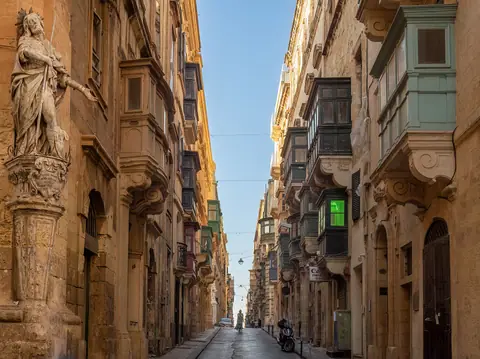
Where to Stay in Valletta: Flat Ridge Palazzos vs Stepped Harbour Streets
Valletta, Malta
Valletta Itinerary: Baroque Palaces, Three Cities & Mdina
Valletta, Malta
St John's Co-Cathedral Guide: Caravaggio's Beheading, Marble Tombs & Tips
Valletta, Malta
Upper & Lower Barrakka Gardens, Saluting Battery Noon Gun & Lift Guide
Valletta, Malta
