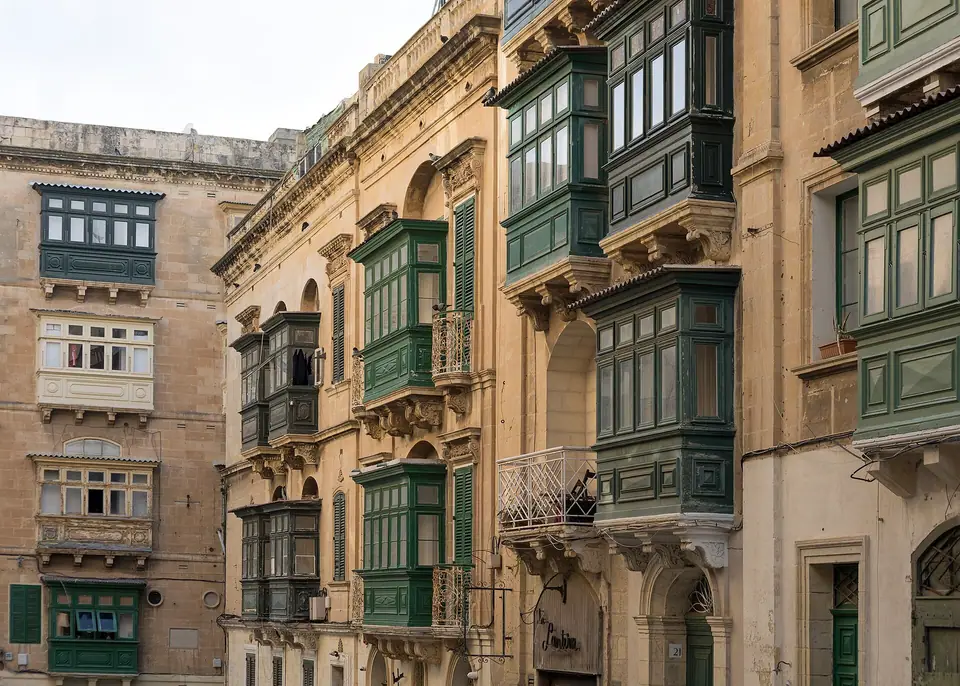
Photo: Godwin Borg · CC BY-SA 4.0
What to Wear in Valletta: Church Dress Rules & Limestone Steps
Essential packing and clothing advice for Valletta: St John's Co-Cathedral shoe and shoulder rules, grip soles for polished limestone steps, and harbour layers.
Valletta is one of the most stylish small capitals in the Mediterranean, where locals dress smartly for evening drinks along Bridge Bar and Strait Street. However, notable physical features of the city, the fragile inlaid marble tombs inside St John's Co-Cathedral. The mirror-smooth globigerina limestone steps on the steep side streets, make choosing the right shoes and daypack layers essential. Pair this packing guide with our St John's Co-Cathedral visitor guide and our seasonal weather guide.
| Valletta Site / Situation | Mandatory Dress / Footwear Rule | Why It Matters | What to Wear / Pack |
|---|---|---|---|
| St John's Co-Cathedral & Churches. | Shoulders and knees covered; zero stiletto or narrow heels allowed. | Pointed heels crack the soft inlaid Baroque marble tombstones on the floor. | Flat rubber-soled shoes or wide-block sandals; linen shirt or cotton scarf over shoulders. |
| Stepped Limestone Side Streets. | Rubber-tread walking sneakers or gripped sandals (avoid slick leather soles). | Centuries of footsteps have polished the limestone steps on St John & St Ursula St like glass. | Broken-in trainers or cushioned rubber-sole walking sandals. |
| Ħal Saflieni Hypogeum (Paola). | Closed-toe walking shoes required (sandals & flip-flops prohibited). | Underground rock-cut chambers are cool and damp with metal walkways. | Closed sneakers and a light cotton cardigan. |
| Harbour Ferries & Underground Tunnels. | Light windbreaker or linen overshirt year-round. | Lascaris War Rooms and Casa Rocca air-raid shelters sit cool deep in the rock. | Packable layer in your daypack even in summer. |
The St John's Co-Cathedral Dress Code and Stiletto Heel Ban
Unlike many European churches that quietly overlook summer tank tops, the entrance staff at St John's Co-Cathedral strictly enforce two rules at the turnstiles (and no longer hand out disposable plastic wraps at the door):
- No narrow heels, stilettos, or spiked soles: Because you walk directly, where priceless pietra dura marble tombstones inlaid with soft coloured slate, alabaster, and mother-of-pearl. Any shoe with a narrow heel or hard metal tip is banned to prevent puncturing the stone. Wear flat sneakers, loafers, or flat sandals.
- Shoulders and knees must be covered (for both men and women): Sleeveless tops, spaghetti straps, low-cut beachwear, and mini-shorts above the knee will be turned away. In warm weather, wear tailored knee-length shorts or linen trousers with a short-sleeved shirt. Keep a wide cotton pashmina shawl in your bag to drape over your shoulders. It covers you cleanly at St John's Co-Cathedral, the Basilica of Our Lady of Mount Carmel, and St Paul's Shipwreck. Malta is home to 359 churches, so keeping appropriate clothing ready makes visiting them simple.
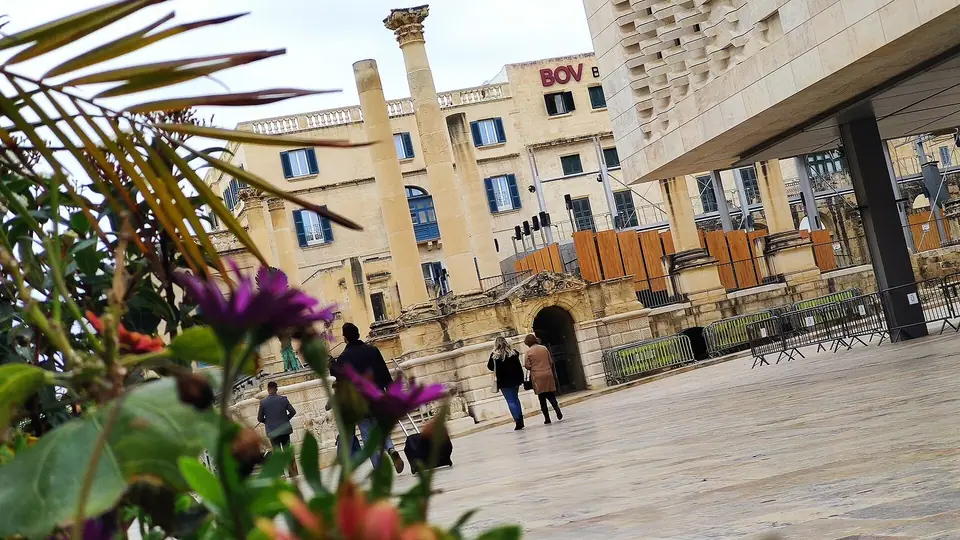
Why rubber-soled shoes are essential on Valletta's limestone steps
Valletta is built entirely from pale golden Maltese globigerina limestone (franka) and harder coralline stone. Long generations of footsteps have buffed the shallow stone steps on streets like St Lucia Street, St John Street, and Battery Street to a glossy sheen. Even when bone-dry, hard leather dress soles or smooth plastic flip-flops can slide on downhill steps, and after a brief winter or spring rain shower, the limestone becomes noticeably slick. Pack a pair of breathable walking sneakers or sandals with vulcanised rubber grip treads. If you take public transport to reach the city gates, Malta Public Transport provides free Wi-Fi on all buses to help you check walking routes.
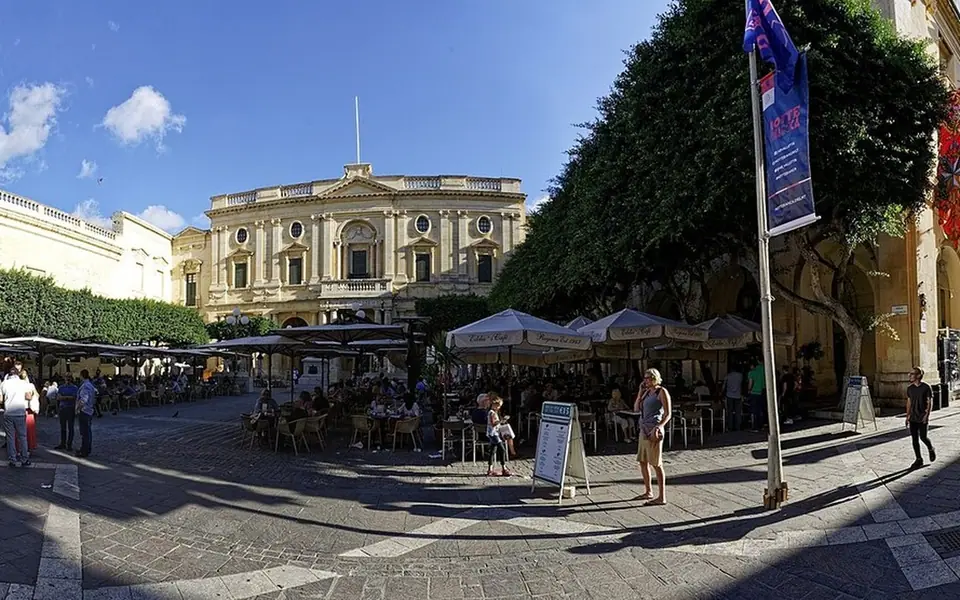
Closed-toe shoes for the Hypogeum and layers for rock-cut tunnels
If you hold tickets for the prehistoric Ħal Saflieni Hypogeum, remember that Heritage Malta safety rules strictly require closed-toe shoes. Heritage Malta manages more than 90 museums, landmarks, national monuments, and underwater sites across the islands, including seven World Heritage Sites. Tracing its formal origins back to 1903, the organisation maintains strict conservation standards for sensitive heritage interiors. Visitors wearing open-toed sandals, slides, or high heels are not permitted down the subterranean walkways, and many of Valletta's most fascinating sights, including the Lascaris War Rooms beneath the Upper Barrakka. The Underground Valletta cistern tunnels, and the WWII air-raid shelter beneath Casa Rocca Piccola, feel cool. The underground War H.Q. complex in Valletta opened in 1940 to shelter the Combined War Headquarters from aerial attacks. Stepping straight from a sunny summer street into a rock-cut tunnel can feel chilly, so keep a light linen shirt or cardigan in your bag.
Sun protection, harbour winds, and rock-beach swim gear
Malta receives around 3,000 hours of sunshine every year, which means clear skies are frequent throughout the seasons. Between April and October, the white-gold limestone walls and harbour water reflect UV rays from every angle. Pack polarized sunglasses and high-protection sunscreen for bright bastion walks. Choose a hat that fits snugly on the breezy Upper Barrakka parapet and Sliema ferry deck. If you plan to swim off Valletta's rocky bathing ledges near the Siege Bell Memorial, pack rubber aqua shoes. They protect your feet from sharp rock and sea urchins. Pair it with water shoes to step comfortably down the sea ladders and flat limestone shelves.
Dressing for a day in the capital means balancing bright Mediterranean sun on the bastions with modest attire for churches. Breathable linen shirts, cotton trousers, and midi skirts keep walkers cool on outdoor terraces while meeting parish entry rules. Keeping a lightweight scarf or shawl folded inside your daybag lets you cover bare shoulders at any cathedral doorway. Sun hats with secure brims and polarized sunglasses reduce glare reflecting off pale golden limestone walls.
Footwear choices matter more here than in flat resort towns because side streets descend toward both harbours via stone steps. Decades of foot traffic have buffed the limestone treads and central pavements to a smooth, slightly slick sheen. Rubber-soled walking shoes or cushioned leather sandals with ankle straps provide reliable grip on steep downhill lanes.
Subterranean heritage chambers and wartime command tunnels remain noticeably cooler and more humid than the sunlit streets above. Slipping on a light cardigan before descending into rock-cut galleries ensures comfort throughout guided underground walks.
Choosing versatile, breathable layers allows you to move comfortably from sunny harbour ramparts into cool stone museums and churches. Lightweight cotton or linen trousers, collared shirts, and knee-length dresses work well for both daytime sightseeing and smart-casual evening bistros. Because active parish churches enforce modest dress standards at the door, carrying a large cotton scarf in your bag is always helpful. Avoid thin-soled flip-flops or high heels when walking the stepped side streets, as polished limestone treads can feel slippery.
During summer afternoons, UV rays reflect strongly off both the water of the Grand Harbour and the pale stone bastions. A wide-brimmed hat, refillable water bottle, and breathable fabrics make midday walks between monuments much more pleasant. In winter and early spring, coastal winds sweeping across the peninsula call for a light windbreaker or trench coat over a sweater. Compact umbrellas fit easily into a daypack for occasional winter showers.
Keeping a compact microfibre towel and a spare cotton shirt in your daypack is practical. They come in handy whenever you pause at a rocky cove below the seawalls. Smart-casual linen or cotton outfits transition smoothly from afternoon museum visits to evening dining in vaulted cellar restaurants. Well-cushioned walking soles remain the single best item you can pack for exploring both the capital ridge and the cobbled lanes of Birgu.
Packing a small cloth tote bag helps carry sun layers, water, and a scarf between morning museum visits and afternoon harbour walks.
Weather by month
Valletta is warmest in July, with average highs around 32°C, and coldest in January, when nights drop to about 10°C. December is the wettest month by rainfall (70 mm), with rain on about 10 days. For mild weather with fewer rainy days, aim for April and May.
| Month | Low | Range | High | Rain | Rainy days |
|---|---|---|---|---|---|
| Jan | 10°C | 16°C | 63 mm | 9 d | |
| Feb | 10°C | 16°C | 49 mm | 7 d | |
| Mar | 11°C | 18°C | 35 mm | 5 d | |
| Apr | 13°C | 21°C | 28 mm | 4 d | |
| May | 16°C | 25°C | 14 mm | 2 d | |
| Jun | 20°C | 29°C | 7 mm | 1 d | |
| Jul | 23°C | 32°C | 0 mm | 0 d | |
| Aug | 24°C | 32°C | 7 mm | 1 d | |
| Sep | 22°C | 29°C | 28 mm | 4 d | |
| Oct | 19°C | 25°C | 49 mm | 7 d | |
| Nov | 15°C | 21°C | 63 mm | 9 d | |
| Dec | 12°C | 17°C | 70 mm | 10 d |
Averages of daily values from 2015 to 2024. Rainy days are days with at least 1 mm of rain. Source: Open-Meteo · Compare destinations by month.
Where it is
- 1Valletta
- Malta International Airport (MLA) · about 6 km from Valletta in a straight line
- Directions in Google Maps
Stations and taxi ranks: OpenStreetMap. Airports: OurAirports. Distances are in a straight line.
Traveller tips
Real advice from people who have been to Valletta. Every tip is read by our team before it goes live.
No tips yet. Been here? Yours could be the first.
Thank you! Your tip will appear here after a quick review.
More in Valletta
Continue exploring Valletta with related neighbourhood, food, and planning guides

Grand Master's Palace, Armoury, Casa Rocca Piccola & Knights' Auberges Guide
Valletta, Malta
Fort St Elmo, National War Museum & Lascaris War Rooms Guide
Valletta, Malta
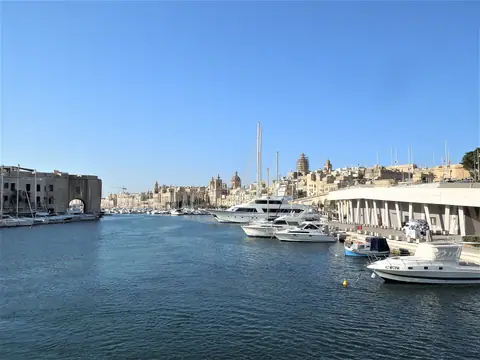
Three Cities Guide: Birgu, Senglea, Cospicua & Harbour Ferries
Valletta, Malta
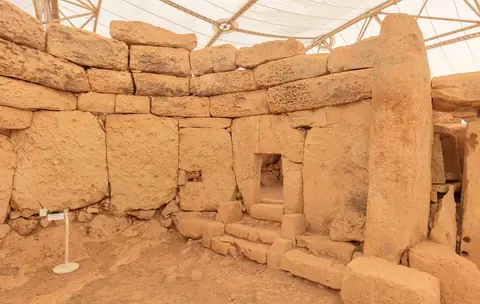
Ħal Saflieni Hypogeum, Tarxien, Ħaġar Qim & Mnajdra Temples Guide
Valletta, Malta
