Photo: MrPanyGoff · CC BY-SA 3.0
Valletta: How to Navigate Malta's Baroque Fortress Capital
Master the layout of Valletta's limestone peninsula, harbour ferry connections, key historic landmarks, and practical advice for navigating the capital.
Built as a fortified capital on Mount Sciberras, Valletta sits between two major natural harbours. Francesco Laparelli planned the grid layout, placing monumental defensive bastions along the deep waterfront. Heritage Malta oversees seven World Heritage Sites across the country, celebrating this historic legacy. Travellers can pair these practical tips with our best things to do in Valletta and our 3-day Valletta itinerary.
| Valletta Planning Factor | Key Practical Reality | Visitor Advice |
|---|---|---|
| Peninsula Spine vs Side Streets. | Central spine (Republic St) is flat; side streets drop steeply via stone steps to the water. | Walk along Republic or Merchants Street, then descend downhill toward your target sight. |
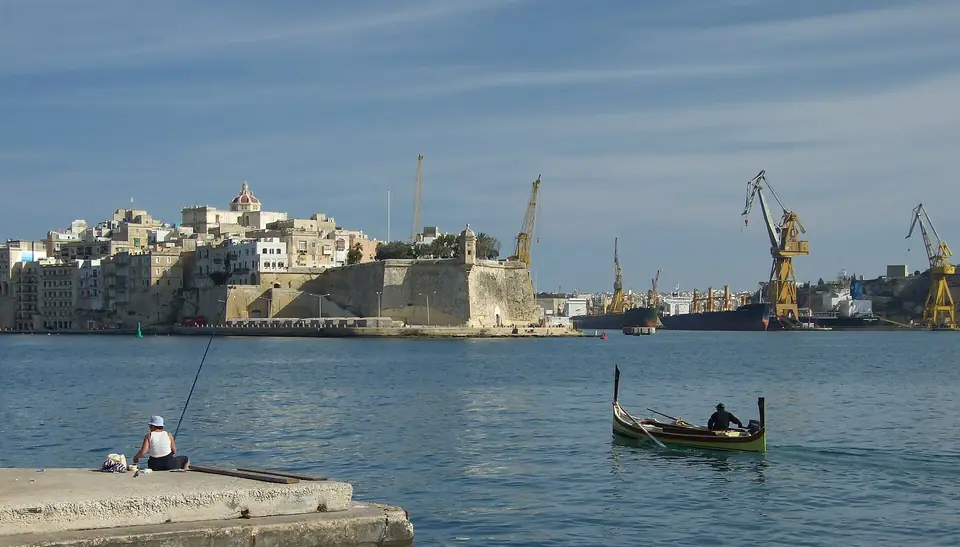
| Two Harbours & Ferries. | Marsamxett Harbour faces Sliema, while Grand Harbour faces the Three Cities. | Harbour passenger boats shuttle commuters across Marsamxett Harbour to Sliema and across the Grand Harbour to Cospicua. |
| Headline Monument Tickets. | Major landmarks include Fort St Elmo, state rooms, and historic war rooms. | Over 90 museums, prehistoric temples, forts, and underwater heritage zones fall under Heritage Malta stewardship. |
| Bus Terminal Hub. | Main bus interchanges operate outside Valletta City Gate with regional hubs at Buġibba, Ċirkewwa, and Victoria on Gozo. | Onboard wireless internet is available across the Malta Public Transport bus fleet. |
How to navigate the peninsula without exhausting your knees
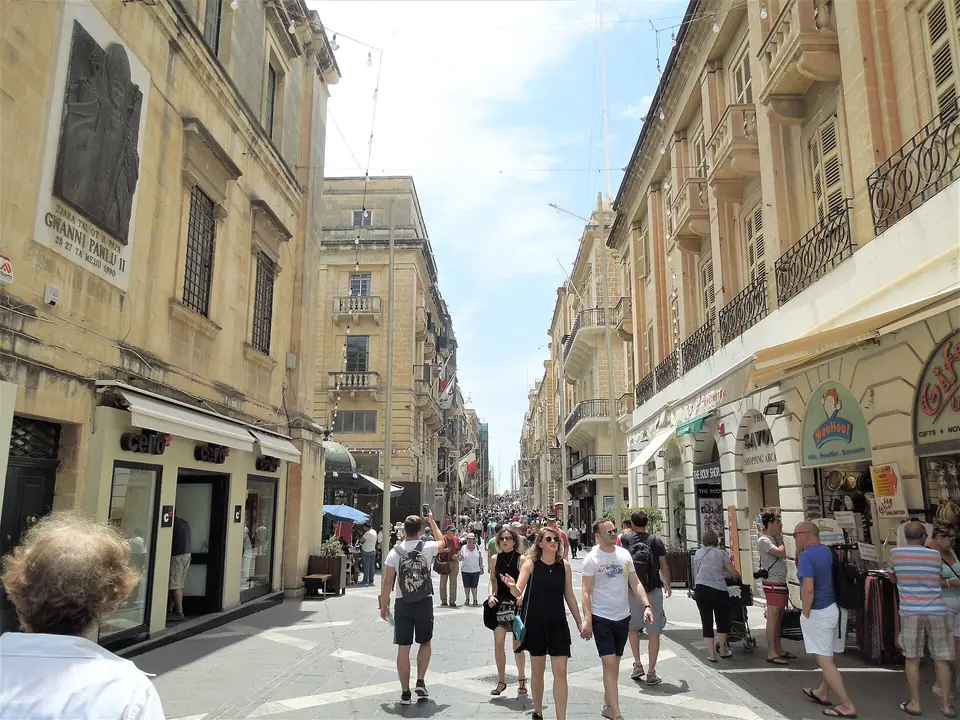
Before setting off on foot, picture Valletta as a saddle-backed ridge running northeast from the main city entrance. The spine stretches straight out to Fort St Elmo at the seaward tip of the peninsula. Along the crest of the ridge run two parallel, level pedestrian avenues: Republic Street and Merchants Street. As long as you walk along Republic Street or Merchants Street, the pavement is wide, smooth, and virtually flat.
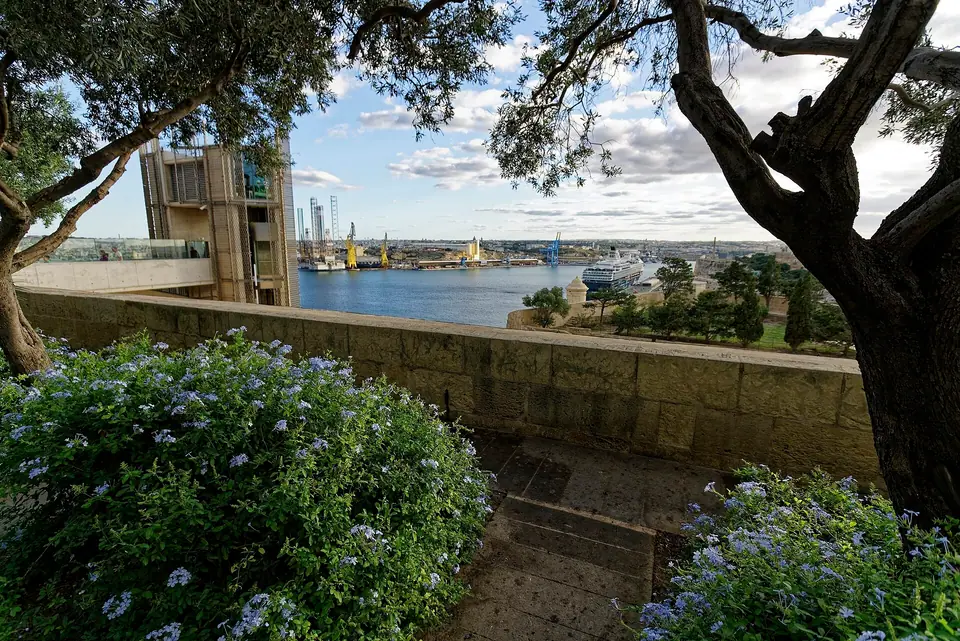
However, turning toward either harbour leads down steep gradients toward the Mediterranean Sea below. On both flanks, the limestone ridge drops toward the sea down stepped alleys between residential quarters. To save your energy in the midday sun, look out for vertical connections between the harbour and the ridge. On the Grand Harbour side, elevators connect the waterfront to the higher terraces. On the Marsamxett side, walkways and roads link the Sliema ferry landing with the upper streets.
Landmark sights, wartime tunnels, and timing your visits
Valletta contains numerous cultural and military landmarks managed by national trusts and heritage bodies:
- National Museum of Archaeology. Housed in a historic auberge on Republic Street in Valletta, the National Museum of Archaeology displays prehistoric temple carvings.
- Saluting Battery. Reached from Battery Street beneath the Upper Barrakka arcade, the Saluting Battery looks straight across the Grand Harbour. Visitors buying entry passes at the Saluting Battery counter must pay by bank card rather than cash. Operations pause on major annual holidays including Christmas Eve, Christmas Day, New Year's Eve, New Year's Day, Good Friday, and Easter.
- War H.Q. Complex. Excavated beneath the upper bastion in 1940, the subterranean War H.Q. tunnels protected command staff from air raids. Commanders directed aerial defence from the Fighter Sector Operations Room inside these rock-cut galleries during the Second World War. Scheduled walks through the underground War H.Q. galleries begin directly from the Saluting Battery terrace. Naval planners continued utilizing the subterranean complex for Mediterranean submarine tracking until 1977.
- Lascaris War Rooms. Deep inside Lascaris Ditch beneath the eastern bastion sits the subterranean complex of the Lascaris War Rooms. Ticket desks at the Lascaris War Rooms process electronic card payments exclusively. Displays inside the Lascaris chambers document Operation Husky, the Allied amphibious landing in Sicily. Young visitors under 16 enter the guided Lascaris tunnel walks without an admission charge.
With institutional roots dating back to 1903, Heritage Malta safeguards archaeological collections and historic monuments across the islands. Annual Heritage Malta passes grant a full year of admission across participating national museums. Check the official site for current admission details and opening times before visiting any venue.
Practical tips for travellers
- Prehistoric sites and advance planning. Travellers interested in early Maltese history can consult our guide to the Ħal Saflieni Hypogeum and prehistoric temples. Booking well ahead on the official heritage portal is advisable for fragile underground sites.
- Local bread and culinary traditions. UNESCO added the culinary art of Maltese Il-Ftira breadmaking to its intangible heritage register in 2020. Traditional ring-shaped ftira loaves feature a crisp outer crust around an airy sourdough interior. Local bakers shape each sourdough ring manually before sliding the loaves onto hot stone hearths. Etymologically, the Maltese name ftira derives from the Arabic term fatir.
- Public transport network. With a fleet of 550 vehicles serving 149 routes, Malta Public Transport links every district of the archipelago. Registered personalised tallinja smartcards provide fare-free boarding on day, night, and special bus services across Malta and Gozo. Situated inland at Luqa, Malta International Airport connects to the capital terminal by direct bus routes.
- Harbour ferries and day excursions. Harbour passenger boats shuttle commuters across Marsamxett Harbour to Sliema and across the Grand Harbour to Cospicua. You can take the ferry across the Grand Harbour to the Three Cities for panoramic waterside walks.
Public facilities are available near major public gardens and key public transport hubs around the capital city. Check the official site for opening details at specific attractions during your stay.
Enjoying roughly 3,000 hours of annual sunshine, the Maltese archipelago rewards visitors who carry sun hats and sunglasses. Pack light clothing and sunglasses when exploring the stone bastions during warm months.
Counting 359 churches across Malta and Gozo, the islands showcase baroque domes and parish treasures in every town. These religious buildings contain remarkable sacred works of art and centuries of local craftsmanship.
Walking along the central ridge along Republic Street or Merchants Street reduces unnecessary climbing between stops. Descending downhill toward your destination makes exploring the side streets considerably more comfortable.
Ferry connections offer practical alternatives to road transport between Valletta, Sliema, and Cottonera on the water. These short crossings give passengers wonderful panoramic views of the bastions from sea level.
Over 120 coastal and offshore dive sites ring the Maltese islands, drawing underwater photographers to reefs and wrecks. The clear waters around the archipelago attract divers interested in underwater archaeology and marine life.
International film productions such as Gladiator, Troy, and Game of Thrones used Malta's limestone forts as historic backdrops. Film fans will recognise several fortress walls and harbour ramparts while walking through the city.
Historic facades across Valletta feature traditional carved niches and ornate statues at key intersections along the streets. These classical details showcase the skilled masonry work preserved throughout the Baroque urban plan.
Enclosed wooden balconies decorate upper storeys throughout the city, providing classic views along straight grid streets. Painted timber gallarija additions create distinctive streetscapes above the golden limestone ground floors.
Carry a light layer for air-conditioned museums or when visiting active religious buildings across the capital.
Morning light across the golden globigerina stone facades makes early walks along Republic Street especially rewarding for architecture lovers. Café tables spill onto the paved squares outside the historic auberges while church bells echo across the peninsula. Pausing on the shaded benches of the upper gardens gives walkers a restful break between museum visits. Evening breezes off the Mediterranean cool the stepped side lanes once daytime excursion crowds depart the city.
Directional signs along the main pedestrian spine point clearly toward the harbour lifts, ferry landings, and cultural venues. Visitors can combine an indoor morning museum stop with a late afternoon stroll along the seaward bastion walls. Keep a compact windproof layer in your daypack for breezy harbour crossings aboard the Sliema or Cottonera boats.
Where it is
- 1Valletta
- Malta International Airport (MLA) · about 6 km from Valletta in a straight line
- Directions in Google Maps
Stations and taxi ranks: OpenStreetMap. Airports: OurAirports. Distances are in a straight line.
Traveller tips
Real advice from people who have been to Valletta. Every tip is read by our team before it goes live.
No tips yet. Been here? Yours could be the first.
Thank you! Your tip will appear here after a quick review.
More in Valletta
Continue exploring Valletta with related neighbourhood, food, and planning guides
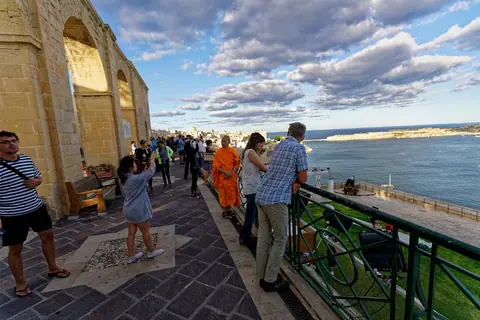
Upper & Lower Barrakka Gardens, Saluting Battery Noon Gun & Lift Guide
Valletta, Malta
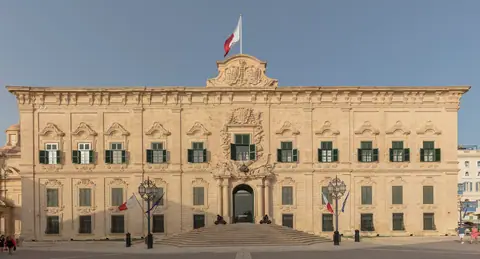
Grand Master's Palace, Armoury, Casa Rocca Piccola & Knights' Auberges Guide
Valletta, Malta
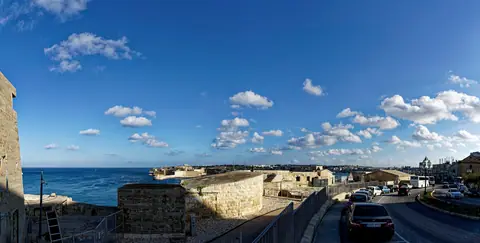
Fort St Elmo, National War Museum & Lascaris War Rooms Guide
Valletta, Malta
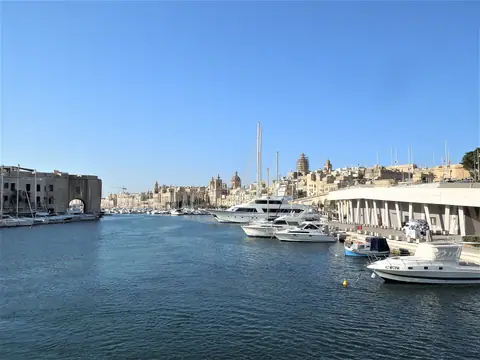
Three Cities Guide: Birgu, Senglea, Cospicua & Harbour Ferries
Valletta, Malta
