3 Days in Colonia del Sacramento Itinerary: UNESCO Citadel, Plaza de Toros and Country Vineyards
Three-day execution plan for Colonia del Sacramento: explore the 1680 Portuguese citadel, cycle the Rambla to Real de San Carlos, and tour Carmelo wineries or Colonia Suiza.
Giving Colonia del Sacramento three full days reveals its dual character as both a contested river outpost and a gateway to the fertile riverbanks of southwest Uruguay. Day trippers from Buenos Aires often rush through the cobblestone alleys in three hours, missing the stillness of early morning and the amber light over the water. This three-day framework balances urban fortification walks, twentieth-century industrial heritage along the riverbank, and an excursion into regional culinary landscapes.
We structure this programme to keep walking manageable across colonial flagstones while factoring in seasonal weather shifts recorded by regional stations. From temperate winter afternoons around 14 degrees to warm summer highs of 28 degrees, the pacing leaves ample room for leisurely meals and sunset views across the expansive estuary.
Day 1: Fortified Gateways, Convent Ruins and Waterfront Bastions
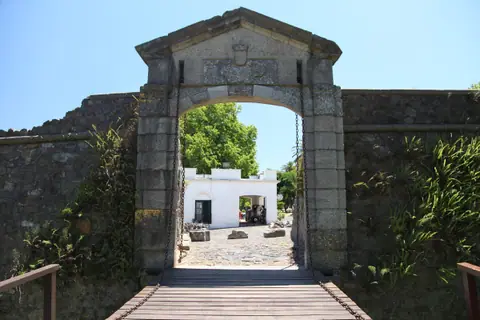
Begin your morning at the Barrio Histórico, Portón de Campo and Calle de los Suspiros. Built in 1745 under Portuguese Governor Vasconcellos, the heavy wooden drawbridge and stone pillars mark the threshold between modern avenues and seventeenth-century garrison life. Step onto the timber deck, inspect the restored stone ramparts of Bastión de San Miguel, and continue directly into the irregular streets laid out in defiance of traditional Spanish grid planning.
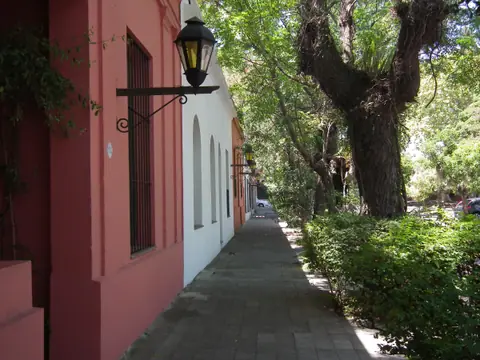
A few paces south lies Calle de los Suspiros, where original stone drainage channels run down the centre of the lane between low Portuguese dwellings with tile roofs. Take time to examine the stone masonry, which incorporates river boulders and lime mortar designed to withstand damp estuarine air. Head westward toward Plaza Mayor 25 de Mayo, where sycamore trees offer shade over park benches and outdoor dining terraces.
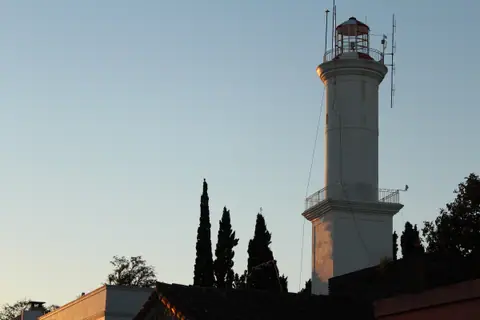
After a midday lunch featuring regional beef cuts or traditional sandwich specialities, walk to the southwest corner of the square to study the Colonia Lighthouse, Convento de San Francisco Ruins and Plaza Mayor Guide. Erected in 1857, the white masonry tower rises straight out of the charred red-brick remnants of the 1683 Franciscan convent. Climb the spiral stairs to the lantern gallery for an unobstructed view over the tiled rooftops, the curving shoreline, and distant islands out on the brown waters of the Río de la Plata.
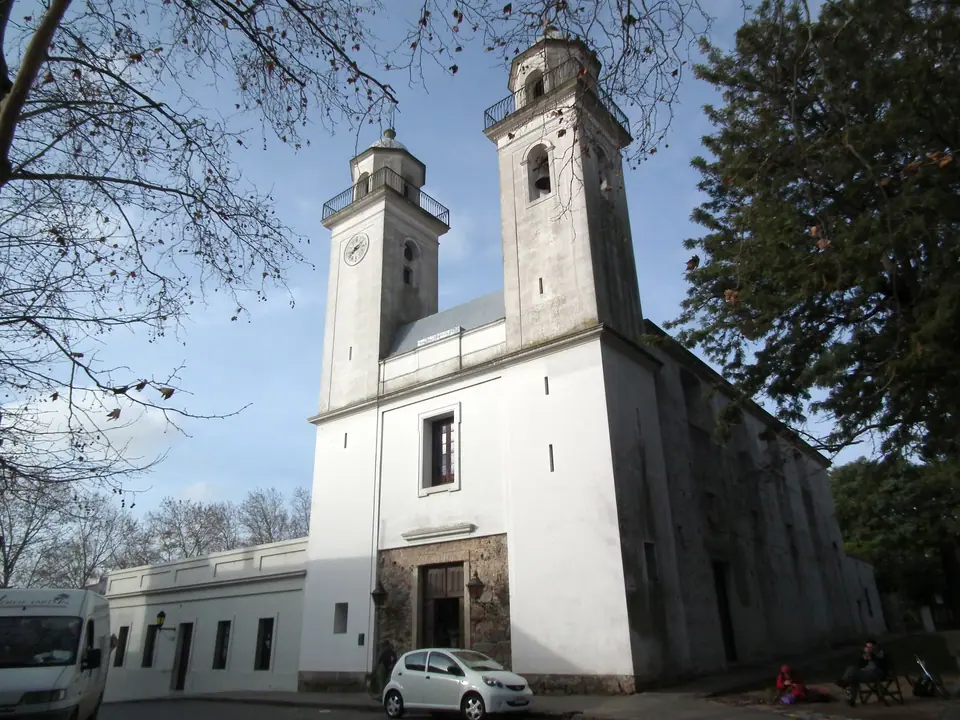
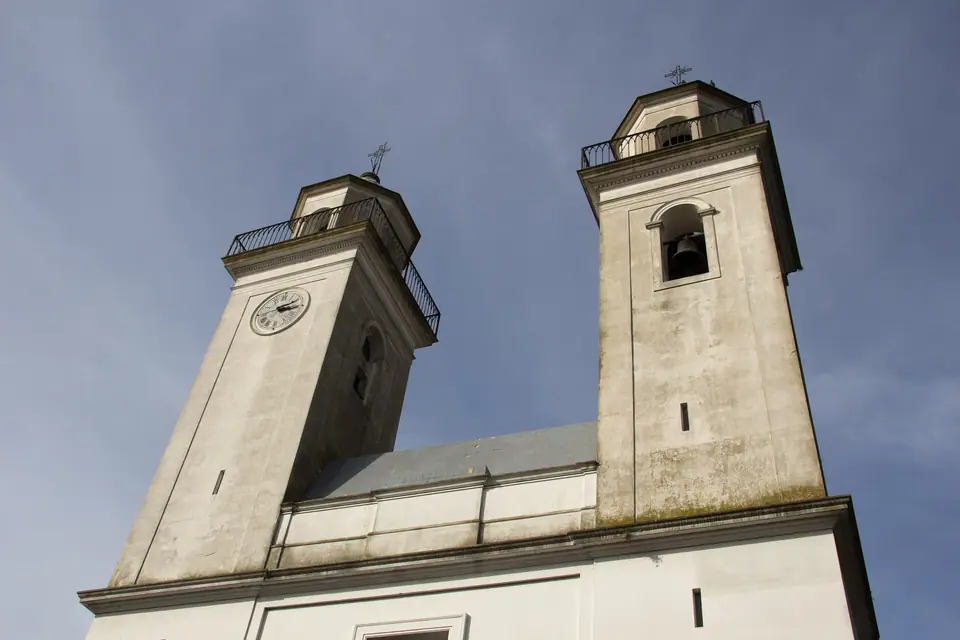
Complete your afternoon by tracing the religious and military core of the peninsula via the Basílica del Santísimo Sacramento and Waterfront Bastions Walk. Enter the thick stone nave of the church, which dates from 1808 following multiple wartime destructions, to view its restrained altar woodwork. As dusk approaches, gather on the grassy ramparts of Bastión de San Pedro or Bastión del Carmen near the old timber pier to watch the sun drop toward the Argentine horizon.
Day 2: Municipal Museum Pass, Coastal Cycling and Real de San Carlos
Dedicate your second morning to the civic heritage museums concentrated within the historic quarter. Purchase the combined municipal museum ticket at the central counter, which grants admission to multiple restored houses scattered around Plaza Mayor. Start at the Portuguese Museum to examine eighteenth-century naval maps, brass navigational instruments, and military uniforms from the founding campaigns.
Cross the lane to Casa de Nacarello, an authentic Portuguese residence from the mid-1700s where exposed rammed-earth walls, stone lintels, and period furnishings demonstrate daily domestic routines. Nearby, the Spanish Museum houses colonial ironwork, religious art, and land survey documents from the era of Spanish rule, while the Museo del Azulejo displays decorative ceramic tiles manufactured in Lisbon and Catalonia.
By early afternoon, collect a rental bicycle or vintage electric buggy from the commercial terminal area and ride north onto the paved riverside promenade. The coastal route follows the sweeping curve of the river, connecting sandy bays with open parkland toward the historic sports complex of Real de San Carlos.
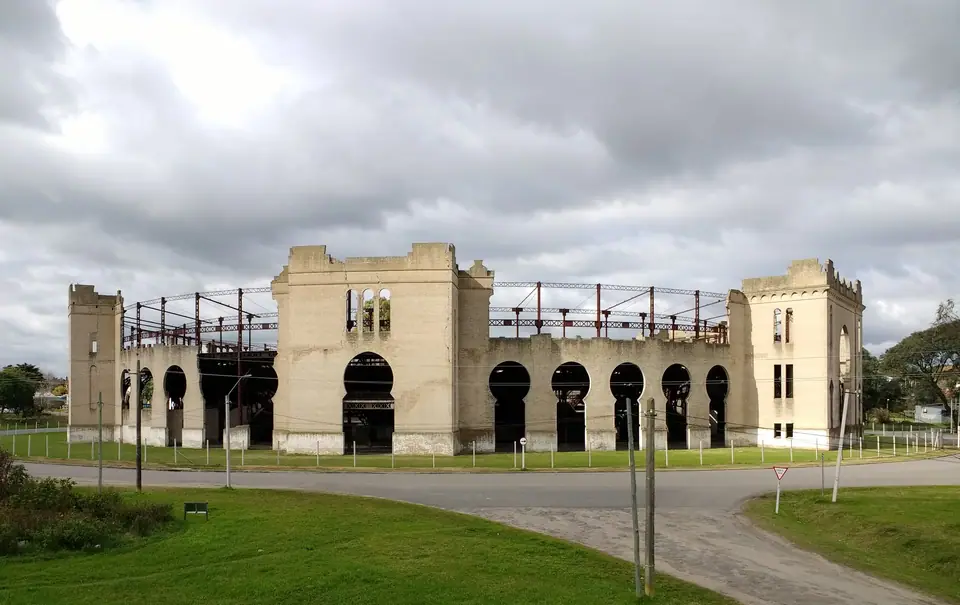
Arriving at your destination, tour the Real de San Carlos and Restored 1910 Plaza de Toros Guide. Commissioned by Argentine entrepreneur Nicolás Mihanovich, this grand arena displays elaborate brick horseshoe arches and wrought-iron balconies inspired by Moorish architecture. Walk the perimeter to inspect the restored seating bowl, and visit the neighbouring Frontón Euskaro and the remains of Muelle del Real, where passenger steamers once docked from across the river.
Day 3: Carmelo Vineyards or Colonia Suiza Dairy Cellars
Your third day expands into the productive rural interior of Colonia Department. Two distinct geographic corridors offer completely different cultural and agricultural perspectives, both easily reachable by regional bus or prearranged private vehicle from the central bus terminal.
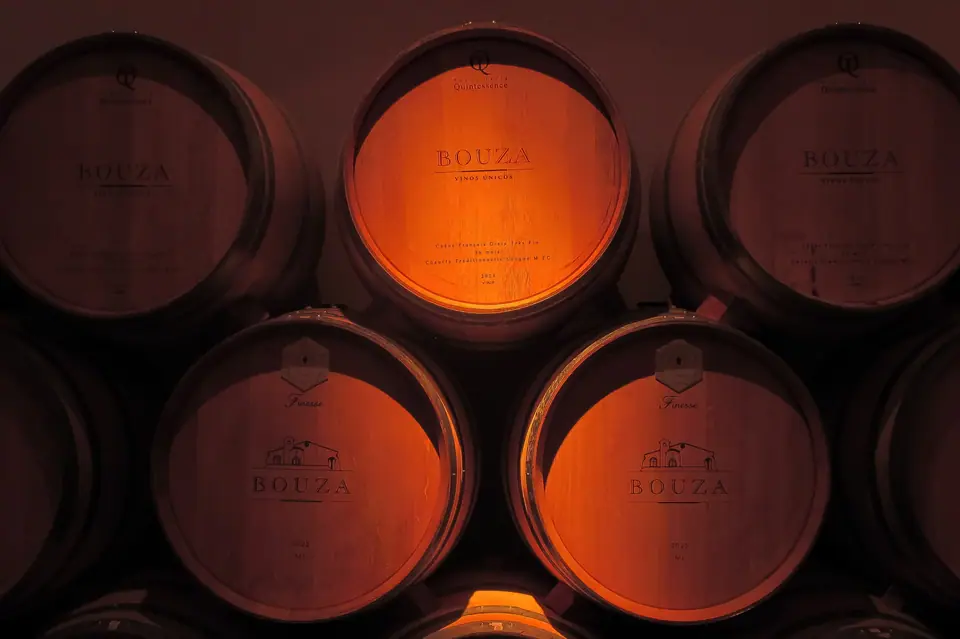
Option A heads northwest through rolling pastoral country toward Carmelo, a riverine district famed for sun-drenched vineyards and boutique wineries. Here, maritime breezes combine with calcareous soils to produce structured Tannat, elegant Cabernet Franc, and crisp white varieties. Plan visits to family-run estates such as Narbona, El Legado, or Campotinto, where tasting rooms occupy converted stone barns. Between cellar stops, walk among the eighteenth-century limestone ruins of Calera de las Huérfanas, a former Jesuit ranch containing original brick kilns and chapel walls.
Option B travels eastward toward Nueva Helvecia, also known as Colonia Suiza. Founded in the 1860s by Swiss, German, and Austrian immigrants, the town maintains artisanal dairy workshops that perfected Queso Colonia and Swiss-style semi-hard wheels. Tour regional dairy creameries to sample farmstead cheeses and learn about traditional gravity presses that shaped rural Uruguayan gastronomy.
Colonia del Sacramento Three-Day Operational Matrix
Review this daily summary to coordinate transport methods, footwear selections, and primary walking surfaces across the department.
| Itinerary Stage | Primary Focus | Transport Method | Terrain Surface |
|---|---|---|---|
| Day 1: Historic Citadel | UNESCO ramparts, convent ruins, basílica, and lighthouse | On foot | Uneven colonial cobblestones and stone steps |
| Day 2: Culture and Coast | Colonial museums, riverside promenade, and bullring | Bicycle, buggy, or foot | Flat paved promenade and crushed stone paths |
| Day 3A: Carmelo Route | Family wine estates and Calera de las Huérfanas ruins | Regional coach or hire car | Vineyard grass, gravel cellars, and dirt tracks |
| Day 3B: Cheese Route | Colonia Suiza artisan dairies and Alpine heritage | Interurban bus or car | Paved municipal roads and dairy workshop floors |
Practical Movement and Climate Considerations
Colonia del Sacramento experiences moderate rainfall throughout the year, averaging five to seven wet days per month and annual precipitation between 35 millimetres and 49 millimetres monthly. October records the highest monthly rainfall at 49 millimetres, whereas midwinter months like May, June, July, and August register around 35 millimetres. Summer temperatures peak in January with average daytime highs of 28 degrees, requiring light clothing and sun protection during afternoon cycling.
For current admission policies, guided bullring tour reservations, and municipal museum tickets, check official government and tourism portals before departure. Independent vineyard visits in Carmelo generally require advance booking to secure winery cellar tours and tasting sessions with resident winemakers.
Where it is
- 1Colonia del Sacramento
- Aeroparque Jorge Newbery (AEP) · about 53 km from Colonia del Sacramento in a straight line
- Directions in Google Maps
Stations and taxi ranks: OpenStreetMap. Airports: OurAirports. Distances are in a straight line.
Traveller tips
Real advice from people who have been to Colonia del Sacramento. Every tip is read by our team before it goes live.
No tips yet. Been here? Yours could be the first.
Thank you! Your tip will appear here after a quick review.
More in Colonia del Sacramento
Continue exploring Colonia del Sacramento with related neighbourhood, food, and planning guides
Colonia del Sacramento: Orientation, Quarters, and Transit
Colonia del Sacramento, Uruguay
12 Best Things to Do in Colonia del Sacramento: Citadel, Riverfront Bastions and Country Wineries
Colonia del Sacramento, Uruguay

How to Get to Colonia del Sacramento: Buenos Aires Fast Ferries and Montevideo Route 1 Coaches
Colonia del Sacramento, Uruguay
Best Time to Visit Colonia del Sacramento: Seasonal Weather, Wine Harvest and River Breezes
Colonia del Sacramento, Uruguay
