Colonia Suiza and Nueva Helvecia Artisan Cheese Route Guide
Discover Colonia Suiza and Nueva Helvecia on an artisan day trip from Colonia del Sacramento. Tour historic dairy heritage, Swiss cantonal heraldry, and rural mills.
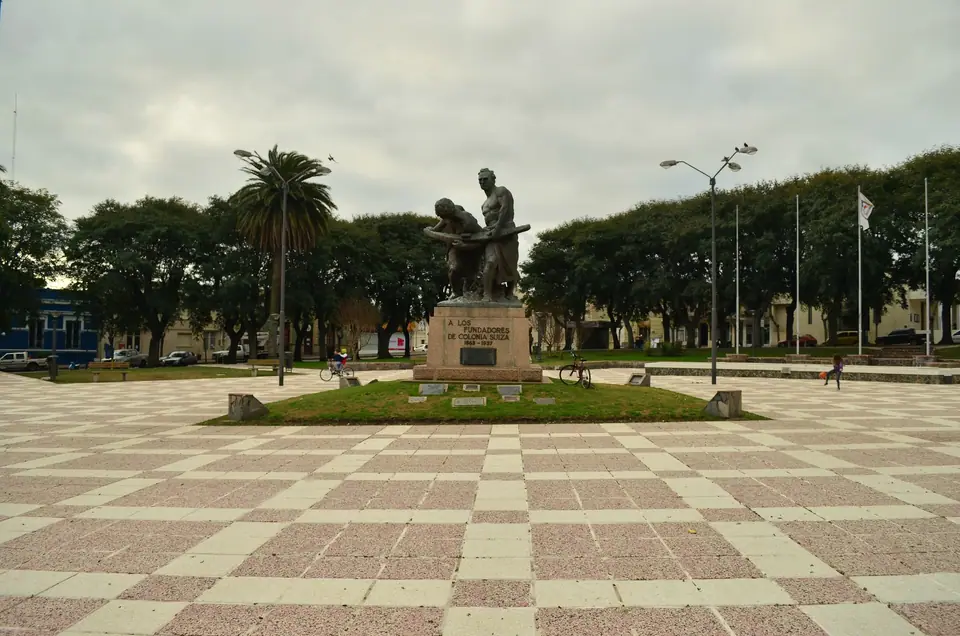
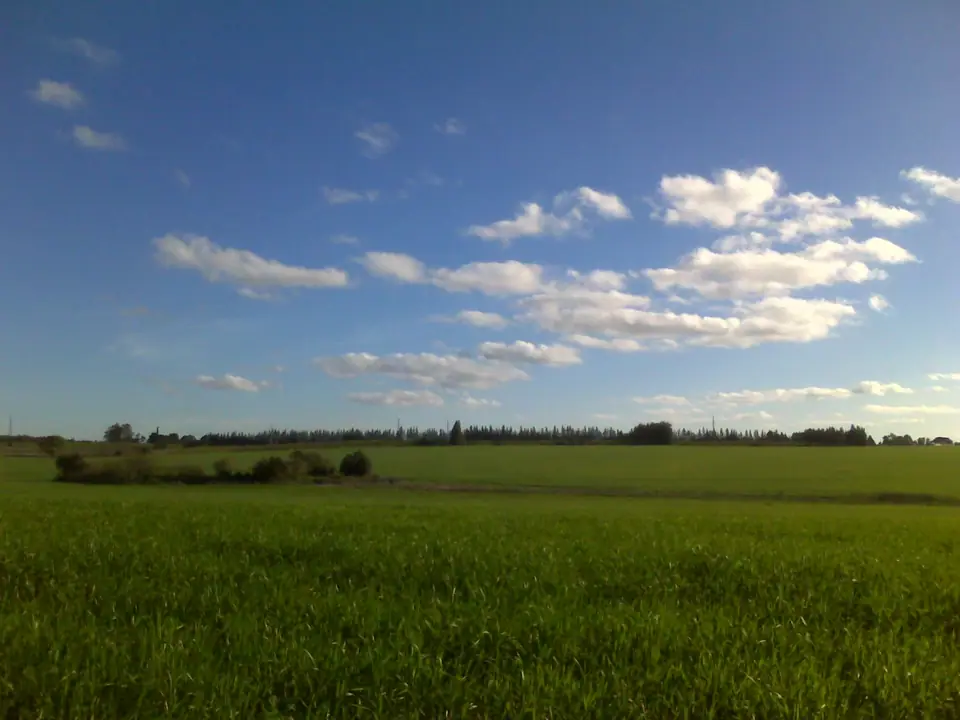
When residents across the Río de la Plata discuss premium dairy produce, their attention turns to the rolling pastures of eastern Colonia Department. Located 58 kilometres east of the historic quarter along Route 1, the agricultural settlement of Nueva Helvecia, widely known as Colonia Suiza, presents a distinct Central European cultural landscape. Established on 25 April 1862 by European immigrants, this quiet municipality transformed Uruguayan agriculture from basic cattle ranching into a celebrated centre for artisan cheesemaking and fruit preserves.
A dedicated day trip from Colonia del Sacramento exposes travellers to Alpine-style chalet facades, wood-trimmed gables, and rural dairy cellars. Combining this journey with visits to historic watermills and local tasting rooms creates an enriching rural contrast to the stone bastions of the coast. Understanding the origins of this dairy heartland allows visitors to appreciate how Swiss techniques shaped national culinary identity.
The 1862 Agricultural Colony and Cantonal Heritage
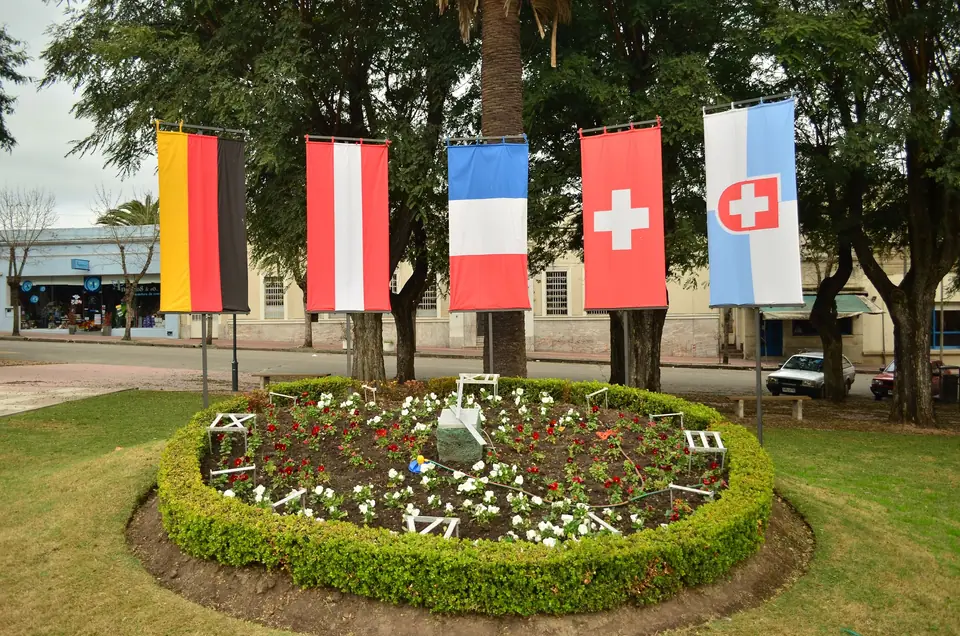
The foundation of Nueva Helvecia began when immigrant families departed the Swiss cantons of Bern, Lucerne, Ticino, St Gallen, and Valais. They were joined by agricultural pioneers from Alsace, western Germany, and Austria. At the time, rural Uruguay primarily produced salted beef and leather hides. The incoming settlers recognised that the fertile grasses and temperate climate could support intensive European dairying, orchards, and wheat cultivation.
These farming households introduced mechanical grain mills, butter churns, and copper dairy cauldrons to the region. They also established the pioneer hospitality trade of the interior, opening Hotel Suizo in 1872. Today, civic pride remains visibly stamped across the urban streetscape. The coats of arms of all 26 Swiss cantons decorate municipal lamp posts, private residences, and public monuments around the main plaza. Visitors strolling through the town centre will observe architectural motifs reminiscent of Alpine villages, maintained across generations of local families.
Anatomy of Queso Colonia and Artisan Dairy Cellars
The lasting achievement of the 1862 pioneers was the invention of Queso Colonia. Immigrants sought to replicate traditional alpine cheeses such as Emmental and Gruyère. Because the grass-fed milk of the local herds carried higher butterfat and the riverside climate was warmer, the resulting wheels developed unique physical properties.
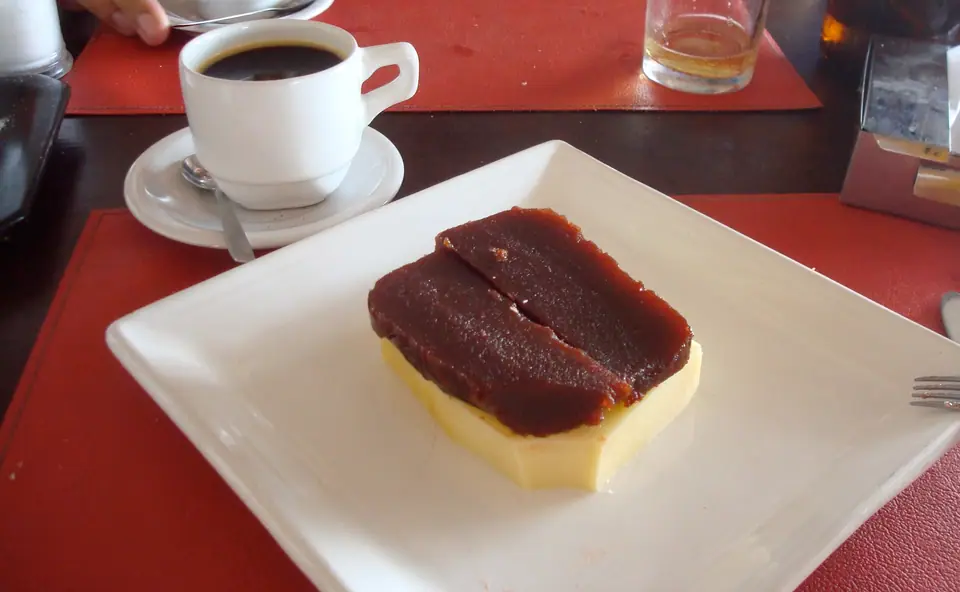
Authentic Queso Colonia matured into Uruguay's preeminent semi-hard table cheese. It displays a pale golden paste, elastic texture, and round fermentation eyes created by active gas-forming cultures during curing. The flavour profile delivers a gentle, buttery nuttiness with a clean finish. Local artisan cellars continue to press these cheeses by hand beside aged Gruyère-style wheels and dense, slow-cooked dulce de leche. Travellers exploring regional menus can learn how these wheels pair with local dishes in our guide to What to Eat in Colonia del Sacramento.
Historic Relics and Molino Quemado
Beyond modern tasting rooms, the countryside surrounding Nueva Helvecia holds important industrial heritage from the nineteenth century. Foremost among these sites is Molino Quemado, an imposing hydraulic watermill erected in 1875 along the banks of the Rosario River. Constructed to grind wheat harvested across the immigrant farmsteads, the massive stone and timber structure remains an evocative rural landmark.
The mill derives its name from a devastating fire that ended its industrial operations, embedding the site in regional folklore. Visiting the riverside ruins offers a tangible connection to the arduous manual labour that defined the early colony. Shaded by mature riverbank willows and eucalyptus groves, the surrounding parkland provides a peaceful setting for walking after an afternoon spent sampling dairy specialities.
Comparing Agricultural Excursions from Colonia del Sacramento
Travellers designing an itinerary often weigh a journey east into Colonia Department against riverside vineyards to the northwest. The table below outlines key practical differences between these regional day trips to assist your planning.
| Route Destination | Primary Cultural Focus | Key Agricultural Products | Top Historical Landmark |
|---|---|---|---|
| Nueva Helvecia (Colonia Suiza) | Swiss, Alsatian, and Austrian settlement | Queso Colonia, Gruyère, dulce de leche | Molino Quemado (1875) |
| Carmelo Wine District | Jesuit and European viticulture | Tannat wine, olive oil, preserves | Calera de las Huérfanas (1741) |
| Real de San Carlos | Edwardian leisure and recreation | Coastal fishing, urban dining | Plaza de Toros (1910) |
If you wish to explore the opposite direction after visiting Colonia Suiza, read our guide on Carmelo Wineries and Granja Narbona to compare travel directions across the department.
Route Logistics and Seasonal Weather Planning
Reaching Nueva Helvecia from Colonia del Sacramento is straightforward. Motorists follow national highway Route 1 eastward for 58 kilometres, a drive requiring approximately 45 minutes across gentle topography. Regular intercity coaches connecting Colonia del Sacramento to the national capital drop passengers near the entrance road to the town. You should verify current bus schedules directly with terminal operators before departure, as frequencies change between weekdays and holidays.
Agricultural touring remains viable year-round, though seasonal weather influences rural walks. Open-Meteo climate records show high summer temperatures averaging 27°C to 28°C in January and February, with evening lows around 19°C. Summer afternoons call for sun protection while walking across unshaded farmsteads. Winter brings daytime highs near 14°C in July, with nighttime lows dropping to 8°C. Rainfall remains remarkably steady throughout the year, recording between 35 millimetres across 5 wet days in midwinter and 49 millimetres over 7 wet days in October. Paved surfaces link Route 1 to the town centre, ensuring smooth driving conditions even during passing rain showers.
Artisan queserías manage production according to daily milking routines. Many family-run sales counters close during the traditional midday break. We recommend visiting tasting counters during mid-morning or mid-afternoon for the most reliable reception. By dedicating a full morning to Nueva Helvecia, you will gain an authentic understanding of the European agricultural traditions that sustain Uruguay's finest dairy tables.
Where it is
- 1Colonia Suiza and Nueva Helvecia Artisan Cheese Route
- Aeroparque Jorge Newbery (AEP) · about 112 km from here in a straight line
- Directions in Google Maps
Stations and taxi ranks: OpenStreetMap. Airports: OurAirports. Distances are in a straight line.
Traveller tips
Real advice from people who have been to Colonia del Sacramento. Every tip is read by our team before it goes live.
No tips yet. Been here? Yours could be the first.
Thank you! Your tip will appear here after a quick review.
More in Colonia del Sacramento
Continue exploring Colonia del Sacramento with related neighbourhood, food, and planning guides
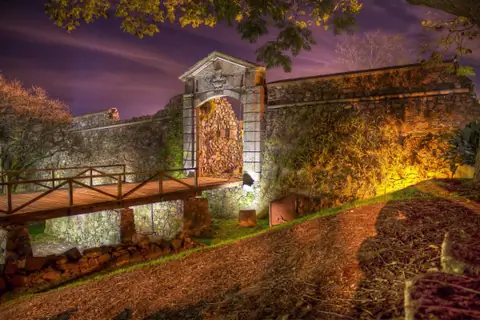
Barrio Histórico, Portón de Campo and Calle de los Suspiros
Colonia del Sacramento, Uruguay
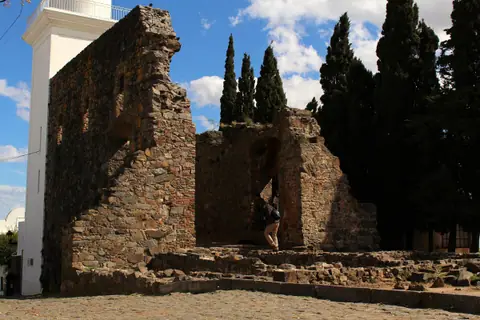
Colonia Lighthouse, Convento de San Francisco Ruins and Plaza Mayor Guide
Colonia del Sacramento, Uruguay
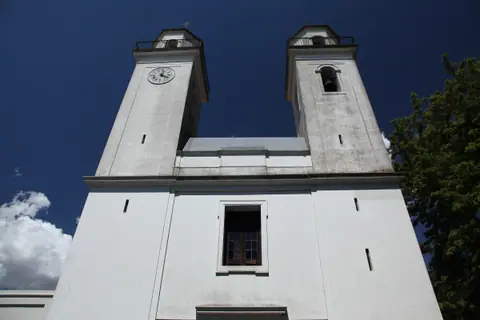
Basílica del Santísimo Sacramento and Waterfront Bastions Walk
Colonia del Sacramento, Uruguay
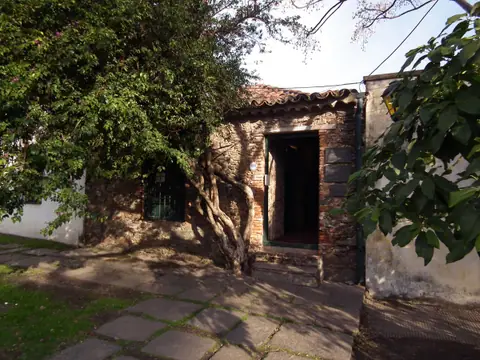
Colonia del Sacramento Museums Guide: Museo Portugués, Casa de Nacarello, Museo Español, and Museo del Azulejo
Colonia del Sacramento, Uruguay
