How to Get to Colonia del Sacramento: Buenos Aires Fast Ferries and Montevideo Route 1 Coaches
Practical transit guide to reaching Colonia del Sacramento: 75-minute fast catamarans across the Río de la Plata and direct highway coaches from Montevideo along Route 1.
Colonia del Sacramento sits at the narrowest passage of the Río de la Plata estuary. Positioned 50 kilometres across open water from Buenos Aires and 177 kilometres west of Montevideo, this historic port town serves as one of the most efficient international transport corridors in South America. Travellers arriving by water or overland highway encounter straightforward terminal infrastructure that connects directly into the urban grid. Understanding terminal logistics, border formalities, and vehicle connections ensures a smooth journey from either capital city.
High-Speed Catamaran Services from Buenos Aires Across the Río de la Plata
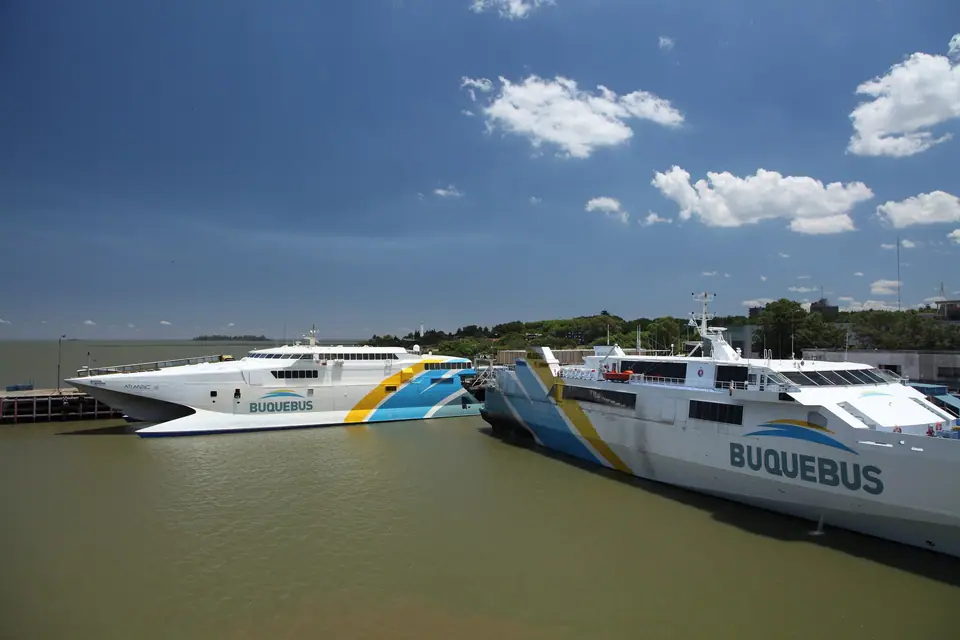
Crossing the estuary by passenger ferry remains the primary arrival method for international visitors coming from Argentina. Two established operators run year-round maritime services between Buenos Aires and Colonia del Sacramento, covering the 50-kilometre nautical route in 1 hour and 15 minutes on fast catamarans.
- Buquebus: Vessels depart from the company terminal at Avenida Antártida Argentina 821 at Dársena Norte in northern Puerto Madero. Fast catamarans such as Atlantic III and Silvia Ana L make the passage in 75 minutes, whilst the conventional car-carrying ferry Eladia Isabel completes the journey in roughly 3 hours. Check the official operator site for current sailing frequencies and seasonal timetables.
- Colonia Express: Catamarans depart from Avenida Elvira Rawson de Dellepiane 155 at Dársena Sur, situated near southern Puerto Madero and the northern edge of La Boca. Crossings take 1 hour and 15 minutes to reach the Uruguayan shoreline.
Onboard seating is arranged across climate-controlled passenger saloons with luggage racks and small refreshment kiosks. Summer breezes over the river can cause occasional swells, particularly when south-easterly winds blow across the outer estuary. Checking marine conditions before departure is advisable if you are prone to motion sensitivity.
Integrated Border Clearance and Terminal Fluvial Arrival Logistics
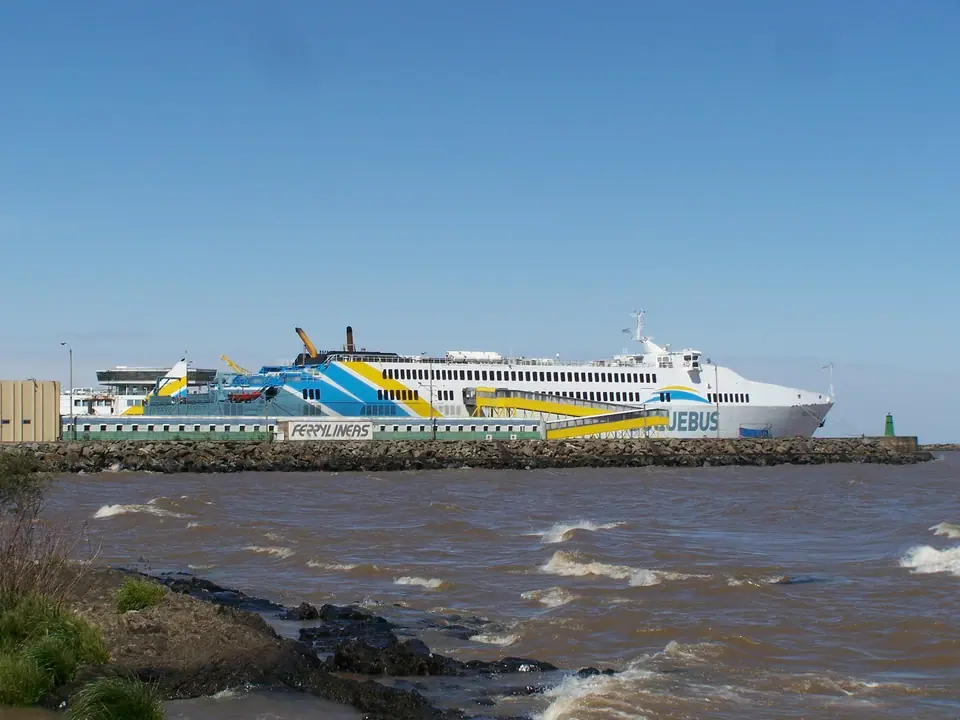
A distinctive logistical feature of the Buenos Aires to Colonia ferry crossing is the unified immigration system, known locally as migración unificada. Passengers undergo joint Argentine exit and Uruguayan entry controls side by side in the departure terminal before boarding.
- Check-in and Baggage Handling: Arrive at your designated departure terminal in Buenos Aires between 60 and 90 minutes before scheduled departure. Label any heavy luggage destined for the hold, or carry personal weekend bags directly onto the passenger deck.
- Sequential Passport Inspection: You present your passport to an Argentine border official to be processed out of the country, then immediately step to the adjacent Uruguayan counter in the same booth to receive your entry clearance. Keep your passport entry slip safe for onward hotel registration and departure.
- Disembarkation at Terminal Fluvial de Colonia: Upon arrival, foot passengers walk off the gangway directly into the modern reception hall. Because immigration controls were completed in Buenos Aires, passengers clear customs screening and exit directly into the town without secondary passport queues.
The terminal building houses currency exchange windows, visitor information kiosks, and secure luggage storage lockers. Those continuing through the department to regional vineyards can consult our Carmelo wineries, Granja Narbona and Calera de las Huérfanas guide for dedicated rural transport options.
Overland Transit from Montevideo via Route 1
Travellers approaching from the east travel along national Route 1, a modern dual-carriageway highway that cuts across rural farming plains and dairy pastures. The 177-kilometre overland journey connects central Montevideo to Colonia del Sacramento in approximately 2 hours and 30 minutes.
- Intercity Coaches: Certified coach companies, principally COT and Turil, operate regular services from Montevideo's central Terminal Tres Cruces. Departures run throughout the day, providing air-conditioned travel with reclining seats and undercarriage luggage compartments. Consult the official carrier websites to review current departure schedules.
- Driving Route 1: Driving your own vehicle or rental car takes roughly 2 hours and 15 minutes in normal traffic conditions. The highway passes agricultural service towns and regional junctions leading toward Swiss heritage dairy settlements, detailed in our Colonia Suiza Nueva Helvecia day trip guide.
- Arrival at Terminal de Ómnibus: Long-distance coaches pull into the dedicated bus terminal located immediately next door to the ferry port, placing overland passengers within the same integrated transit zone.
Key Transport Options to Colonia del Sacramento
The following table outlines the main transit routes connecting neighbouring capitals and regional transport hubs to Colonia del Sacramento.
| Route and Mode | Departure Point | Arrival Facility | Typical Journey Duration |
|---|---|---|---|
| High-speed catamaran (Buquebus) | Dársena Norte (Puerto Madero, Buenos Aires) | Terminal Fluvial de Colonia | 1 hour 15 minutes |
| High-speed catamaran (Colonia Express) | Dársena Sur (Puerto Madero, Buenos Aires) | Terminal Fluvial de Colonia | 1 hour 15 minutes |
| Conventional vehicle ferry (Buquebus) | Dársena Norte (Puerto Madero, Buenos Aires) | Terminal Fluvial de Colonia | 3 hours |
| Intercity coach (COT / Turil) | Terminal Tres Cruces (Montevideo) | Terminal de Ómnibus de Colonia | 2 hours 30 minutes |
| Private car via Route 1 | Central Montevideo | Avenida General Flores entrance | 2 hours 15 minutes |
Walking and Local Connections from the Colonia Terminals
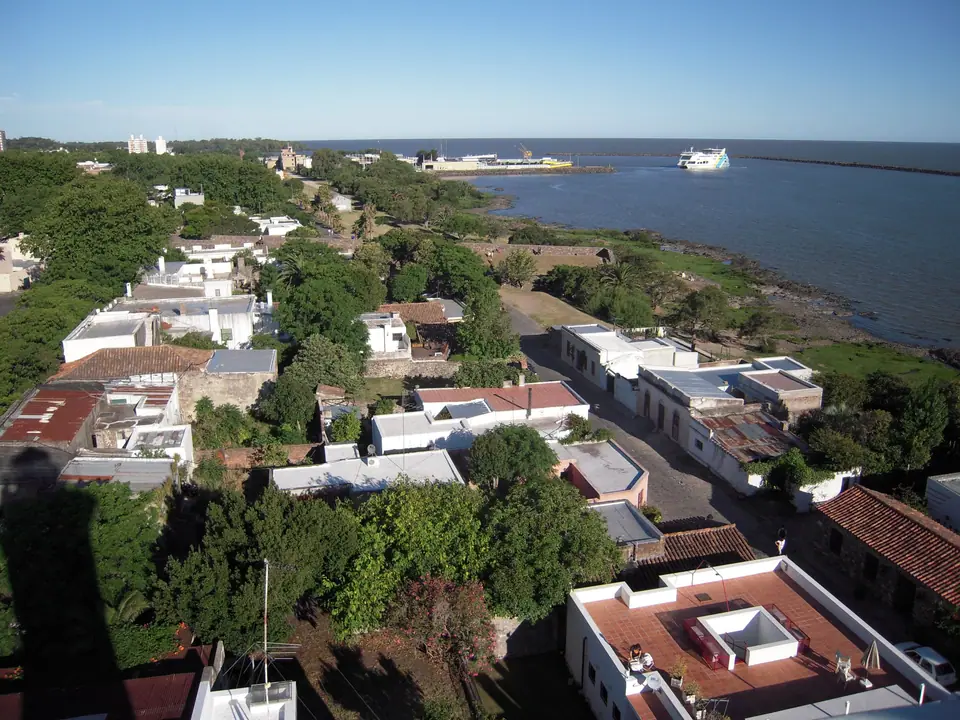
The ferry port and central bus terminal form a compact, unified transport hub on the eastern side of the historic peninsula. This prime location allows incoming visitors to reach major architectural landmarks, hotels, and coastal promenades without needing private transfers or municipal buses.
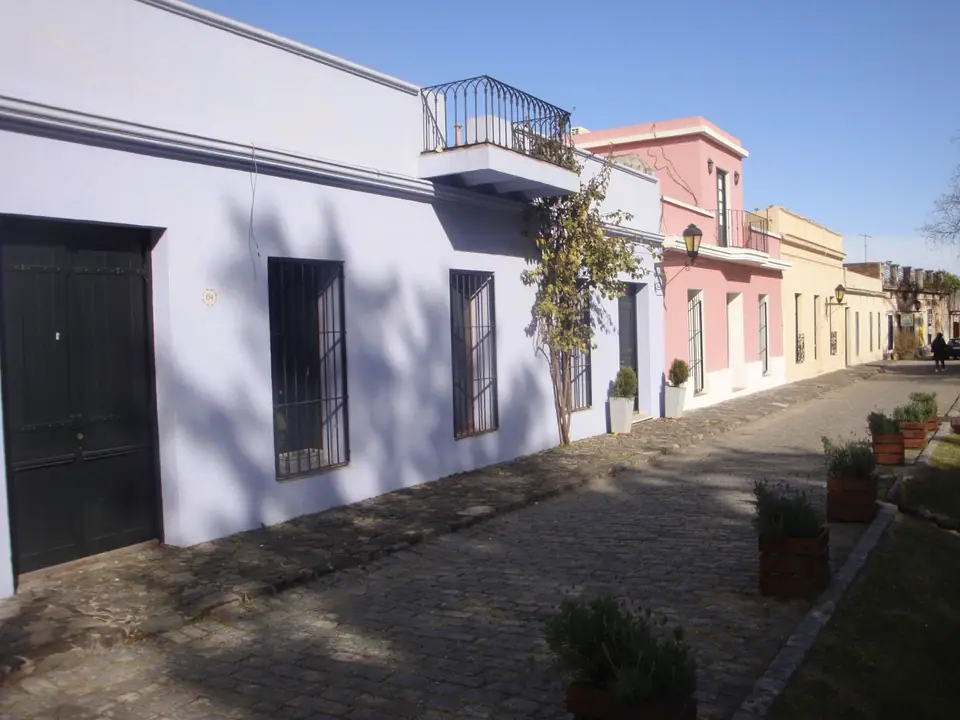
Stepping out of either terminal brings you onto the wide pavements of Avenida General Flores, shaded by mature plane trees. Walking west along this commercial avenue leads directly to the 1745 city gate in roughly 10 minutes, covering a distance of 800 metres. Full pedestrian routes around the perimeter stone fortifications appear in our Barrio Histórico Portón de Campo and Calle de los Suspiros guide.
Licenced street taxis wait at marked ranks outside both terminal exits for travellers carrying heavy suitcases. Local rental agencies opposite the bus station supply bicycles, golf carts, and small scooters for those heading north toward the bay beaches and the 1910 bullring. Because the historic centre retains its irregular stone surfaces, walking with wheeled cases requires sturdy footwear and patience on uneven granite paving.
Where it is
- 1Colonia del Sacramento
- Aeroparque Jorge Newbery (AEP) · about 53 km from Colonia del Sacramento in a straight line
- Directions in Google Maps
Stations and taxi ranks: OpenStreetMap. Airports: OurAirports. Distances are in a straight line.
Traveller tips
Real advice from people who have been to Colonia del Sacramento. Every tip is read by our team before it goes live.
No tips yet. Been here? Yours could be the first.
Thank you! Your tip will appear here after a quick review.
More in Colonia del Sacramento
Continue exploring Colonia del Sacramento with related neighbourhood, food, and planning guides
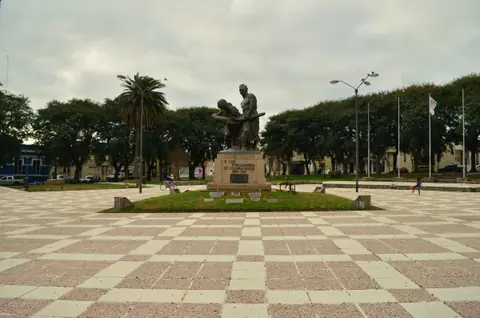
Colonia Suiza and Nueva Helvecia Artisan Cheese Route Guide
Colonia del Sacramento, Uruguay
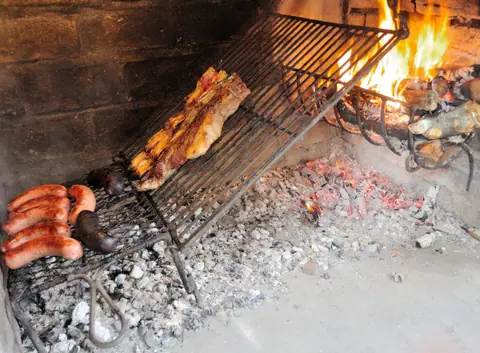
What to Eat in Colonia del Sacramento: Parrillada, Chivito and Queso Colonia
Colonia del Sacramento, Uruguay
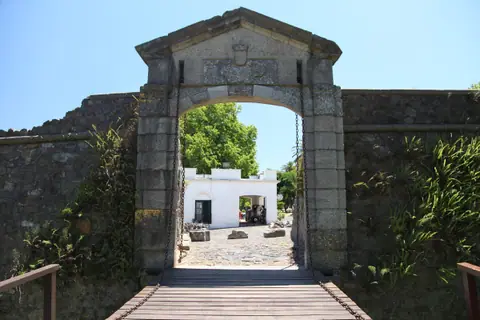
Colonia del Sacramento: Orientation, Quarters, and Transit
Colonia del Sacramento, Uruguay
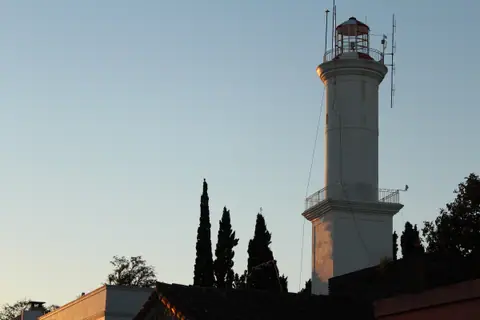
12 Best Things to Do in Colonia del Sacramento: Citadel, Riverfront Bastions and Country Wineries
Colonia del Sacramento, Uruguay
