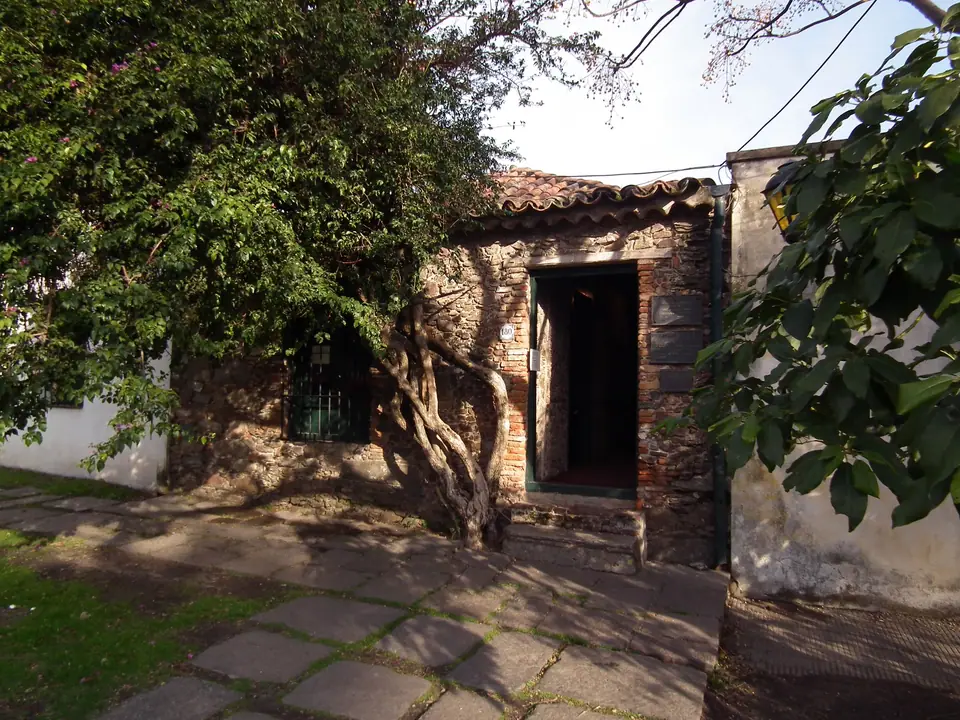
Colonia del Sacramento Museums Guide: Museo Portugués, Casa de Nacarello, Museo Español, and Museo del Azulejo
Navigate the municipal museums of Colonia del Sacramento with our complete guide to the combined ticket, Portuguese quarters, Spanish stone houses, and historic tile displays.
Within three blocks of Plaza Mayor 25 de Mayo stand the preserved domestic residences of the Sistema de Museos de Colonia del Sacramento. Rather than charging separate entrance fees at each historic threshold, the municipal authorities run a coordinated ticketing circuit. You purchase a single combined pass at the ticket desk of the Museo Municipal Doctor Bautista Rebuffo on Plaza Mayor. This central ticket grants access to the rotating cluster of restored colonial buildings scattered through the cobblestone streets.
Because staffing rotations and conservation works occasionally affect which domestic interiors open on a given weekday, consult the official municipal tourism portal to confirm the day's active buildings. Reviewing our Colonia del Sacramento Travel Guide helps orient you among these narrow residential blocks before you start walking.
The Portuguese Residences on Plaza Mayor: Museo Portugués and Casa de Nacarello
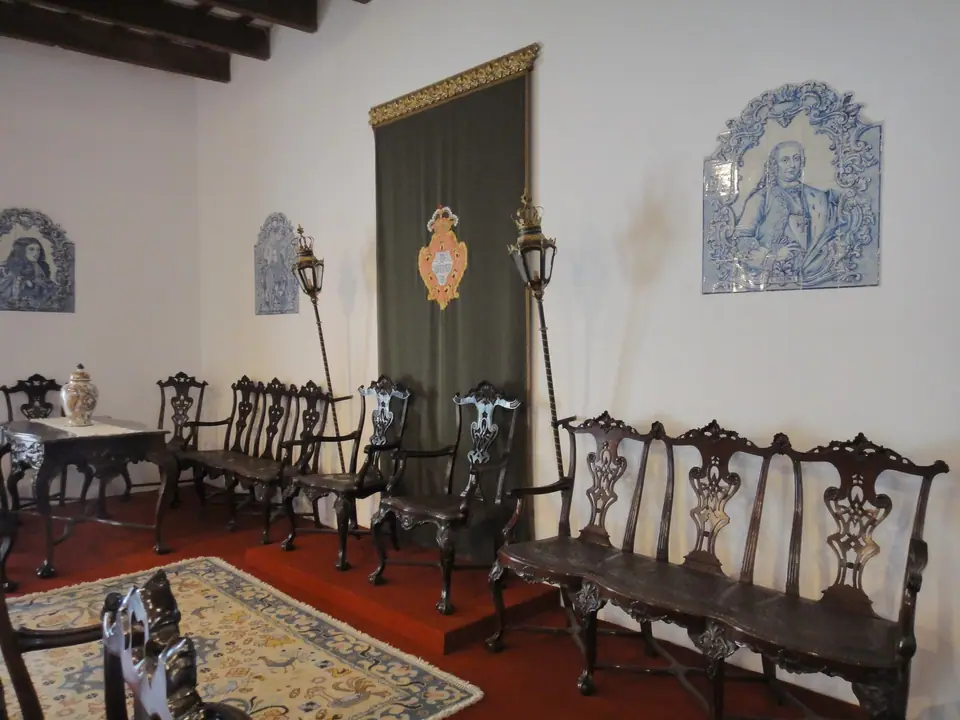
The core of Portuguese domestic architecture in the historic quarter faces the shaded perimeter of Plaza Mayor. The Museo Portugués occupies an early eighteenth-century family residence, constructed around 1720 and expanded during the nineteenth century. Inside, the house retains authentic heavy timber ceilings, original flagstone floors, and iron window grilles designed for frontier defence. Its exhibition rooms chronicle the protracted military and diplomatic struggle between Lisbon and Madrid from 1680 to 1777. Exhibits display replica uniforms of the Portuguese Dragões cavalry regiments, maritime navigation astrolabes, seventeenth-century regional maps, carved Portuguese royal coats of arms, and dark hardwood furniture crafted in Portuguese India and colonial Brazil.
Directly next door on Plaza Mayor stands the Casa de Nacarello. Built around 1750, this single-storey home displays a classic four-sloped Portuguese tiled roof and thick river-stone walls. The interior recreates the daily life of an eighteenth-century Portuguese captain and his family. Visitors walk directly onto original stone flooring to view low-lit domestic chambers, a family dining table, a recessed devotional prayer niche, and an authentic hearth kitchen complete with period cooking implements.
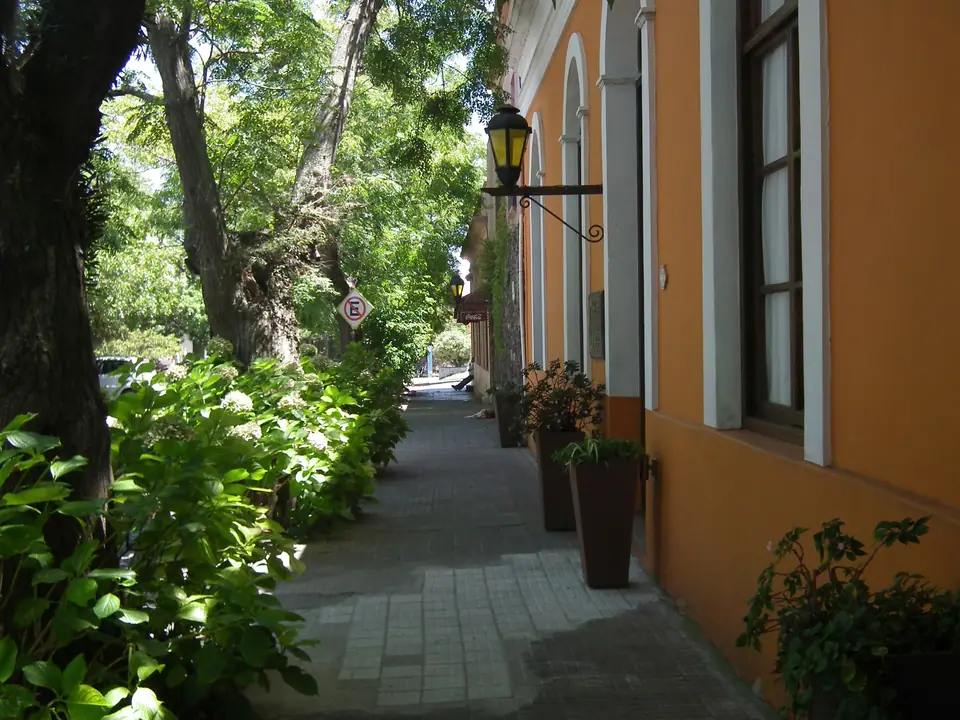
Museo Municipal Doctor Bautista Rebuffo and Museo Español
The municipal museum administrative centre occupies the Casa del Almirante Brown on Plaza Mayor. Irish-born Argentine naval officer Admiral William Brown lodged in this two-storey residence during the naval campaigns of 1826. The ground floor displays prehistoric megafauna fossils unearthed across Colonia Department, including massive Pleistocene Glyptodon carapaces. Adjoining halls house colonial iron cannons, official municipal archives, and stone hunting bolas used by indigenous Charrúa hunters.
Two streets north, at the intersection of Calle San José and Calle España, stands the Museo Español. This substantial two-storey eighteenth-century stone residence reflects northern Spanish masonry traditions, contrasting sharply with the single-storey Portuguese timber-frame structures nearby. The collection focuses on the administrative, ecclesiastical, and military presence of the Spanish Crown following the decisive 1777 Treaty of San Ildefonso. Within its whitewashed rooms, you will discover Spanish colonial religious carvings, hand-forged ironwork, military insignia, and archival land records documenting the final shift from Portuguese rule to the Viceroyalty of the Río de la Plata.
Museo del Azulejo on Calle Misiones de los Tapes
A short stroll toward the historic riverfront leads to the Museo del Azulejo, situated on Calle Misiones de los Tapes near the ancient ramparts. The building itself is an architectural curiosity: an intimate Portuguese stone cottage dating to roughly 1750. Its low eaves and exposed riverbed masonry provide an evocative setting for a specialized ceramic collection gathered from historic buildings throughout Uruguay.
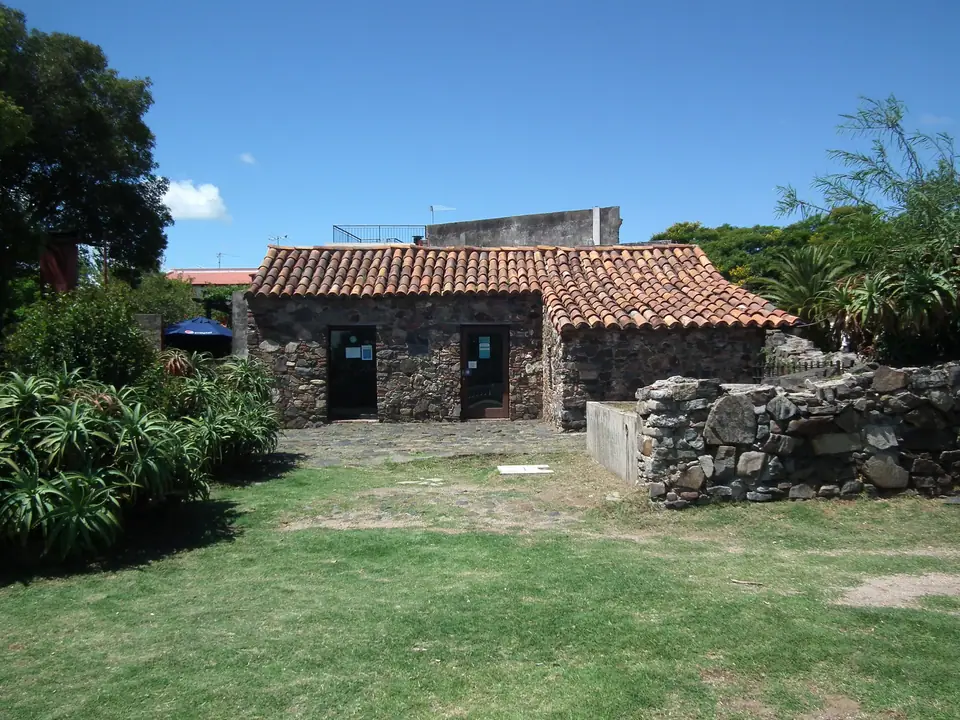
The museum preserves diverse decorative wall tiles imported during the eighteenth and nineteenth centuries. Glazed panels include French tin-glazed earthenware manufactured in Pas-de-Calais and Desvres, decorative polychrome tiles from Catalonia, geometric Neapolitan glazed squares, and nineteenth-century domestic tiles fired in early Uruguayan kilns. The exhibits reveal how trade networks along the Río de la Plata carried European decorative arts into remote military outposts. Pairing this visit with a stroll through our Barrio Histórico and Calle de los Suspiros route offers deep context on local architectural masonry.
Museum Circuit Features and Architectural Profiles
| Museum Name | Historic Building Style | Key Curatorial Highlights | Street Location |
|---|---|---|---|
| Museo Portugués | 1720 Portuguese stone residence | Cavalry uniforms, 1680 to 1777 maps, Luso-Brazilian furniture | Plaza Mayor 25 de Mayo |
| Casa de Nacarello | 1750 Portuguese single-storey cottage | Original stone floor, captain's kitchen, domestic prayer niche | Plaza Mayor 25 de Mayo |
| Museo Municipal Dr. Bautista Rebuffo | Two-storey 1826 Admiral Brown residence | Pleistocene Glyptodon fossils, colonial cannons, Charrúa bolas | Plaza Mayor 25 de Mayo |
| Museo Español | 18th-century northern Spanish stone house | Spanish viceregal documents, religious woodcarvings, ironwork | Calle San José and Calle España |
| Museo del Azulejo | Circa-1750 small Portuguese river cottage | French, Catalan, Neapolitan, and 19th-century Uruguayan tiles | Calle Misiones de los Tapes |
Practical Circuit Strategy and Seasonal Conditions
Exploring all four heritage houses requires between two and three hours of leisurely walking. The historic quarter features uneven colonial cobblestones, so choosing supportive footwear is essential. Because these thick stone structures lack modern climate control, indoor temperatures closely track ambient weather across the year.
Summer visitors between December and February face afternoon highs averaging 27°C to 28°C, with humid river air that makes indoor spaces warm by midday. In contrast, winter journeys during June and July bring daytime highs of 14°C to 15°C and overnight lows of 8°C to 9°C. Heavy stone walls retain dampness during wet winter periods, which average five to six precipitation days per month. Wearing light wool or windproof layers ensures comfort when moving between drafty historic chambers and open riverfront squares. For advice on handling seasonal shifts, consult our dedicated Best Time to Visit Colonia del Sacramento guide.
To maximise your ticket value, start at the central desk on Plaza Mayor early in the day. Verify which auxiliary houses are staffed for the afternoon, then map your walking route through the shady alleys accordingly. Completing the museum circuit provides the cultural background needed before continuing onward to the military bastions and coastal fortifications.
Where it is
- 1Colonia del Sacramento Museums
- Aeroparque Jorge Newbery (AEP) · about 52 km from here in a straight line
- Directions in Google Maps
Stations and taxi ranks: OpenStreetMap. Airports: OurAirports. Distances are in a straight line.
Traveller tips
Real advice from people who have been to Colonia del Sacramento. Every tip is read by our team before it goes live.
No tips yet. Been here? Yours could be the first.
Thank you! Your tip will appear here after a quick review.
More in Colonia del Sacramento
Continue exploring Colonia del Sacramento with related neighbourhood, food, and planning guides
12 Best Things to Do in Colonia del Sacramento: Citadel, Riverfront Bastions and Country Wineries
Colonia del Sacramento, Uruguay

How to Get to Colonia del Sacramento: Buenos Aires Fast Ferries and Montevideo Route 1 Coaches
Colonia del Sacramento, Uruguay
Best Time to Visit Colonia del Sacramento: Seasonal Weather, Wine Harvest and River Breezes
Colonia del Sacramento, Uruguay
What to Wear in Colonia del Sacramento: Footwear for 1680 Cobblestones and River Layers
Colonia del Sacramento, Uruguay
