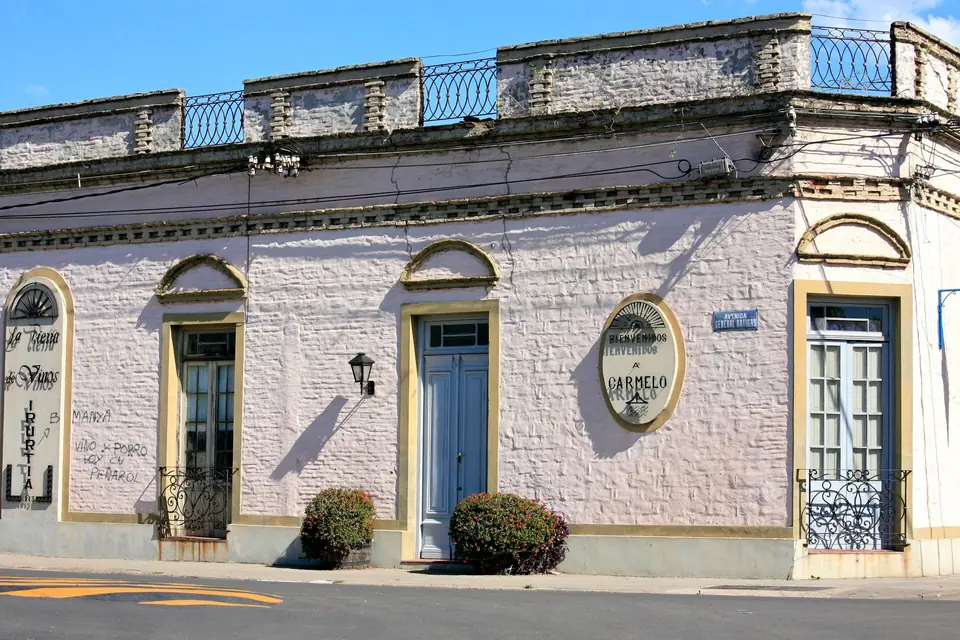
Carmelo Wineries, Calera de las Huérfanas and Narbona Day Trip
A complete day-trip route from Colonia del Sacramento to Carmelo: boutique Tannat wineries, 1741 Jesuit ruins at Calera de las Huérfanas, and Route 21 transit advice.
Seventy-five kilometres north-west of Colonia del Sacramento along Route 21, the peaceful riverside town of Carmelo anchors the premier boutique wine terroir of south-western Uruguay. General José Gervasio Artigas founded Carmelo on 12 February 1816 where the Arroyo de las Vacas meets the broad expanse of the Río de la Plata and the Río Uruguay. Calcareous clay soils, mild river breezes, and generous sunshine create ideal conditions for viticulture. The region has gained international recognition for deep Tannat and elegant Cabernet Franc, making it a natural country excursion to add to a wider 3 Days in Colonia del Sacramento itinerary.
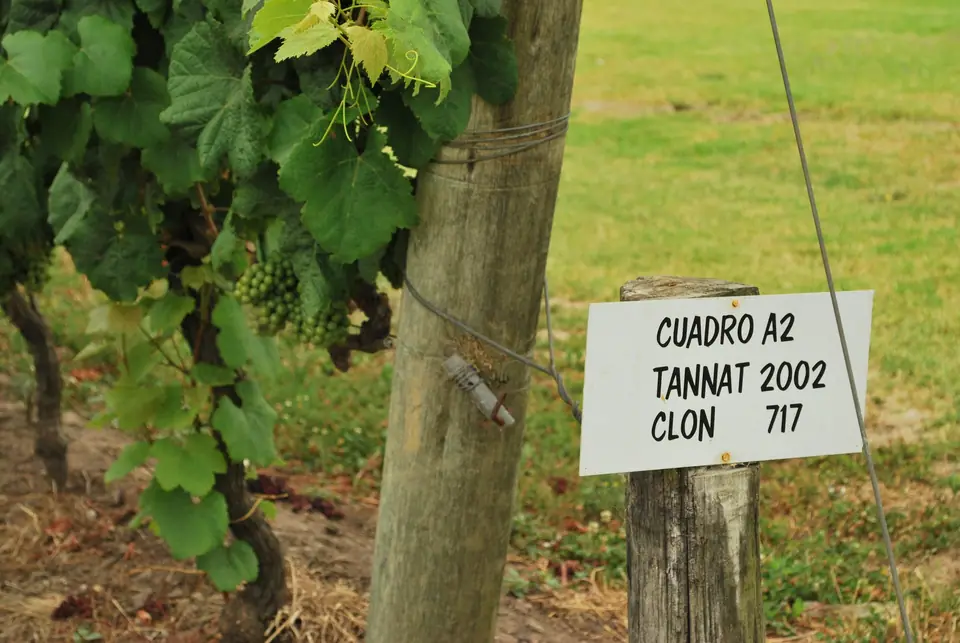
Carmelo Wine Route and Boutique Bodegas
The Carmelo wine district centres on intimate, family-run estates scattered across rural parishes like Colonia Estrella. Wine lovers can sample rich red blends directly inside barrel cellars or relax in sunlit vineyards surrounded by peaceful pastures. Unlike large industrial operations, these properties emphasise estate bottling, traditional viticulture, and warm hospitality.
- Bodega y Granja Narbona (Ruta 21, Kilometre 268): Juan de Narbona established this historic property in 1909. The estate features a restored brick general store (almacén de ramos generales), a historic cellar, and an operating dairy. Narbona crafts concentrated single-vineyard Tannat, Pinot Noir, and Viognier. Their kitchens pair these pours with house-made farmstead cheeses, artisanal yoghurt, and rich dulce de leche. Travelers who appreciate local dairy traditions should compare these varieties with the regional specialities detailed in our Colonia Suiza and Nueva Helvecia artisan cheese route.
- Bodega El Legado: Located in the quiet countryside of Colonia Estrella south of Narbona, this family estate tends vertical cordon-trained vines. The owners pour small-batch Reserva Tannat and Syrah directly amongst oak barrels, offering personal commentary on their small production volumes.
- CampoTinto: Situated near El Legado, this boutique vineyard surrounds a rustic country lodge. Visitors can cycle between the vine rows, sample fruit-forward Tannat and Cabernet Franc blends, and enjoy traditional outdoor vineyard lunches under shady pergolas.
- Bodega Cordano (Almacén de la Capilla): Italian immigrant Antonio Cordano founded this historic property in 1855 adjacent to the Capilla de San Roque. The rustic brick store and museum preserve nineteenth-century rural retail trade, pouring Tannat and local blends in a nostalgic setting.
- Familia Irurtia: Established in 1913, this venerable estate represents one of Carmelo's oldest commercial wineries. The property features expansive underground barrel cellars, extensive grape parcels, and guided tastings focused on structured reds.
Because these family bodegas manage boutique production, they do not accommodate spontaneous walk-ins for seated tastings or meals. Reserve cellar tours and dining slots in advance directly through official winery contact channels. For broader dining ideas featuring regional meats and country produce, consult our guide to what to eat in Colonia del Sacramento.
Jesuit Heritage at Calera de las Huérfanas
A few kilometres east of central Carmelo stands the historic archaeological site of Calera de las Huérfanas. Established in 1741 as a vast Jesuit estancia known as Estancia de las Vacas, the complex supplied quicklime and agricultural provisions to religious settlements across the Río de la Plata basin. The Jesuits constructed large limestone kilns, extensive livestock corrals, and an imposing brick chapel with thick masonry walls.
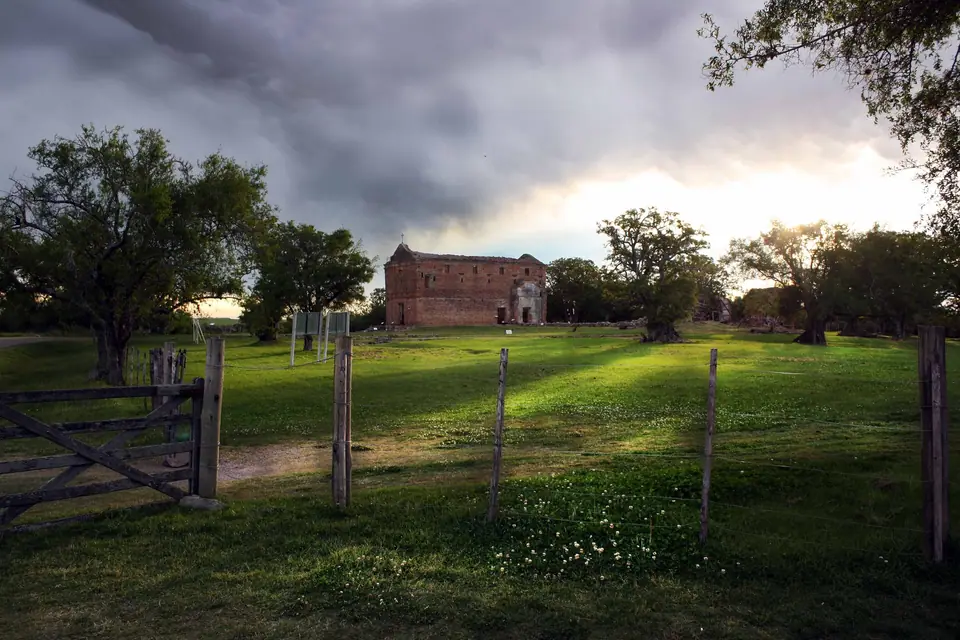
When the Spanish crown expelled the Jesuit order in 1767, the royal administration transferred the estate's revenues to support the Colegio de las Huérfanas in Buenos Aires, giving the site its modern name. Today, visitors can walk among the evocative stone foundations, the surviving chapel arches, and the circular lime kilns set against native ombú and eucalyptus trees. The peaceful grounds offer deep insight into colonial manufacturing methods predating Uruguayan independence. Interpretive signage outlines the layout of the workshops, slave quarters, and transport depots that once sustained this massive frontier enterprise.
Arroyo de las Vacas and the 1912 Human-Operated Swing Bridge
In Carmelo town itself, maritime heritage centres on the Arroyo de las Vacas harbour. The waterway shelters sailing yachts, wooden skiffs, and river cruisers travelling between Buenos Aires, the Paraná Delta, and coastal Uruguay. Carmelo's defining civic landmark is the Puente Giratorio, inaugurated in 1912 as the first human-operated swing bridge in South America.
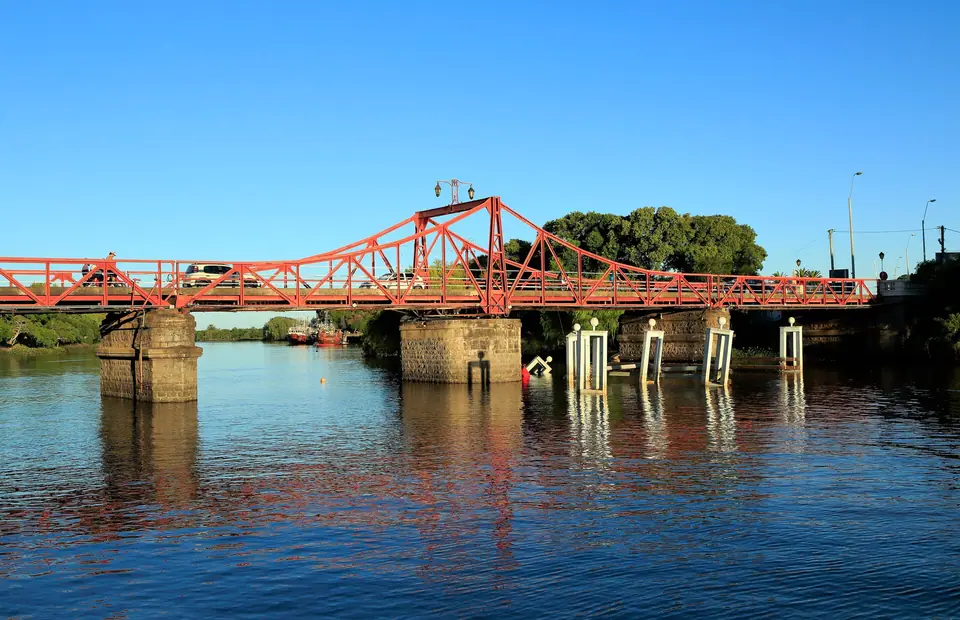
German engineers designed the riveted iron structure to connect the town centre with port docks and western river roads. When tall vessels need passage along the arroyo, operators manually turn a mechanical capstan gear system using hand cranks, swinging the central iron span ninety degrees. Watching the bridge rotate smoothly under human power remains one of the most delightful public spectacles in Colonia Department. A stroll along the waterfront promenade reveals quiet leafy plazas, riverside rowing clubs, and casual cafes overlooking the calm inlet.
Carmelo Wine and Heritage Excursion Planner
| Site Name | Historical Feature | Signature Focus | Location Details |
|---|---|---|---|
| Bodega y Granja Narbona | Restored 1909 brick general store | Single-vineyard Tannat and farm cheeses | Route 21, Kilometre 268 |
| Bodega El Legado | Family-owned parcel in Colonia Estrella | Cordon-trained Tannat and Syrah | Rural road, Colonia Estrella |
| Bodega Cordano | 1855 Almacén de la Capilla | Heritage red blends and period museum | Adjacent to Capilla de San Roque |
| Calera de las Huérfanas | 1741 Jesuit estancia and lime kilns | Limestone ruins and historic chapel | Off Route 21, Carmelo outskirts |
| Puente Giratorio | 1912 German-built swing bridge | Human-cranked iron rotation over water | Arroyo de las Vacas, central Carmelo |
Route 21 Transit and Logistics from Colonia del Sacramento
Reaching Carmelo from Colonia del Sacramento takes roughly one hour by private rental car or taxi along Route 21. The paved highway leads north-west across undulating pastures, passing small farming villages before reaching Carmelo's southern approach. Having private transport offers maximum flexibility for navigating rural gravel roads between Colonia Estrella bodegas and the ruins of Calera de las Huérfanas.
Intercity buses also link the Colonia del Sacramento terminal with the Carmelo bus station multiple times daily. Local taxis waiting at the Carmelo bus depot can shuttle travelers out to specific wineries, but you should arrange pick-up times beforehand due to limited mobile coverage in rural hollows. If you plan to taste robust Tannat at multiple cellars, hiring a dedicated local driver for the afternoon ensures safe travel between estates. Wine shipping regulations for returning ferry passengers vary by customs point, so verify current baggage allowances with your ferry line before purchasing multiple wooden cases.
Where it is
- 1Carmelo Wineries, Calera de las Huérfanas and Narbona Day Trip
- Aeroparque Jorge Newbery (AEP) · about 63 km from here in a straight line
- Directions in Google Maps
Stations and taxi ranks: OpenStreetMap. Airports: OurAirports. Distances are in a straight line.
Traveller tips
Real advice from people who have been to Colonia del Sacramento. Every tip is read by our team before it goes live.
No tips yet. Been here? Yours could be the first.
Thank you! Your tip will appear here after a quick review.
More in Colonia del Sacramento
Continue exploring Colonia del Sacramento with related neighbourhood, food, and planning guides
Colonia Lighthouse, Convento de San Francisco Ruins and Plaza Mayor Guide
Colonia del Sacramento, Uruguay
Basílica del Santísimo Sacramento and Waterfront Bastions Walk
Colonia del Sacramento, Uruguay
Colonia del Sacramento Museums Guide: Museo Portugués, Casa de Nacarello, Museo Español, and Museo del Azulejo
Colonia del Sacramento, Uruguay
Real de San Carlos and Plaza de Toros Guide: Neo-Mudéjar Bullring and Rambla Walk
Colonia del Sacramento, Uruguay
