3 Days in Cuenca Itinerary: Cathedrals, Artisan Villages and Andean Peaks
A detailed 3-day Cuenca itinerary linking UNESCO colonial architecture, Pumapungo Inca terraces, Azuay artisan craft valleys, and the páramo lakes of Parque Nacional Cajas.
Three days in Cuenca provide ample time to experience the stone heritage of the southern Ecuadorian Andes. Travellers can inspect colonial architecture, descend into Inca terraces, observe delicate metallurgy, and hike across windswept glacial basins without rushing between stops.
Cuenca Three-Day Transit and Geographical Overview
Cuenca sits at an elevation of 2,560 metres within an inter-Andean valley formed by four rivers. The historic core follows an orderly grid laid out according to the Spanish colonial Laws of the Indies. The northern district centres on Parque Calderón, while the southern margin drops steeply down the cobbles of El Barranco to the rushing waters of the Río Tomebamba. Moving between city sights is straightforward on foot or by boarding the electric tram. Excursions into the Azuay artisan valleys or Cajas National Park require regional buses or organised road transport.
| Itinerary Stage | Primary Focus | Key Transit Mode | Physical Environment |
|---|---|---|---|
| Day 1: Historic Core and Ruins | Cathedrals, religious art, and Inca stonework | Walking and optional tram rides | Urban cobblestones and riverbanks |
| Day 2: River Crafts and Artisan Basins | Weaving museums, silver filigree, and scenic overlooks | Walking and interprovincial road coaches | River promenades and rural craft villages |
| Day 3 Option A: Western Páramo | High-altitude glacial lakes and Polylepis groves | Highway E582 mountain transport | Subalpine moorland above 3,100 metres |
| Day 3 Option B: Northern Cañari Corridor | Imperial Inca architecture and sun worship sites | Interprovincial highway coaches | Dry mountain hillsides and farming valleys |
Day 1: Colonial Plazas, Monastic Sanctuaries and Ancient Pumapungo
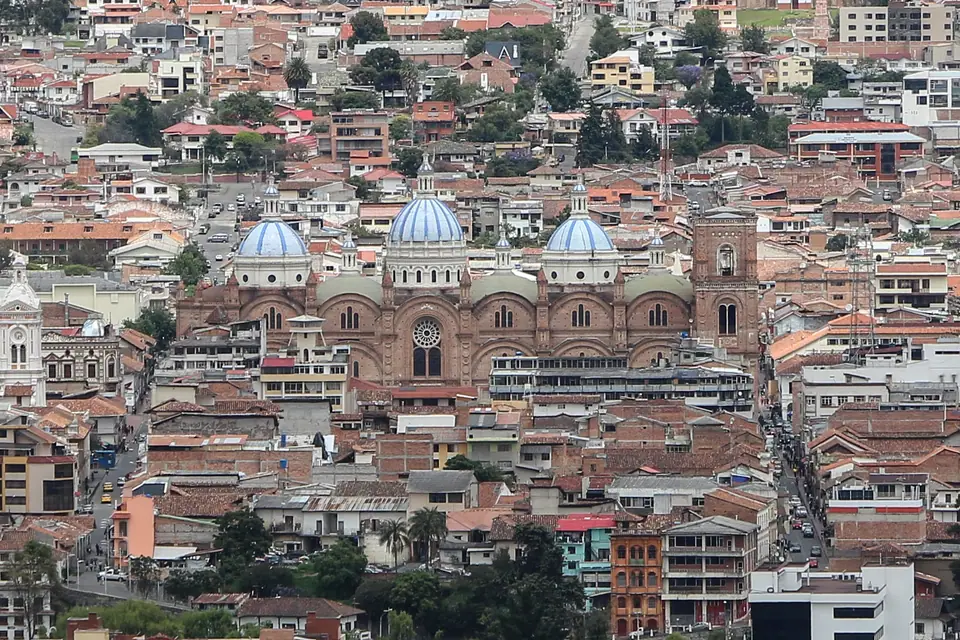
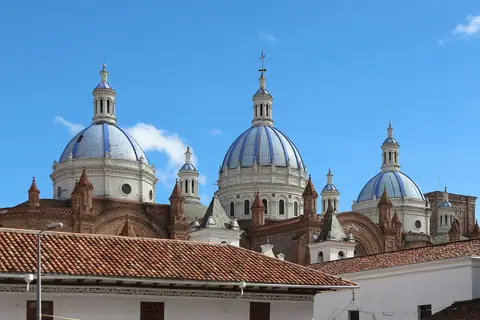
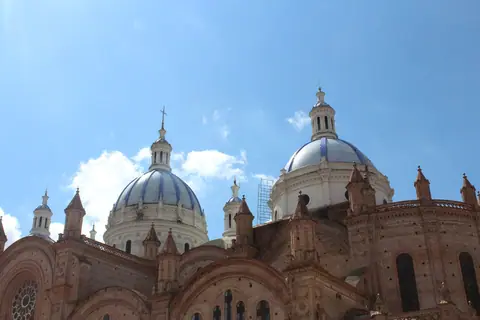
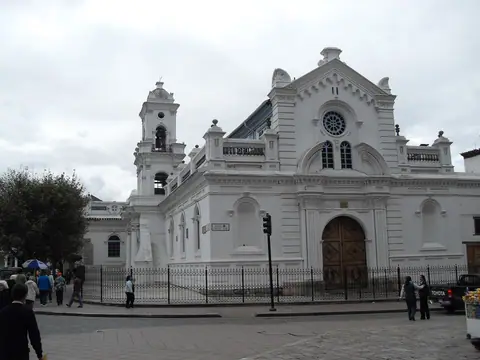
The journey commences in the geographic heart of the historic quarter at Parque Calderón. Travellers explore the whitewashed interiors of the 1557 Old Cathedral, which now houses an ecclesiastical museum detailing colonial civic design. Directly across the square stands the Cathedral of the Immaculate Conception, commonly known as the New Cathedral. Visitors step inside to view the carved gold-leaf baldachin over the high altar. An interior staircase composed of 155 spiral steps ascends to the open terrace, where panoramic platforms sit directly beneath the trio of blue glazed Czechoslovakian domes.
Exiting through the cathedral portals leads into the open courtyard of the Plaza de las Flores. Local vendors display fresh floral arrangements beneath the whitewashed walls of the Monasterio del Carmen. Thirsty walkers approach the convent turnstile to purchase bottles of herbal water prepared by the cloistered nuns using local flowers and medicinal plants. A brief walk southeast down the grid brings visitors to the Museo de las Conceptas, set inside an expansive convent structure dating from 1599. The galleries contain fine collections of colonial religious woodcarvings, paintings, and traditional silver processional figures.
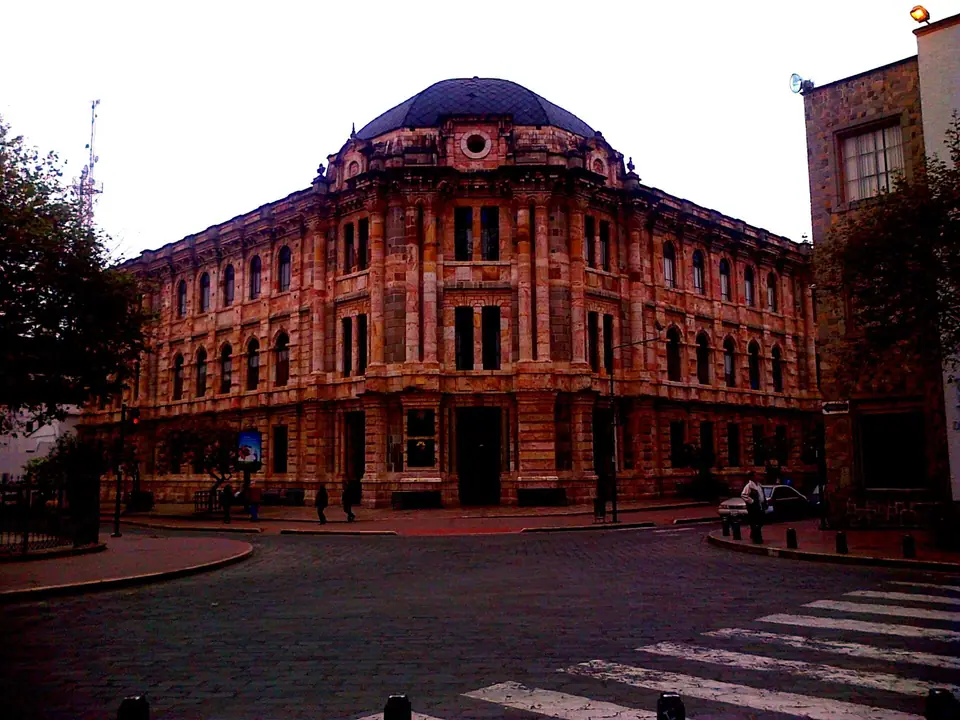
In the afternoon, the itinerary descends the stone staircases toward the waters of the Río Tomebamba. Travellers cross historic bridges and explore the grassy banks of El Barranco and Puente Roto. The walk continues eastward toward Museo Pumapungo. The indoor galleries display extensive ethnographic textiles and cultural artefacts from Indigenous nations across the Amazon and Andean highlands. Outside, stone agricultural terraces and sunken foundations demonstrate the former presence of the royal Incan administrative city of Tomebamba. A canal system feeds native plant plots, while an adjacent rescue sanctuary shelters Andean raptors.
Day 2: Toquilla Straw Workshops, Rural Silver Crafts and Turi Ridge
The morning of the second day concentrates on the living artisan traditions of the Tomebamba valley. Travellers visit a traditional workshop dedicated to Toquilla straw hats along the river promenade. Weavers demonstrate how dried palm fronds from the Pacific coast are hand-plaited into dense, lightweight weaves before undergoing wooden block pressing. A short walk along the river path leads to the Inter-American Centre of Popular Arts and Crafts, where exhibition halls preserve folk art, pottery, and ceremonial clothing from across Latin America.
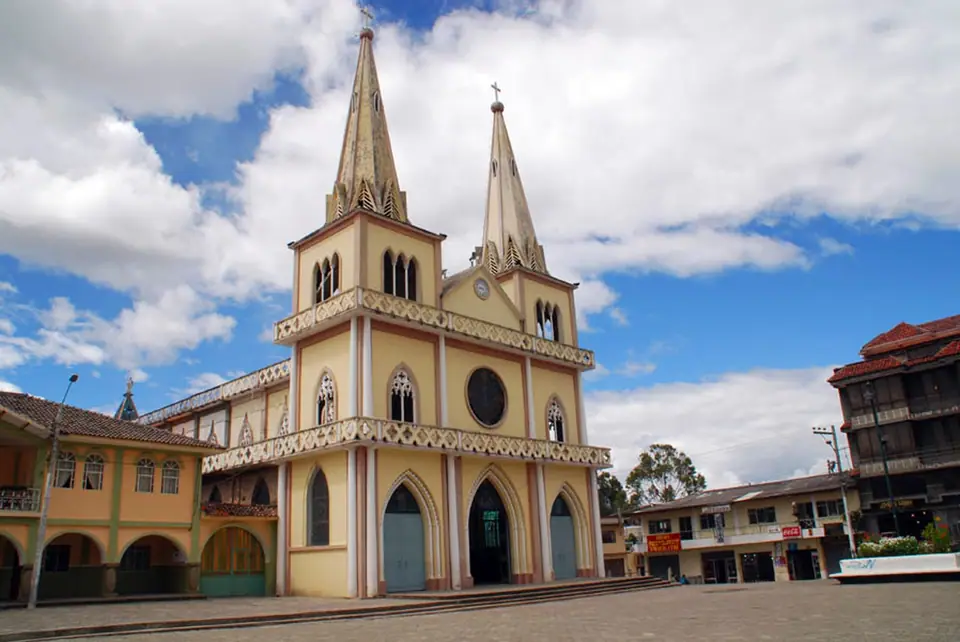
By midday, road transit carries travellers east into the rural craft communities of the Azuay highlands. The mountain town of Chordeleg centres around a stone square lined with metalworking studios. Artisans sit behind glass displays twisting fine strands of silver and gold into intricate filigree earrings, pendants, and ornamental brooches. Travellers can continue further down the valley to the riverside market town of Gualaceo, noted for backstrap-loom weaving and fresh produce halls. Those seeking thermal relaxation instead choose an alternative afternoon detour to the hot mineral pools of Baños de Cuenca.
Before night falls over the southern Andes, transport climbs the winding southern ridge to the Mirador de Turi. This elevated viewpoint affords clear sightlines across the entire urban basin. Travellers can observe the brick spires and blue domes rising above the sea of red clay roof tiles as twilight settles across the valley.
Day 3: Glacial Páramo in Cajas or Imperial Ruins at Ingapirca
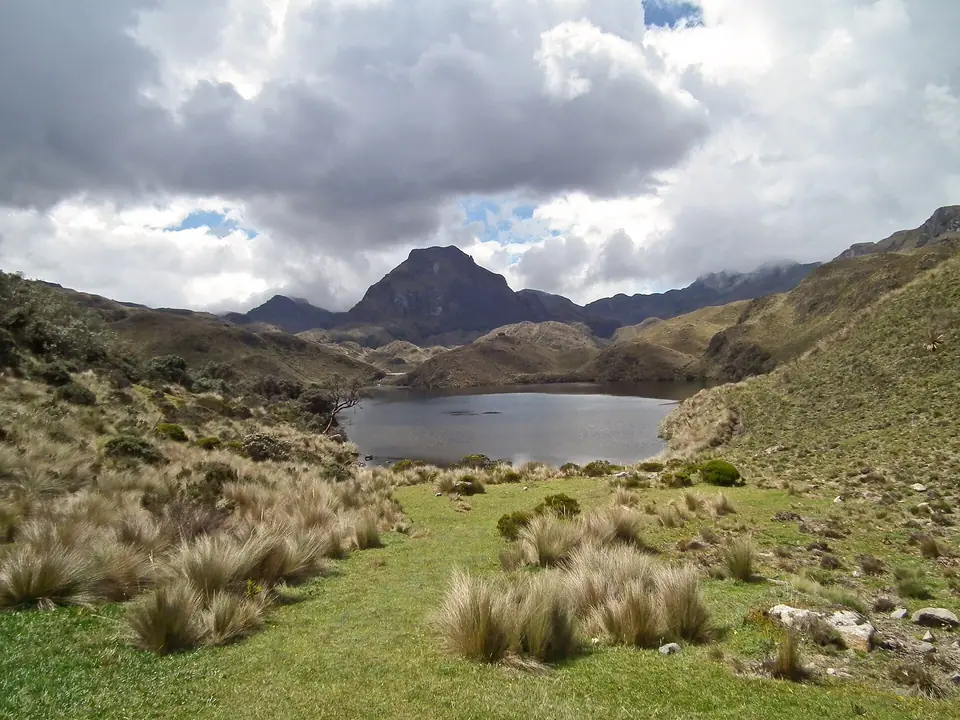
The final day presents two contrasting excursions into the dramatic landscapes surrounding Cuenca. The primary mountain itinerary travels west along Highway E582 into Parque Nacional Cajas. The road ascends sharply into a tundra landscape sculpted by ancient glaciers, containing hundreds of interconnected alpine tarns. Hikers begin at the lakeside path encircling Laguna Toreadora at nearly 3,900 metres elevation. The trail winds through spongy paramo cushions and enters sheltered stands of twisted paper-bark trees. Hardy adventurers continue uphill to the windy gap at Tres Cruces, where ancient trade routes historically linked the Andean spine with the coastal plains.
Travellers who prefer archaeological history rather than alpine hiking can select the northern route toward the provincial border to explore the ruins of Ingapirca. This location preserves the most complete Inca stone complex in Ecuador. The site features an elliptical Temple of the Sun built from polished green diorite blocks fitted together without mortar. Visitors wander past circular Cañari foundations, royal storehouses, and ceremonial carved boulders that predate the Inca northern conquests. This cultural landscape provides a memorable conclusion to three days spent exploring the historical crossroads of southern Ecuador.
Where it is
- 1Cuenca
- José Joaquín de Olmedo International Airport (GYE) · about 128 km from Cuenca in a straight line
- Directions in Google Maps
Stations and taxi ranks: OpenStreetMap. Airports: OurAirports. Distances are in a straight line.
Traveller tips
Real advice from people who have been to Cuenca. Every tip is read by our team before it goes live.
No tips yet. Been here? Yours could be the first.
Thank you! Your tip will appear here after a quick review.
More in Cuenca
Continue exploring Cuenca with related neighbourhood, food, and planning guides
Cuenca: Four Rivers, UNESCO Colonial Grid and El Barranco Layout
Cuenca, Ecuador
12 Best Things to Do in Cuenca: Cathedrals, Pumapungo and Andean Highlights
Cuenca, Ecuador
How to Get to Cuenca: Airport Transfers, Highway E582 and Tranvía
Cuenca, Ecuador
Best Time to Visit Cuenca: Eternal Andean Spring, Hiking Seasons and Cultural Fiestas
Cuenca, Ecuador
