Museo Pumapungo Inca Ruins and Museo de las Conceptas Guide
Discover the imperial Inca terraces at Pumapungo and centuries of religious art at Museo de las Conceptas with practical navigation advice for Cuenca.
Imperial Inca Tomebamba and the Pumapungo Archaeological Park
Before Spanish forces founded Cuenca in 1557, this fertile Andean river basin held Tomebamba, the monumental northern capital of the Inca Empire. Emperor Túpac Yupanqui founded the settlement in the late fifteenth century, and his son Huayna Cápac, who was born here, expanded the palace complex into an imperial administrative seat. Chronicler Pedro Cieza de León recorded that the polished masonry rivalled Cusco in civic grandeur. While dynastic warfare and colonial quarrying stripped the city of its dressed building blocks, essential royal foundations survive at the eastern boundary of Calle Larga inside the Museo y Parque Arqueológico Pumapungo.
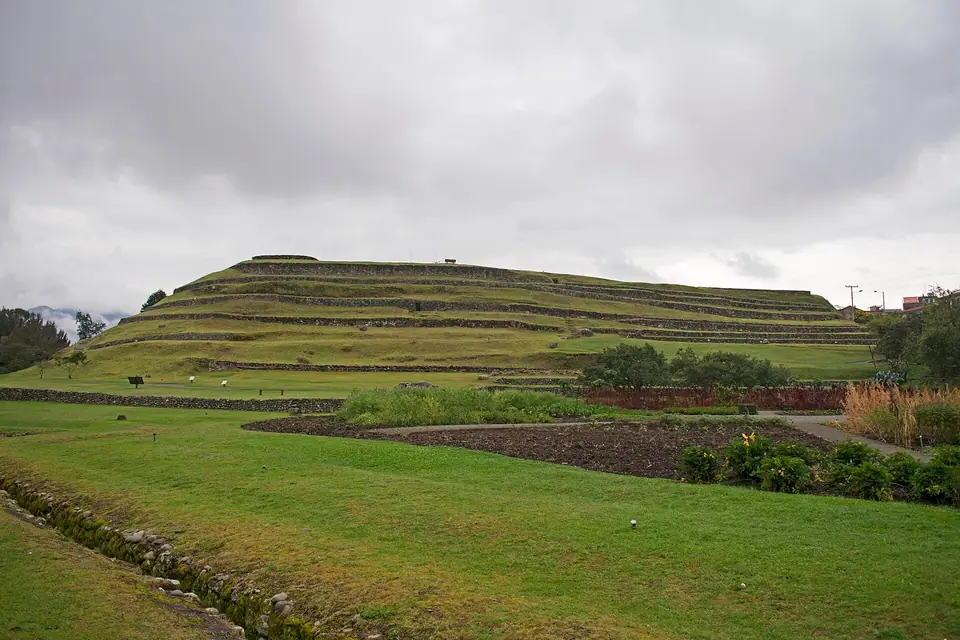
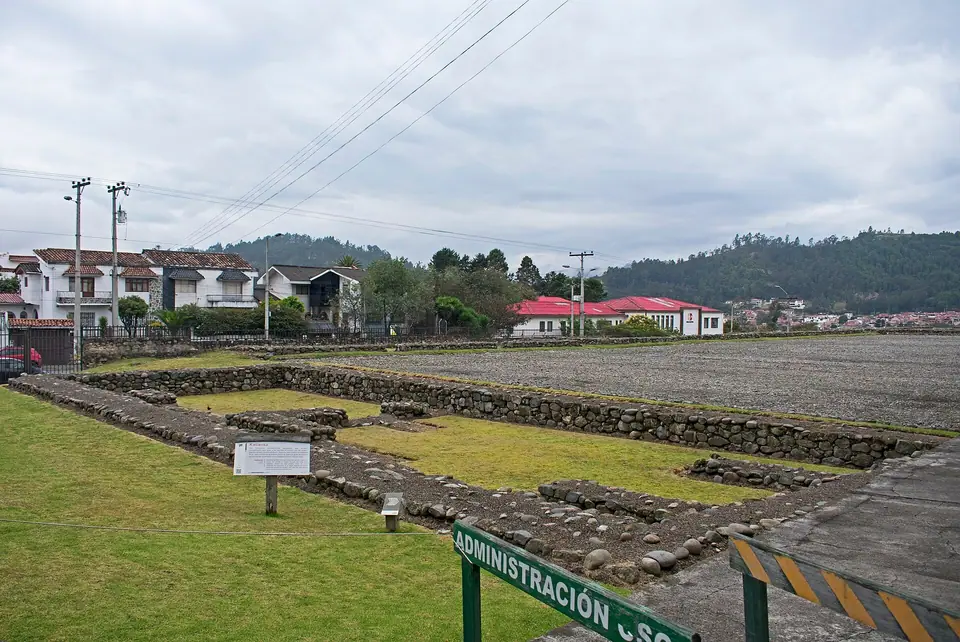
The archaeological park encompasses surviving stone terraces cut directly into the hillside above the Tomebamba river valley. Paved footpaths guide visitors through the structural footprints of the Coricancha, which served as the Temple of the Sun, and the walled enclosures of the Acllahuasi, the convent for the Chosen Women of the Sun. Visitors can trace an original Inca stone canal that once channeled irrigation water into ceremonial bathing chambers and a thirty-metre underground stone mausoleum tunnel. Exploring these ruins connects directly with the historic route detailed in our El Barranco, Río Tomebamba, Puente Roto and Calle Larga guide.
Ethnobotanical Terraces and Native Andean Bird Rescue
Below the stone platforms of the Acllahuasi, the lower grounds transition into an active ethnobotanical reserve. The park cultivates more than three hundred indigenous plant species across descending agricultural terraces. Traditional plots showcase heritage Andean crops including distinct varieties of maize, high-altitude quinoa, native tubers, medicinal herbs, and Andean fruit trees that sustained pre-Hispanic urban centres. Informational signage explains the agricultural cycles developed by Cañari and Inca cultivators who engineered local soils to thrive under variable mountain weather.
The lower reserve houses a wildlife rescue and rehabilitation centre dedicated to native avian fauna. The facility provides sanctuary for injured and confiscated birds, including Andean condors, harpy eagles, toucans, and scarlet macaws. The rehabilitation area operates under municipal conservation standards, preventing direct human contact while allowing quiet observation from perimeter footpaths. Visitors planning an extended stay can weave this natural heritage stop into our suggested 3 days in Cuenca itinerary.
National Ethnographic Galleries of Museo Pumapungo
Operated by the Ministry of Culture and the Central Bank of Ecuador, the modern museum building sits at the junction of Calle Larga and Avenida Huayna Cápac. Admission to the public galleries remains free of charge. The primary draw on the upper level is the National Ethnographic Exhibition, which organizes indigenous cultural traditions across Ecuador into three major geographic regions: the Pacific Coast, the Andean Highlands, and the Amazon Basin.
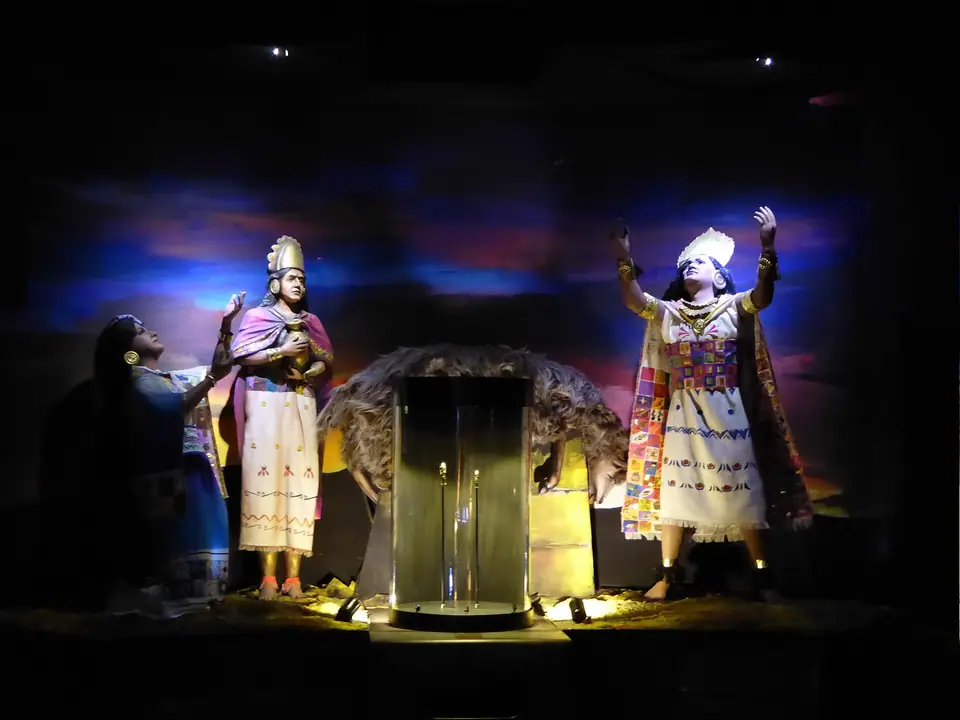
Curated dioramas, everyday implements, woven textiles, and ceremonial instruments illustrate the daily practices of diverse communities. Highlights include the highland regalia of Cañari, Otavalo, and Saraguro peoples, beside the intricate featherwork and shelter construction of Amazonian Waorani and Shuar groups. The hall preserves historical tsantsas (shrunken heads) beside clear contextual documentation on Shuar cosmology. Consult official Ministry of Culture channels for occasional holiday schedule adjustments before arriving.
Cloistered Heritage at Museo de las Conceptas
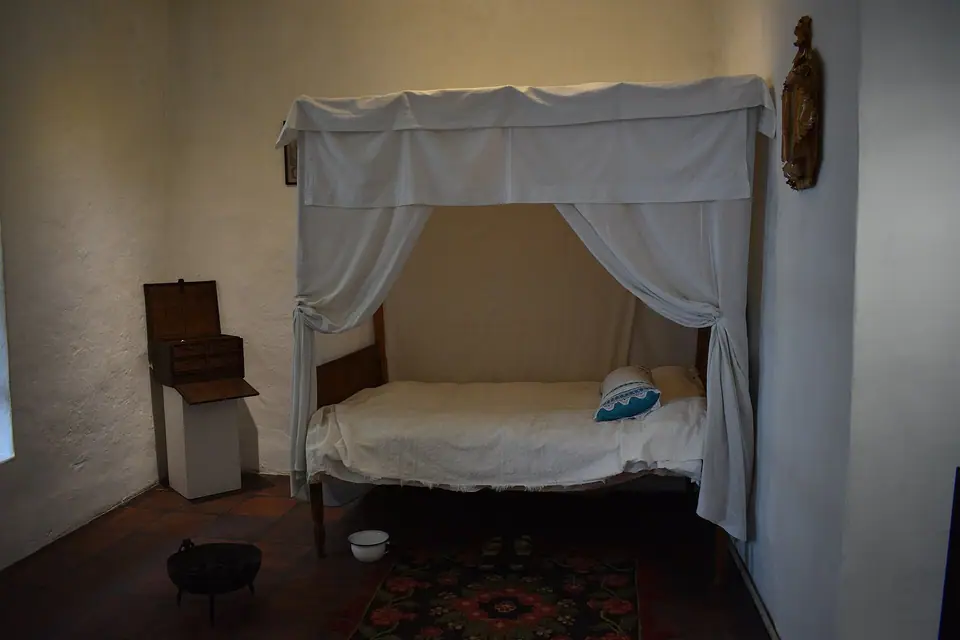
Situated in the historic core at Calle Hermano Miguel 6-33, the Museo de las Conceptas provides an architectural counterpoint to Pumapungo. The museum occupies the restored seventeenth-century infirmary of the Monasterio Real de la Inmaculada Concepción, an enclosed religious complex established in 1599. For four centuries, cloistered nuns lived separated from urban life behind these massive adobe walls, creating an introspective repository of colonial art and monastic routines. Visitors can pair this museum visit with the central monuments documented in our Parque Calderón, New Cathedral and Old Cathedral guide.
The quiet interior courtyards preserve tranquil brick cloisters, period medicinal gardens, and vaulted adobe rooms. The permanent collection displays religious paintings from the colonial Quito School, hand-carved wooden crucifixes, and silver liturgical vessels. A distinctive section exhibits antique juguetes, which are miniature toys, furnishings, and nativity figurines created by the nuns for ceremonial cycles. Because operating hours and modest admission charges support ongoing convent conservation, verify details directly at the entrance or via Cuenca tourism portals.
Comparative Matrix for Pumapungo and Conceptas
| Site Feature | Museo y Parque Arqueológico Pumapungo | Museo de las Conceptas |
|---|---|---|
| Primary Focus | Inca Tomebamba ruins, native ethnobotany, national ethnography | Colonial religious art, cloistered monastic life, antique miniatures |
| Location | Calle Larga and Avenida Huayna Cápac | Calle Hermano Miguel 6-33 |
| Key Highlights | Coricancha foundations, Inca canal, rescue aviary, shrunken heads | Infirmary cloisters, Quito School paintings, antique nativity toys |
| Physical Terrain | Steep outdoor stone terraces and indoor multi-level galleries | Flat stone courtyards and single-level restored convent rooms |
| Administrative Body | Ministry of Culture and Heritage of Ecuador | Monasterio de la Inmaculada Concepción Foundation |
Weather Strategy and Practical Site Navigation
Cuenca sits at roughly 2,560 metres elevation, where equatorial sunshine alternates rapidly with Andean rains. Long-term climate records show consistent daytime temperatures between 19°C and 22°C year-round, while night temperatures dip to 8°C in July and August. Rainfall peaks between February and May, with April recording 112 millimetres across sixteen wet days. The driest window extends from June to August, when August sees just 42 millimetres across six wet days.
Open terraces at Pumapungo offer minimal shade, exposing visitors to strong UV rays during clear mornings and slippery stone paths during afternoon showers. We recommend exploring the outdoor Inca ruins, gardens, and aviary early in the morning before any cloud build-up. If afternoon rains begin, retreat inside to the ethnographic galleries of Pumapungo or walk west into the historic core to tour the indoor cloisters of Museo de las Conceptas. Sturdy walking shoes with reliable grip are essential for navigating the steep archaeological terraces safely.
Where it is
- 1Museo Pumapungo Inca Ruins and Museo de las Conceptas
- José Joaquín de Olmedo International Airport (GYE) · about 129 km from here in a straight line
- Directions in Google Maps
Stations and taxi ranks: OpenStreetMap. Airports: OurAirports. Distances are in a straight line.
Traveller tips
Real advice from people who have been to Cuenca. Every tip is read by our team before it goes live.
No tips yet. Been here? Yours could be the first.
Thank you! Your tip will appear here after a quick review.
More in Cuenca
Continue exploring Cuenca with related neighbourhood, food, and planning guides
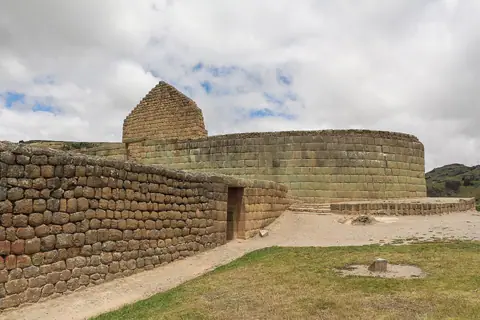
Ingapirca Inca Ruins Day Trip from Cuenca: Temple of the Sun and Cañari Heritage
Cuenca, Ecuador
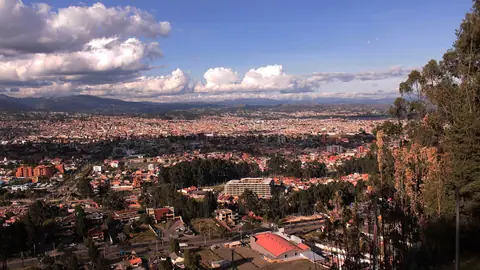
Gualaceo, Chordeleg Silver Filigree and Mirador de Turi Day Trips Guide
Cuenca, Ecuador
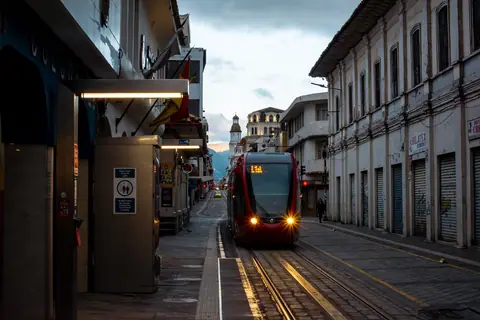
Cuenca Museums, Covered Markets and Tranvía Urban Transit Guide
Cuenca, Ecuador
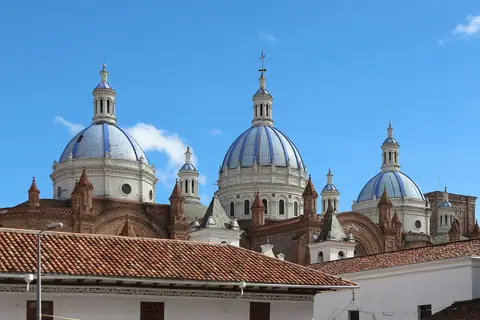
Cuenca: Four Rivers, UNESCO Colonial Grid and El Barranco Layout
Cuenca, Ecuador
