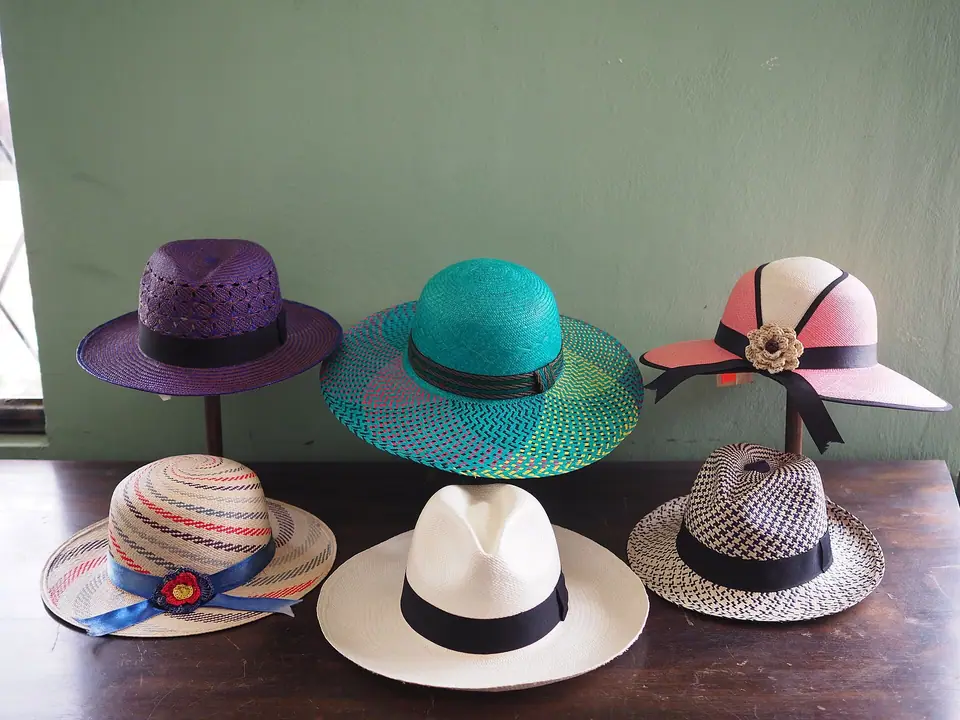
Toquilla Straw Hats in Cuenca: Panama Hat Museums, Finishing Workshops and Weaving Heritage
Master the craft of Ecuadorian toquilla straw hats in Cuenca. Learn the differences between weaving styles, tour historic workshops, and inspect authentic brim finishes.
One of the most persistent myths in global menswear is that the classic wide-brimmed straw hat originates from the Central American nation of Panama. In truth, every authentic sombrero de paja toquilla traces its lineage directly to Ecuador. The misleading moniker gained worldwide traction during the nineteenth-century California gold rush and the construction of the Panama Canal. Maritime prospectors and canal engineers purchased lightweight Ecuadorian straw headwear at transhipment hubs across the Isthmus of Panama. The name became fixed in international trade when United States President Theodore Roosevelt wore one during his 1906 canal inspection tour.
In December 2012, UNESCO formally inscribed the traditional weaving of the Ecuadorian toquilla straw hat on its Representative List of the Intangible Cultural Heritage of Humanity. While raw straw grows along coastal hills and rural artisans weave flexible hoods across southern Ecuador, Cuenca functions as the historic centre for washing, bleaching, blocking, shaping, and international export.
From Coastal Carludovica Palmata to Azuay Weaving Communities
The entire craft depends upon a unique botanical resource named Carludovica palmata, known locally as paja toquilla. This palm-like plant thrives in the humid coastal soils of Manabi and Santa Elena provinces. Harvesters carefully select unopened fan-shaped fronds from the base of the stalks. Rural processors split each tender leaf into slender ribbons, boil the strands in water vats, and hang them to dry into pale ivory straw. Bundles of this prepared coastal fiber then journey into the southern Andean highlands of Azuay and Canar provinces.
Rural artisans across the highland villages of Sigsig, Chordeleg, Gualaceo, and Biblian weave the raw fibres entirely by hand without mechanical looms. Weavers sit for hours bending over wooden stands, cross-weaving the crown, and expanding outward to form the brim. This phase produces a bell-shaped hood called a campana, framed by loose, unfinished straw fringes. While coastal weavers in Montecristi are renowned for producing fine parallel weaves called llano, highland artisans throughout Azuay specialize in a distinctive herringbone pattern known as the brisa or Cuenca weave. Travellers exploring nearby artisanal communities can combine weaving demonstrations with regional silver shopping using our Gualaceo, Chordeleg Silver Filigree and Mirador de Turi Day Trips Guide.
Cuenca Finishing Steps: Azocamiento, Blanqueo and Hot Iron Hormado
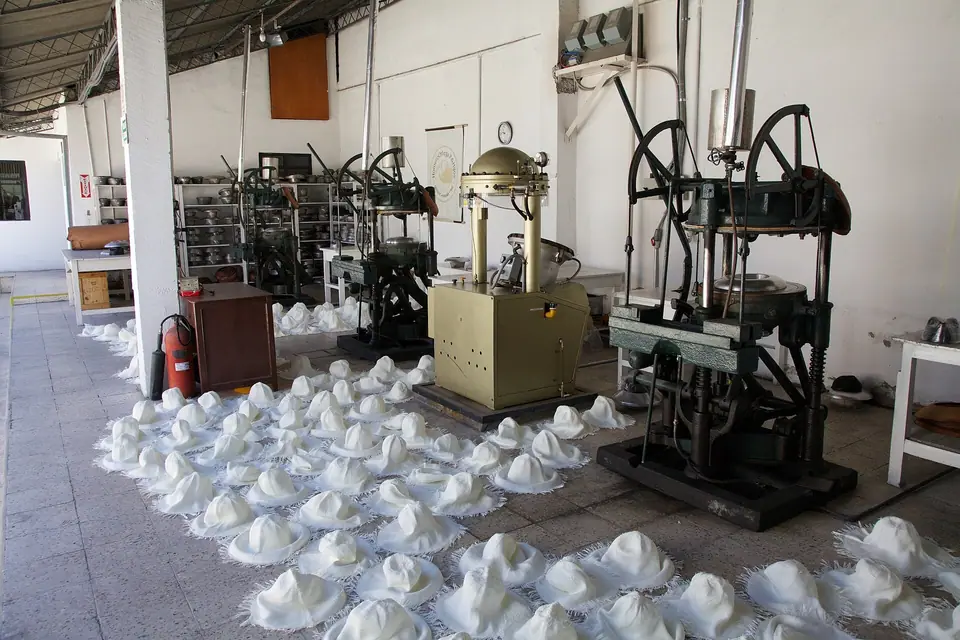
A raw campana is not wearable until it passes through specialized finishing workshops in urban Cuenca. Master craftsmen receive the raw bells from rural markets and initiate six complex transformation stages:
- El Azocamiento: Skilled artisans tighten the outermost rows of the brim, securing the raw edges so the weave never unravels.
- El Despaje: Trimmers use surgical razors to shave away loose straw ends and stray fibers protruding from the weave surface.
- El Lavado y Blanqueo: Workers wash the hoods in sulfur smoke or gentle bleaching baths to yield uniform cream tones, or immerse them in boiling organic dyes.
- El Maceteado: Craftsmen beat the damp hats repeatedly with heavy hardwood mallets on polished stones to soften the stiff fibers and eliminate weaving irregularities.
- El Hormado: Finishers press the pliable straw over heated metal forms or carved wooden blocks (hormas), steaming the crowns into sharp Fedora, Optimo, Plantation, or Gambler silhouettes.
- El Planchado y Acabado: Specialists iron the brim smooth, stitch internal leather or fabric sweatbands, and attach traditional grosgrain ribbon bands around the crown.
Historic Workshops and Panama Hat Museums in Cuenca
Visitors in Cuenca can observe the complete hat lifecycle within two prominent family-run institutions. The Museo del Sombrero de Paja Toquilla Paredes Roldan stands directly on Calle Larga, perched above the Tomebamba riverbank. Within this multi-level historic estate, guests walk directly past open working benches where master shapers steam hoods over carved timber blocks. The upper terrace provides commanding views over the rushing river and riverside architecture, which you can explore in detail via our El Barranco, Rio Tomebamba, Puente Roto and Calle Larga Guide.
North of the historic core near the bus terminal area, the Homero Ortega Hat Museum documents five generations of continuous family production. Homero Ortega is one of Ecuador's earliest commercial exporters of toquilla straw hats. Their museum galleries guide visitors through historic photography archives, vintage blocking presses, and live demonstration halls showing raw fiber grading, dye vats, and mechanized brim-sewing tables.
Evaluating Hat Quality: Weave Density, Flexibility and Origin Marks
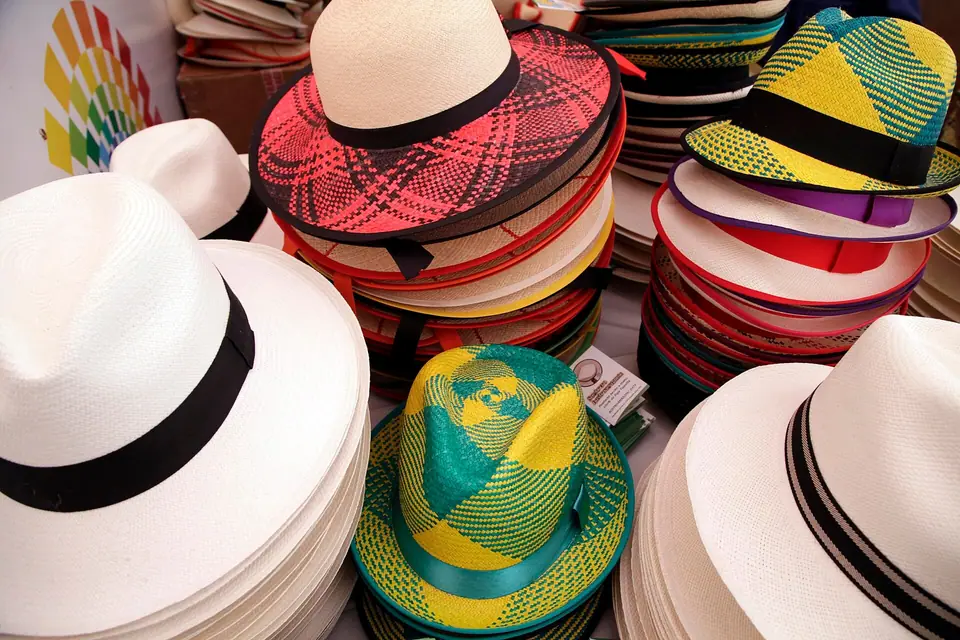
Pricing and quality vary substantially across retail showrooms in Cuenca. The primary determinant of value is weave density, measured by the number of woven knots per linear inch. Finer threads require weeks or months of labor, yielding higher grades that feel like pliable linen cloth.
| Quality Grade | Weave Style | Weaving Duration | Structural Texture |
|---|---|---|---|
| Standard Cuenca | Brisa (Herringbone) | 2 to 4 days | Crisp straw with visible diamond-like intersections |
| Fino High Grade | Tight Brisa or Cuenca | 1 to 3 weeks | Smooth surface, supple brim, moderate rollability |
| Superfino / Extra | Micro Brisa or Llano | 1 to 3 months | Silky and flexible, dense straw count, featherweight feel |
| Montecristi Heritage | Fine Llano (Parallel) | 3 to 6 months | Cream-colored, textile-like softness, museum collection quality |
To verify authenticity, inspect the center of the crown. A genuine handwoven toquilla hat starts with an identifiable central rosette where weaving begins, not an artificial stitched spiral. For broader historical context and regional heritage displays across town, consult our comprehensive Cuenca Museums, Covered Markets and Tranvía Urban Transit Guide.
Seasonal Weather Considerations and Packing Strategies
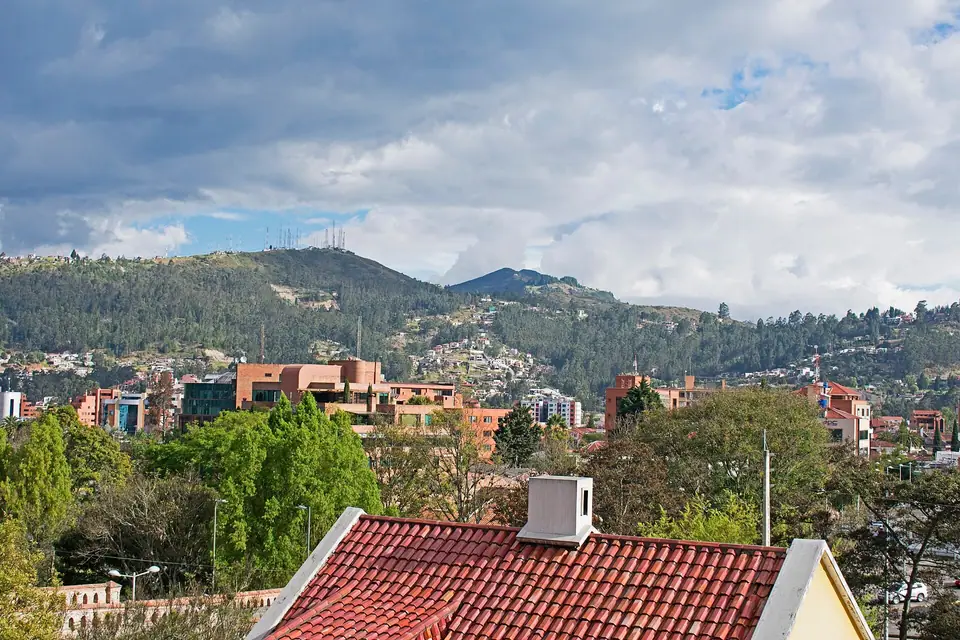
Cuenca sits at 2,560 metres elevation, where high-altitude Andean ultraviolet radiation remains intense year-round. According to Open-Meteo climate records between 2015 and 2024, Cuenca enjoys stable daytime warmth with daytime highs reaching 21°C to 22°C across every month. Nighttime lows hover between 8°C and 11°C. Rainfall concentrates from March through May, peaking in April with 112mm over 16 wet days, whereas July and August deliver dry conditions with 42mm to 49mm across 6 to 7 wet days.
A wide-brimmed toquilla hat provides vital UV defense during midday walking tours. Never crush a Cuenca-grade hat into tight luggage unless the manufacturer explicitly certifies that particular model as a rollable travel grade. Even rollable models should not remain folded for more than forty-eight hours, or the straw fibers may crease permanently. When flying home, wear the hat through transit or carry it inside a rigid cardboard hat box purchased directly from the workshop counter.
Where it is
- 1Toquilla Straw Hats in Cuenca
- José Joaquín de Olmedo International Airport (GYE) · about 128 km from here in a straight line
- Directions in Google Maps
Stations and taxi ranks: OpenStreetMap. Airports: OurAirports. Distances are in a straight line.
Traveller tips
Real advice from people who have been to Cuenca. Every tip is read by our team before it goes live.
No tips yet. Been here? Yours could be the first.
Thank you! Your tip will appear here after a quick review.
More in Cuenca
Continue exploring Cuenca with related neighbourhood, food, and planning guides
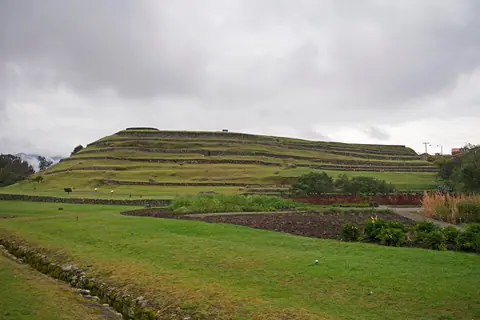
Museo Pumapungo Inca Ruins and Museo de las Conceptas Guide
Cuenca, Ecuador
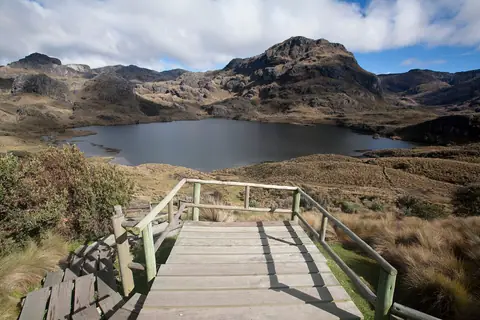
Parque Nacional Cajas Day Trip: Glacial Lakes and Polylepis Forests
Cuenca, Ecuador
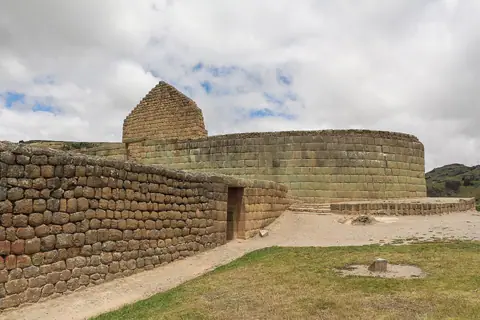
Ingapirca Inca Ruins Day Trip from Cuenca: Temple of the Sun and Cañari Heritage
Cuenca, Ecuador

Gualaceo, Chordeleg Silver Filigree and Mirador de Turi Day Trips Guide
Cuenca, Ecuador
