What to Eat in Cuenca: Mote Pillo, Chancho Hornado, Locro de Papas and Convent Sweets
Master the Andean culinary heritage of Cuenca, from hominy corn specialities and market-roasted pork to monastic herbal drinks and potato soups.
In the southern Andean highlands of Azuay Province, local culinary identity centres firmly on mote. This giant white hominy corn is soaked and boiled in wood-ash water until the skins slip away, yielding tender, starchy kernels. Cuencanos, affectionately called morlacos, incorporate this ancient staple into morning skillets, hearty soups, and festive banquets. Beyond maize, the regional kitchen draws on native highland potatoes, wood-roasted meats, and centuries-old convent baking traditions developed in the cloistered courtyards of the historic centre.
The Holy Trinity of Azuay Hominy: Mote Pillo, Mote Sucio and Mote Pata
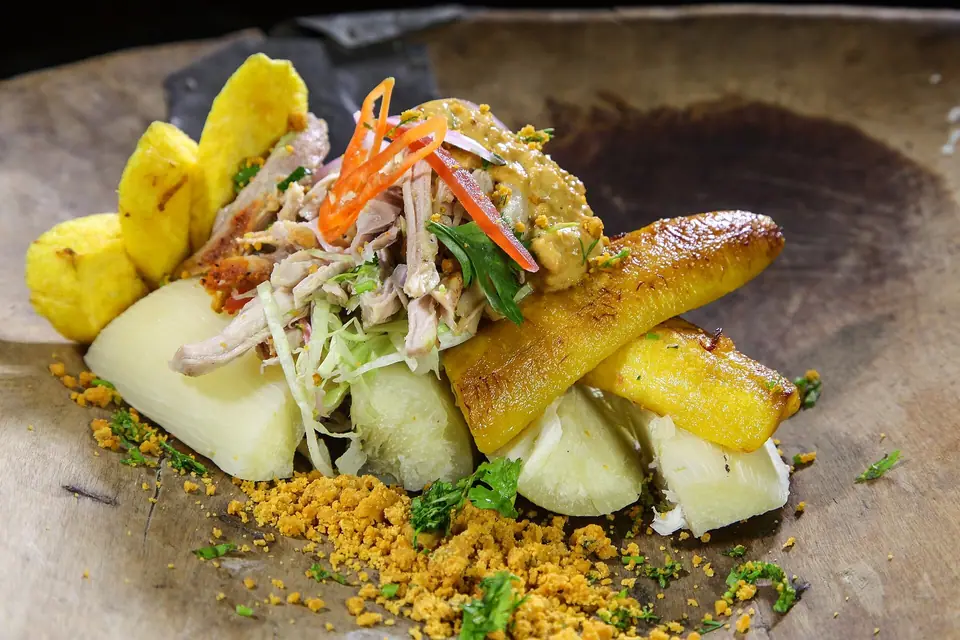
To understand the daily rhythms of Cuenca, one must begin with hominy corn. Each preparation uses a distinct technique to transform boiled maize into comfort food:
- Mote Pillo: Fluffy hominy kernels are warmed in a pan with butter, milk, scallions, garlic, and bright orange annatto (achiote). Fresh farm cheese and eggs are folded through over gentle heat until creamy. This golden preparation remains the quintessential breakfast in the city, often eaten with black coffee and a grilled pork cutlet.
- Mote Sucio: Translated literally as dirty hominy, this dish tosses warm maize directly into mapahuira. These rich, dark pork drippings and crispy bits settle at the bottom of lard caldrons during meat roasting. The smoky fat coats each kernel, creating an intense savoury accompaniment for roast pork.
- Mote Pata: During the damp Carnival season in February and March, family cooks prepare this dense celebratory soup. Broth simmered with pork shoulder, bacon, and sausage is thickened with pepucho, a paste made from toasted, ground pumpkin seeds. Generous ladles of hominy finish the bowl, providing sustained energy against cool mountain air.
Market Chancho Hornado and Avenida Don Bosco Cuy Asado
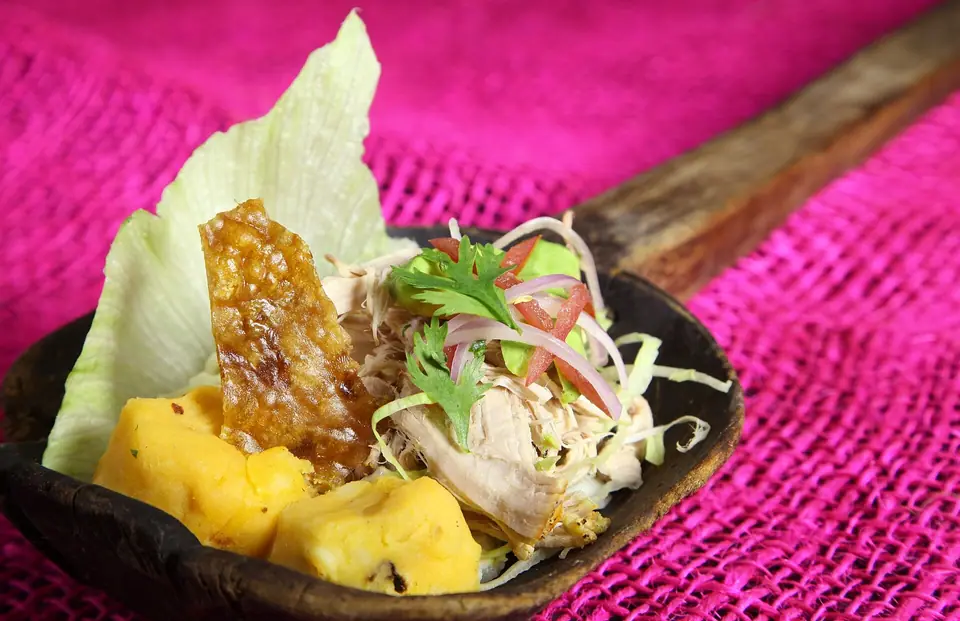
Whole roasted meats anchor public feasts across the city. When planning lunch during a morning walking tour from Parque Calderón, New Cathedral Blue Domes, Old Cathedral & Plaza de las Flores Guide, head directly to the municipal food halls. At Mercado 10 de Agosto on Calle Larga and Mercado 9 de Octubre, vendors proudly display whole pigs (chancho hornado). These pigs roast slowly in clay ovens after marinating in garlic, cumin, and chicha.
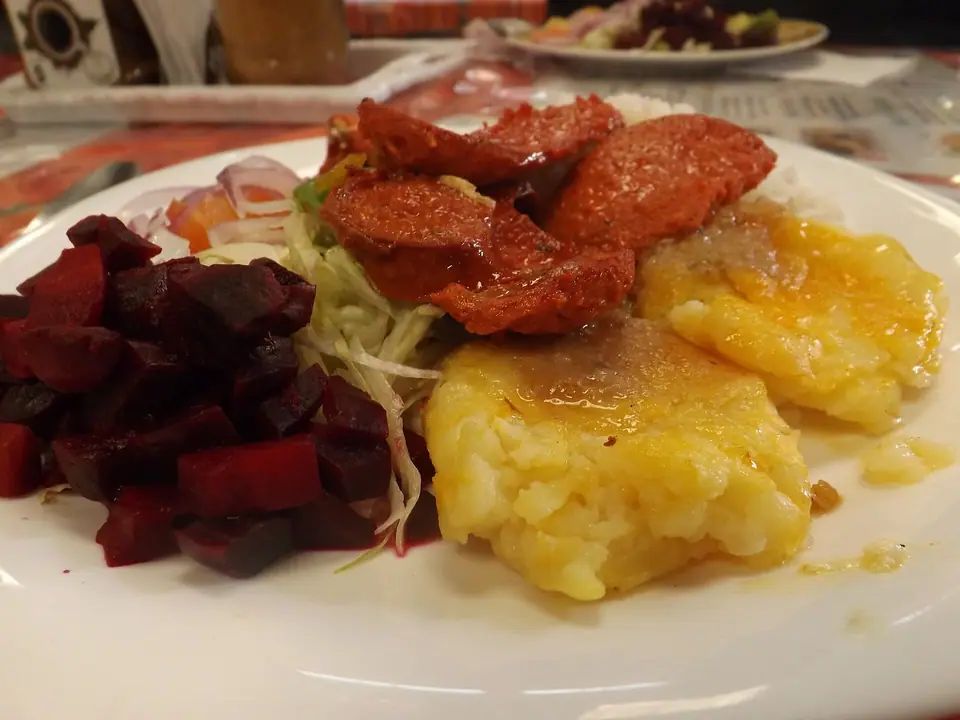
Pork vendors carve tender meat to order, topping each plate with a strip of amber crackling (cuero reventado). Every serving includes warm mote, crisp griddled potato-and-cheese patties called llapingachos, and a tart relish of pickled red onions and tomatoes known as encurtido. Add a spoonful of spicy tree-tomato hot sauce (ají de tomate de árbol) to cut through the rich rendered fat.
For visitors exploring traditional cooking, whole spit-roasted guinea pig (cuy asado) is the pre-eminent highland celebration dish. Skewered on wooden poles over hot charcoal embers along Avenida Don Bosco, the meat is basted repeatedly with annatto lard until the skin turns blistered and crisp. Servers portion the succulent meat with toasted hominy, boiled potatoes, and a rich peanut sauce.
Andean Comfort Broths: Locro de Papas and Tamales Cuencanos
Highland rain and brisk afternoon cloud cover make Cuenca an exceptional city for restorative soups. Open-Meteo figures show rainfall peaks in April with 112 millimetres across 16 wet days, while July and August stay drier with around 42 to 49 millimetres. Evenings regularly drop to between 8°C and 11°C throughout the entire year, creating natural demand for hot earthenware bowls.
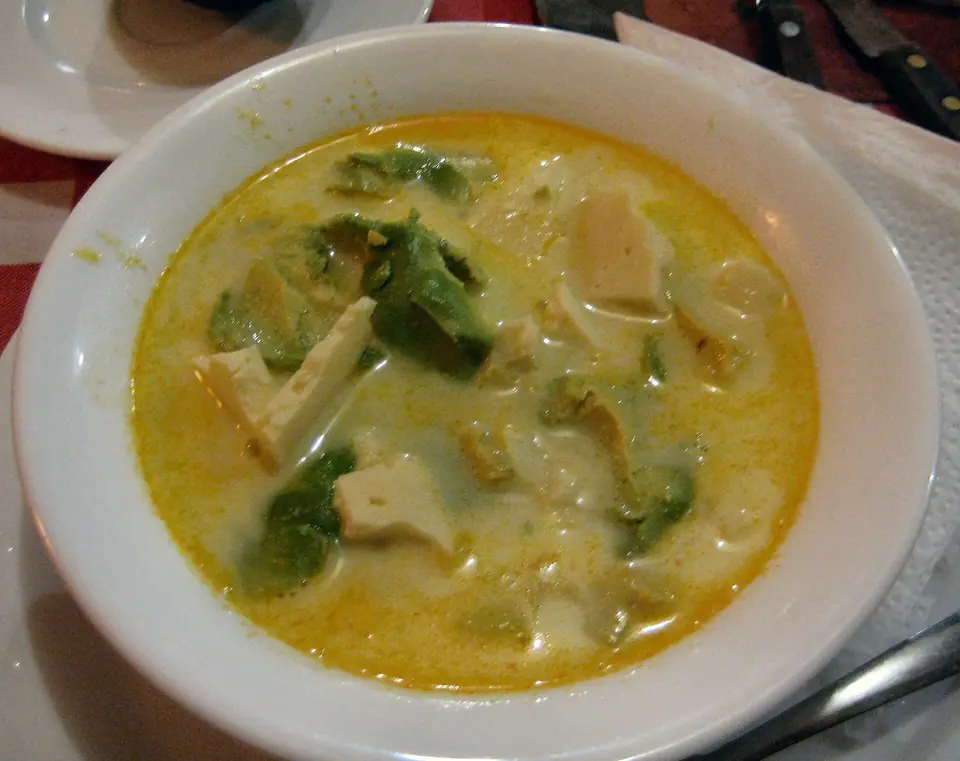
Locro de Papas is Ecuador's classic potato chowder. Cooks gently simmer native starchy potatoes with milk, butter, and garlic until the tubers break down into a velvety broth. Chunks of firm waxy potato remain intact for texture. Just before serving, fresh white cheese (quesillo) melts into the soup. Each bowl is presented with ripe avocado slices and a dash of hot ají.
Unlike coastal varieties, Tamales Cuencanos feature tender yellow maize flour enriched with lard and broth. Cooks stuff the dough with braised chicken or seasoned pork, hard-boiled egg quarters, raisins, and peas. The package is folded securely into broad green achira leaves rather than corn husks and steamed until fragrant. They pair perfectly with afternoon coffee while wandering along El Barranco, Río Tomebamba, Puente Roto and Calle Larga Guide.
Convent Sweets and Monastic Agua de Pitimas
Cuenca preserves cloistered monastic recipes that have remained unchanged since colonial rule. At the turnstile window beside the Monasterio del Carmen de la Asunción on Plaza de las Flores, visitors can purchase Agua de Pitimas. The cloistered Carmelita nuns brew this deep pink herbal infusion from roses, carnations, violets, valerian, and wild mountain herbs grown in convent gardens. It is lightly sweetened and served cold as a digestive tonic.
For dessert, look for Dulce de Higos con Queso. Whole green figs are slit, soaked in fresh water for several days to release bitter sap, and gently simmered in dark spiced cane syrup (panela) with cinnamon and cloves. The glistening, tender fruit is served beside a thick slice of salty, unpasteurised highland cheese to balance the intense sweetness.
Essential Cuenca Dishes and Where to Sample Them
| Dish or Beverage | Core Ingredients | Typical Serving Setting | Flavour Profile |
|---|---|---|---|
| Mote Pillo | Hominy corn, eggs, fresh cheese, scallions, milk, annatto | Breakfast counters, traditional family restaurants | Creamy, buttery, mildly savoury |
| Chancho Hornado | Slow-roasted pig, llapingachos, mote, pickled onion salad | Mercado 10 de Agosto, Mercado 9 de Octubre | Smoky, garlicky, crisp skin with tart acidity |
| Locro de Papas | Andean potatoes, milk, quesillo cheese, avocado, ají | Traditional lunch menus, highland taverns | Rich, velvety, comforting dairy warmth |
| Agua de Pitimas | Floral petals, valerian, aromatic herbs, light panela | Monasterio del Carmen de la Asunción window | Refreshing, delicate floral perfume |
| Dulce de Higos | Candied whole figs, panela cane syrup, fresh white cheese | Afternoon tea salons, heritage dessert shops | Deep spiced caramel balanced by salty cheese |
Market Etiquette and Highland Dining Considerations
When eating inside public markets, vendor competition is lively. Ladies running hornado stalls will often extend a small taste of tender meat wrapped in crackling directly to prospective diners on small wooden sticks. Accepting a sample is polite and does not obligate you to buy, but choosing a stall with steady local turnover ensures the freshest pork and hottest potato cakes.
Payment at market stalls and convent counters is handled exclusively in physical cash. Vendors frequently lack change for large bank notes, so carry small paper bills and coins. Operating hours and holiday schedules can vary by religious feast day, so check official municipal notice boards or operator channels before setting out for early morning or Sunday feasts.
Where it is
- 1Cuenca
- José Joaquín de Olmedo International Airport (GYE) · about 128 km from Cuenca in a straight line
- Directions in Google Maps
Stations and taxi ranks: OpenStreetMap. Airports: OurAirports. Distances are in a straight line.
Traveller tips
Real advice from people who have been to Cuenca. Every tip is read by our team before it goes live.
No tips yet. Been here? Yours could be the first.
Thank you! Your tip will appear here after a quick review.
More in Cuenca
Continue exploring Cuenca with related neighbourhood, food, and planning guides
Best Time to Visit Cuenca: Eternal Andean Spring, Hiking Seasons and Cultural Fiestas
Cuenca, Ecuador
Where to Stay in Cuenca: Centro Histórico, El Barranco and El Ejido
Cuenca, Ecuador
3 Days in Cuenca Itinerary: Cathedrals, Artisan Villages and Andean Peaks
Cuenca, Ecuador
Parque Calderón, New Cathedral Blue Domes, Old Cathedral & Plaza de las Flores Guide
Cuenca, Ecuador
