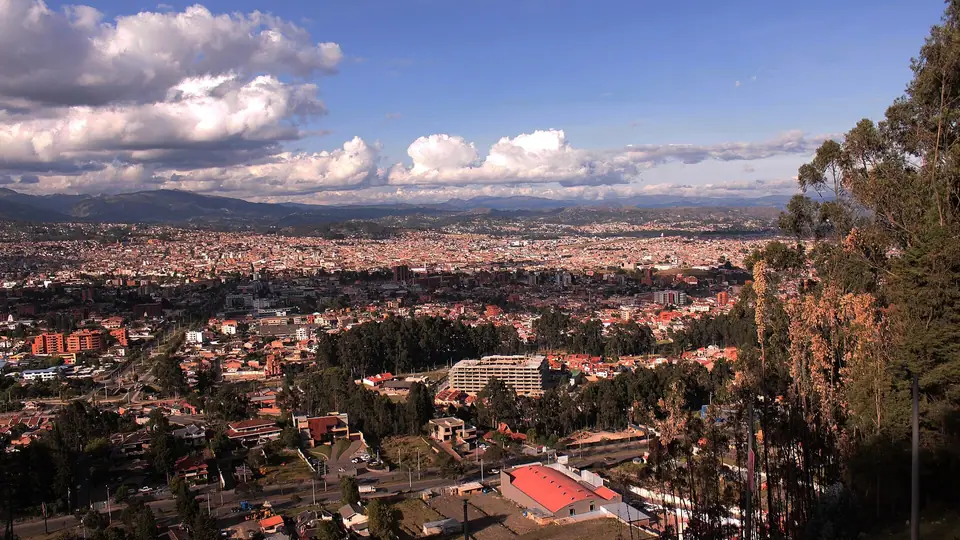
Gualaceo, Chordeleg Silver Filigree and Mirador de Turi Day Trips Guide
Plan day trips from Cuenca to the Santa Bárbara River Valley: explore Chordeleg filigree jewellery, Bullcay ikat textiles, San Bartolomé luthiers, and Mirador de Turi panoramas.
The eastern Santa Bárbara River Valley and the southern ridgelines surrounding Cuenca contain centuries of intact Andean craft traditions. In 2017, UNESCO designated Chordeleg as a Creative City of Crafts and Folk Art, honouring the community for its intricate metalwork. Pairing a circuit through the artisan settlements of Gualaceo, Chordeleg, and San Bartolomé with an evening ascent to Mirador de Turi gives travellers a comprehensive look at regional culture beyond the historic core. You can easily integrate this craft route into a broader 3 days in Cuenca itinerary between architectural walks and high-altitude excursions.
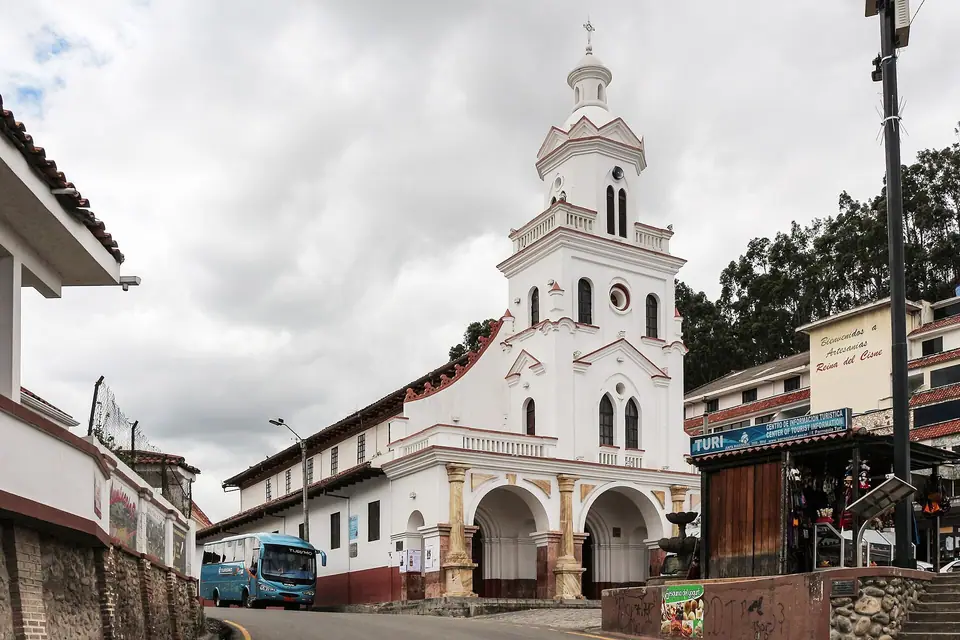
Geographic Profile: The Santa Bárbara River Valley and Southern Hills
The craft valley sits between 35 and 45 kilometres east of Cuenca, dropping into a sheltered river basin before climbing back into the southern sierra. Gualaceo rests at 2,230 metres above sea level, roughly three hundred metres lower than Cuenca. This elevation drop creates a milder microclimate that supports riverfront orchards and lush vegetation. Chordeleg perches on the hills immediately south of Gualaceo, while San Bartolomé sits higher on the return mountain road. South of downtown Cuenca, Mirador de Turi overlooks the basin from a high limestone ridge, providing an unobstructed view across the urban plateau.
| Destination | Distance from Cuenca | Elevation | Primary Heritage Focus |
|---|---|---|---|
| Bullcay and Bulzhún | 36 km east | 2,240 m | Backstrap loom ikat weaving (macanas) |
| Gualaceo Centre | 38 km east | 2,230 m | Food markets and riverside botanical walks |
| Chordeleg | 43 km east | 2,350 m | Gold and silver filigree jewellery (candongas) |
| San Bartolomé | 40 km south-east | 2,580 m | Handcrafted classical acoustic guitars |
| Mirador de Turi | 4 km south | 2,700 m | City panoramas and ceramic art workshops |
Ikat Weaving Traditions in Gualaceo, Bullcay, and Bulzhún
Gualaceo carries the regional moniker of The Garden of Azuay due to its riverside orchids and productive agricultural lands. Before reaching the municipal centre, the roadway passes the indigenous hamlets of Bullcay and Bulzhún. These communities preserve the pre-Hispanic tradition of weaving macanas, which are heavy ceremonial shawls finished with hand-knotted fringe. Artisans employ the complex ikat resist-dye technique, a craft recognised on Ecuador's national cultural heritage list.
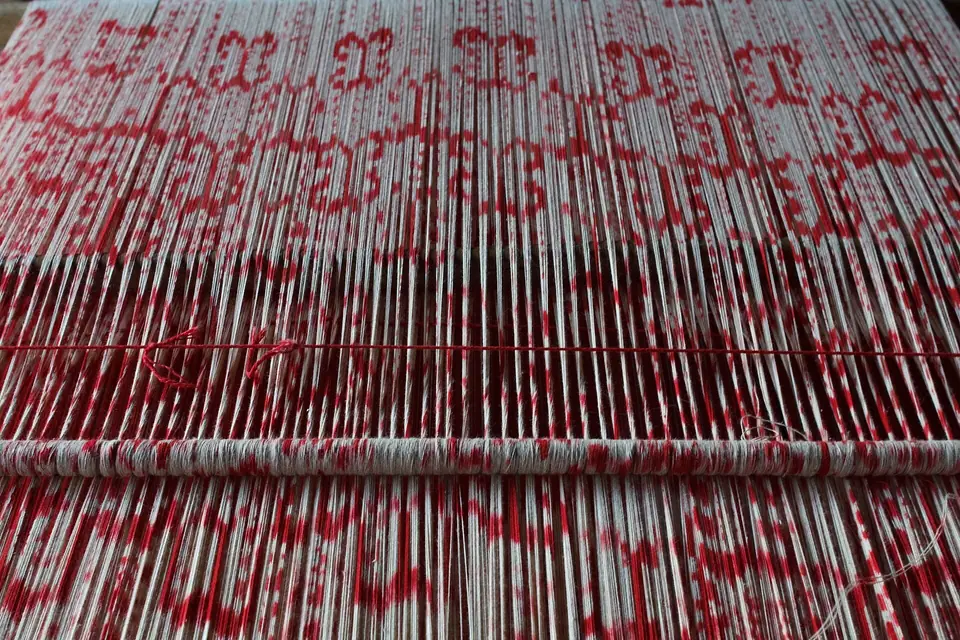
Weavers begin by stringing raw cotton, wool, or silk threads along wooden framing bars. They tie precise bundles with dried cabuya agave fibres to block pigment penetration. The bound threads undergo boiling in organic dye vats made from walnut husks (nogal), cochineal insects, tree moss, or indigo. Once untied, the patterns emerge as stepped geometric motifs. Master weavers then transfer the coloured skeins to backstrap looms, securing the tension with their own body weight while interlacing the weft. Completing a single shawl requires days of knotting, weaving, and fingertip lacework along the borders. While here, you can examine toquilla straw crafts that share historical roots with the workshops detailed in our toquilla straw hats guide.
Silver Filigree Artistry in Chordeleg and Guitars in San Bartolomé
Five kilometres south of Gualaceo, the town of Chordeleg spreads around a central plaza lined with over a hundred family-owned jewellery workshops and studios. Metalworkers here specialise in filigrana (filigree), an ancient technique imported during the colonial era and adapted by indigenous metalsmiths. Craftsmen melt fine silver and gold into bars, draw the metal through narrowing dies into hair-thin threads, and twist the strands into structural spirals and delicate lace infill.
The signature creation of Chordeleg is the candonga, a crescent-shaped hoop earring decorated with floral or geometric filigree drops. Local workshops craft everything from silver brooch pins to museum-calibre ornamental plates. Visitors can watch goldsmiths manipulating minute tweezers and handheld blowtorches at their workbenches. The plaza shops present collections of local pottery and straw crafts as well. Beyond jewellery, Chordeleg features active ceramic studios that reflect centuries of Cañari and colonial clay moulding techniques.
Travellers returning towards Cuenca via the southern secondary road traverse the forested parish of San Bartolomé. This village functions as the historic centre of regional stringed instrument manufacturing, celebrated locally as the Ruta de las Guitarras. Fourth-generation luthiers hand-carve classical guitars, mandolins, and charangos inside open ground-floor workshops. Builders season native woods, shape soundboards with curved scrapers, and assemble resonant chambers that supply musicians across South America.
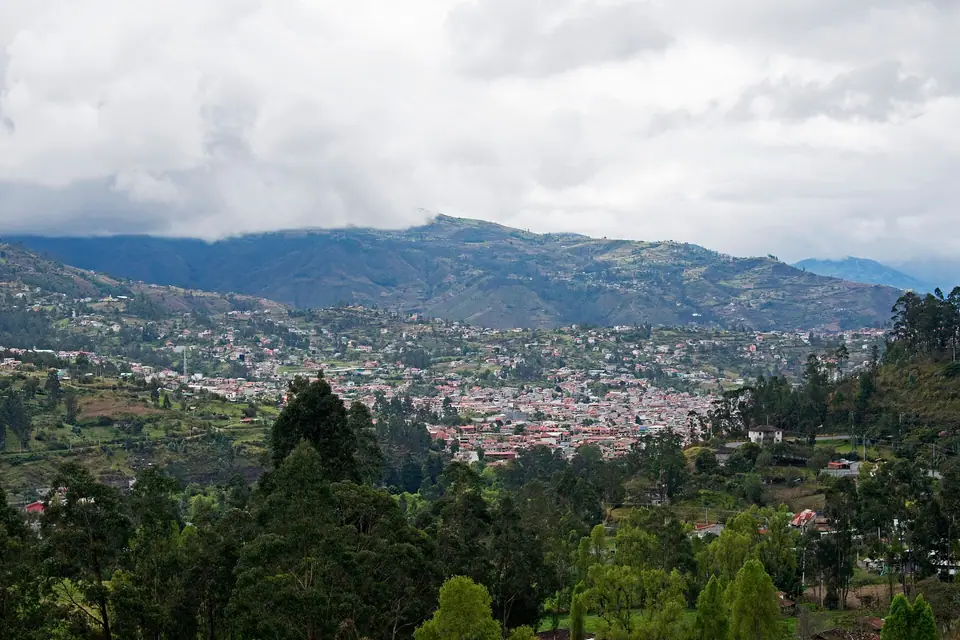
Mirador de Turi: Skyline Panoramas, Eduardo Vega Ceramics, and Baños de Cuenca
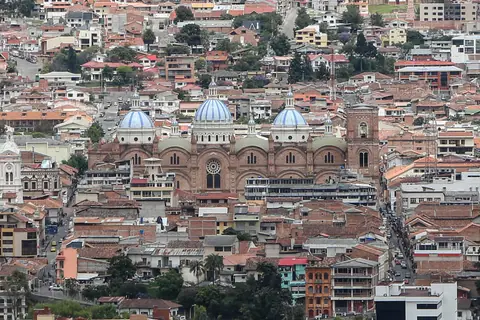
Perched fifteen to twenty minutes south of Parque Calderón, Mirador de Turi offers the premier vantage point over the city basin. The name Turi derives from the Kichwa word for brother. From the stone terrace fronting the white parish church, you can trace the grid of the historic quarter, picking out the three pale blue domes of the Cathedral of the Immaculate Conception and the tree lines flanking the four urban rivers. For deep background on the historic monuments visible from this ledge, consult our best things to do in Cuenca guide.
The hill features cliffside recreational swings at Aventuri for panoramic views over the valley edge. A short stroll from the church brings visitors to the workshop and gallery of master ceramicist Eduardo Vega. His murals, fired terracotta plates, and modern stoneware designs incorporate Andean animals, Cañari cosmography, and equatorial geometric motifs. Further west around the base of the southern hills lies the thermal village of Baños de Cuenca. This geological fracture zone produces hot mineral springs and therapeutic volcanic mud baths that make a restorative final stop after a day of valley road travel.
Seasonal Planning and Logistics for Eastern Valley Road Trips
Open-Meteo climate records from 2015 to 2024 demonstrate that the Azuay mountain valleys maintain daytime temperatures between 19°C and 22°C year-round. Night-time lows hover between 8°C in July and August and 11°C during the wettest months. Rain peaks from March to May, with April recording 112 millimetres across 16 wet days. The driest driving conditions occur between June and September, with August averaging only 42 millimetres across 6 wet days. Road trips through San Bartolomé involve winding, unpaved mountain switchbacks, making the drier mid-year months ideal for self-driving or private transport.
Public buses depart frequently from Cuenca's Terminal Terrestre to Gualaceo and Chordeleg, while local green open-air buses and licensed taxis shuttle passengers up to Mirador de Turi from the riverfront. Sunday serves as the central market day in Gualaceo, filling the municipal hall with produce and regional specialities. Weekday visits offer quieter atelier sessions with individual weavers and jewellers. Travellers should always verify opening hours and studio schedules on official operator portals before departure.
Where it is
- 1Gualaceo, Chordeleg Silver Filigree and Mirador de Turi Day Trips
- José Joaquín de Olmedo International Airport (GYE) · about 129 km from here in a straight line
- Directions in Google Maps
Stations and taxi ranks: OpenStreetMap. Airports: OurAirports. Distances are in a straight line.
Traveller tips
Real advice from people who have been to Cuenca. Every tip is read by our team before it goes live.
No tips yet. Been here? Yours could be the first.
Thank you! Your tip will appear here after a quick review.
More in Cuenca
Continue exploring Cuenca with related neighbourhood, food, and planning guides
Best Time to Visit Cuenca: Eternal Andean Spring, Hiking Seasons and Cultural Fiestas
Cuenca, Ecuador
Where to Stay in Cuenca: Centro Histórico, El Barranco and El Ejido
Cuenca, Ecuador
3 Days in Cuenca Itinerary: Cathedrals, Artisan Villages and Andean Peaks
Cuenca, Ecuador
What to Eat in Cuenca: Mote Pillo, Chancho Hornado, Locro de Papas and Convent Sweets
Cuenca, Ecuador
