Where to Stay in Cuenca: Centro Histórico, El Barranco and El Ejido
Compare the best neighbourhoods to stay in Cuenca, Ecuador, from restored Republican mansions in the Centro Histórico to riverside El Barranco terraces and quiet El Ejido.
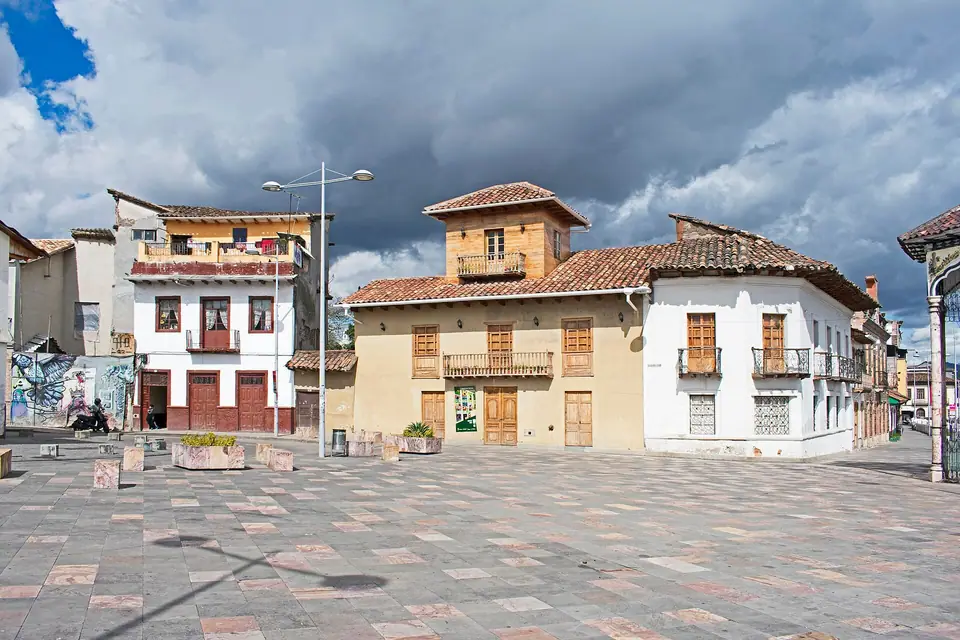
Choosing where to stay in Cuenca shapes how you experience southern Ecuador's premier colonial city. The settlement sits on a gentle Andean terrace cleaved by four rivers, offering distinct lodging atmospheres across compact urban zones. Restored nineteenth-century mansions feature colonnaded patios, hand-painted French pressed tin ceilings, and carved timber balconies overlooking cobblestone streets. Southwards, boutique lodgings cling to the steep cliff edge of the Tomebamba River, while modern residential avenues extend across the bridges. Understanding the character of each district ensures you select accommodation matched to your walking habits, light sensitivity, and daily transit preferences.
Centro Histórico: Heritage Mansions near Parque Calderón
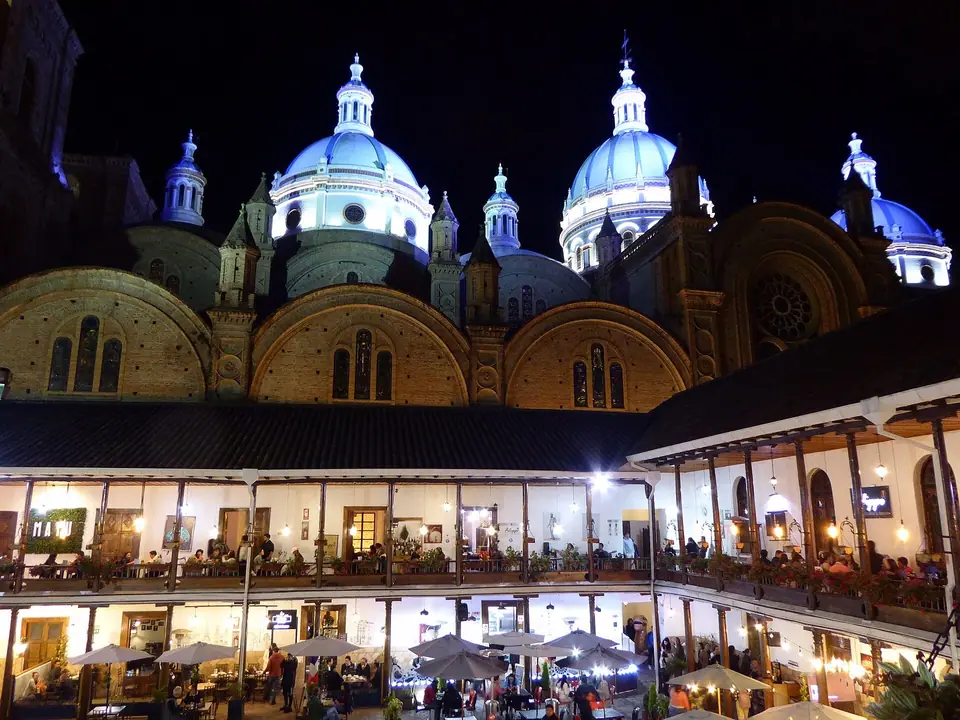
The core of Cuenca's UNESCO World Heritage district radiates outward from Parque Abdón Calderón. Streets such as Calle Simón Bolívar, Calle Mariscal Sucre, and Calle Gran Colombia showcase exceptional Republican domestic architecture constructed after the nineteenth-century economic surge in bark and straw exports. Staying here positions you directly within footsteps of civic landmarks, artisan workshops, and morning flower markets.
- Atmosphere and Architecture: Hotels in this sector occupy patrician family residences arranged around internal courtyards known as patios and traspatio gardens. Ground floors typically feature exposed river-stone foundations, whitewashed lime walls, and polished eucalyptus floorboards. Guest rooms often boast decorative tin ceilings imported from France during the late nineteenth century.
- Strategic Location: Stepping out of your entrance places you immediately beside the marble porticos of the New Cathedral and the quiet flagstones of the Old Cathedral. You can review detailed municipal history inside our Parque Calderón, New Cathedral Blue Domes and Old Cathedral guide.
- Noise and Practicalities: Narrow cobblestone streets amplify early-morning delivery vans and church bells. If you are sensitive to morning noise, request an interior room facing an inner lightwell rather than an exterior street balcony.
El Barranco and Calle Larga: River Views and Cultural Venues
Calle Larga defines the southern cliff edge of the colonial grid, tracing the natural terrace carved by the rushing waters of the Río Tomebamba. The street serves as the boundary between the historic core and the river valley below, creating an elevated corridor filled with museums, roasteries, and boutique conversions.
Accommodations along the southern side of Calle Larga provide scenic vistas across the weeping willows and tumbling rapids of the riverbank. Historic properties here step down the steep embankment through multi-level terraced gardens. Guests enjoy direct descent via public stone staircases to walking paths along the riverbanks, described further in our El Barranco, Río Tomebamba, Puente Roto and Calle Larga guide.
- Atmosphere: Creative, relaxed, and visually dramatic. Properties blend traditional adobe brickwork with glass extensions that capture natural light reflecting off the water.
- Walkability: Calle Larga connects directly eastwards to the archeological park at Museo Pumapungo and its Inca ruins, while Parque Calderón remains an easy five-block walk uphill.
- Evening Profile: Calle Larga hosts independent bistros, live acoustic venues, and artisan bakeries. The street stays lively late into the evening, though rooms facing the river gorge remain sheltered from vehicle traffic.
San Sebastián: Artisan Plazas and Western Tranquillity
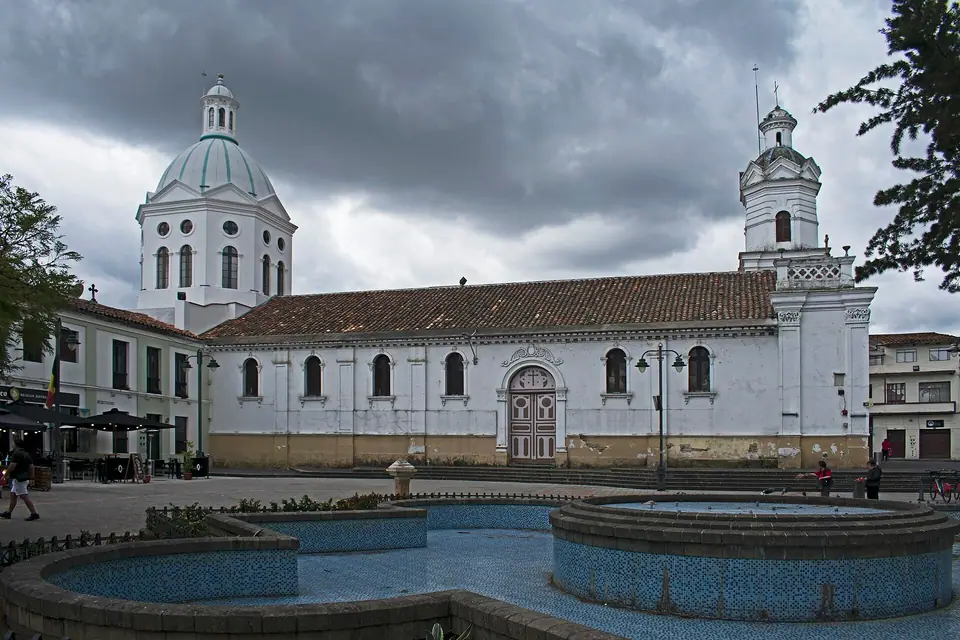
Anchoring the western end of the colonial grid, the neighbourhood of San Sebastián gathers around a tree-shaded square and historic parish church. Once an indigenous settlement outside the Spanish colonial foundation line, this district preserves an authentic neighbourhood rhythm characterized by traditional carpentry workshops and contemporary art galleries.
Lodging around San Sebastián caters to travellers seeking historical charm without commercial density. Street traffic decreases substantially west of Calle Padre Aguirre. The plaza features the Modern Art Museum, housed within the whitewashed courtyards of a former charity hospital. The western stop of the modern tram system passes nearby along Calle Gran Colombia, connecting you smoothly across the city as detailed in our Cuenca museums, traditional markets and Tranvía guide.
El Ejido and Avenida Solano: Modern Comforts South of the River
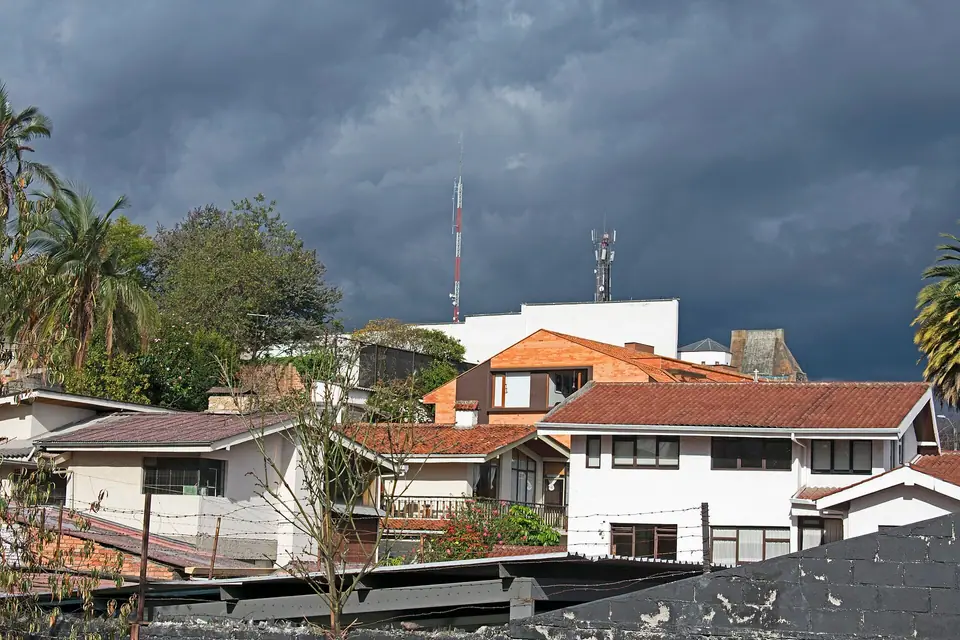
Cross the historic Puente Centenario or Puente del Vado to the southern bank of the Río Tomebamba, and the urban landscape shifts dramatically. El Ejido developed in the early-to-mid twentieth century as Cuenca expanded beyond its colonial limits, creating wide boulevards, public parks, and leafy residential neighbourhoods.
- Lodging Profile: Here you will find spacious mid-rise business hotels, serviced apartments with kitchenettes, and converted mid-century modern villas along Avenida Fray Vicente Solano.
- Key Advantages: Properties provide quieter surroundings, modern elevators, dedicated car parking, and unobstructed heating systems. The district hosts university campuses, banking headquarters, and contemporary medical clinics.
- Transit Access: Walking uphill into the Centro Histórico takes fifteen to twenty minutes on foot across paved bridges. Yellow municipal taxis circulate constantly along Avenida Solano and Avenida Remigio Crespo Toral.
Neighbourhood Comparison for Cuenca Travellers
Selecting the right district depends on your walking tolerance, length of stay, and sensitivity to urban morning sounds. Use this structural comparison to determine where your priorities align best.
| District | Primary Architecture | Street Character | Best Suited For |
|---|---|---|---|
| Centro Histórico | 19th-century Republican mansions with internal courtyards | Dense cobblestones, church bells, foot traffic | First-time visitors wanting direct access to central squares |
| El Barranco / Calle Larga | Terraced river-cliff properties with multi-level gardens | Elevated promenade, café culture, river footpaths | Travellers prioritising scenic water views and dining venues |
| San Sebastián | Low-rise colonial adobe houses and open garden plazas | Quiet artisan streets, gallery spaces, tranquil nights | Longer stays, art enthusiasts, and quiet sleepers |
| El Ejido / Avenida Solano | Mid-century villas and contemporary apartment buildings | Broad tree-lined avenues, suburban calm, vehicle lanes | Business travellers, families needing elevators and parking |
Altitude, Climate and Room Selection Realities
Cuenca sits at 2,560 metres above sea level in an inter-Andean valley. Open-Meteo climate records from 2015 to 2024 demonstrate remarkably stable daytime maximums between 19°C and 22°C throughout the year, with overnight minimums sinking consistently to 8°C to 11°C. Rainfall peaks between February and May, with April recording 112 millimetres across 16 wet days, while July and August represent the driest period with 42 to 49 millimetres across 6 to 7 days.
Because afternoon warmth drops rapidly after sunset, night-time temperatures indoors can feel chilly. Historic adobe and brick mansions possess thick walls that retain cold air. Central heating remains rare in Cuenca heritage hotels. When booking within Centro Histórico or El Barranco, verify whether your room includes portable space heaters, electric thermal blankets, or supplemental radiator heating. Travellers planning multi-day highland expeditions should confirm these amenities before heading out to high-altitude routes covered in our 3 days in Cuenca itinerary.
Where it is
- 1Cuenca
- José Joaquín de Olmedo International Airport (GYE) · about 128 km from Cuenca in a straight line
- Directions in Google Maps
Stations and taxi ranks: OpenStreetMap. Airports: OurAirports. Distances are in a straight line.
Traveller tips
Real advice from people who have been to Cuenca. Every tip is read by our team before it goes live.
No tips yet. Been here? Yours could be the first.
Thank you! Your tip will appear here after a quick review.
More in Cuenca
Continue exploring Cuenca with related neighbourhood, food, and planning guides
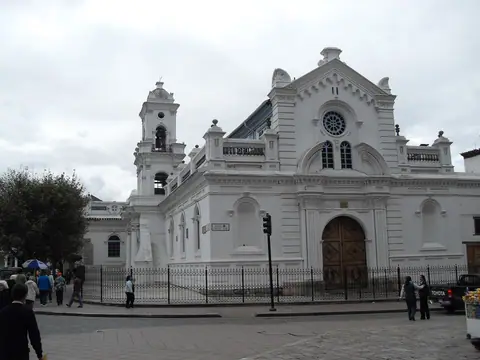
Best Time to Visit Cuenca: Eternal Andean Spring, Hiking Seasons and Cultural Fiestas
Cuenca, Ecuador
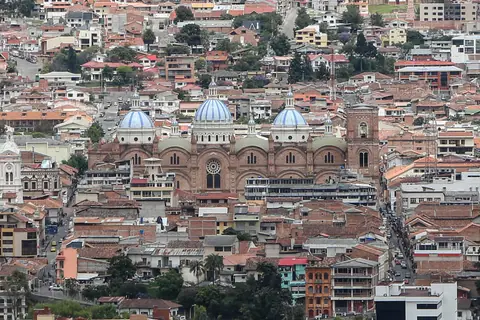
3 Days in Cuenca Itinerary: Cathedrals, Artisan Villages and Andean Peaks
Cuenca, Ecuador
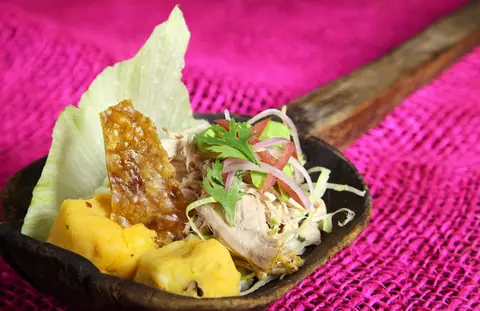
What to Eat in Cuenca: Mote Pillo, Chancho Hornado, Locro de Papas and Convent Sweets
Cuenca, Ecuador
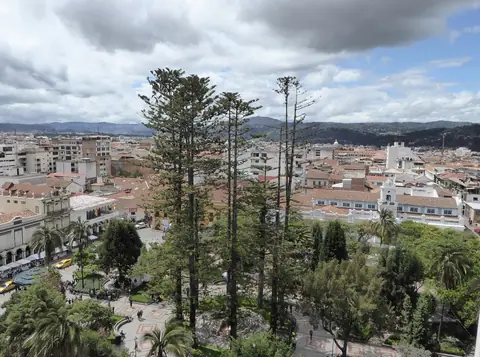
Parque Calderón, New Cathedral Blue Domes, Old Cathedral & Plaza de las Flores Guide
Cuenca, Ecuador
