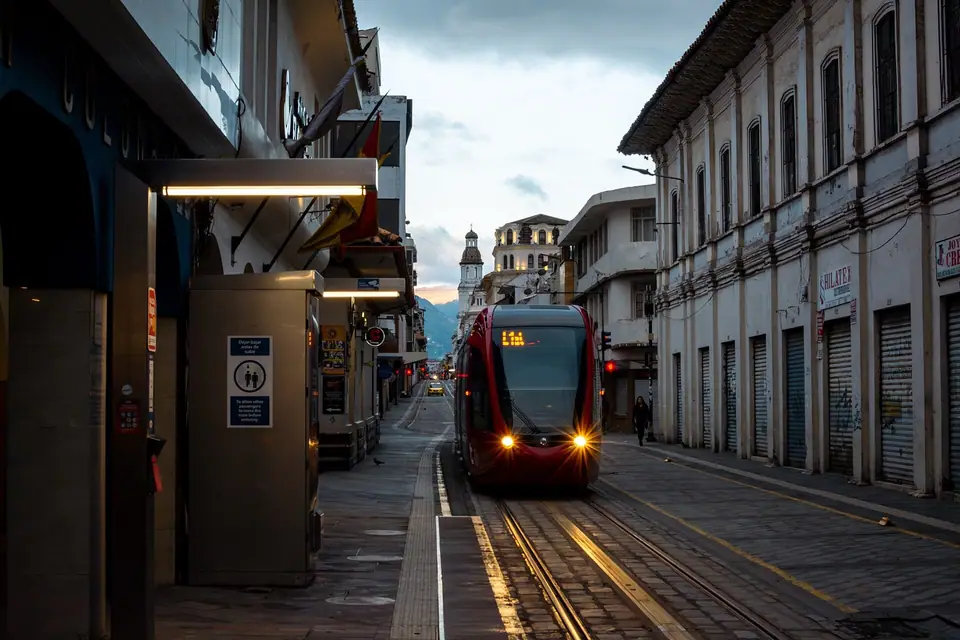
Cuenca Museums, Covered Markets and Tranvía Urban Transit Guide
Navigate Cuenca using the modern Tranvía light rail, explore municipal art collections, and witness Andean cleansing rituals at traditional covered markets.
Beyond monumental churches and archaeological terraces, Cuenca functions as an energetic civic centre where contemporary fine arts intersect with time-honoured Andean market traditions. The introduction of an advanced light rail network transformed travel across the colonial grid, connecting western residential quarters directly with civic galleries and community trading halls. Visitors can spend an enriching morning inspecting Latin American visual culture, descending through terraced municipal mansions, and sampling highland produce under one coherent urban transit route.
Navigating the Modern Tranvía de Cuenca Across the Colonial Grid
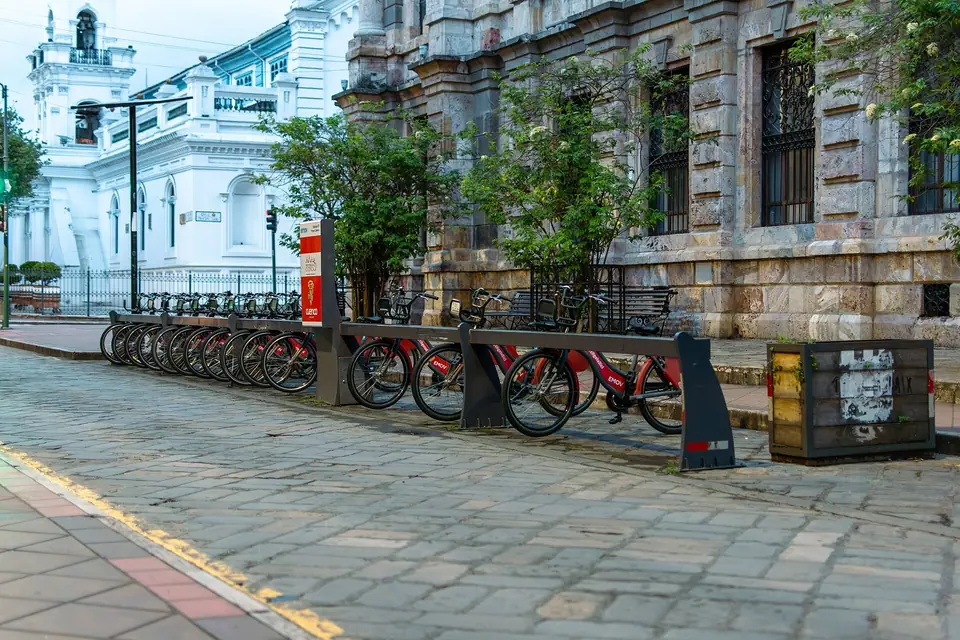
Inaugurated in May 2020, the Tranvía de Cuenca represents one of the most innovative transit interventions in South America. The modern system features French five-car Alstom Citadis tram sets operating over a 20.4-kilometre alignment with 27 individual stations. The route links southern districts near Río Tarqui with the municipal bus terminal and Mariscal La Mar Airport, carving directly through the historic core. Anyone studying regional arrivals in our How to Get to Cuenca guide will appreciate how seamlessly the light rail connects airport arrivals to civic squares.
Urban planners faced a delicate conservation challenge when inserting modern tracks into UNESCO-protected street corridors. Along Calles Gran Colombia and Mariscal Lamar, overhead electrical wires were forbidden to safeguard unhindered views of historic stone facades, tile roofs, and ornate balconies. The vehicles draw electric traction through an embedded ground-level power strip, switching back to overhead catenary wires only after exiting the sensitive historic perimeter. Passengers purchase rechargeable transit cards or single journey QR tickets at automated station machines before boarding. Validate tickets at platform readers or onboard scanners, as municipal ticket inspectors conduct routine spot checks. You can confirm current fares, schedule adjustments, and card replenishment policies through official municipal transit channels.
Contemporary Culture at Museo Municipal de Arte Moderno
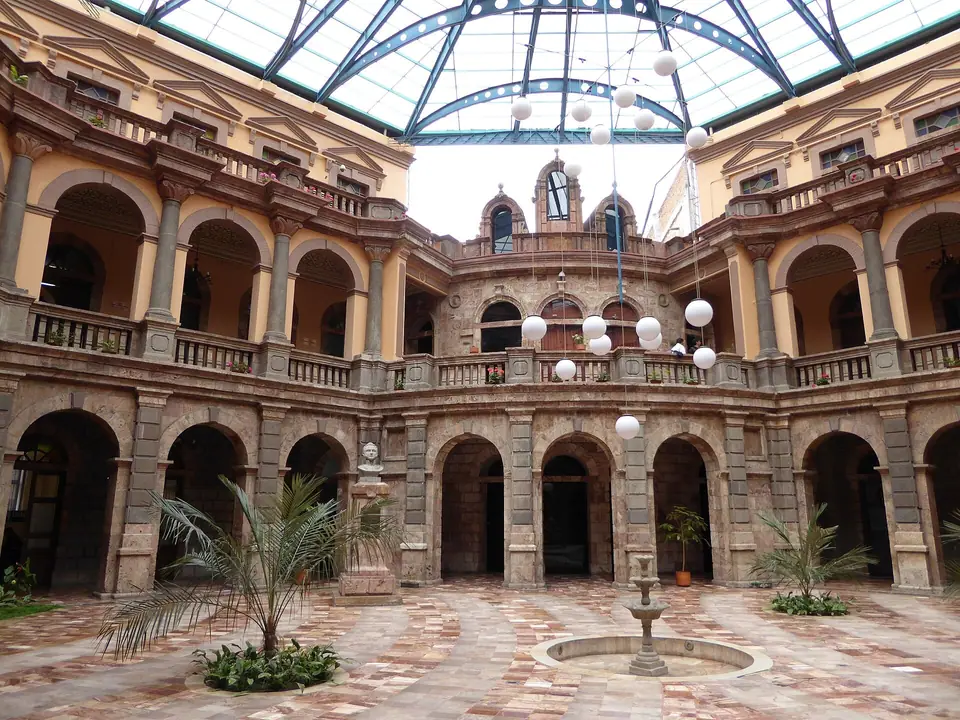
Disembarking at the San Sebastián tram stop brings you to the western threshold of the colonial grid. Situated at the corner of Calle Mariscal Sucre and Coronel Talbot, the Museo Municipal de Arte Moderno occupies the restored 1876 complex of the Casa de la Temperancia. This historic brick and plaster facility originally functioned as a municipal rehabilitation asylum. Following extensive conservation works, the municipal government re-established the property as the premier civic exhibition space for modern and experimental art.
White-washed arcades and courtyards encircle garden patios planted with native flora, creating a contemplative environment for rotating collections. Since 1987, the institution has served as the operational headquarters for the Bienal Internacional de Cuenca. This recurring event remains one of the most respected visual arts festivals in the Americas, attracting painters, sculptors, and multimedia artists from across the globe. Between biennial editions, spacious galleries display twentieth-century Ecuadorian paintings beside challenging contemporary installations. Check local cultural schedules for current exhibition dates and special municipal programmes before your visit.
Archival Treasures at Museo Remigio Crespo Toral
Traversing eastward toward the southern river bluff, travellers reach the Museo Remigio Crespo Toral at Calle Larga 7-07. Perched directly above the rushing waters featured in our El Barranco and Calle Larga guide, this multi-level Republican residence belonged to diplomat and poet laureate Remigio Crespo Toral. Built into the natural terrace slope, the house descends across five interior levels, featuring French period wallpapers, hand-carved cedar banisters, and panoramic verandas facing the river trail below.
Beyond its domestic splendour, the museum safeguards essential municipal archives. The institutional collection contains more than 18,000 catalogued documents, including the priceless 1557 municipal foundation books that recorded the establishment of Spanish Cuenca over earlier Inca foundations. Visitors examine colonial religious oil paintings, regional furniture, and pre-Columbian ceramics recovered from surrounding river valleys. While planning museum itineraries across town, you may wish to combine this stop with other civic spaces described in our Museo Pumapungo and Conceptas guide.
| Site Name | Street Address | Nearest Tranvía Stop | Primary Collection Highlights |
|---|---|---|---|
| Tranvía Historic Axis | Calles Gran Colombia & Mariscal Lamar | San Sebastián / Gaspar Sangurima | Ground-level power technology, wire-free heritage corridor |
| Museo Municipal de Arte Moderno | Calle Mariscal Sucre & Coronel Talbot | San Sebastián | Bienal de Cuenca works, Republican courtyard architecture |
| Museo Remigio Crespo Toral | Calle Larga 7-07, El Barranco | Parque de la Madre (cross bridge) | Cuenca foundation books, colonial art, river bluff views |
| Mercado 10 de Agosto | Calle Larga & General Torres | Parque de la Madre / Plaza Central | Highland produce, chancho hornado, traditional herbal cleansings |
| Mercado 9 de Octubre | Plaza Cívica (Calle Hermano Miguel) | Gaspar Sangurima | Fresh vegetable stalls, fruit juice bars, traditional meals |
Andean Cleansing Rituals and Produce at Mercado 10 de Agosto
A short walk westward on Calle Larga leads to Mercado 10 de Agosto, positioned at the intersection of Calle General Torres. This lively municipal market offers an immediate, sensory immersion into Azuay food systems and indigenous heritage. Concrete perimeter stalls display local tubers, highland cheeses, sweet tree-tomatoes, and medicinal herbs harvested from surrounding mountain communities. The building functions on multiple functional levels, separating daily raw provisions from cooked meal stations and healing practitioners.
On Tuesdays and Fridays, the lower ground section hosts regional traditional healers known as curanderas. Visitors observe classic Andean cleansing rituals, locally called limpias. Healers rhythmically sweep bundles of sweet and bitter herbs across participants, using mint, nettle, and chamomile to expel fatigue and spiritual imbalance before spraying fragrant herbal waters. On the upper mezzanine floor, lunch vendors serve generous portions of chancho hornado, featuring slow-roasted whole pork with crackling skin, potato patties, and hominy corn. Accompany your plate with freshly pressed juices made from tropical tree-tomatoes or Andean blackberries. You should verify operational market schedules locally, as food stalls clear quickly by mid-afternoon.
Urban Market Alternatives and Seasonal Logistics
Travellers seeking further market exploration can head north toward Plaza Cívica to inspect Mercado 9 de Octubre. This multi-level retail hall bustles with trade in fresh poultry, mountain grains, and seasonal flowers, accompanied by prepared breakfast counters on upper tiers. Combining market visits with light rail travel provides an unvarnished window into daily highland life.
Cuenca sits at roughly 2,560 metres elevation, where weather conditions dictate day-to-day comfort. Open-Meteo climate records between 2015 and 2024 illustrate Cuenca's stable Andean profile. Daytime maximum temperatures remain remarkably constant, hovering between 19°C and 22°C throughout the year, while overnight lows dip between 8°C and 11°C. Rainfall varies noticeably across the calendar. Drier months such as July (49 mm across 7 wet days) and August (42 mm across 6 wet days) provide ideal clear weather for walking between tram stations and historic markets. Transitional periods like March (105 mm across 15 wet days) and April (112 mm across 16 wet days) feature regular afternoon downpours. Carry a waterproof layer and use the smooth electric Tranvía to cross the city when rain arrives.
Where it is
- 1Cuenca Museums, Covered Markets and Tranvía Urban Transit
- José Joaquín de Olmedo International Airport (GYE) · about 127 km from here in a straight line
- Directions in Google Maps
Stations and taxi ranks: OpenStreetMap. Airports: OurAirports. Distances are in a straight line.
Traveller tips
Real advice from people who have been to Cuenca. Every tip is read by our team before it goes live.
No tips yet. Been here? Yours could be the first.
Thank you! Your tip will appear here after a quick review.
More in Cuenca
Continue exploring Cuenca with related neighbourhood, food, and planning guides
Where to Stay in Cuenca: Centro Histórico, El Barranco and El Ejido
Cuenca, Ecuador
3 Days in Cuenca Itinerary: Cathedrals, Artisan Villages and Andean Peaks
Cuenca, Ecuador
What to Eat in Cuenca: Mote Pillo, Chancho Hornado, Locro de Papas and Convent Sweets
Cuenca, Ecuador
Parque Calderón, New Cathedral Blue Domes, Old Cathedral & Plaza de las Flores Guide
Cuenca, Ecuador
