12 Best Things to Do in Cuenca: Cathedrals, Pumapungo and Andean Highlights
Discover the 12 best things to do in Cuenca, from climbing the New Cathedral rooftop to touring Pumapungo Inca ruins, weaving workshops, and Cajas glacial lakes.
Cuenca sits at an elevation of 2,560 metres in Ecuador's southern Andean valley, where four rivers converge beneath temperate skies. The city balances carefully preserved Spanish colonial architecture, layered Inca and Cañari archaeology, and living craft traditions. We have structured the twelve definitive experiences across the historic core, riverbank promenades, and surrounding mountain landscapes to help you plan an efficient itinerary.
Parque Calderón Cathedrals, Plaza de las Flores and Civic Architecture
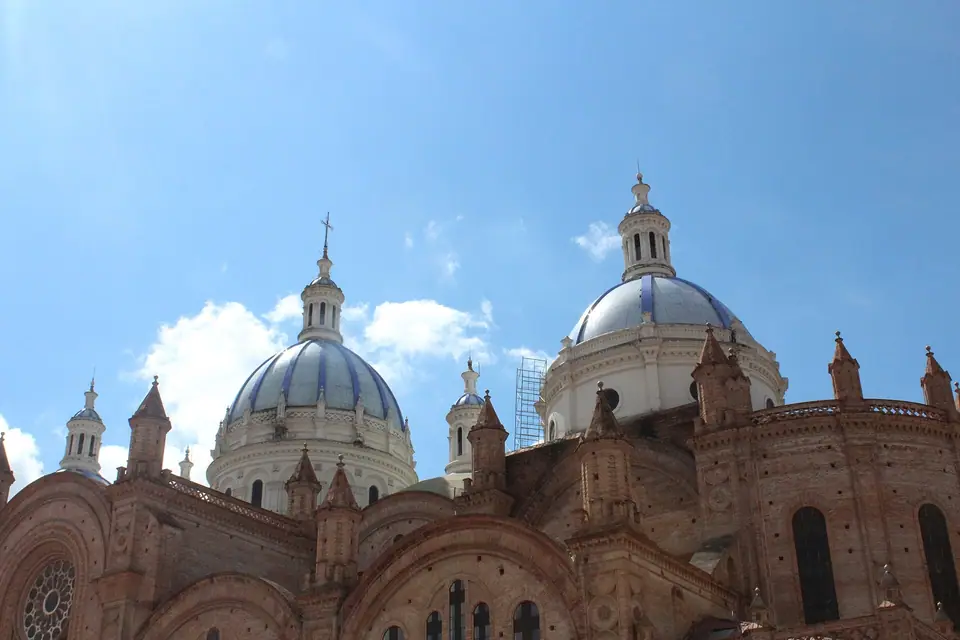
At the geographic heart of the UNESCO-listed grid stands Parque Calderón, bordered by red-brick facades and towering araucaria trees. The western flank is dominated by the massive Catedral de la Inmaculada Concepción, known locally as the New Cathedral. Visitors can ascend 155 steps up an enclosed stone staircase to the open rooftop terrace, which provides panoramic views of the city valley directly beneath the three iconic blue-and-white glazed tile cupolas.
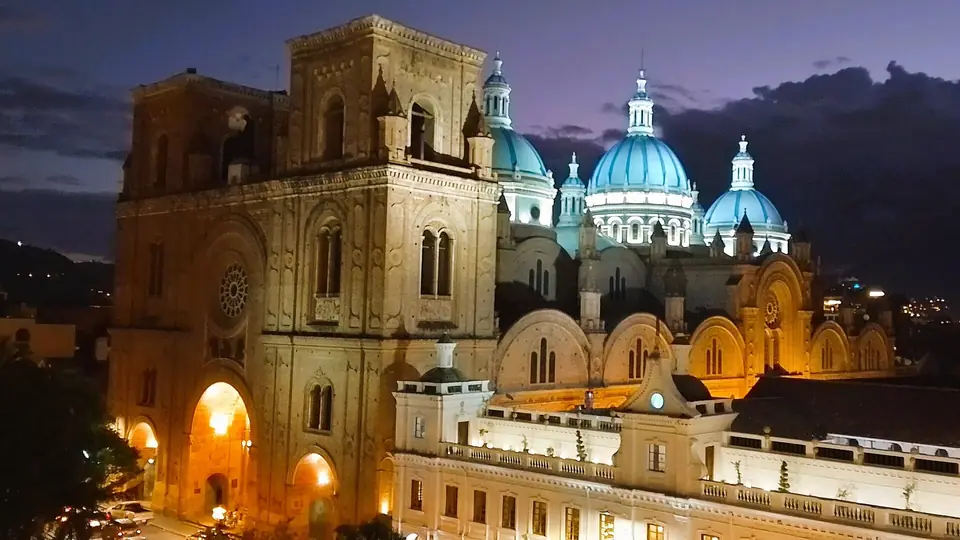
Directly across the square sits the Catedral Vieja, or Iglesia del Sagrario, founded in 1557. Now operating as the Museo de Arte Religioso, its foundation walls incorporate dressed stone blocks salvaged from the ruined Inca administrative city of Tomebamba. Inside, you can examine an eighteenth-century pipe organ, gold-leaf altarpieces, and intricately carved wooden choir figures. Detailed background on both monuments is available in our Parque Calderón, New Cathedral blue domes, and Old Cathedral guide.
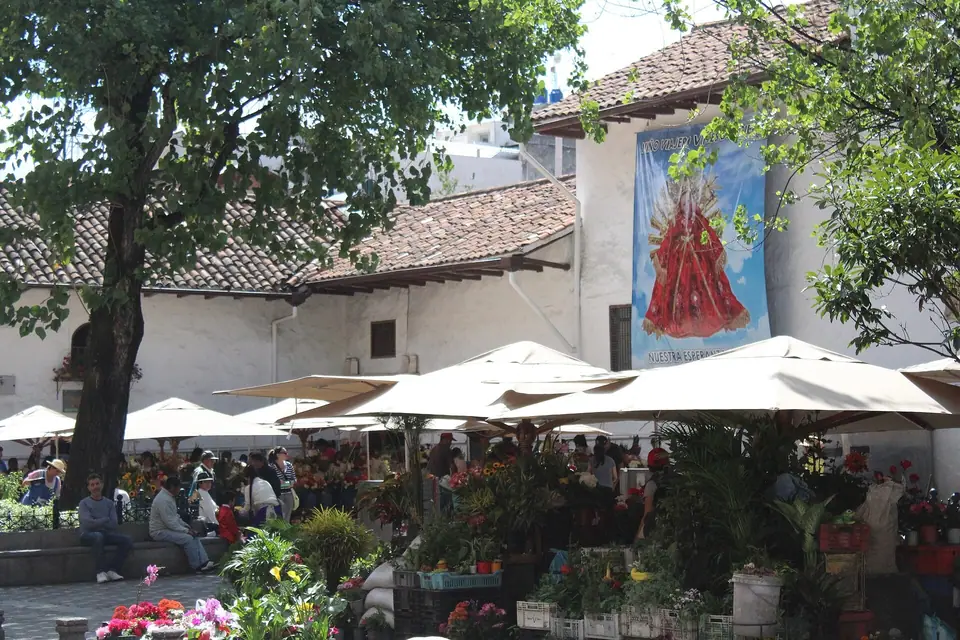
A few steps west of the New Cathedral lies the Plazoleta del Carmen de la Asunción, widely celebrated as the Plaza de las Flores. Local vendors sell fresh highland roses, lilies, and orchids directly beneath the sculpted 1730 Baroque stone portal of the Monasterio del Carmen de la Asunción. Outside the cloistered convent, visitors purchase traditional agua de pítimas, an aromatic herbal infusion prepared by Carmelite nuns and passed through a small wooden turnstile.
El Barranco Mansions, the Broken Bridge and Monastic Treasures
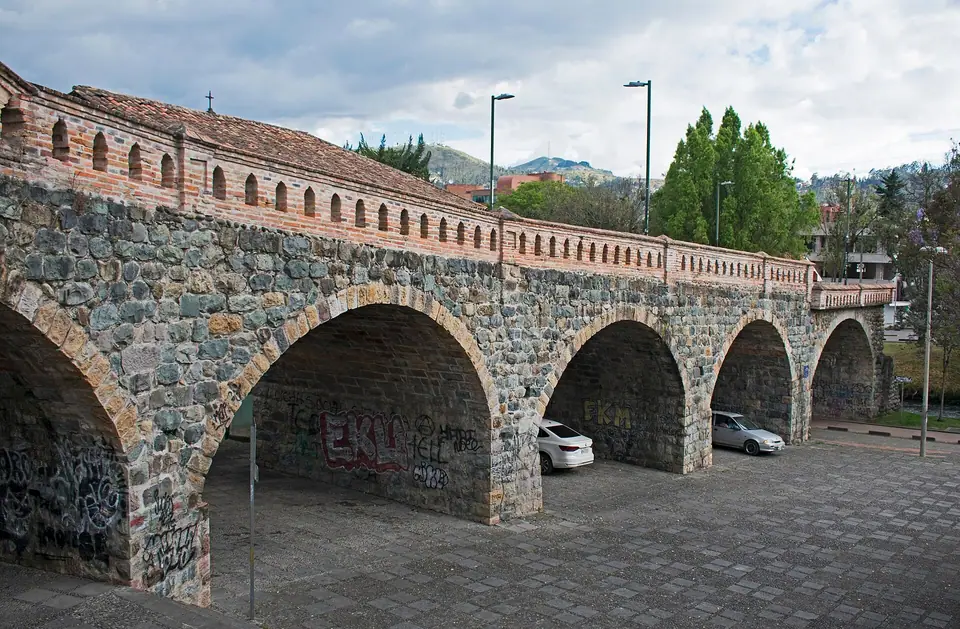
South of the cathedral district, the historic centre drops steeply toward the fast-flowing waters of the Río Tomebamba. Here, nineteenth-century Republican mansions line the cliff edge along Calle Larga, with back balconies suspended over terraced gardens and cobblestone river walks. Follow the riverbank trail downstream to the historic Puente Roto, or Broken Bridge, whose remaining brick and stone arches terminate mid-river following a catastrophic Andean flash flood in 1850. Our dedicated El Barranco, Río Tomebamba, Puente Roto and Calle Larga guide details route logistics and riverbank architecture.
Wandering eastward brings you to the Museo de las Conceptas, situated inside the cloistered 1599 Royal Monastery of the Immaculate Conception. The museum houses an extensive collection of colonial religious painting, nativity figurines, and ornate silverwork within silent whitewashed courtyards. Near Parque Calderón, the historic Corte Superior de Justicia displays neoclassical arches and decorative brickwork that reflect Cuenca's late nineteenth-century architectural boom.
Inca Foundations, Hat Workshops and Urban Transit
At the southern edge of Calle Larga, the Museo y Parque Arqueológico Pumapungo preserves the monumental administrative core of ancient Tomebamba. Terraced agricultural platforms step down the hillside toward the stone foundations of the Acllahuasi, the residential compound of the Chosen Women. The complex features extensive ethnographic galleries showcasing regional indigenous communities, an ethnobotanical garden planted with traditional Andean crops, and an aviary for rescued native birds.
Cuenca is the international capital of the handwoven toquilla straw hat, misnamed the Panama hat. At workshops like the Museo del Sombrero de Paja Toquilla along El Barranco and the historic Homero Ortega facility, visitors observe craftsmen shaping, pressing, and trimming fine Montecristi straw. Discover the complete history and finishing methods in our toquilla straw hats and workshop guide.
To cross the city efficiently, board the modern electric Tranvía de Cuenca, which commenced public operations in May 2020. The clean tramline glides across the historic sector along Calle Gran Colombia and Calle Mariscal Lamar, linking the northern airport zone to southern residential quarters. For an elevated view across the valley, take a bus or taxi south to the Mirador de Turi, an observation terrace set beside a parish church that overlooks the red-tile rooftops and cathedral domes.
High-Altitude Lakes, Inca Ruins and Artisan Day Excursions
Beyond the urban boundary, Cuenca acts as the strategic base for diverse regional day excursions into high-altitude nature reserves and indigenous craft communities. Thirty kilometres west, Parque Nacional Cajas preserves more than 270 glacial lakes between 3,160 and 4,445 metres above sea level. Hikers traverse spongy alpine grasslands, skirt crystalline tarns like Laguna Toreadora, and pass through twisted Polylepis paper-bark forests. Check operator sites directly for seasonal park hours and transport departures.
Eighty kilometres north in Cañar Province, the Complejo Arqueológico Ingapirca stands as Ecuador's most significant pre-Columbian archaeological site. The ceremonial complex centres upon an elliptical Temple of the Sun, constructed from finely carved green andesite stones fitted together without mortar over existing Cañari ceremonial platforms.
East along the Santa Bárbara river valley, three distinct artisan towns preserve specialized trades. Chordeleg is renowned for gold and silver filigree jewellery. Neighbouring Gualaceo produces backstrap-woven ikat macanas, while the hill village of San Bartolomé is celebrated for hand-carved acoustic guitars. After rigorous exploration, visitors unwind in the western thermal suburb of Baños de Cuenca, soaking in volcanic mineral pools before tasting traditional regional dishes such as mote pillo, slow-roasted hornado pork, and creamy locro de papas potato soup.
Essential Cuenca Activity Planning
The following overview organizes the major attractions by physical location, ideal time allotment, and primary practical focus to streamline your days in the city.
| Attraction | Neighbourhood | Recommended Duration | Primary Focus |
|---|---|---|---|
| New Cathedral Rooftop | Parque Calderón | 1 to 2 hours | 155-step climb, blue tile domes, and central plaza views |
| Plaza de las Flores | Centro Histórico | 30 to 45 minutes | Fresh cut roses, Baroque convent facade, and herbal water |
| Puente Roto & El Barranco | Río Tomebamba | 2 to 3 hours | Suspended Republican mansions, riverbank paths, and bridge ruins |
| Museo Pumapungo | Calle Larga | 2 to 3 hours | Inca stone terraces, ethnography, and native botanical gardens |
| Parque Nacional Cajas | 30 km West | Half to full day | High-altitude glacial tarns, Polylepis trees, and paramo hiking |
| Ingapirca Ruins | 80 km North | Full day | Elliptical Inca Temple of the Sun and Cañari burial sites |
Open-Meteo records from 2015 to 2024 reveal daytime highs consistently between 19°C and 22°C year-round. July and August offer drier conditions with six to seven wet days, while March and April receive 105 to 112 millimetres across fifteen to sixteen wet days. Pack breathable layers, sturdy walking shoes for polished stone pavements, and reliable rain protection regardless of season.
Where it is
- 1Cuenca
- José Joaquín de Olmedo International Airport (GYE) · about 128 km from Cuenca in a straight line
- Directions in Google Maps
Stations and taxi ranks: OpenStreetMap. Airports: OurAirports. Distances are in a straight line.
Traveller tips
Real advice from people who have been to Cuenca. Every tip is read by our team before it goes live.
No tips yet. Been here? Yours could be the first.
Thank you! Your tip will appear here after a quick review.
More in Cuenca
Continue exploring Cuenca with related neighbourhood, food, and planning guides
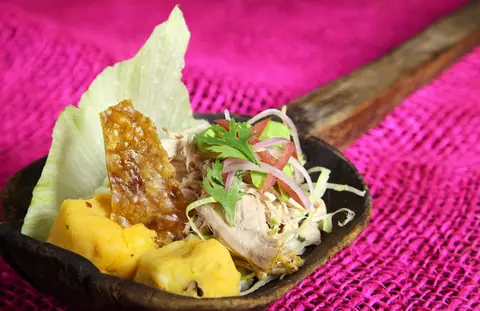
What to Eat in Cuenca: Mote Pillo, Chancho Hornado, Locro de Papas and Convent Sweets
Cuenca, Ecuador
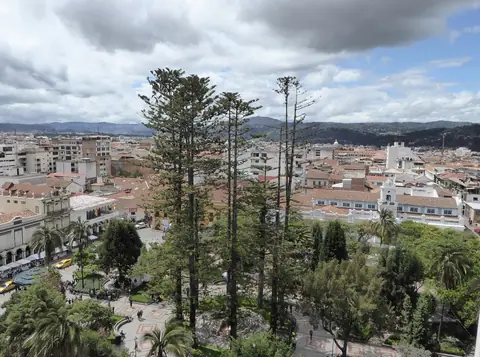
Parque Calderón, New Cathedral Blue Domes, Old Cathedral & Plaza de las Flores Guide
Cuenca, Ecuador
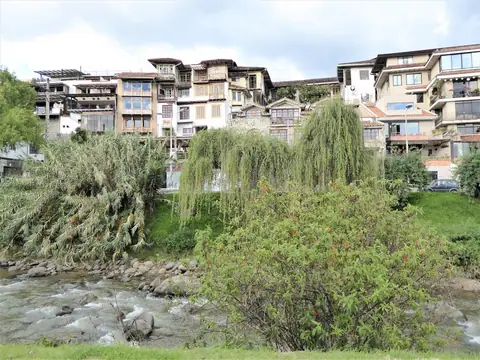
El Barranco, Río Tomebamba, Puente Roto and Calle Larga Guide
Cuenca, Ecuador
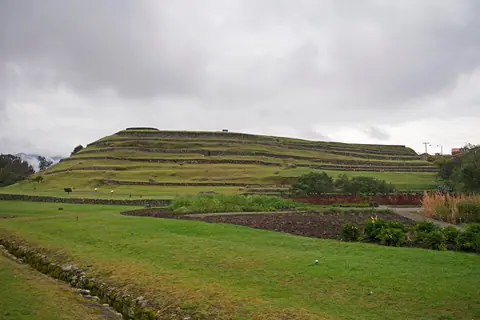
Museo Pumapungo Inca Ruins and Museo de las Conceptas Guide
Cuenca, Ecuador
