Photo: Mgimelfarb · CC BY-SA 4.0
Albaicín & Carrera del Darro Guide: Mirador de San Nicolás & Carmenes
Navigate the UNESCO hillside maze of the Albaicín, from Carrera del Darro to Mirador de San Nicolás, Zirid walls, and walled carmen houses.
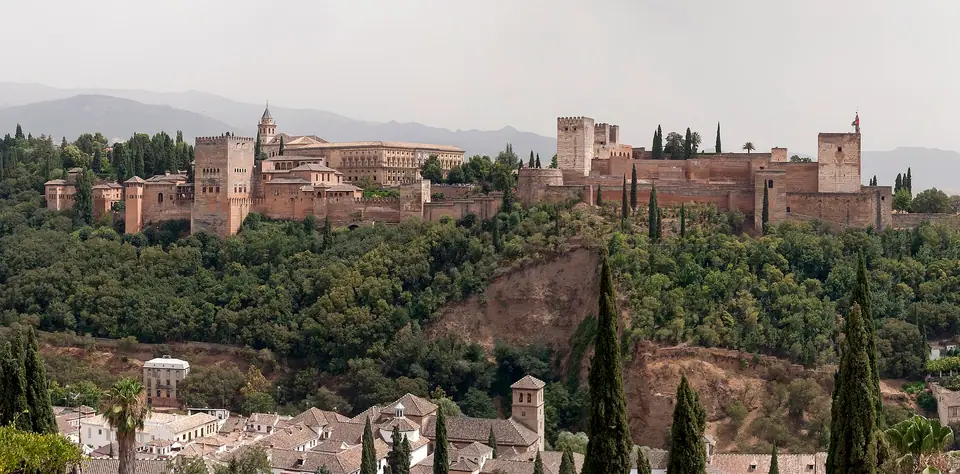
Added to Granada's UNESCO World Heritage list, the Albaicín (also spelled Albayzín, from the Arabic Rabad al-Bayyazin) is an ancient residential quarter of Granada. Long before the Nasrids built the Alhambra on the opposite hill, the Zirid Berber dynasty founded an early citadel here. During its medieval era, the Albaicín housed thousands of residents around communal underground rain cisterns (aljibes). Neighbourhood mosques were later converted into Mudéjar churches. Because GPS navigation often struggles inside narrow alleys flanked by high garden walls, the best way to experience the Albaicín is by connecting distinct viewpoints (miradores). Pair this route with our Dobla de Oro and El Bañuelo guide and our Sacromonte cave quarter walk.
| Mirador / Landmark | Elevation & Location | Alhambra Camera Angle | Crowd Level & Best Time |
|---|---|---|---|
| Paseo de los Tristes (River Floor) | East end of Carrera del Darro | Dramatic upward angle looking up at the Torre de Comares and Alcazaba cliffs | Lively all day. Atmospheric at dusk when the fortress spotlights switch on |
| Mirador de Carvajales | Placeta de Carvajales (Lower Albaicín) | Eye-level framing of the Alcazaba and Torre de la Vela through pomegranate trees | Quiet and intimate. Shady stone benches and fountain pool in the afternoon |
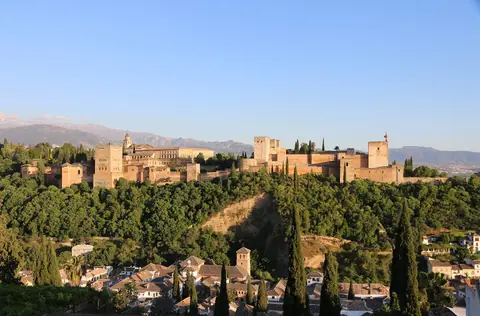
| Mirador de San Nicolás & Mezquita Mayor | Plaza de San Nicolás (Upper Albaicín) | Classic frontal panorama of the entire Alhambra complex backed by the Sierra Nevada | Very busy before sunset. Use the adjacent Mezquita Mayor garden for calmer space |
| Mirador de San Cristóbal & San Miguel Alto | Western and northern crests | Wide-angle sweep over the historic Zirid walls, Cathedral dome, and Alhambra flank | Spacious and relaxed. Ideal for late-afternoon photography and wide cityscapes |
What is a Granadino Carmen and how to see inside
As you climb the stepped cobblestone lanes of the Albaicín, you will notice that most streets show tall whitewashed walls. These are topped by cascading jasmine, cypress tips, and heavy wooden doors studded with iron nails. Behind these walls lie Granada's signature urban house type: the carmen (from the Arabic karm, originally meaning a hillside vineyard or orchard). Created when small medieval plots were merged behind one wall, a traditional carmen combines a pleasure garden with a productive orchard. Grapevines shade stone water channels, pomegranate trees, and patterned pebble courtyards facing the Alhambra.
Although most cármenes are private homes, several fine examples welcome visitors. The Carmen de la Victoria on Cuesta del Chapiz is owned by the University of Granada. You can visit its terraced water gardens by checking access rules at the gate. Nearby on Camino Nuevo de San Nicolás, the Carmen de Max Moreau preserves a Belgian painter's studio inside a multi-level garden.
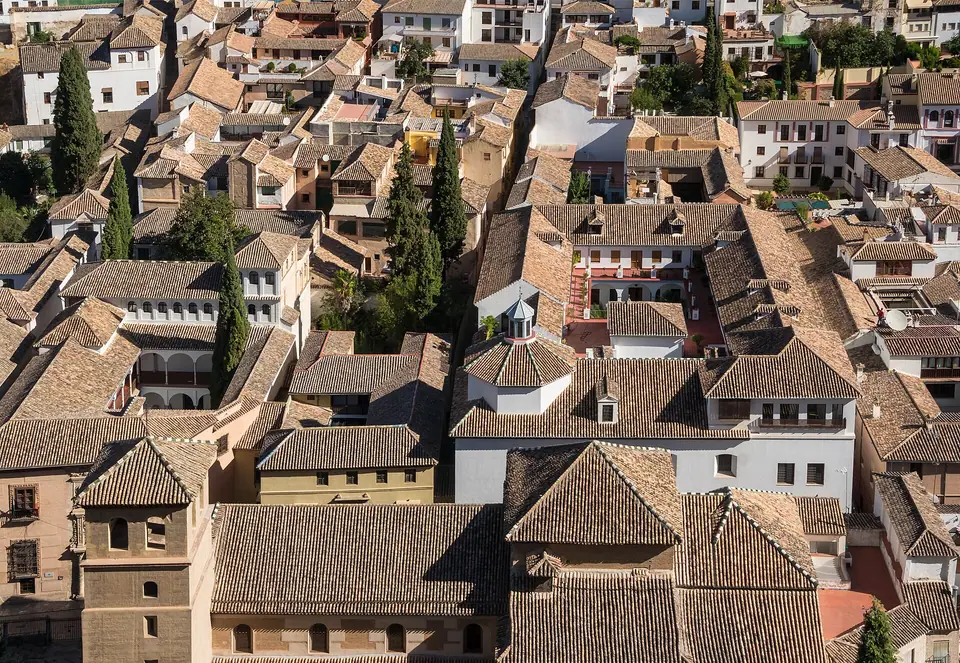
Step-by-step walking route: Plaza Nueva to San Nicolás and Plaza Larga
To explore the Albaicín without climbing steep stairs, ride a local minibus from Plaza Isabel la Católica up to Plaza Larga. From the top, take your time walking gradually downhill through the medieval core:
- Plaza Larga and Arco de las Pesas. Begin in Plaza Larga, the everyday neighbourhood heart of the upper Albaicín. Morning fruit and spice stalls operate here, and cafés serve breakfast toast and pasteles morunos. Walk through the historic Zirid horseshoe gate of Arco de las Pesas (Puerta Nueva). Tampered market weights used by dishonest merchants were once hung here in iron cages as a warning.
- Aljibe del Rey and Mirador de San Nicolás. Follow Callejón de San Cecilio past the medieval Aljibe del Rey, an ancient underground rain cistern in Granada. Just beyond the cistern gardens, you emerge onto the stone terrace of Mirador de San Nicolás. After admiring the view outside the Mudéjar church of San Nicolás, walk into the gardens of the Mezquita Mayor de Granada. Its quiet terrace frames the Comares Tower and Partal through olive and cypress trees.
- Callejón de las Tomasas to Placeta de Carvajales. Descend west from San Nicolás along high-walled Callejón de las Tomasas and Cuesta de San Gregorio. Pause at the shady fountain terrace of Mirador de Carvajales for a closer lower-angle view of the Alcazaba watchtowers.
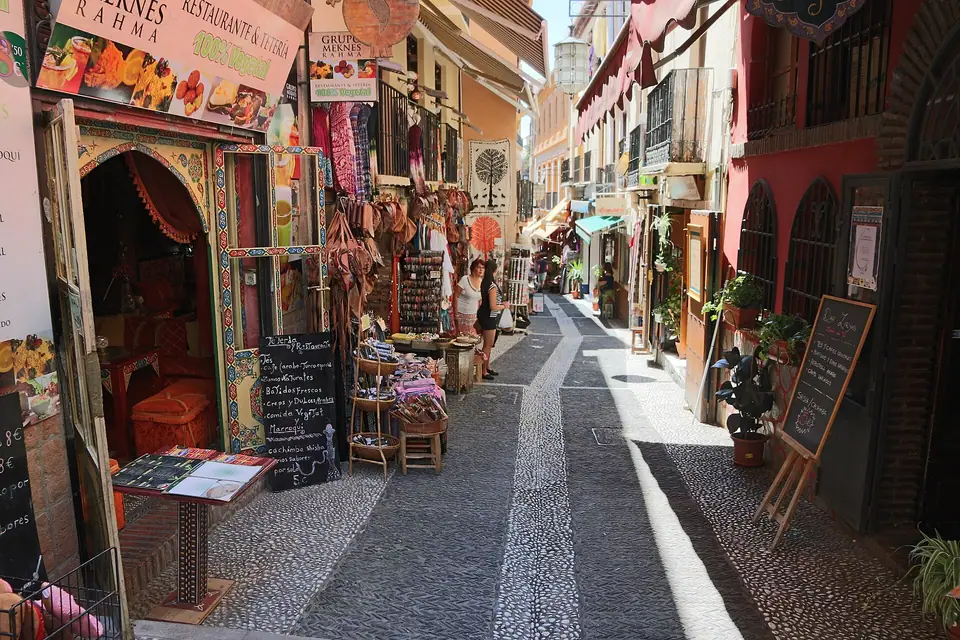
- Calderería Nueva and Carrera del Darro. Descend the lantern-draped steps of Calle Calderería Nueva, lined with traditional teterías serving mint tea and pastries. Alternatively, follow Calle San Juan de los Reyes past its historic minaret down to Paseo de los Tristes.
The historic Zirid Walls, Puerta de Elvira, and Puerta Monaita
To trace the historic fortifications of Zirid Granada, walk west from Plaza Larga. Follow the crest of the hill toward Mirador de San Cristóbal. This western spur preserves long stretches of the ancient Muralla de la Alcazaba Cadima and the bent-axis citadel gateway of Puerta Monaita (Bab al-Unaydar). At the bottom of Cuesta de Alhacaba on Calle Elvira stands Puerta de Elvira (Bab Ilbira). This horseshoe arch was a major gateway of Islamic Granada.
Traveller tips
- Keep bags zipped at Mirador de San Nicolás at sunset. The square is policed, but dense sunset crowds along the stone parapet require keeping bags zipped. Wear your bag in front and avoid placing cameras or phones unattended on the wall ledge.
- Follow the bronze cistern plaques. Look for brass plaques marking the Albaicín's surviving medieval rain cisterns (aljibes), fed for centuries by the Aynadamar mountain canal.
- Visit the Archaeological Museum on Carrera del Darro. Along the river stands the Museo Arqueológico y Etnológico, housed inside the Plateresque Casa de Castril. Notice the corner balcony above the portal carved with the motto "Esperándola del cielo" ("Awaiting it from heaven"). Inside, galleries display Phoenician urns, Roman bronzes, and medieval ceramics facing the Alhambra. Check the official site for entry requirements.
- Convent sweets at Santa Isabel la Real. Historic Albaicín convents still bake handmade almond pastries sold through a revolving wooden turnstile (torno). At Santa Isabel la Real or Convento de Zafra, ring the bell beside the wooden wheel and ask for yemas or roscos de anís. Place your money on the turntable and spin it to receive wrapped convent sweets.
- Fajalauza ceramics at Puerta de Fajalauza. At the northern Albaicín gate stands Puerta de Fajalauza, where local potteries fire traditional blue-and-green tin-glazed earthenware. Visit the Fundación Fajalauza kiln on Carretera de Murcia to watch artisans hand-paint cobalt-blue and green pomegranates onto white bowls.
- Morning coffee and toast on Plaza Larga. Join residents on Plaza Larga for morning coffee, toasted bread with olive oil, and orange juice.
- Visiting the Church of El Salvador on Plaza del Abad. Just above Plaza Larga stands the historic Collegiate Church of El Salvador. Its courtyard preserves the intact horseshoe-arched ablutions patio of the medieval Great Mosque of the Albaicín.
- Sunset views at San Cristóbal. Unlike Mirador de San Nicolás, the stone esplanade of Mirador de San Cristóbal faces west toward the setting sun. Pair it with a look at the adjacent Renaissance tower of the Church of San Cristóbal.
- Navigating Albaicín street signs. Ceramic blue-and-white pomegranates on corner walls indicate historic walking routes down to Plaza Nueva and Carrera del Darro. When in doubt, walking downhill always leads back to the river or Calle Elvira.
- Connecting with the Metro de Granada and Cathedral quarter. At the foot of the hill, you can board the Metro de Granada light rail line at Caleta or Estación Ferrocarril. Trams link Albolote, Maracena, Recogidas, Alcázar Genil, and Armilla. Down on Gran Vía de Colón, 5 stands Granada Cathedral, whose foundation stone was placed on March 25, 1523 beside the Royal Chapel.
Where it is
- 1Albaicín & Carrera del Darro
- Málaga-Costa del Sol Airport (AGP) · about 98 km from here in a straight line
- Directions in Google Maps
Stations and taxi ranks: OpenStreetMap. Airports: OurAirports. Distances are in a straight line.
Traveller tips
Real advice from people who have been to Granada. Every tip is read by our team before it goes live.
No tips yet. Been here? Yours could be the first.
Thank you! Your tip will appear here after a quick review.
More in Granada
Continue exploring Granada with related neighbourhood, food, and planning guides
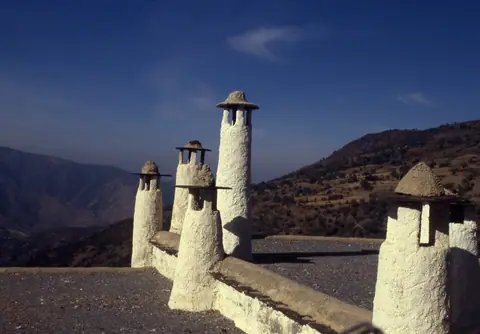
Day Trips from Granada: Las Alpujarras, Sierra Nevada & Guadix Caves
Granada, Spain
Granada: Neighbourhoods, Alhambra Tickets & Local Transit
Granada, Spain
Best Things to Do in Granada: Alhambra, Albaicín & Cultural Highlights
Granada, Spain
How to Get to Granada: AVE Trains, Málaga & Granada Airports & ALSA Buses
Granada, Spain
