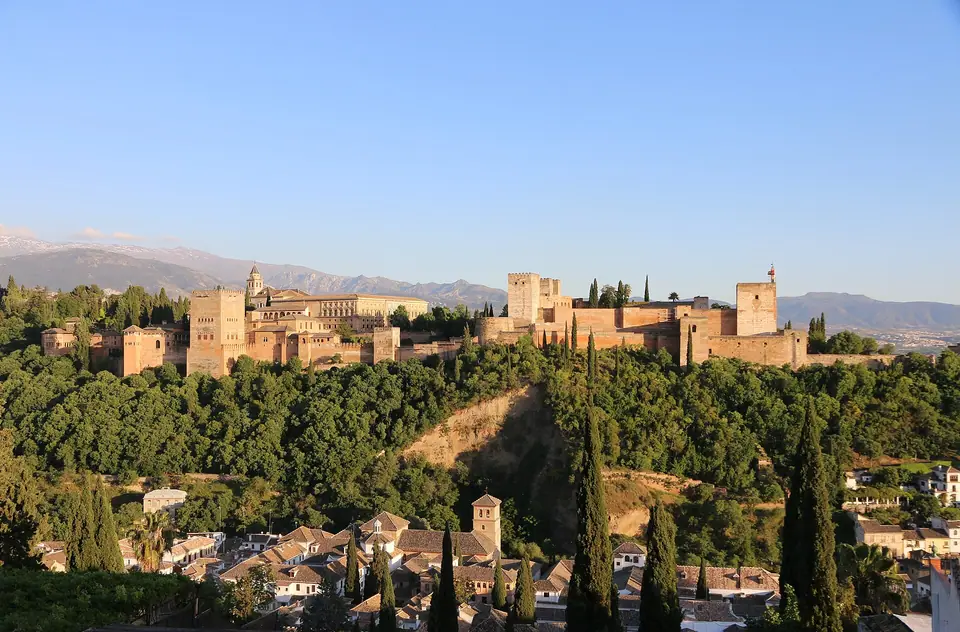
Photo: Øyvind Holmstad · CC BY-SA 4.0
Granada: Neighbourhoods, Alhambra Tickets & Local Transit
Plan your visit to Granada across the Alhambra hill, the medieval lanes of the Albaicín, the Renaissance Cathedral quarter, and lively free-tapas streets.
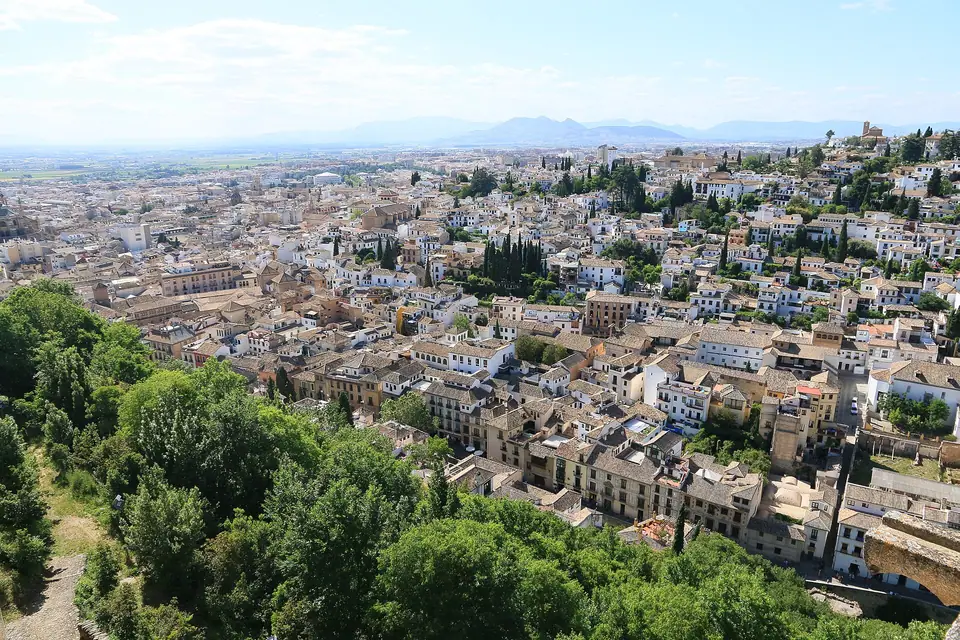
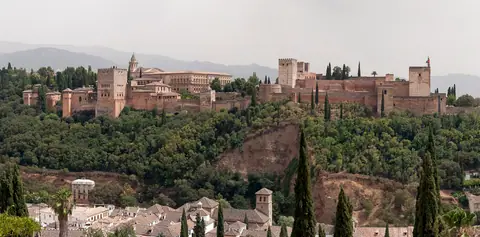
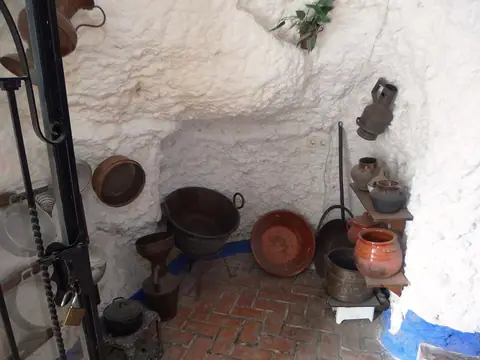
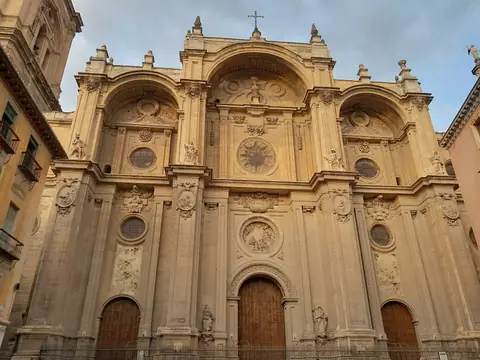
Granada occupies a dramatic natural amphitheatre beneath the snow-covered peaks of the Sierra Nevada. Here the Darro and Genil rivers emerge onto the fertile Vega plain. Many visitors assume Granada is flat like Seville. Instead, its UNESCO World Heritage core rises across steep spurs divided by a deep gorge. On the southern Sabika ridge stands the red-clay fortified palatine city of the Alhambra and the summer estates of the Generalife. Directly opposite, across the narrow ravine of the Río Darro, climbs the medieval Moorish labyrinth of the Albaicín and the whitewashed cave-dwellings of Sacromonte. Below both hills spreads the lower Renaissance city built around the Royal Chapel and Granada Cathedral. Begin by checking our Alhambra and Nasrid Palaces booking guide and our Granada 3-day itinerary to align your palace entry slot with your accommodation base.
| Zone / Hilltop | Elevation & Terrain | Core Highlights | Best Access Method |
|---|---|---|---|
| Sabika Hill (Alhambra & Generalife) | Forested ridge climb above Plaza Nueva | Nasrid Palaces, Alcazaba fortress, Palace of Charles V, and Generalife gardens | Minibus from Isabel la Católica, or a walk up Cuesta de Gomérez |
| Albaicín & Paseo de los Tristes | Steep cobbled pedestrian alleys and steps | Mirador de San Nicolás, El Bañuelo Arab baths, Casa de Zafra, and carmen courtyards | Walk along riverside Carrera del Darro, or ride the city minibuses to the upper ridge |
| Sacromonte Valley | Terraced hillside path above the Darro canyon | Cuevas troglodyte houses, Museo Cuevas del Sacromonte, and evening zambra flamenco caves | Minibus from Plaza Nueva, or a walk from Paseo de los Tristes via Cuesta del Chapiz |
| Centro Catedral & Realejo | Mostly flat plazas and lower southern slopes | Granada Cathedral, Royal Chapel, Alcaicería silk market, Corral del Carbón, and Calle Navas tapas | Flat walking routes linked by Gran Vía buses and the Granada Metro at Recogidas |
How Granada is laid out across two rivers and three hills
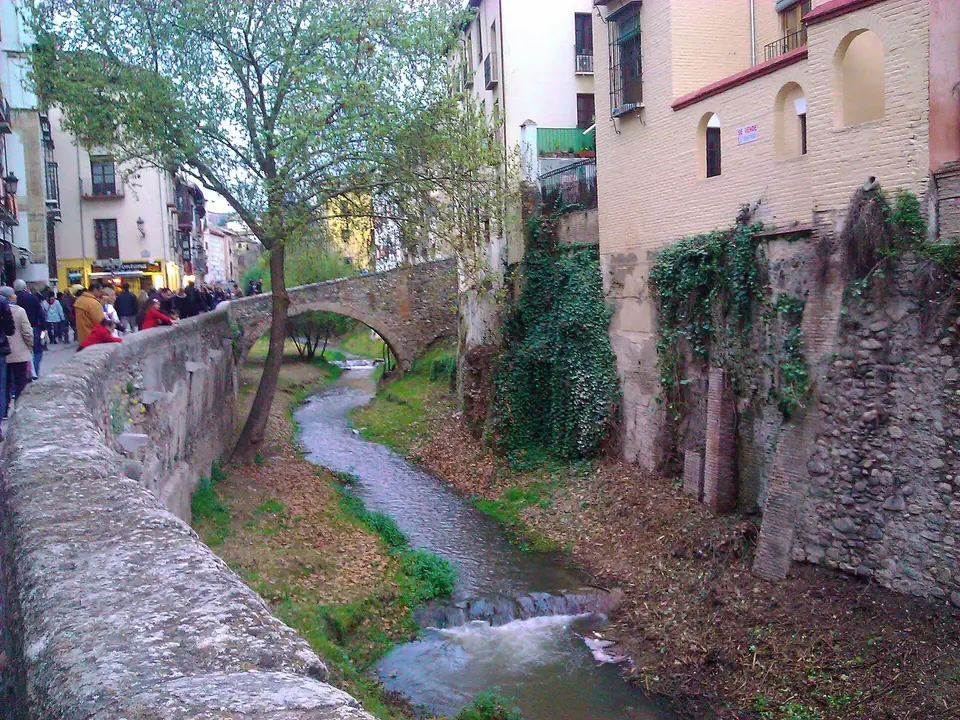
Understanding the relationship between Plaza Nueva, the Río Darro, and the surrounding ridges prevents exhausting backtracking during your trip. Plaza Nueva is the geographical hinge of historic Granada. It sits directly over an arched brick vault covering the Darro River toward Calle Reyes Católicos. Facing east from Plaza Nueva, Carrera del Darro leads straight into the canyon between the two hills.
To your right rises the wooded Cuesta de Gomérez. This shaded lane climbs through the Puerta de las Granadas archway to the Alhambra gates. To your left rise the stepped lanes (cuestas) of the lower Albaicín. Here, whitewashed cármenes with pomegranate gardens look directly across at the Alcazaba. South of the Alhambra lies the Realejo, while the flat Cathedral district extends to the west.
Alhambra ticket rules and passport verification
Every Granada itinerary revolves around your timed entry to the Nasrid Palaces inside the Alhambra complex. Daily admission is strictly capped, and ticket windows sell nothing once online quotas fill. Check the official site for current admission categories and prices.
The time slot printed on your ticket applies specifically to the Nasrid Palaces entrance checkpoint. It does not apply to the outer Alhambra gates. You can visit the Alcazaba, Partal, and Generalife during your allocated session. However, arriving late for your designated window at the Nasrid Palaces doorway means the barcode scanner will reject your entry. Because tickets are nominative, guards inspect the original physical passport or EU national ID card of every visitor at the gate.
Getting around: city minibuses, walking, and ZBE camera zones
Granada operates a fleet of compact red-and-white Alhambra Bus minibuses. These small vehicles squeeze through medieval stone arches and tight turns that standard buses cannot pass. Fares can be paid in cash or through reloadable travel cards, with current prices available on the official transport pages.
- Line C30 (Alhambra Express). This minibus runs frequently from Plaza Isabel la Católica to the Alhambra main pavilion. It also stops at Puerta de la Justicia for quick access to the Nasrid Palaces.
- Line C32 (Alhambra to Albaicín Link). This route links the Alhambra with Plaza Nueva, Gran Vía, and the upper Albaicín near Mirador de San Nicolás.
- Line C31 and C34. Line C31 loops through the Albaicín from Plaza Nueva. Line C34 climbs further east along Camino del Sacromonte to the Sacromonte Abbey.
- Driving and ZBE Camera Restrictions. Retractable bollards and number-plate cameras protect the Albaicín and Carrera del Darro. They issue automatic fines to unauthorized vehicles. If arriving by rental car, use official car parks outside the camera zone or an underground garage at Acera del Darro or San Agustín.
- Calling the monument office and visiting the city shop. Travellers can consult the Patronato de la Alhambra y Generalife visitor office for monument advice. You can also visit the official Librería de la Alhambra bookshop on Calle Reyes Católicos in central Granada.
Money, dining schedules, and Granada's free-tapas custom
Spain uses the Euro (€), and contactless Visa and Mastercard payments are accepted across Granada's ticket desks, city buses, taxis, and restaurants. Still, carry some cash for convent bakeries selling pastries through wooden turnstiles (tornos) and churros stalls on Plaza Bib-Rambla.
In Granada, ordering a beer, glass of wine, tinto de verano, or soft drink traditionally includes a free plate of food. Unlike San Sebastián where you pay per pintxo, here the kitchen selects your free tapa. Early rounds often bring small bites like olives, while later rounds bring cooked tapas. Check local bar boards for meal service times and evening service starts.
Dobla de Oro combined ticket for Islamic monuments
Beyond the Alhambra hill, several conserved monuments sit scattered across the Albaicín and lower Darro valley under programmes managed by the Patronato. These sites include the El Bañuelo Arab baths, the Corral del Carbón caravanserai, and Dar al-Horra. The pass also covers Horno de Oro, the Maristán hospital ruins, and Casa del Chapiz.
Visitors can purchase standalone entry or joint passes combining these monuments with their Alhambra visit. Visiting these quieter courtyards in the morning reveals intricate carved stucco, timber coffered ceilings (artesonado), and reflecting pools without the dense crowds of the main citadel. Read our Dobla de Oro and El Bañuelo guide for exact walking sequences.
Essential practical advice for exploring Granada
- Enter Nasrid Palaces via Puerta de la Justicia. If your palace slot is approaching, do not walk all the way east to the Access Pavilion. Alight from the bus near Puerta de la Justicia to reach the Nasrid Palaces queue quickly.
- Avoid heels on empedrado granadino. Traditional Granada pavements are laid with rounded river pebbles set on edge in geometric floral patterns. After rain or morning dew, these stones become slick on steep descents from San Nicolás, so rubber-soled walking shoes are essential.
- Tap water quality. Granada's tap water comes from snowmelt reservoirs in the Sierra Nevada and is safe, cold, and pleasant to drink. Carry a reusable bottle to refill at drinking fountains across the Alhambra and Realejo.
- Official tourist information offices in Granada. The regional tourist office sits right off Plaza Nueva. Municipal staff also run information points near the Alhambra Access Pavilion. Staff provide printed maps showing minibus loops, step-free accessibility routes, and current monument schedules.
- Emergency numbers and tourist police support. Across Spain, the single toll-free emergency number for ambulance, fire, and police in English and Spanish is 112. The National Police (Policía Nacional) station handling lost passport reports sits on Calle Duquesa near the Botanical Garden of the University of Granada.
Where it is
- 1Granada
- Málaga-Costa del Sol Airport (AGP) · about 97 km from Granada in a straight line
- Directions in Google Maps
Stations and taxi ranks: OpenStreetMap. Airports: OurAirports. Distances are in a straight line.
Traveller tips
Real advice from people who have been to Granada. Every tip is read by our team before it goes live.
No tips yet. Been here? Yours could be the first.
Thank you! Your tip will appear here after a quick review.
More in Granada
Continue exploring Granada with related neighbourhood, food, and planning guides
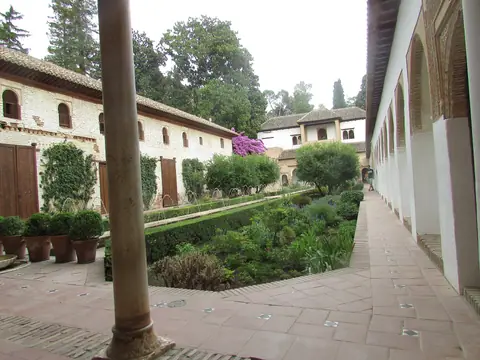
Generalife Gardens & Palace Guide: Patio de la Acequia & Silla del Moro
Granada, Spain
Albaicín & Carrera del Darro Guide: Mirador de San Nicolás & Carmenes
Granada, Spain
Sacromonte Cave Quarter Guide: Zambra Flamenco, Cave Museum & Abbey
Granada, Spain
Granada Cathedral & Royal Chapel Guide: Alcaicería & Corral del Carbón
Granada, Spain
