Photo: Vasilii Martynov · CC BY-SA 4.0
Kaliningrad 3-Day Itinerary: Historic Islands, Prussian Forts and Baltic Dunes
A step-by-step three-day Kaliningrad itinerary covering fourteenth-century cathedral architecture, XIX-century red-brick forts, and Baltic coastal dunes.
Three full days provide ample time to uncover the architectural layers of Kaliningrad, where medieval Teutonic foundations merge with nineteenth-century Prussian military engineering and twentieth-century urban reconstruction. This route balances dense historic island walks with coastal excursions to the Baltic shoreline. Preparing for changing marine conditions is essential, as autumn brings frequent precipitation, with October averaging 86 millimetres across 18 wet days, while summer warms to July highs of 23.5°C.
Day 1: Pregolya Islands, Historic Fleet and the Upper Pond
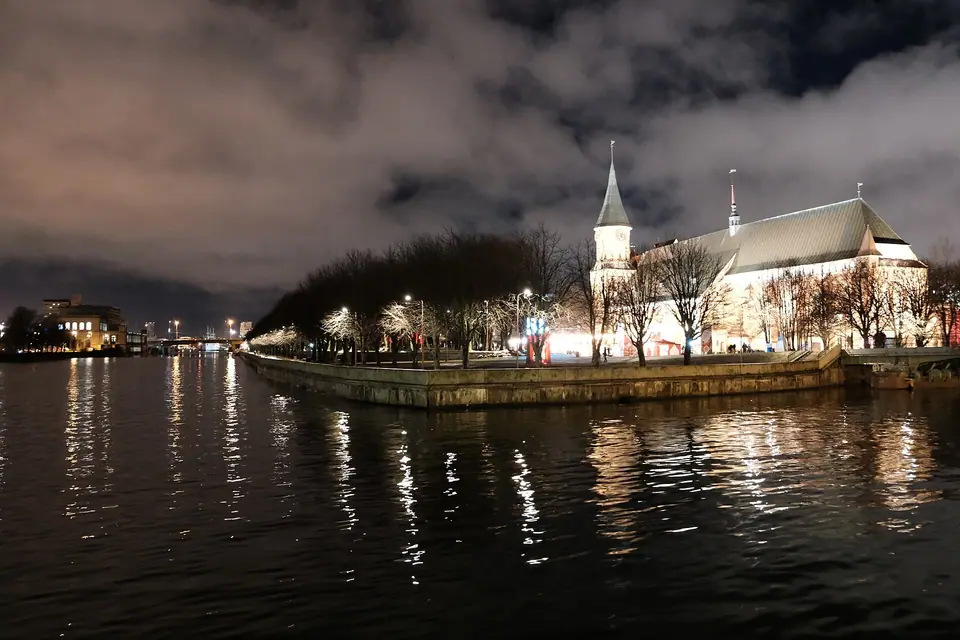
Begin early on the 10-hectare Kant Island, originally known as Kneiphof. The fourteenth-century Königsberg Cathedral anchors this peaceful parkland. Walk around the exterior to inspect the Gothic brickwork and visit the 1924 stone colonnade marking the tomb of philosopher Immanuel Kant. Cross the wooden-decked 1542 Honey Bridge, keeping an eye out for the small bronze figure of Grandfather Karl resting on the railing, to enter the modern Fishing Village. Climb the 33-metre Mayak viewing tower for panoramas over the Pregolya riverbanks.
Cross to the northern quay to admire the neo-Renaissance facade of the 1875 Stock Exchange, which now houses the Museum of Fine Arts. Continue west along the embankment to the historic ships of the Museum of the World Ocean. Step aboard the 1939 research vessel Vityaz and tour the narrow compartments of the B-413 diesel-electric submarine moored at the wharf.
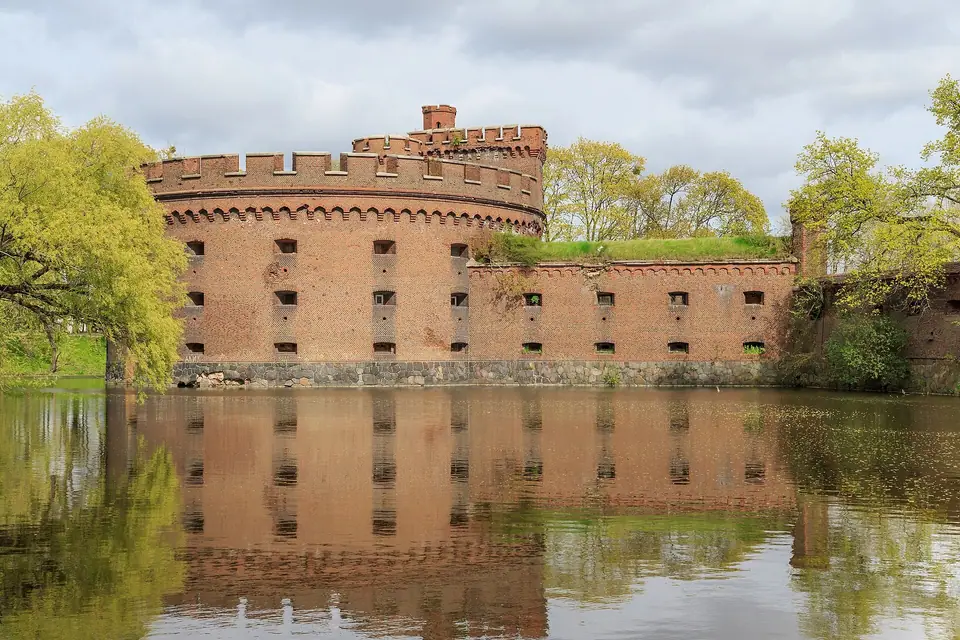
For the afternoon, head north towards the 1853 Dohna Tower, an imposing red-brick bastion that hosts the 28 display halls of the Kaliningrad Amber Museum. Stroll around the shores of the Upper Pond, an artificial water body created in 1270 by the Teutonic Order. The lakeside promenade features four distinctive marine animal sculptures carved in 1913 by Hermann Thiele, terminating near the massive walls of the 1859 Wrangel Tower. Complete the evening sampling regional specialities such as Königsberger Klopse from our food guide.
Day 2: Royal Gates, Bastion Outposts and Garden Suburbs
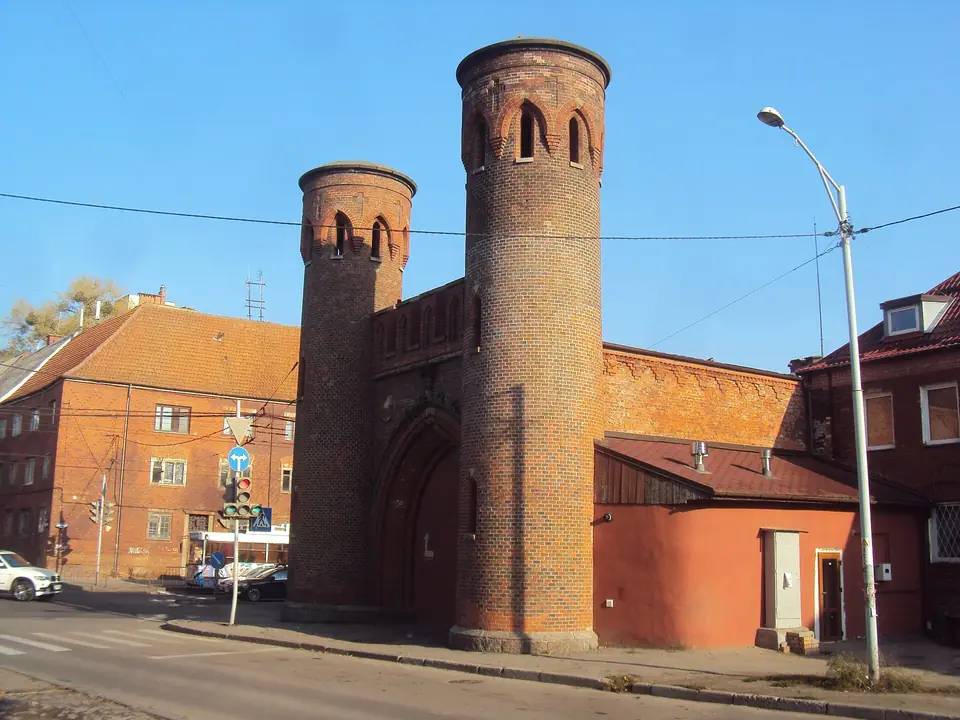
Dedicate the second morning to the eastern arc of the nineteenth-century fortifications. Visit the neo-Gothic King's Gate, constructed between 1843 and 1850, which displays statues of King Ottokar II of Bohemia, King Frederick I of Prussia, and Duke Albert. Follow the historic defensive ramparts along Litovsky Val to Sackheim Gate at building number 61. From here, travel northwest towards the modern central district to see the 70-metre-tall Christ the Saviour Cathedral and the 1923 City Hall standing opposite Victory Square.
Take transit out to Fort No. 5 on the northwestern perimeter, an integral red-brick component of the outer ring completed in 1878. The site retains deep moats, gun casemates, and subterranean galleries damaged during the heavy fighting of 1945. Travellers can find comprehensive transport connections in our guide on how to get to Kaliningrad and travel around.
Devote the late afternoon to Amalienau, an early twentieth-century garden suburb that survived wartime destruction intact. Wander the curving tree-lined avenues to inspect Jugendstil and romantic architecture, including Villa Leo from 1902, Villa Schmidt from 1903, and Villa Makowski from 1905. Finish the neighbourhood circuit at the 1901 Queen Louise Memorial Church, which now houses the regional puppet theatre, located directly south of the 1896 Kaliningrad Zoo grounds.
Day 3: Baltic Sands, Pine Forests and Resort Promenades
Depart the city early for the Baltic coast. The primary excursion heads north onto the Curonian Spit, a narrow sand barrier separating the Baltic Sea from the Curonian Lagoon. Stop first at the Fringilla bird banding station, founded in 1901 to track migratory routes along the East Prussian flyway. Continue past the 37th kilometre to examine the bizarre twisted pine trunks of the Dancing Forest, planted on mobile sands in 1961. Further north at the 42nd kilometre, wooden walkways climb the slopes of Efa Dune, offering elevated vistas across windblown sand ridges and open lagoon water.
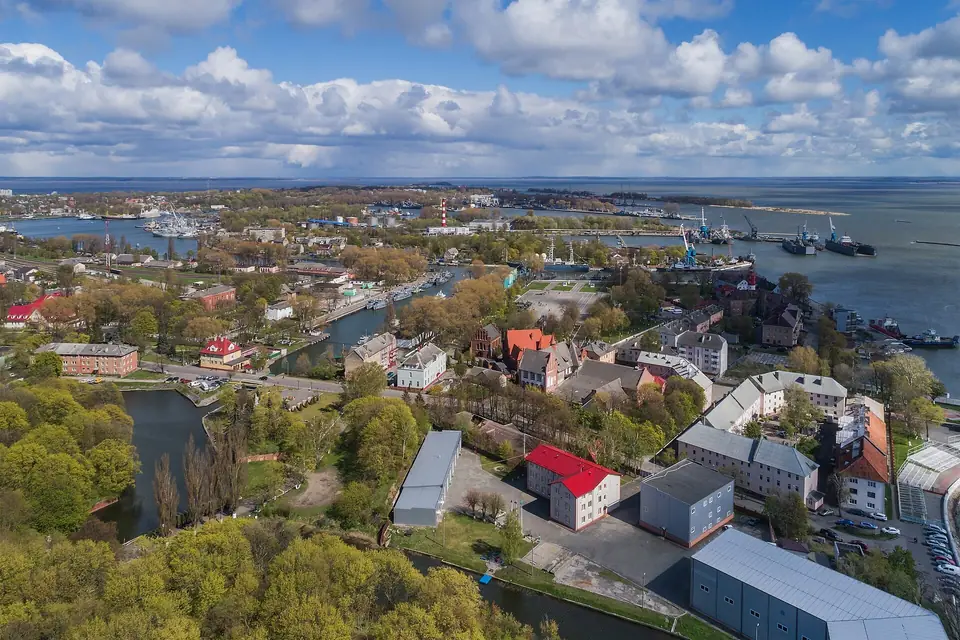
In the afternoon, travel west to explore the Sambian seaside towns. In Svetlogorsk, inspect the iconic 1908 Art Nouveau water tower and stroll along the clifftop pedestrian paths. Alternatively, visit Yantarny to walk the 1,980-metre coastal boardwalk that stretches parallel to wide sandy beaches and active amber extraction zones. Travellers focused on naval history can head south to Baltiysk to view the pentagonal bastion walls of the 1626 Pillau Citadel guarding the lagoon entrance.
Three-Day Kaliningrad Field Logistics
| Route Segment | Key Focal Points | Terrain & Transit Method | Recommended Focus |
|---|---|---|---|
| Day 1: Island & Harbour Core | Cathedral, Kant Tomb, Research Vessel Vityaz, Dohna Tower | Paved urban embankments, flat pedestrian bridges, walking | Maritime exploration and medieval foundations |
| Day 2: Fortresses & Suburbs | King's Gate, Fort No. 5, Amalienau Jugendstil Villas | Brick casemates, cobbled avenues, tram and taxi hops | Prussian military rings and pre-war domestic design |
| Day 3: Baltic Coastline | Curonian Spit, Efa Dune, Svetlogorsk or Yantarny Boardwalk | Sand dune boardwalks, regional railway, coastal highway | Coastal geomorphology and marine promenades |
Optimising Daily Routing and Seasonal Transitions
Winter travellers must factor in reduced daylight and cold conditions, with January recording average minimum temperatures of -3.5°C beside freezing coastal winds. Indoor maritime pavilions, gate museums, and organ recitals provide reliable shelter during damp spells. Spring arrives gradually, with April highs reaching 13.3°C and rainfall dropping to an annual low of 38 millimetres across 14 wet days, making it an excellent time for walking through Amalienau.
Summer brings long daylight hours, July highs of 23.5°C, and peak crowds along the coastal sandbars. To escape busy afternoon groups at Efa Dune or Svetlogorsk, begin coastal day trips before mid-morning. For selecting accommodation bases between historic central quarters and western residential avenues, review our recommendations on where to stay in Kaliningrad. Check official venue websites prior to departure to verify seasonal opening hours and ticket availability across all fortress complexes and research ships.
Where it is
- 1Kaliningrad
- Khrabrovo Airport (KGD) · about 21 km from Kaliningrad in a straight line
- Directions in Google Maps
Stations and taxi ranks: OpenStreetMap. Airports: OurAirports. Distances are in a straight line.
Traveller tips
Real advice from people who have been to Kaliningrad. Every tip is read by our team before it goes live.
No tips yet. Been here? Yours could be the first.
Thank you! Your tip will appear here after a quick review.
More in Kaliningrad
Continue exploring Kaliningrad with related neighbourhood, food, and planning guides
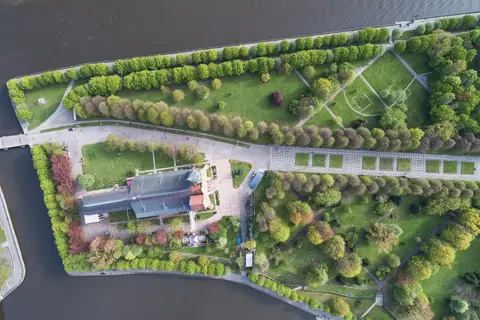
Kaliningrad: Exclave Geography, Historic Districts and Seasonal Planning
Kaliningrad, Russia
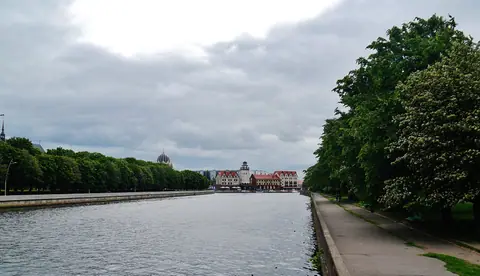
Things to Do in Kaliningrad: Prussian Monuments, Historic Fleet and Baltic Coast
Kaliningrad, Russia
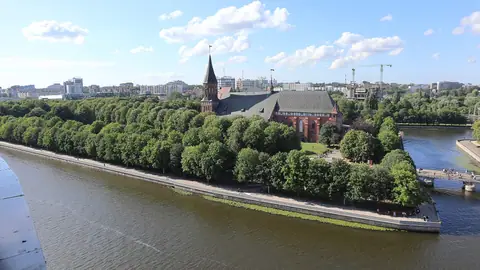
Kant Island and Königsberg Cathedral: Brick Gothic Architecture and Kant's Tomb
Kaliningrad, Russia
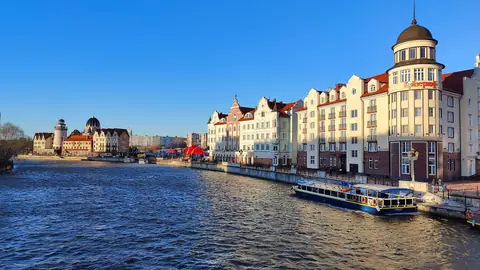
Fishing Village and Oktyabrsky Island: Quays, Synagogue and Bridges
Kaliningrad, Russia
