Photo: Bestalex · CC BY-SA 4.0
What to Eat in Kaliningrad: Königsberger Klopse, Baltic Seafood and Baked Marzipan
Taste authentic Königsberger Klopse, Baltic smoked flounder, frozen pelamida stroganina curls, and rosewater marzipan across historic dining spots in Kaliningrad.
Culinary Heritage of the Pregolya Basin
Kaliningrad cuisine reflects an unusual convergence of eighteenth-century East Prussian cooking traditions, maritime Baltic harvests, and Soviet port provisions. Local dining halls, riverfront taverns in the Fishing Village and Oktyabrsky Island, and historic fortress cellars maintain recipes shaped by the waters of the Pregolya River and the Curonian Lagoon. The region combines rich cream gravies, pickled garnishes, and preserved fish into a distinct northern table.
Maritime trade and naval voyages introduced specialised fish-handling techniques to the exclave over recent generations. Deep-freeze preservation methods merged seamlessly with older Prussian smoking and baking routines. Today, travellers encounter historic meat specialities served next to frozen fish appetisers and baked almond sweets found nowhere else in Russia.
Four Iconic Specialities of the Amber Coast
Every itinerary through the city requires sampling the foundational flavours that define regional menus:
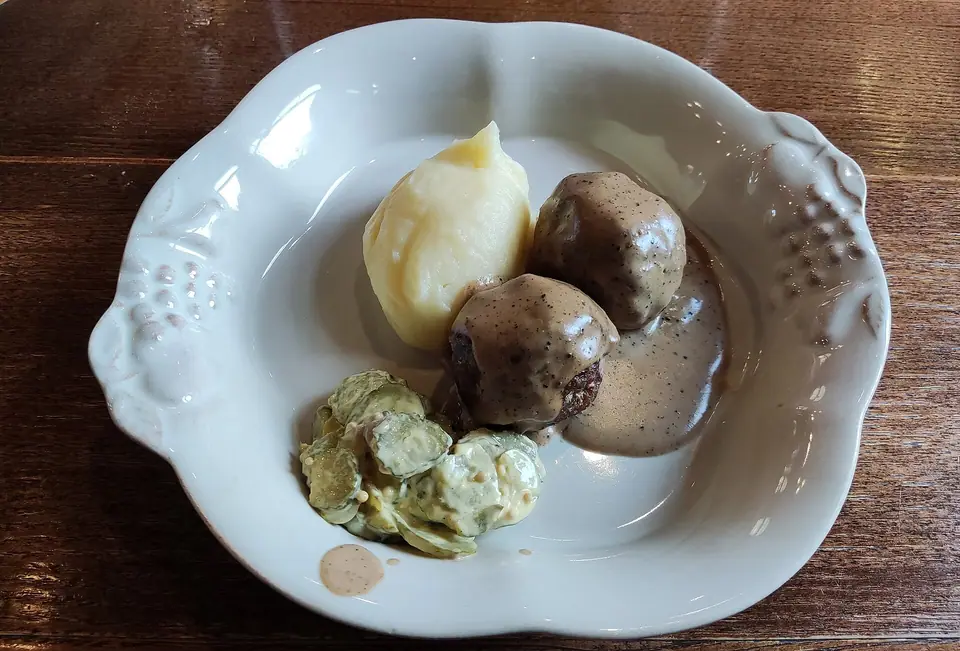
- Königsberger Klopse: This eighteenth-century East Prussian dish features tender simmered meatballs made from finely minced veal and pork blended with soaked white bread, egg, minced onion, parsley, and salted anchovy fillets. Chefs poach the dumplings in seasoned meat broth, then prepare a rich velouté by combining the broth with a pale flour roux, double cream, egg yolks, and copious capers. The tart sauce coats the meatballs, traditionally paired with boiled potatoes or potato purée, accompanied by sweet pickled beetroot or salted gherkins. During the Soviet period in East Germany, the dish received the neutral name Kochklopse to remove monarchist geography, while modern Kaliningrad restaurants celebrate its historic lineage.
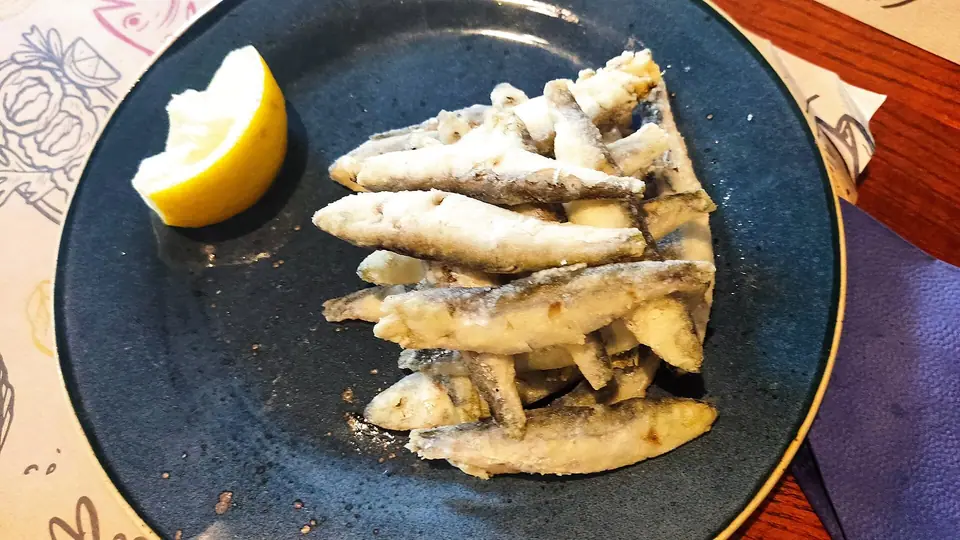
- Baltic Sprat and Flounder: Small silver Baltic sprats (baltiyskaya kilka) are dusted in seasoned flour and pan-fried whole until crisp, served with lemon wedges and malt vinegar. Flat Baltic flounder (kambala) has stood as a prized seaside staple since the nineteenth-century resort era of Cranz, now visited along the Zelenogradsk, Svetlogorsk and Yantarny coast. The white fish is fried skin-on in butter or gently smoked over alder shavings, delivering delicate, sweet flakes.
- Pelamida Stroganina: Conceived by merchant mariners and naval fleets returning to port, this Arctic-style raw fish course relies on solid-frozen Atlantic bonito (pelamida). Knife masters shave the icy fillets into tight, paper-thin ribbons that thaw rapidly on the tongue. Diners season the cold curls with ground black pepper, flaked salt, red onion rings, white vinegar, and sunflower oil or sharp mustard dressing.
- Königsberger Marzipan: First documented on 1 July 1526 during the royal wedding feast of Duke Albert of Prussia and Princess Dorothea of Denmark, this sweet became an international calling card. The Pomatti brothers opened the first dedicated factory in 1809, followed by master confectioner Gehlhaar in 1912. Unlike softer marzipan variants, the local recipe uses ground Mediterranean almonds with a higher proportion of bitter almonds, reduced sugar, and fragrant rosewater. Confectioners shape the paste and torch the top in a blistering oven to produce a dark, caramelised crust while preserving a moist interior.
Sourcing Fresh Flavours at the Central Market
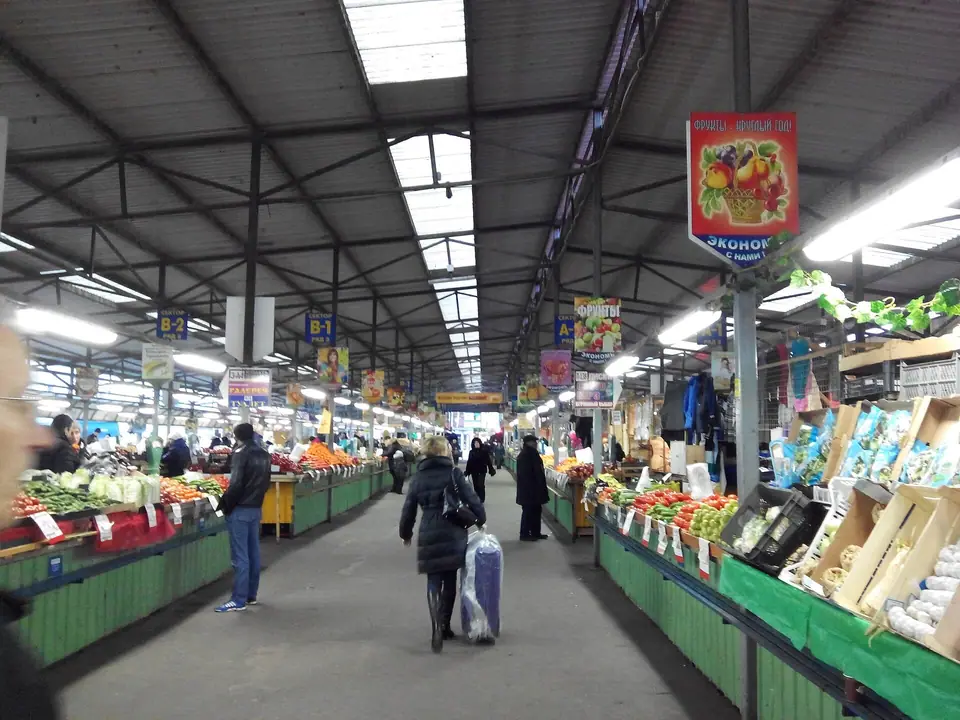
To understand the foundation of Kaliningrad domestic cooking, begin your morning at the Central Market near the Amber Museum, Dohna Tower and Upper Pond. The sprawling indoor pavilion houses specialised butcher halls, dairy stalls selling fermented tvorog, and expansive vegetable stands piled high with root vegetables.
The dedicated fish pavilion commands special attention from food enthusiasts. Long rows of marble counters display chilled Baltic cod, whole pike-perch, fresh sprat, and river lamprey from regional waterways. Smokehouses deliver freshly cured Curonian eel, butterfish, and golden flounder directly to traders every dawn. Visiting the market offers a direct view into how seasonal weather influences the catch. Winter brings cold sea sprats and salted herring, while late spring expands fresh lagoon catches and wild herbs.
| Signature Food Item | Primary Traditional Ingredients | Preparation and Cooking Style | Classic Serving Accompaniments |
|---|---|---|---|
| Königsberger Klopse | Minced veal, pork, milk bread, minced anchovy | Simmered in broth, finished in roux, cream, and caper sauce | Boiled potatoes, pickled diced beetroot, gherkins |
| Fried Baltic Sprat | Whole fresh Baltic sprats, seasoned flour, oil | Pan-fried or flash-fried until crisp and golden | Fresh lemon wedges, rye bread, dark Baltic beer |
| Pelamida Stroganina | Frozen Atlantic bonito, red onion rings | Shaved raw from frozen fish into paper-thin curls | Black pepper, coarse salt, vinegar, mustard dip |
| Baltic Flounder | Fresh Baltic flounder (kambala), butter | Pan-seared skin-on or hot-smoked over fruitwood | Buttered dill potatoes, cucumber salad |
| Königsberger Marzipan | Almond paste, bitter almonds, rosewater | Moulded and briefly torched in high heat for a glazed crust | Black tea, strong filter coffee |
Historic Gateways and Confectionery Museums
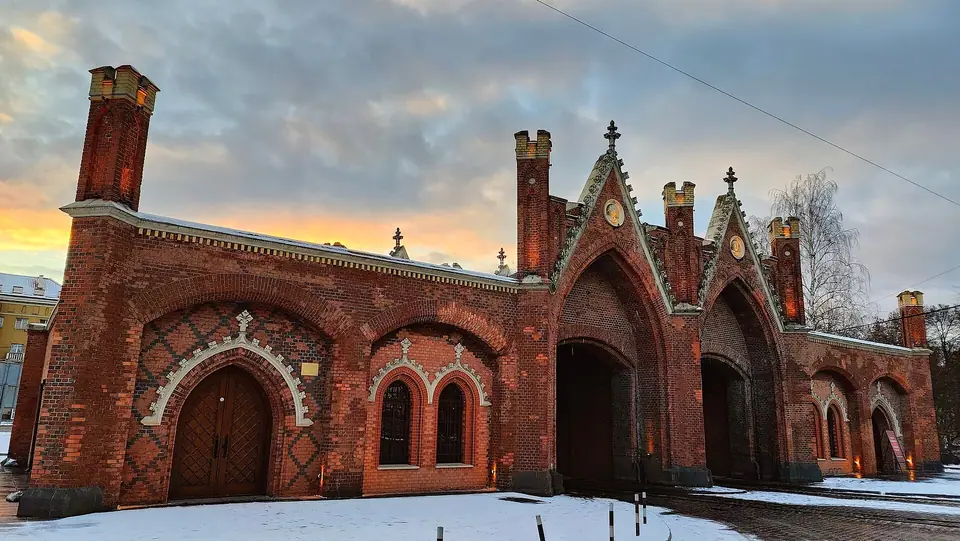
Exploring local confectionery heritage leads visitors directly into the defensive red-brick structures of the nineteenth century. South of the main railway station, the 1843 Brandenburg Gate houses a specialised marzipan museum and tasting counter. The vaulted gothic chambers display antique wooden moulds, metal tins from nineteenth-century confectioners, and intricate figures sculpted entirely from almond paste.
Visitors can inspect historic packaging from the Pomatti and Gehlhaar workshops while tasting classic scorched medallions. Combine your food excursions with walking routes mapped in our Kaliningrad Travel Guide to link historic confectionery stops with preserved civic architecture across Kneiphof and the outer bastions.
Seasonal Dining Rhythms and Practical Meal Planning
Maritime climate patterns shape what appears on local restaurant menus across the year. The open Baltic waters bring shifting temperatures and distinct seasonal winds that determine fishing fleet schedules:
- Winter Chills (January to February): Daytime highs hover near 1 degree Celsius with frequent wet days. This weather makes hearty pots of Königsberger Klopse, rich fish soups, and frozen pelamida shaved over warm potatoes especially satisfying.
- Spring Transitions (March to May): Temperatures climb steadily from 6 degrees in March to 18 degrees in May. Lagoon fisheries awaken, filling local bistros with fresh zander and spring flounder.
- Summer Catch (June to August): Summer sees pleasant highs between 21 and 24°C, matched by lively outdoor dining along river promenades. Cold kvass, fresh smoked eel, and pan-fried sprat dominate waterside menus.
- Autumn Harvests (September to November): Rainfall peaks with up to 18 wet days per month, making indoor bakeries, hot tea salons, and marzipan workshops around the historic gates inviting afternoon shelters.
When selecting restaurants, check official operator websites for current seasonal hours and table reservations, as independent venues frequently modify service schedules between summer and winter seasons. Enjoying these distinct recipes provides a delicious bridge across centuries of Baltic cultural history.
Where it is
- 1Kaliningrad
- Khrabrovo Airport (KGD) · about 21 km from Kaliningrad in a straight line
- Directions in Google Maps
Stations and taxi ranks: OpenStreetMap. Airports: OurAirports. Distances are in a straight line.
Traveller tips
Real advice from people who have been to Kaliningrad. Every tip is read by our team before it goes live.
No tips yet. Been here? Yours could be the first.
Thank you! Your tip will appear here after a quick review.
More in Kaliningrad
Continue exploring Kaliningrad with related neighbourhood, food, and planning guides
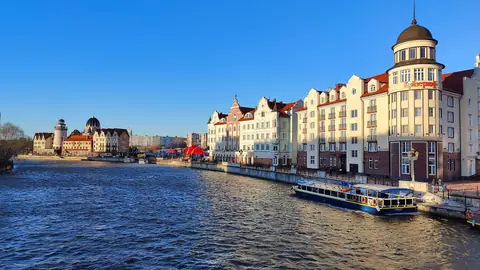
Fishing Village and Oktyabrsky Island: Quays, Synagogue and Bridges
Kaliningrad, Russia
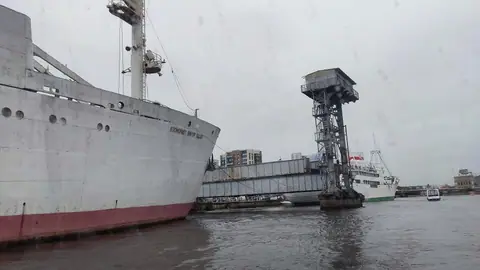
Museum of the World Ocean: Research Ships, Submarine B-413 and Historic Fleet Quay
Kaliningrad, Russia
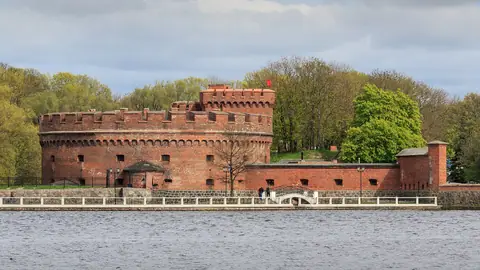
Amber Museum, Dohna Tower and Upper Pond: Fortress Casemates and Lakeside Promenades
Kaliningrad, Russia
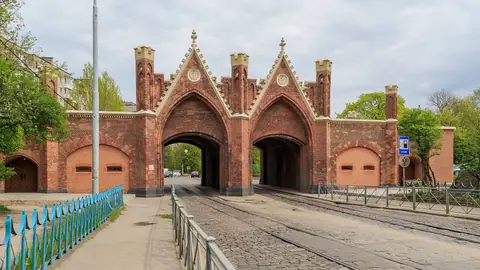
Kaliningrad City Gates and Fort No. 5: Prussian Defensive Architecture
Kaliningrad, Russia
