Tbilisi
Georgia capital Tbilisi pairs cliffside bathhouses, carved wooden balconies, river valleys, and underground metro links across distinct hillside districts.
Quick decisions
How many days?
Plan three full days to cover the riverbanks, castle slopes, and gallery avenues at a balanced walking rhythm.
Where should I stay?
Choose Chugureti for quiet flat streets, Sololaki for historic carved entryways, or Avlabari for quick metro hops across the gorge.
Do I need a car?
Keep urban movements entirely on foot, underground metro lines, or municipal buses, avoiding steep inner cobblestones in private cars.
Best for
Independent travellers who appreciate varied nineteenth-century residential architecture, sulfur bathhouses, and hearty regional bread dishes find lasting appeal across the valley.
Before you go
Pack sturdy footwear with reliable grip for slick cobbled descents, and carry shoulder wraps when entering working Orthodox parish churches.
Getting around
Tap contactless bank cards on public buses, ride the deep Soviet metro shafts, or board cable cars over river parklands.
Continue your trip
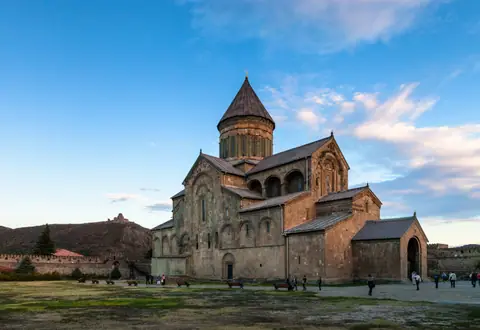
Catch regional marshrutka minibuses or commuter trains north towards the historic cathedral town of Mtskheta on day trips.
Overview
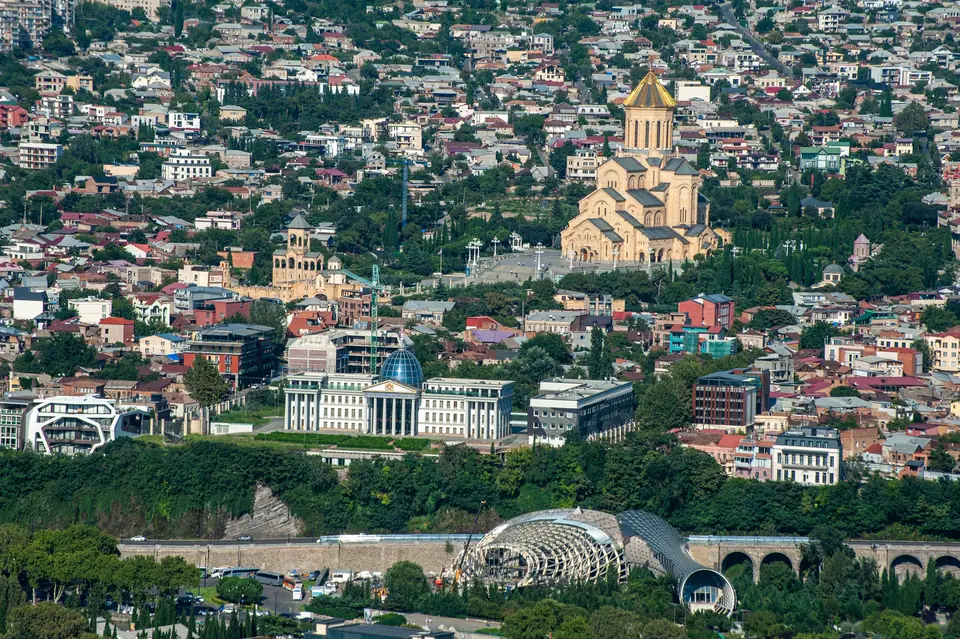
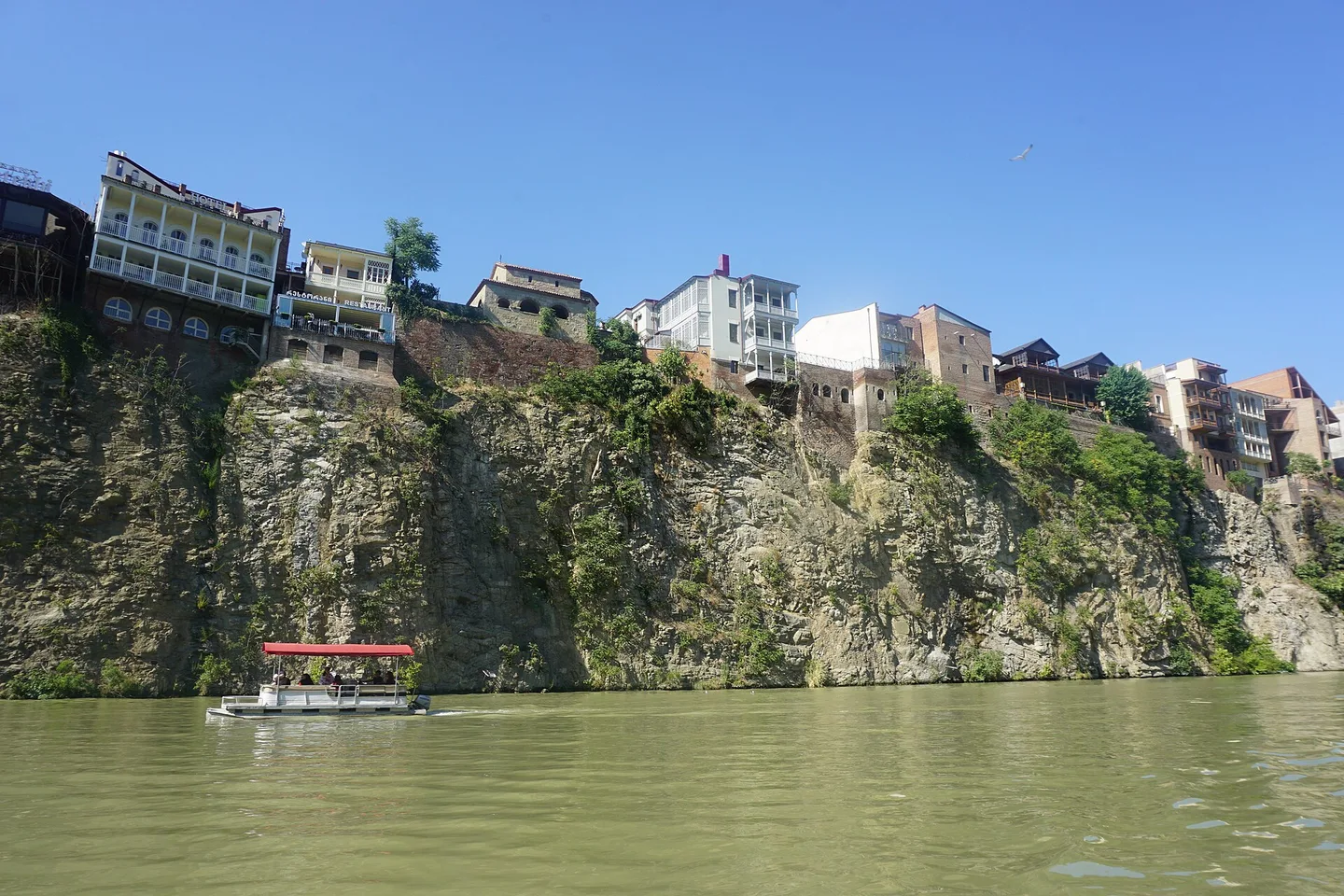
Tbilisi sits along the deep gorges carved by the Mtkvari River, spreading up surrounding ridges into steep, verdant hillsides. The Georgian capital retains centuries of multicultural trade routes visible in its diverse houses of worship, bathhouses, and ornate residential courtyards. High above the southern riverbank, medieval fortresses look down on red clay roof tiles and winding footpaths that connect traditional bath quarters with modern leafy boulevards.
Walking through the core reveals layers of timber-framed galleries, Russian imperial avenues, and Soviet concrete structures integrated across uneven terrain. Summer daytime warmth frequently peaks around 30.2°C during July and August, while crisp winter mornings drop to -2.1°C in January. Spring months like May bring mild afternoons near 21.2°C alongside periodic cloudbursts, making early riverfront morning wanders especially pleasant across all quarters.
Autumn weather brings clear horizons and moderate temperatures across the valley floor. October typically records daytime highs around 17.4°C and night temperatures near 9.1°C, accompanied by around 58 millimetres of rainfall. By November, afternoons cool down to 11.4°C while morning readings average 3.2°C. The river gorge often channels fresh mountain breezes that sweep through hillside residential districts.
February remains cold with morning lows averaging -0.8°C and modest precipitation of roughly 25 millimetres. March introduces initial spring warming as afternoon highs climb towards 11.2°C, though rain levels increase to around 71 millimetres across the month. April continues this warming trend with daytime highs averaging 16.8°C and lows near 6.3°C. These shifting seasonal cycles influence foot traffic and outdoor terrace gatherings throughout the central quarters.
Getting there
Arriving by air or mainline rail brings visitors towards road and subterranean arteries running parallel to the Mtkvari River. Confirm airport buses, mainline rail stations, and municipal transfer cards via Tbilisi flight and rail arrival corridors before touching down.
The Tbilisi metro operates two deep lines cutting through central stops, connecting residential outskirts to Station Square and Rustaveli. Municipal buses cross both riverbanks, while the Rike aerial ropeway carries foot passengers up toward mountain ridgelines without tackling steep tarmac climbs. Underground escalators descend into tiled Soviet-era stations that stay cool during peak summer heat.
Mainline trains terminate at Station Square, linking national rail lines, surface buses, and both metro lines at one interchange. Regional marshrutka minibuses gather near outer road exchanges. Above-ground buses open river gorge vistas across town, while deep underground carriages speed up north-south hops. Contactless bank cards and local Metromoney transit cards tap straight onto metro turnstiles and bus readers.
Where to stay
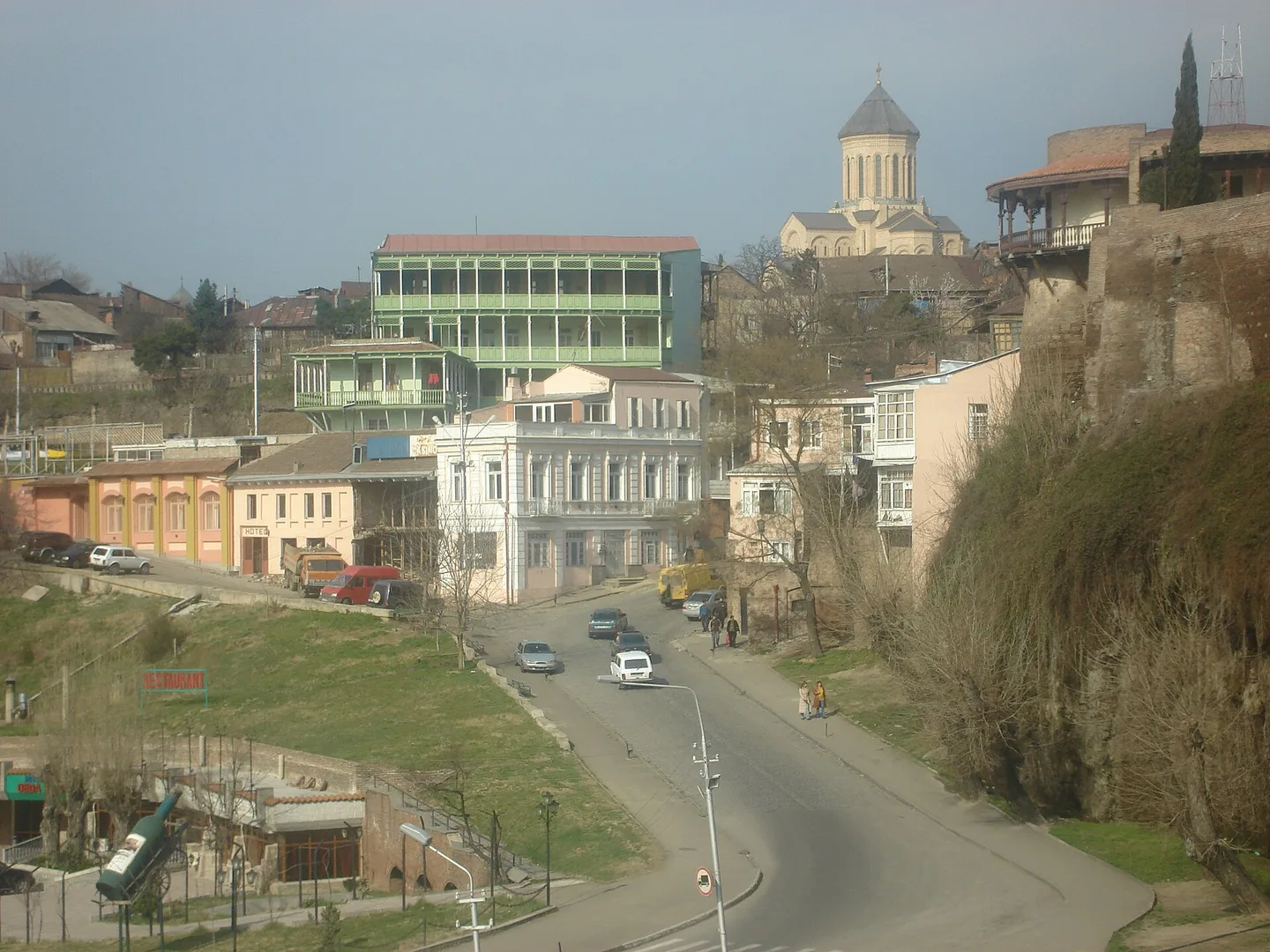
Selecting a neighbourhood depends heavily on your tolerance for uphill climbs, nightly quiet, and direct access to transit stations. The Sololaki district offers grand nineteenth-century residential facades, hidden interior courtyards, and immediate walking access to Liberty Square, though several backstreets feature steep inclines. Kala, the oldest historic enclave, puts thermal baths and fortress trails at your doorstep, but evening tavern crowds can echo across narrow stone passages.
Travellers seeking flatter terrain and local bakeries often prefer Chugureti on the eastern riverbank, where renovated heritage buildings mix with neighbourhood markets. Avlabari sits across the river cliff above the gorge with its own underground metro stop. Compare hill gradients, street noise, and metro access across central Tbilisi accommodation districts before booking your room.
Vake stretches further west along broad avenues lined with mature plane trees, offering quiet parks, speciality grocers, and modern apartment blocks. While Vake lacks a direct metro stop, frequent municipal buses link its central avenues to Rustaveli within twenty minutes. Vera rises between Rustaveli and Vake on hillside terraces marked by stone stairways, plane trees, and quiet wine bars. These varied districts balance central access with calm overnight stays.
Things to do
A balanced city circuit starts along the bathhouse domes of Abanotubani before ascending past rocky bluffs towards ancient fortress ramparts. From high ridge overlooks, pathways lead downwards into the botanical gardens or trace historic residential streets. Set aside morning hours for museums along Rustaveli Avenue, where vaulted galleries display Colchian goldwork and modern painting. Checking museum opening days and seasonal ropeway schedules ahead avoids closed doors on Mondays.
Across the river, the vast precinct of Holy Trinity Cathedral crowns the Avlabari skyline above stone terraces and bell towers. Down below, Rike Park opens onto riverside footpaths where evening walkers watch reflection lights play across the water. Pair Abanotubani bathhouses, galleries, and river bridges smoothly inside a paced three-day Tbilisi walking route for sensible daily climbs.
Narikala Fortress crowns the high ridge above the Old Town, offering sweeping views of the entire Mtkvari river basin. Walking paths wind down through rocky outcrops into the gorge where natural hot springs feed the domed brick bathhouses. Further north along the river, the Dry Bridge flea market gathers local dealers selling vintage cameras, antique carpets, and mid-century porcelain. Exploring these varied sites reveals how historic fortifications and everyday residential quarters meet along the steep valley edges.
Food and drink
Dining in Tbilisi revolves around communal tables laden with filled breads, vegetable pastes, and rich meat stews. Khinkali dumplings arrive steaming hot, twisted with dough pleats that enclose savoury broths, meant to be eaten carefully by hand without cutlery. Khachapuri takes diverse regional forms, from folded cheese loaves to boat-shaped dough filled with melted sulguni cheese and rich egg yolks.
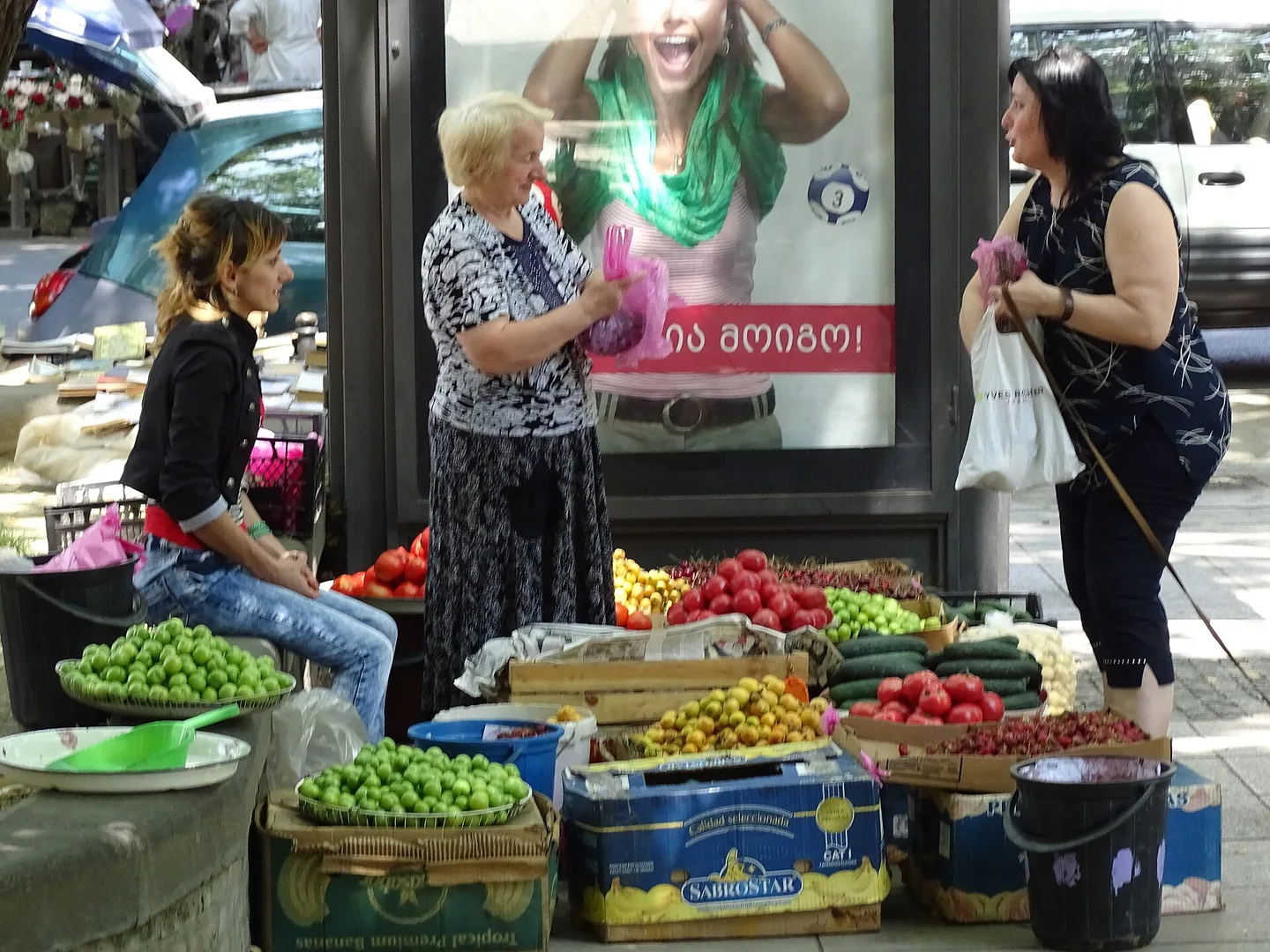
Fresh walnuts, garlic, coriander, and pomegranate grains flavour cold aubergine rolls known as badrijani nigvzit across traditional tavern menus. To understand raw ingredients, visit the lively stalls of the Deserters Bazaar near Station Square, where vendors sell seasonal fruit, mountain cheeses, and walnut sweets. Pair hearty dinners with amber wines fermented inside clay vessels called qvevri, an ancient method practiced continuously throughout Georgia.
Slow-simmered dishes such as chashushuli bring tender beef together with tomatoes, onions, and fragrant mountain herbs in clay pots. Fresh herb platters featuring purple basil, tarragon, and green coriander accompany almost every traditional meal. Crispy cornbread rounds known as mchadi pair naturally with salty cheeses and bean stews served in earthenware bowls. These distinctive culinary traditions reflect local agriculture shaped by diverse microclimates across eastern Georgia.
Culture
Local customs place great emphasis on generous hospitality, formal toasts at family feasts, and quiet reverence inside historic places of worship. When entering Orthodox shrines, women cover their heads and wear knee-length skirts, while men remove caps and avoid wearing shorts. Keep voices low near candle stands and avoid stepping into active clerical services without explicit permission from wardens.
Tipping around ten per cent is customary at casual cafes and historic taverns, though some establishments add service directly to final bills. English is widely spoken among younger hospitality staff and metro counters, though learning basic Georgian greetings shows warm courtesy. Pair metro lines, buses, and hillside ropeways via Tbilisi public transit connections before heading uphill each morning.
The traditional supra feast remains an important social institution led by a toastmaster known as the tamada. Formal toasts celebrate friendship, peace, ancestry, and the natural beauty of the land in a structured order. Street life stays relaxed well into the evening, with family gatherings filling public benches across park squares. Showing appreciation for local customs and ancient wine traditions helps build warm connections with neighbourhood residents.
Official prices and opening hours
- Tbilisi Metro, City Buses & Rike–Narikala Cable CarOfficial site ↗
- Georgian National Museum (Rustaveli Avenue)Official site ↗
Weather by month
Tbilisi is warmest in August, with average highs around 30°C, and coldest in January, when nights drop to about -2°C. May is the wettest month by rainfall (101 mm), with rain on about 14 days. For mild weather with fewer rainy days, aim for September.
| Month | Low | Range | High | Rain | Rainy days |
|---|---|---|---|---|---|
| Jan | -2°C | 6°C | 22 mm | 6 d | |
| Feb | -1°C | 8°C | 25 mm | 6 d | |
| Mar | 2°C | 11°C | 71 mm | 12 d | |
| Apr | 6°C | 17°C | 81 mm | 12 d | |
| May | 11°C | 21°C | 101 mm | 14 d | |
| Jun | 16°C | 27°C | 76 mm | 10 d | |
| Jul | 19°C | 30°C | 50 mm | 7 d | |
| Aug | 19°C | 30°C | 31 mm | 6 d | |
| Sep | 15°C | 25°C | 50 mm | 7 d | |
| Oct | 9°C | 17°C | 58 mm | 9 d | |
| Nov | 3°C | 11°C | 48 mm | 7 d | |
| Dec | 0°C | 7°C | 28 mm | 6 d |
Averages of daily values from 2015 to 2024. Rainy days are days with at least 1 mm of rain. Source: Open-Meteo · Compare destinations by month.
Tbilisi on the map
Every place we cover in Tbilisi. Tap a category or pin to explore.
In-depth Tbilisi guides
Browse the guides grouped by topic: sights, neighbourhoods, food, transport, day trips and trip planning.
Sights, Landmarks & Parks
Key monuments, viewpoints, museums and nature trails.
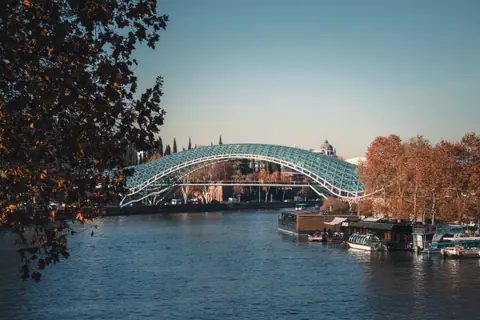 Things to Do in Tbilisi: Neighbourhood Walks, Bathhouses, and Modernist RelicsDistinct riverside districts, architectural layers, and historic squares guide navigation through Tbilisi rather than arbitrary citywide tourist checklists.
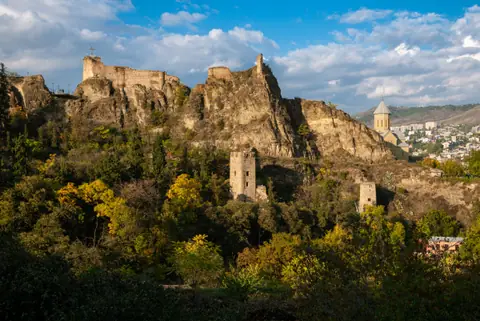 Narikala Fortress and the National Botanical Garden: Ridge Walking GuideNarikala Fortress crowns the Sololaki ridge above Tbilisi, opening downhill paths directly into the deep, shaded Tsavkisis-Tskali Gorge below.
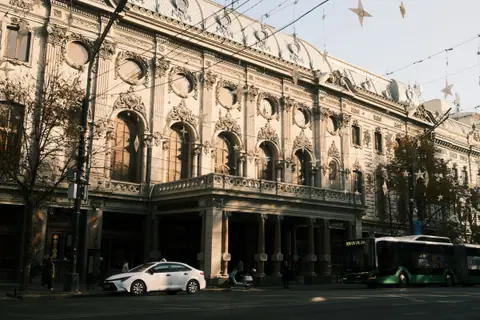 Rustaveli Avenue and Tbilisi's Museum Quarter Walking GuideRustaveli Avenue forms the ceremonial spine of central Tbilisi, connecting grand neoclassical theatres, national museums, and historic civic landmarks.
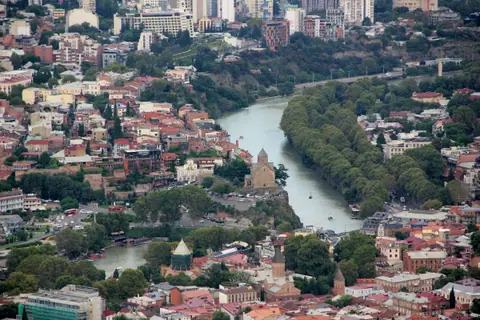 Avlabari and Metekhi: Exploring Tbilisi Across the MtkvariRising high above the Mtkvari River, Metekhi cliff and the Avlabari district offer historic churches, quiet lanes, and sweeping Old Town panoramas.
Neighbourhoods & Where to Stay
Districts, historic quarters and the best bases for your stay.
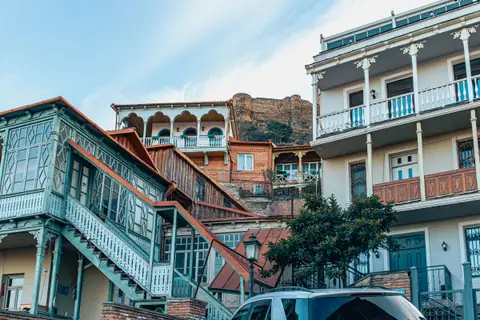 Where to Stay in Tbilisi: Pick a Base That Fits Your RouteChoosing the right Tbilisi neighbourhood shapes your daily walks across riverside hills, historic sulphur bath districts, and cultural avenues.
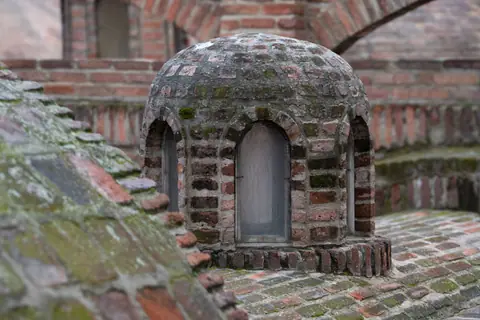 Old Tbilisi and Abanotubani: Walking the Bath QuarterOld Tbilisi gathers thermal waters beneath Abanotubani, where brick domes rise alongside winding streets, carved balconies, and historic riverside trails.
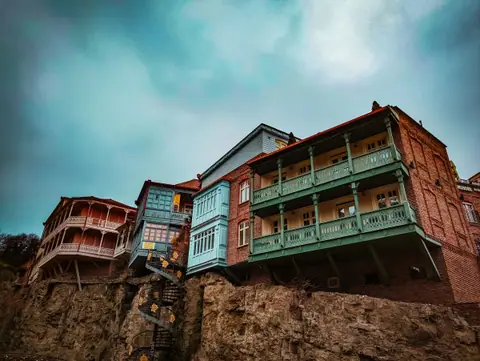 Sololaki Architecture Walk: Tbilisi Balconies and CourtyardsNineteenth-century carved balconies, stone entryways, and layered internal courtyards reveal Tbilisi architectural evolution across the residential heritage of Sololaki.
Food & Drink
Local dishes, markets, cafés and dining districts.
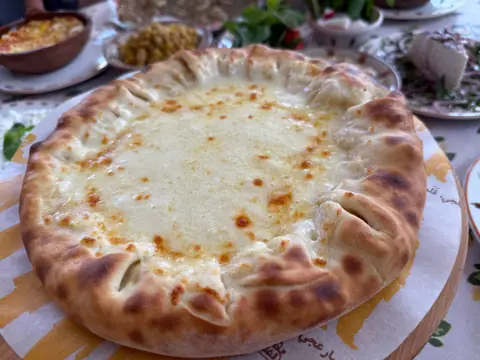 What to Eat in Tbilisi: Georgian Dishes and Table CustomsGeorgian food in Tbilisi pairs hearty oven breads with mountain dumplings, spiced walnut sauces, and ancient terracotta wine traditions.
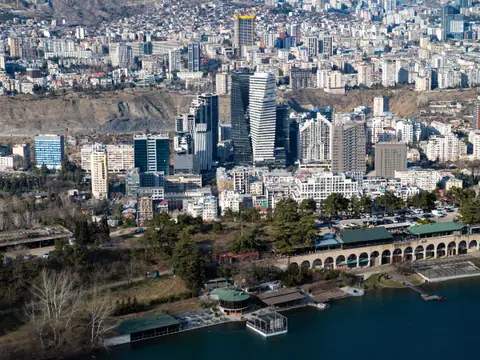 Chugureti and Deserters' Bazaar: A Market Walk Across Tbilisi's Left BankWe trace Tbilisi's left bank through historic Chugureti courtyards and the cavernous food stalls of the sprawling Deserters' Bazaar.
Getting Around & Arrival
Airport transfers, public transit, passes and driving rules.
 Arriving in Tbilisi by Air, Rail, and Regional CoachReaching the Georgian capital involves coordinating between the international airport, the central railway terminal, and decentralised long-distance coach stations.
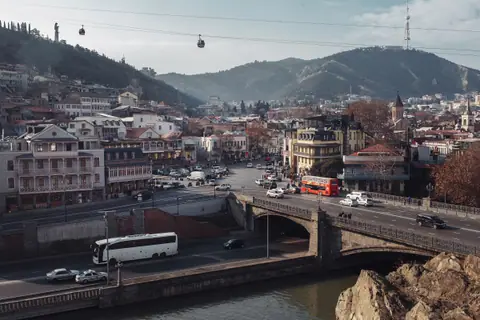 Getting Around Tbilisi: Navigating Transit, Cable Cars and HillsNavigating the Georgian capital requires understanding its deep underground lines, river crossings, hillside aerial cable cars, and steep heritage quarters.
Day Trips & Excursions
Easy half-day and full-day trips from the city.
Trip Planning & Itineraries
When to visit, what to pack and day-by-day routes.
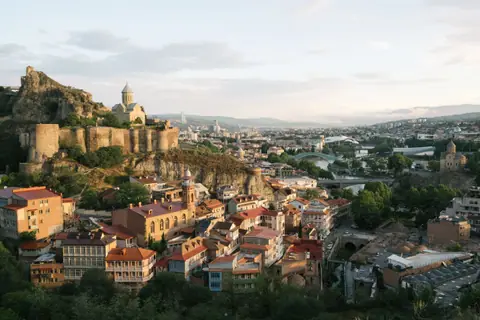 Tbilisi: Reading the City by River, Ridge and DistrictRiver valley geography, fortress slopes, and varied avenues link Tbilisi districts into a cohesive walking itinerary for visitors.
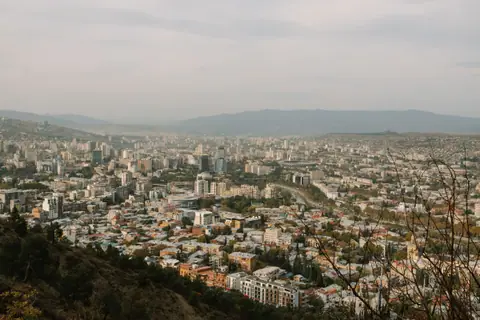 Tbilisi Across the Seasons: River Basin Heat, Mountain Breezes and Autumn LightChoosing the ideal months in Tbilisi means balancing valley heat, hillside breezes, and the seasonal rhythm of old riverfront districts.
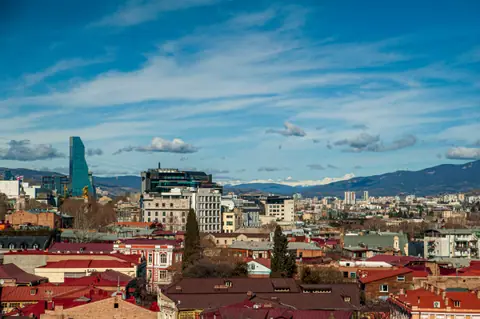 Three Days in Tbilisi: A River-to-Ridge City PlanWe navigate Tbilisi across three structured days, connecting medieval river quarters to panoramic ridges through historic streets and cultural landmarks.
Need your embassy or consulate in Georgia? See embassies and consulates in Georgia.
Reviews
Log in to write a review.
No reviews yet.