Photo: Moahim · CC BY-SA 4.0
Day Trip to Mtskheta from Tbilisi: Sacred Heritage and River Confluences
Ancient royal monuments, soaring clifftop monasteries, and the famous confluence of rivers await just north of Georgia's capital.
Northward Journeys Along the Georgian Highway
Leaving the capital behind allows us to encounter the spiritual cradle of the country within a remarkably short journey. The ancient settlement served as the royal heartland for centuries before kings shifted their seat southward towards warm sulfur springs. Travelling along the northern highway follows the course of winding waters through dramatic valley gaps. We coordinate departures smoothly by checking our transit connections across Georgia before setting off in the morning.
Local shared minivans and regional coaches depart regularly from northern bus hubs on the city perimeter. Passengers find themselves rolling through narrow gorges where steep hills flank the tarmac. The road traces paths cut by traders, soldiers, and pilgrims across two millennia of history. We prefer early departures to enjoy quiet alleys before mid-morning coaches arrive from the capital.
The brief travel interval along the northern route presents changing topographies within twenty minutes of leaving city limits. Urban apartment blocks give way to steep shale banks, terraced fruit trees, and quiet riverside pastures. Moving through this geographic bottleneck clarifies why ancient strategists established defensive watchposts along these cliffs. Modern highways follow ancient caravan lanes that linked the Black Sea coast with interior trade corridors.
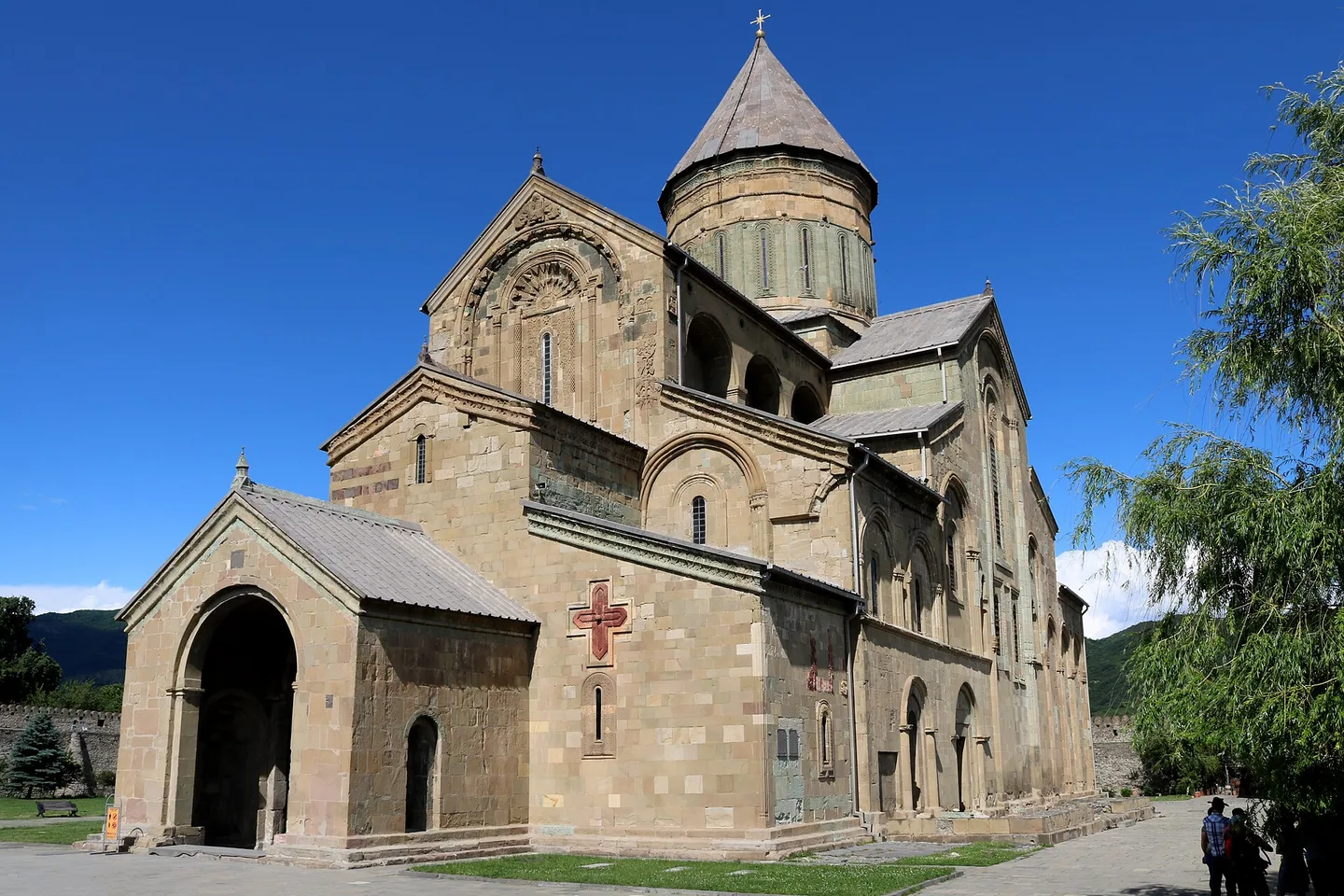
Svetitskhoveli Cathedral and the Historic Core
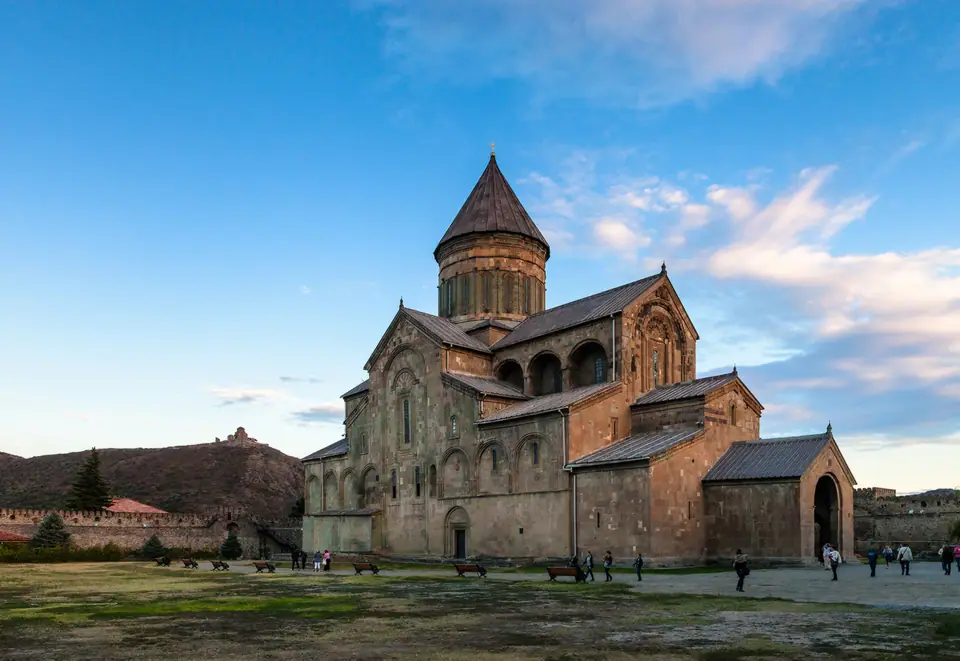
At the physical and spiritual centre of the settlement rises an enormous medieval complex surrounded by stone defensive walls. Svetitskhoveli Cathedral represents an architectural pinnacle of traditional ecclesiastical design, featuring towering facades decorated with intricate bas-relief carvings. Inside the cavernous nave, filtered daylight illuminates ancient royal graves, faded fresco fragments, and soaring vaults. Visitors walk across flagstones where early monarchs received baptism and crownings.
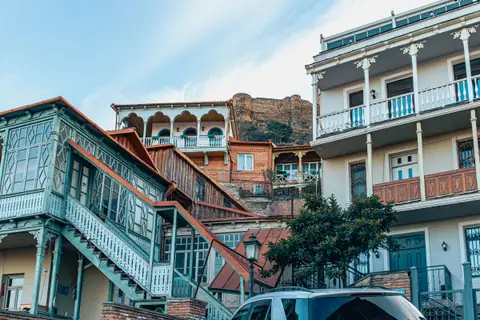
Surrounding the cathedral grounds, restored pedestrian lanes invite quiet exploration between timber-balconied houses and small courtyards. Vendors display regional sweets, clay jugs, woollen socks, and bottles of local vintage beneath vine trellises. This compact quarter is remarkably flat, making on-foot wandering effortless between cultural stops. Visitors can pair this historical circuit with our curated guide to Tbilisi cultural highlights when structuring their daily holiday schedule.
Architectural carvings on the external cathedral masonry present symbolic motifs dating to the eleventh century. Reliefs carved into yellow tufa stone depict vines, grape clusters, and guardian figures that reflect ancient agricultural devotions. Inside, royal tombs mark the final resting grounds of monarchical dynasties who governed during key centuries. Walking quietly across these inscribed slabs reveals historic epitaphs inscribed in archaic ecclesiastical lettering.
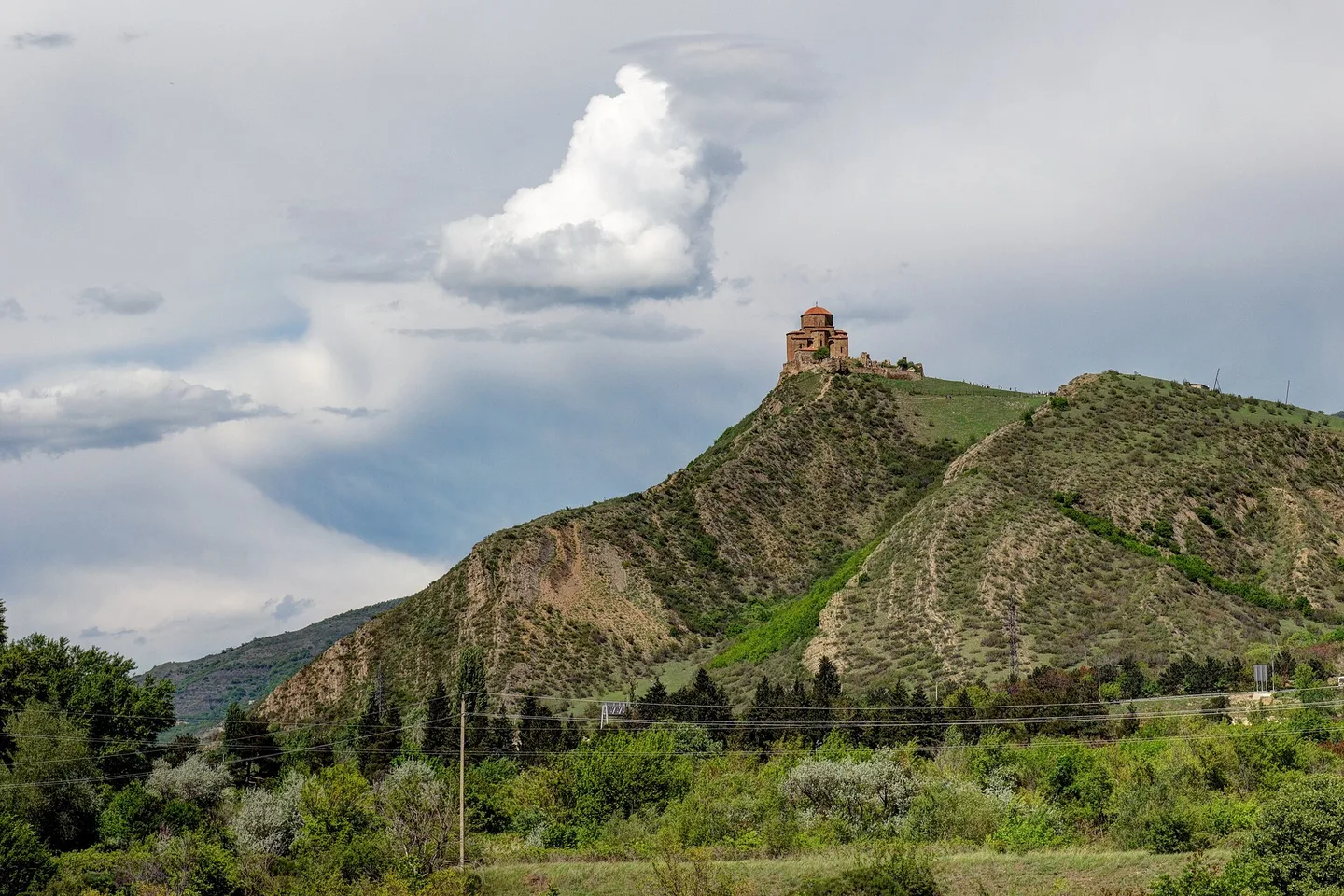
Jvari Monastery and the River Confluence
High above the valley floor perches the sixth-century Jvari Monastery, clinging to the edge of a jagged rock promontory. Reaching this clifftop sanctuary requires taking a private hire vehicle or taxi from the riverside town below. The cross-shaped stone building has withstood wild mountain winds, regional conflicts, and weathering for roughly fifteen centuries. Its weathered stonework and severe silhouette define early Christian architecture across the South Caucasus.
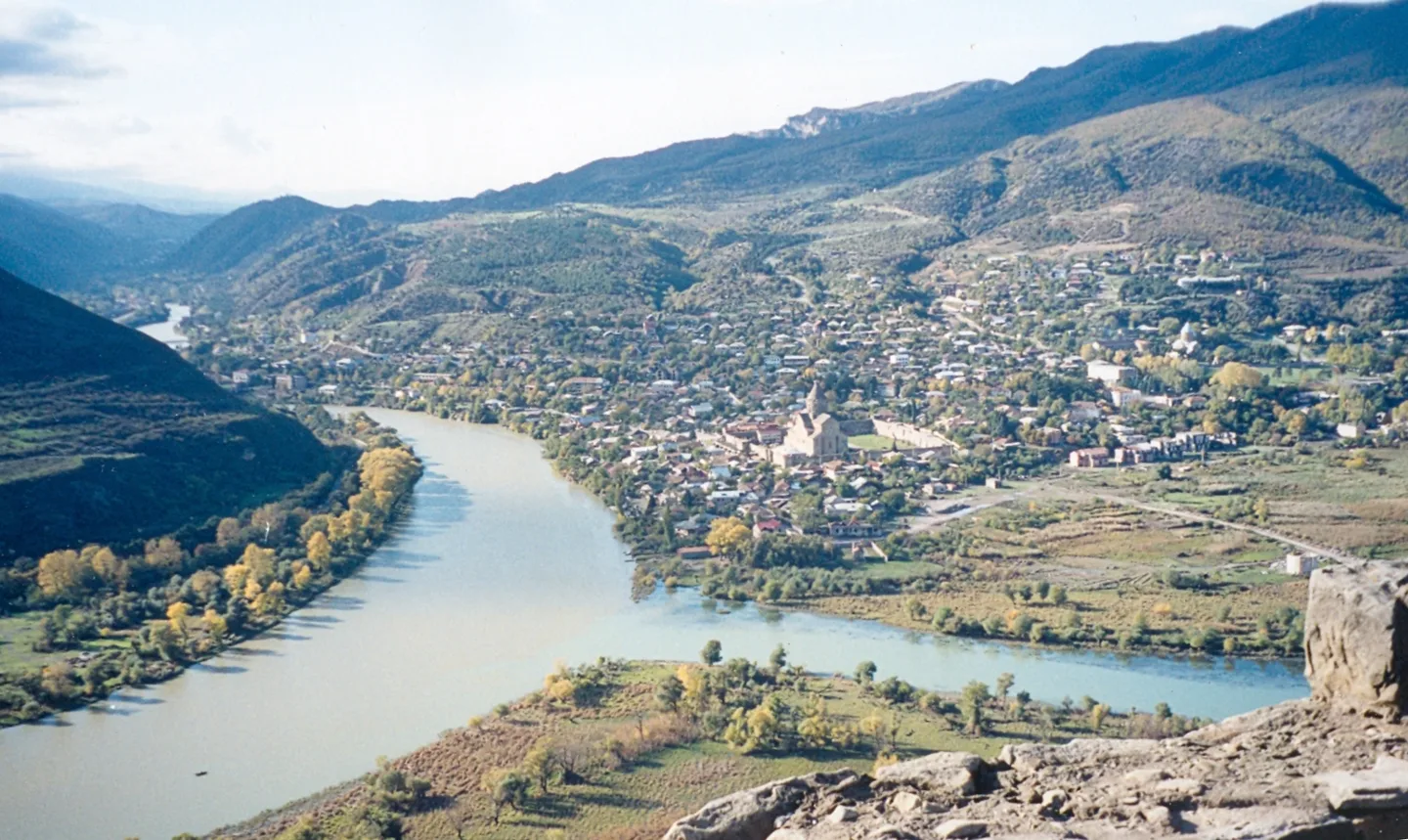
Standing on the monastery terrace reveals one of the most celebrated panoramas in all of Georgia. Below our vantage point, two major rivers meet in a sweeping curve of contrasting currents. The darker waters of the Aragvi blend slowly into the silt-laden flow of the Mtkvari. We appreciate the geography of the ancient kingdom, where natural river arteries provided both defence and prosperous trade channels.
The monastery interior preserves a tetranconch floor plan that influenced ecclesiastical construction across eastern provinces for centuries. Thick walls cut from local stone dampen exterior winds, creating a serene indoor environment for quiet reflection. Visitors observe remnant stone pedestals where wooden crosses originally welcomed travellers journeying along trans-Caucasian trails. The stone structure stands without artificial heating, maintaining cool interior temperatures even during warm summer afternoons.
Practical Outings and Return Route Planning
Organising this excursion works best as a relaxed half-day or extended single-day outing from the modern urban core. Here is how we recommend sequencing your itinerary to experience both historical sites and river views comfortably:
- Morning: Take regional transit from the city edge straight into the historic town centre.
- Late Morning: Spend dedicated time wandering Svetitskhoveli Cathedral and the shaded surrounding alleys.
- Midday: Catch a local taxi up to Jvari Monastery for clifftop views across the two rivers.
- Afternoon: Return to town for regional bread and savoury stews before catching transport back to the capital.
Taxis gather conveniently outside the cathedral precinct to carry passengers up the winding mountain switchbacks towards Jvari. Agreeing on a round-trip fare that includes waiting time at the summit keeps the excursion simple and stress-free. Afterwards, local minivans return travellers promptly towards urban metro terminals, leaving evenings free for dining in the old districts.
Packing water bottles and sun protection proves sensible when exploring both elevated summits and open stone courtyards. Elevated ridges around Jvari experience brisk mountain gusts regardless of weather conditions down in the valley basin. Wearing sturdy walking footwear assists with navigating weathered cobblestone alleys, uneven flagstones, and gravel paths across historic areas. Returning to central Tbilisi by late afternoon leaves ample time to enjoy riverside parks and open-air bistros.
Official prices and opening hours
- Tbilisi Metro, City Buses & Rike–Narikala Cable CarOfficial site ↗
- Georgian National Museum (Rustaveli Avenue)Official site ↗
Where it is
- 1Day Trip to Mtskheta from Tbilisi
- Tbilisi International Airport (TBS) · about 27 km from here in a straight line
- Directions in Google Maps
Stations and taxi ranks: OpenStreetMap. Airports: OurAirports. Distances are in a straight line.
Traveller tips
Real advice from people who have been to Tbilisi. Every tip is read by our team before it goes live.
No tips yet. Been here? Yours could be the first.
Thank you! Your tip will appear here after a quick review.
More in Tbilisi
Continue exploring Tbilisi with related neighbourhood, food, and planning guides