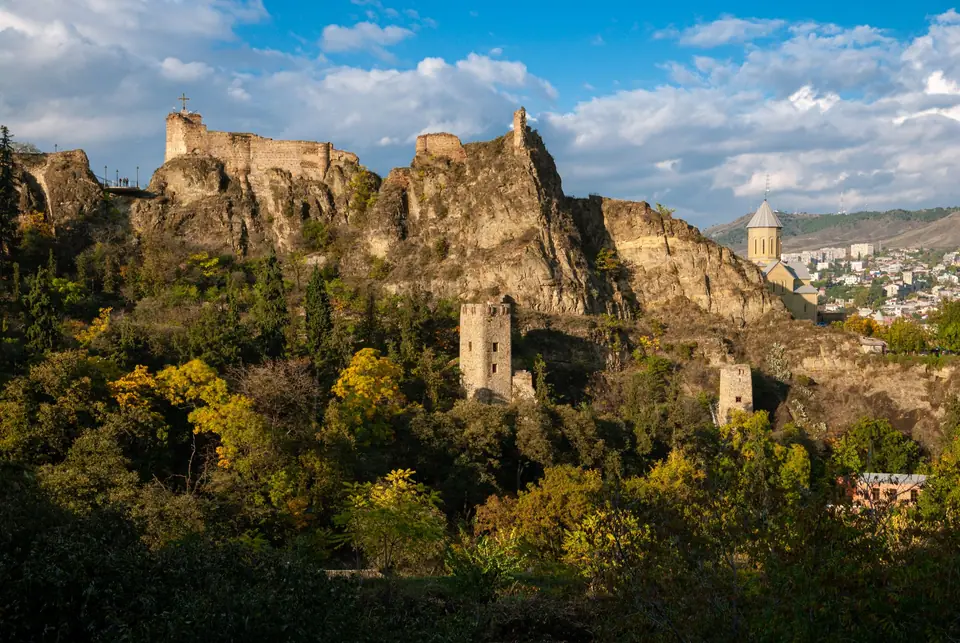
Narikala Fortress and the National Botanical Garden: Ridge Walking Guide
Narikala Fortress crowns the Sololaki ridge above Tbilisi, opening downhill paths directly into the deep, shaded Tsavkisis-Tskali Gorge below.
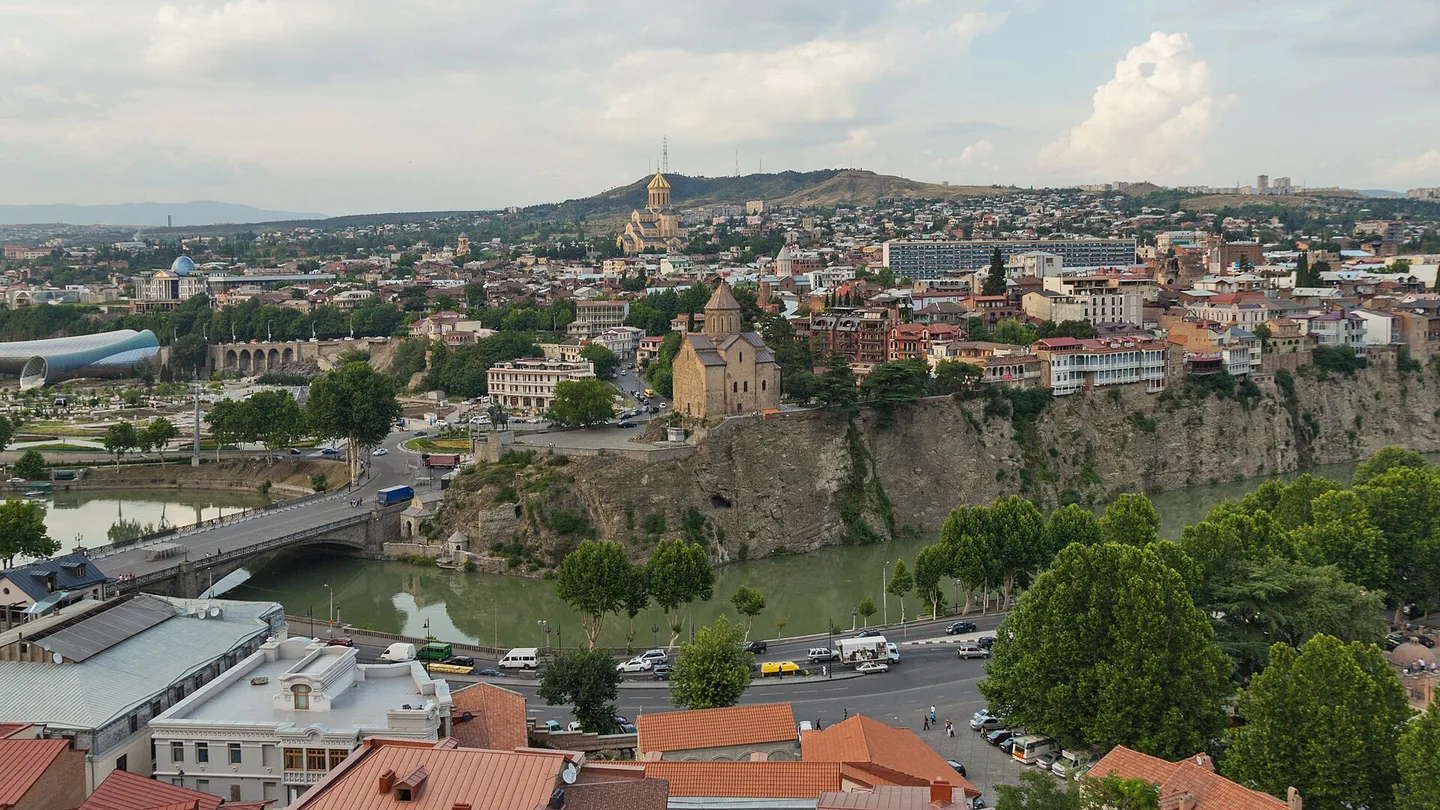
Tbilisi spreads across a winding river bowl, defined by the sheer crest of the Sololaki ridge that rises steeply above the Old Town. Narikala Fortress stands directly along this jagged rock outcrop, surveying both the urban river bends and the secluded gorge tucked behind the mountain. Ascending the hill rewards walkers with wide views across red-tiled roofs, church spires, and modern civic footbridges.
The simplest way to gain height begins down in Rike Park, where cable car cabins lift passengers smoothly over the Kura River towards the fortress crest. Travellers who prefer climbing on foot can pick their way up ancient cobblestone lanes from Meidan Square. The climbing route passes hillside houses adorned with traditional carved wooden balconies. Taking the aerial route saves stamina, leaving plenty of energy for rambling along the stone terraces.
Panoramic Paths Across the Upper Fortress
Once atop the upper ridge, stone footpaths trace the perimeter walls of the ancient citadel. The ramparts expose sweeping panoramas towards the distant Caucasus ranges, making it an essential inclusion when arranging things to do across central districts. Walking along the crest requires sensible footwear, as uneven flagstones and worn rock steps can turn slick after sudden mountain showers.
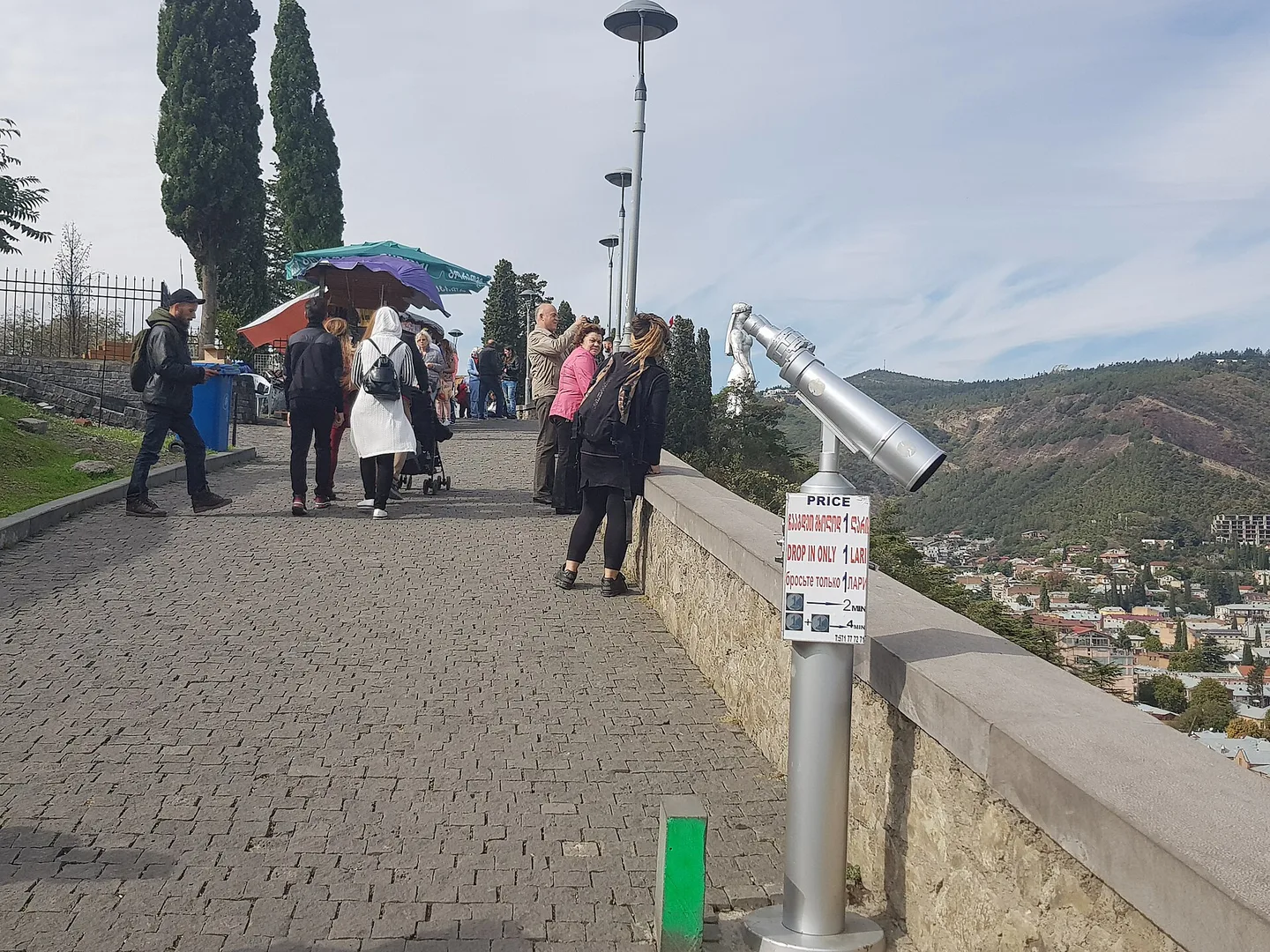
Just west of the fortress gates, the ridge trail connects towards the monumental statue of Kartlis Deda, Mother of Georgia. This path stays relatively level, offering continuous visual contrasts between the packed urban street grid to the north and the quiet wilderness tucked to the south. The open ridge catches pleasant mountain breezes, making it a refreshing escape during hotter summer afternoons.
Walking along this elevated crest connects historical defense lines with open scenic viewpoints. Sololaki ridge acts as a natural division between the dense river valley settlements and the quiet forested ravines behind the mountain. Sturdy masonry along the parapets reveals centuries of rebuilding, showing layers of brick, river rock, and cut stone laid into the cliff face.
| Route Section | Starting Point | Walking Surface | Primary View |
|---|---|---|---|
| Fortress Ramparts | Upper Cable Car Station | Rough stone flagstones and steps | Old Town roofs and river bend |
| Mother of Georgia Trail | Narikala West Gate | Paved ridge pedestrian path | City skyline and southern hills |
| Gorge Descent | Upper Botanical Entrance | Graded path and timber bridges | Canyon cliffs and waterfalls |
| Old Town Return | Lower Garden Pavilion | Cobbled alleyways and tarmac | Sulfur bath domes and Meidan |
Descending Into the National Botanical Garden
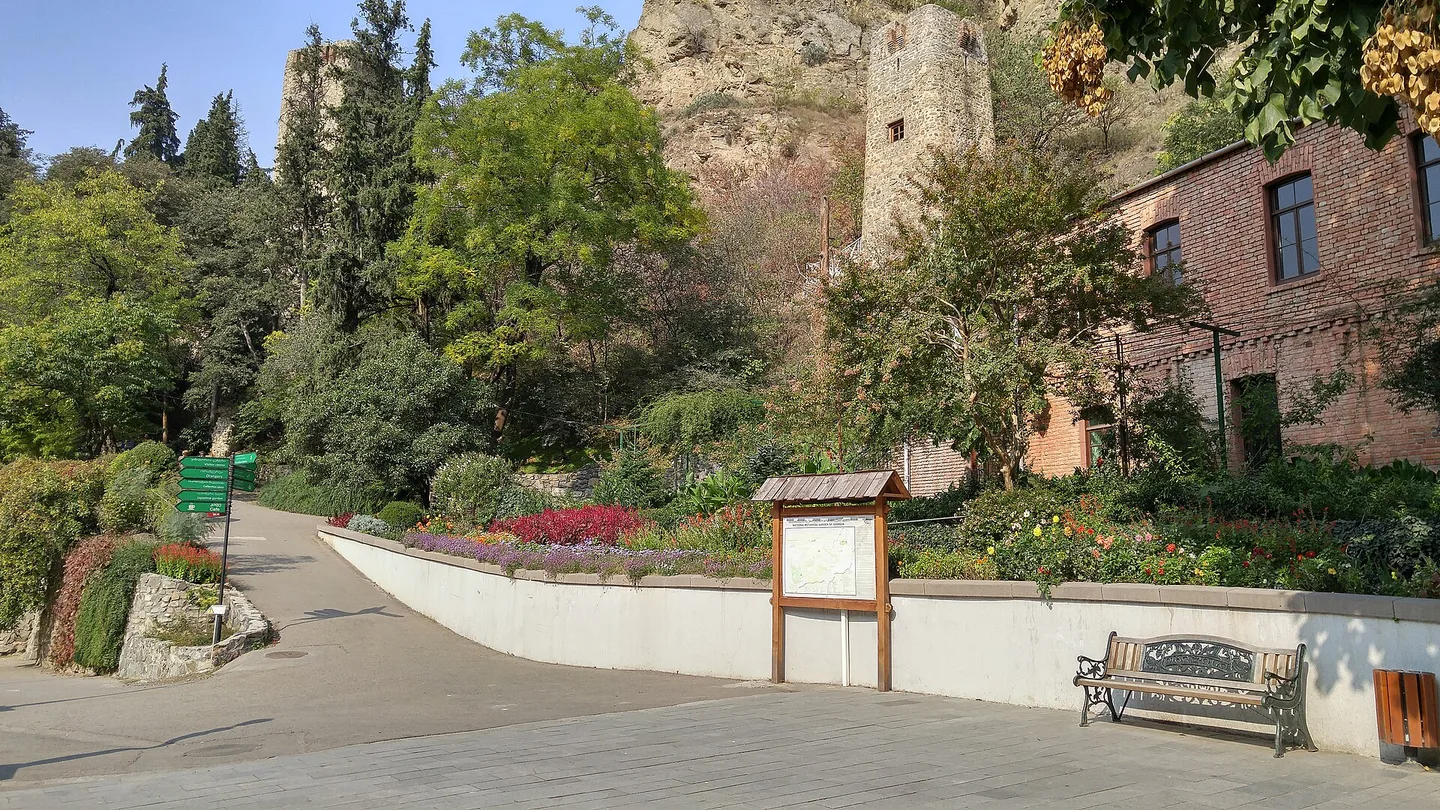
Directly behind Narikala, the mountain drops sharply into the lush Tsavkisis-Tskali Gorge, which cradles the National Botanical Garden of Georgia. Access points along the ridge allow walkers to leave the dry, sunlit ramparts and slip down into a sheltered microclimate filled with dense tree canopies. A long switchback trail leads down past sheer rock walls and tumbling mountain streams.
The botanical grounds stretch for several kilometres along the gorge floor, offering tranquil footpaths that feel surprisingly remote from the capital centre. High arched bridges cross the narrow river, framing quiet pools and a natural waterfall where cool mist gathers between the cliffs. Shaded avenues of mature cypress, oak, and cedar trees offer quiet spaces to rest on wooden benches during warm midday hours.
Walking deeper into the canyon reveals terraced hillsides supporting plant varieties gathered from across the Caucasus and global temperate zones. The sheltered gorge shields delicate vegetation from the desiccating winds of the upper plateau. Mountain waters flow consistently down the stony riverbed, supplying irrigation channels built along the natural contour lines of the valley.
- Follow the paved spine road along the river to reach the central waterfall and arched viewing footbridges.
- Branch onto smaller dirt paths climbing the gorge walls to explore collection terraces and quiet floral pavilions.
- Keep a light extra layer handy, as deep canyon pockets stay substantially cooler than the exposed ridge above.
- Wear sturdy walking shoes with reliable tread to negotiate slippery stone ramps and unpaved forest trails.
Connecting the Hill Circuits Back to the Old Town
Concluding a walking circuit through the botanical grounds brings several natural route options for returning to lower neighbourhoods. The primary lower gate opens onto the foot of Botanical Street, placing walkers mere steps away from the brick domes of the Abanotubani sulfur bath district. Here, hot thermal springs steam gently along the riverbed, offering a soothing contrast to the high mountain ramparts.
From Abanotubani, flat avenues lead easily towards city bus stops and nearby metro stations, allowing quick connections back across the centre. Reviewing neighbourhood orientation details helps link this ridge loop with afternoon visits to museum corridors along Rustaveli Avenue. Walking the hill sequence from top to bottom remains the most rewarding way to experience the dramatic topography of Tbilisi without excessive uphill exertion.
The return route through the lower historic quarters passes traditional bathhouses and narrow lanes lined with cafes. Pavement cafes and shaded public benches offer spots to pause after descending the gorge trails. This circular walking route binds high defensive ramparts, peaceful gorge scenery, and historic street life into a single coherent journey across old Tbilisi.
Official prices and opening hours
- Tbilisi Metro, City Buses & Rike–Narikala Cable CarOfficial site ↗
- Georgian National Museum (Rustaveli Avenue)Official site ↗
Where it is
- 1Narikala Fortress and the National Botanical Garden
- Tbilisi International Airport (TBS) · about 13 km from here in a straight line
- Directions in Google Maps
Stations and taxi ranks: OpenStreetMap. Airports: OurAirports. Distances are in a straight line.
Traveller tips
Real advice from people who have been to Tbilisi. Every tip is read by our team before it goes live.
No tips yet. Been here? Yours could be the first.
Thank you! Your tip will appear here after a quick review.
More in Tbilisi
Continue exploring Tbilisi with related neighbourhood, food, and planning guides
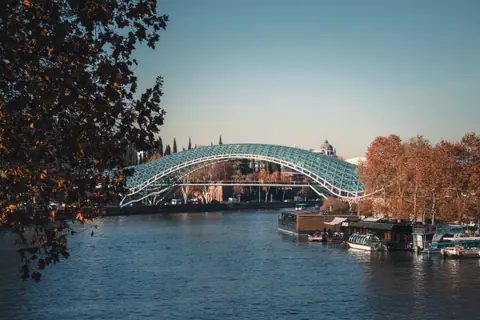
Things to Do in Tbilisi: Neighbourhood Walks, Bathhouses, and Modernist Relics
Tbilisi, Georgia

Arriving in Tbilisi by Air, Rail, and Regional Coach
Tbilisi, Georgia
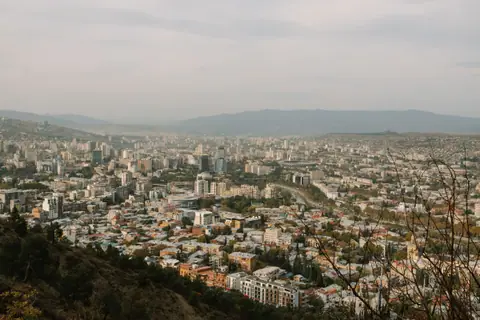
Tbilisi Across the Seasons: River Basin Heat, Mountain Breezes and Autumn Light
Tbilisi, Georgia
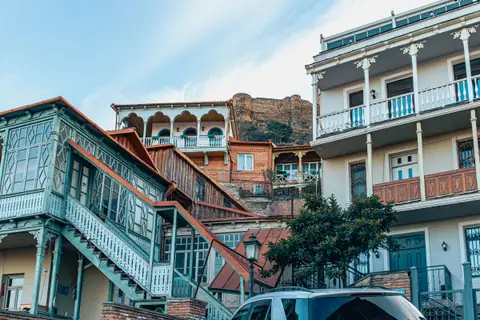
Where to Stay in Tbilisi: Pick a Base That Fits Your Route
Tbilisi, Georgia
