What to Eat in Tbilisi: Georgian Dishes and Table Customs
Georgian food in Tbilisi pairs hearty oven breads with mountain dumplings, spiced walnut sauces, and ancient terracotta wine traditions.
Georgian dining in the capital centres around wood-fired ovens, aromatic mountain herbs, and a deep reverence for shared hospitality. Bread sits at the very heart of daily meals across every neighbourhood, from Sololaki down to Avlabari. Walk into any traditional bakery along the steep lanes, and the warmth of tone ovens immediately greets you with savoury steam. Before setting out between historic monuments and scenic lookouts on your sightseeing route in Tbilisi, enjoying a warm local loaf supplies lasting stamina for uphill cobbled climbs.
Georgian Cheese Breads Across Old Town Bakeries
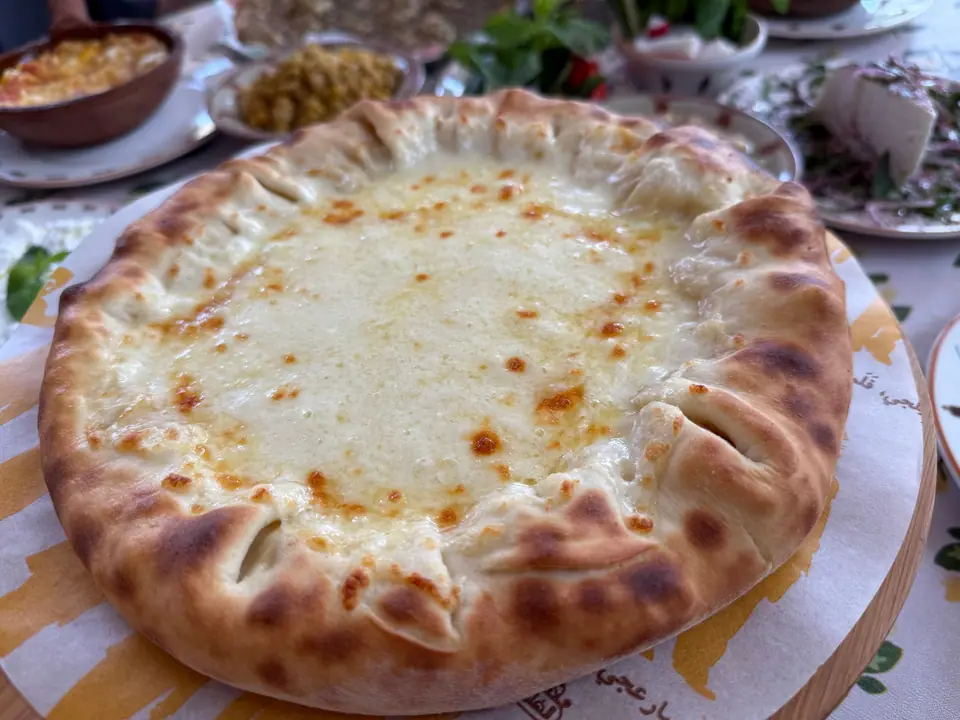
Cheese bread, known as khachapuri, defines the national palate with distinct variations hailing from different provinces. The round Imeruli version encloses salted cow cheese inside soft yeast dough, baking until golden brown and tender. In contrast, Megruli khachapuri adds an extra layer of melted cheese directly over the top crust, creating a bubbling blistered surface.
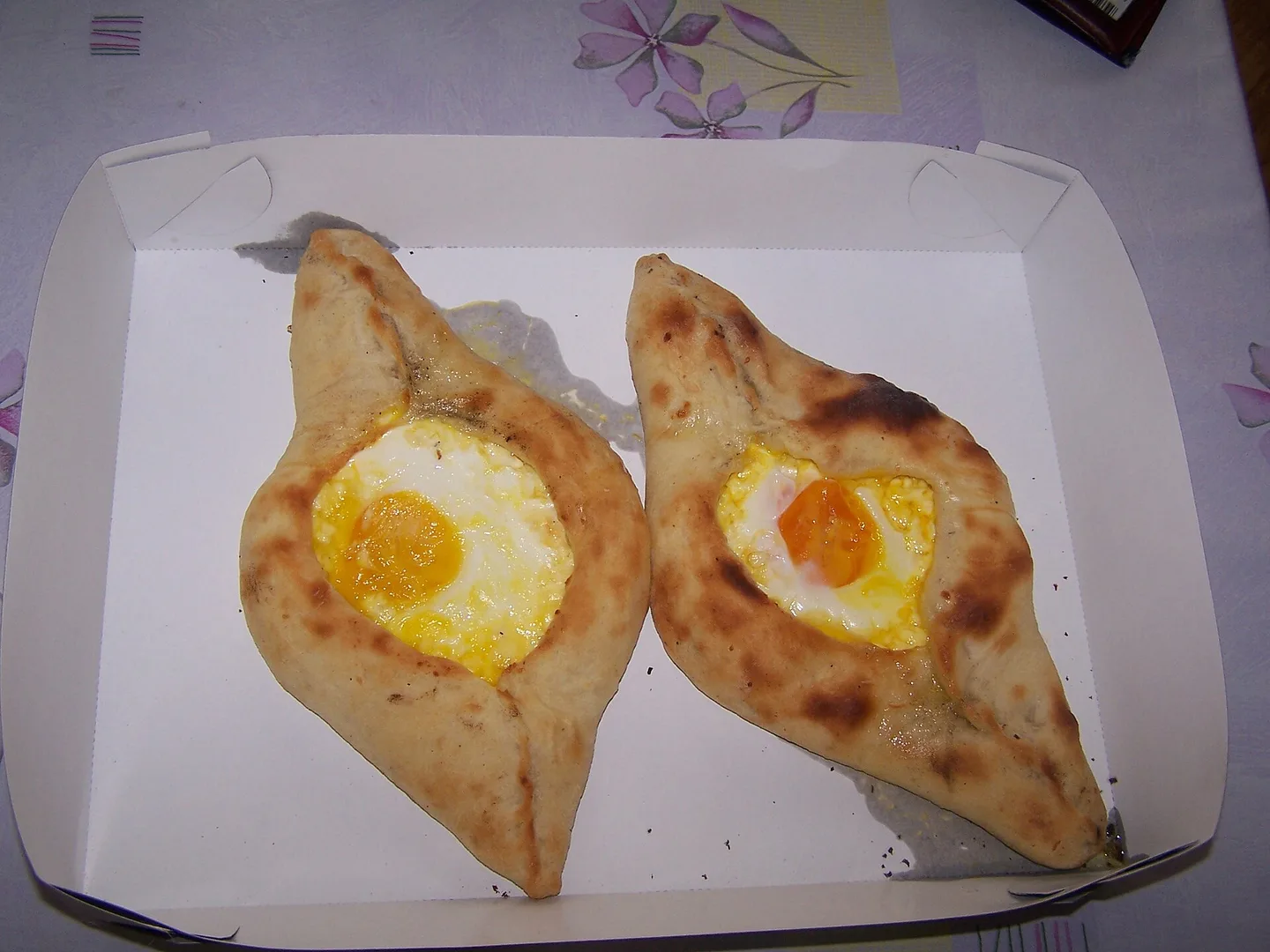
The most dramatic style remains the boat-shaped Adjaruli khachapuri from the Black Sea coast. Bakers shape the bread into a deep canoe, filling the centre with molten cheese before adding raw egg yolk and butter just before serving. To eat this dish correctly, break off crisp pieces from the outer crust using your fingers, then thoroughly stir the yolk and butter into the hot cheese filling.
| Bread Variety | Key Ingredients | Serving Style |
|---|---|---|
| Imeruli | Yeast dough, cow curd cheese | Flat round pie, sliced into wedges |
| Megruli | Yeast dough, double cheese blend | Round pie with molten cheese topping |
| Adjaruli | Dough boat, cheese, butter, egg yolk | Served whole, mixed tableside with crust |
Diners often share a single large cheese boat between two or three companions to leave room for other courses. Pairings with crisp mineral water or carbonated tarragon lemonade help cut through the intense richness of the melted cheese.
Dumpling Etiquette and Clay Pot Classics
Khinkali form the second cornerstone of everyday Georgian dining, originating from the northern mountain ranges of Tusheti and Khevsureti. These twisted wheat dumplings feature pleated tops and savoury meat fillings, spiced with black pepper, coriander, and caraway. Broth forms naturally inside the wrapper as the meat cooks, creating a parcel of soup and minced filling.
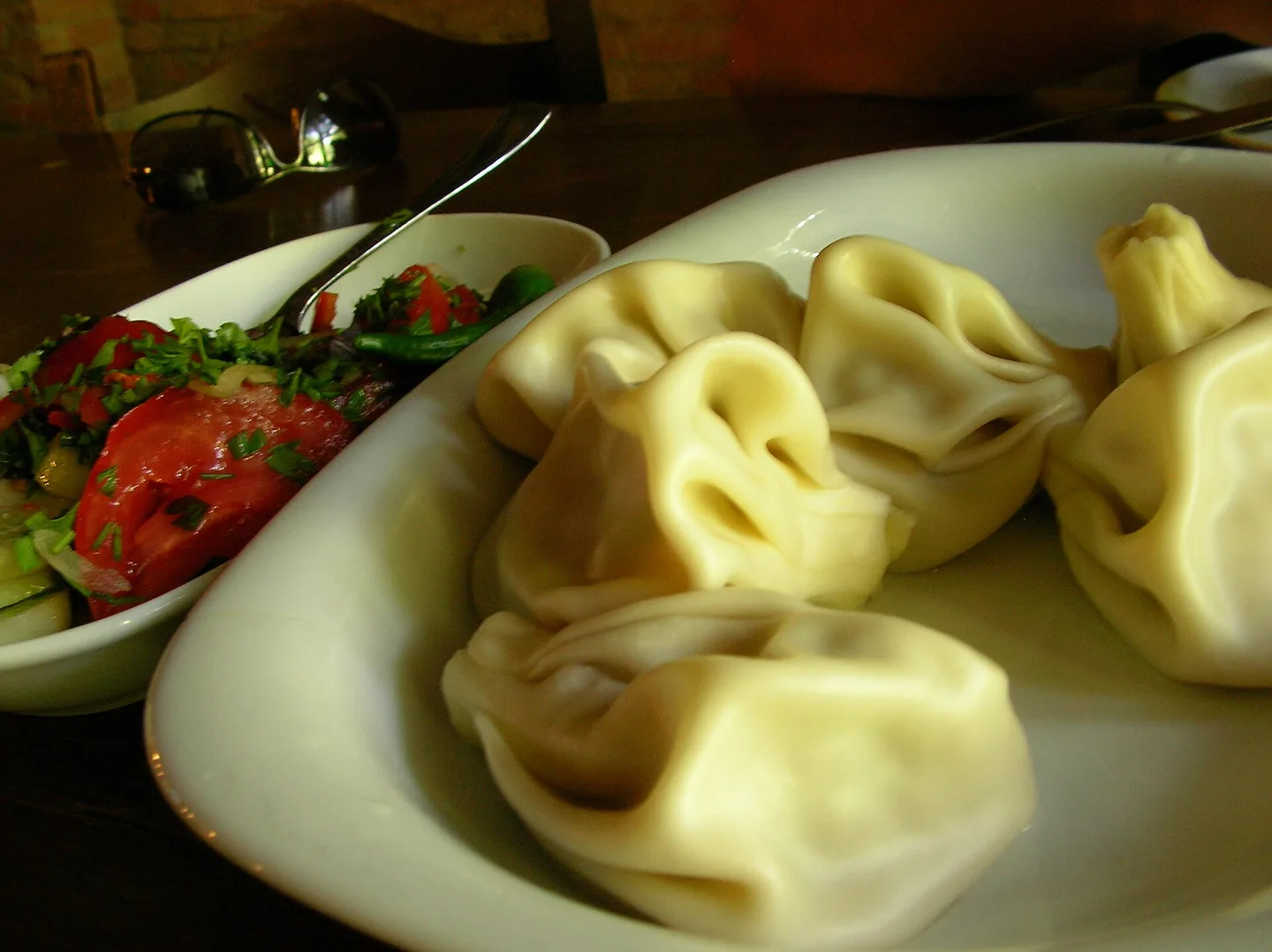
Eating these dumplings requires careful technique rather than cutlery. Pick up the dumpling by its thick twisted dough knob, turn it upside down, and take a small nibble from the soft side wrapper. Drink the hot broth immediately to avoid spills, then eat the tender pocket of spiced filling and pastry. Diners leave the dense, undercooked top knobs on the plate rim, allowing the table to tally how many dumplings each companion finished.
Beyond dumplings, earthenware clay pots known as ketsi bring sizzling bean and meat dishes straight to wooden tables. Lobio features slow-simmered red kidney beans mashed with garlic, blue fenugreek, coriander, and pungent pickled peppers. Chefs bake lobio until thick, serving it alongside dense cornbread cakes called mchadi and sharp sheep milk cheese. Reviewing the Tbilisi city guide gives helpful district context for finding historic cellar taverns that still bake in traditional earthenware.
Walnut Sauces, Herbs, and Vegetable Starters
Cold starters display a remarkable command of ground walnuts, garlic, and wild herbs. Pkhali consists of finely minced vegetables, such as spinach, beetroot, or tender leeks, blended with ground walnut paste, dried marigold petals, and pomegranate seeds. These vegetable mounds arrive chilled, offering an earthy balance alongside warm roasted meats and rich doughs.
Badrijani nigvzit presents thinly sliced aubergines fried in oil, spread with spicy walnut paste, and rolled into small neat cylinders. Fresh coriander, garlic cloves, and a drizzle of pomegranate molasses lend bright acidity to the buttery aubergine flesh.
- Pkhali: Minced spinach or beetroot pastes seasoned with garlic, ground walnuts, and ruby pomegranate seeds.
- Badrijani Nigvzit: Fried aubergine ribbons rolled around fragrant spiced walnut stuffing and fresh mountain herbs.
- Satsivi: Poached poultry served cold in a thick, fragrant sauce of blended walnuts and garlic.
- Shkmeruli: Roasted chicken joints submerged in a sizzling garlic, butter, and milk emulsion inside a clay pot.
These aromatic walnut sauces pair naturally with amber wines fermented inside underground clay vessels, an unbroken winemaking method dating back millennia. Tannins extracted from prolonged grape skin contact give Georgian amber wine the grip needed to slice through creamy walnut pastes and rich roasted poultry.
Table Customs and Regional Market Treats
A traditional Georgian feast, or supra, celebrates community and mutual respect under the guidance of a toastmaster called a tamada. Plates arrive continuously and stack upon one another until very little tablecloth remains visible beneath the earthenware bowls. Diners pace themselves through hours of structured toasts, conversational digressions, and shared dishes passed across the table.
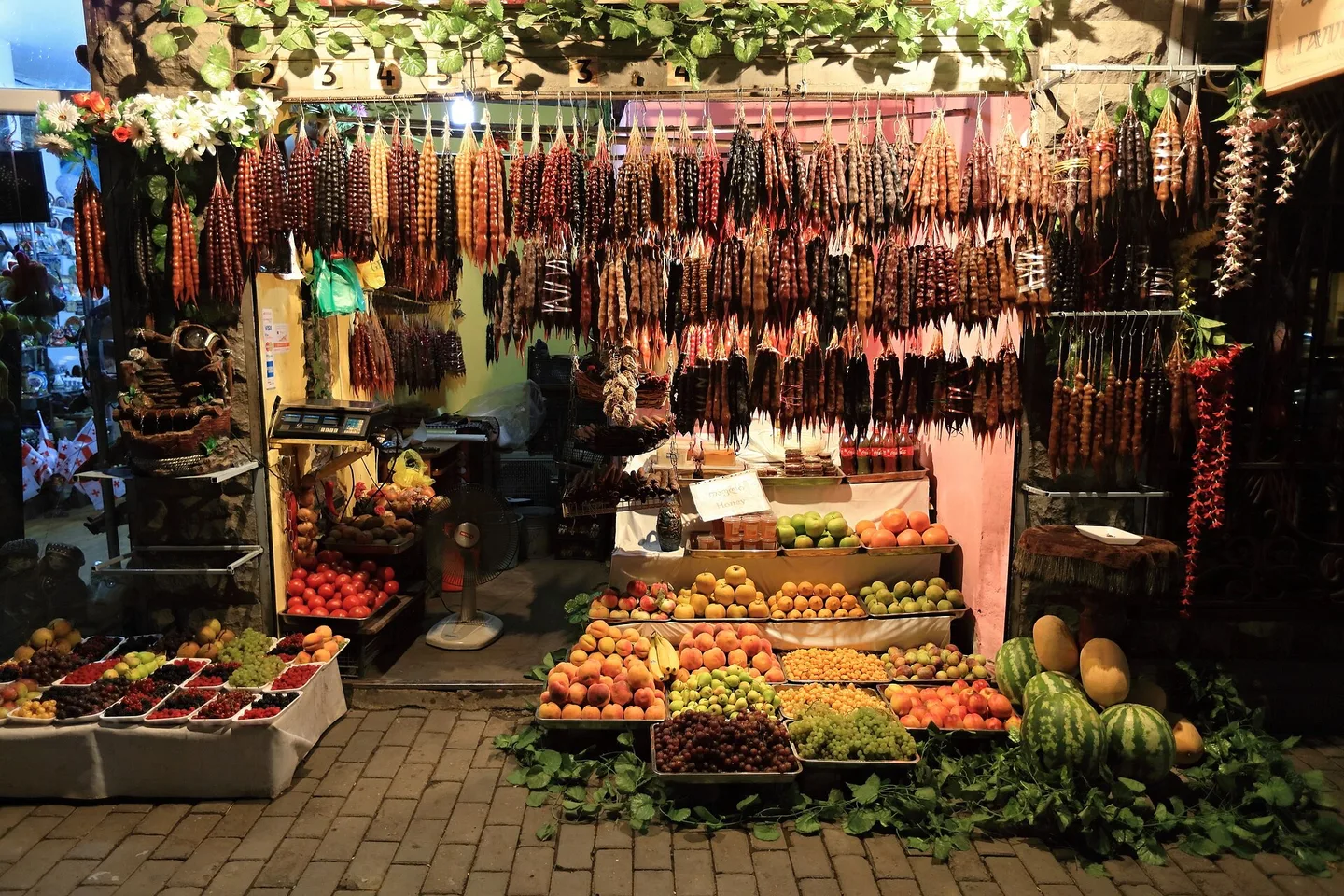
For casual daytime grazing, outdoor market stalls across the capital display long strings of churchkhela hanging beneath colourful canvas awnings. Vendors thread walnut halves or hazelnuts onto strings, dipping them repeatedly into reduced grape juice thickened with wheat flour. Once dried in the autumn sun, these chewy candle-shaped snacks supply concentrated natural energy for daytime walkers.
Fresh fruit sellers offer sweet seasonal figs, persimmons, and small jars of sour plum sauce called tkemali. This tart condiment accompanies grilled pork skewers, balancing smoky fat with astringent green fruit notes. Embrace the leisurely pace of regional service, order family style, and savour the deep culinary heritage woven into everyday dining across the Georgian capital.
Official prices and opening hours
- Tbilisi Metro, City Buses & Rike–Narikala Cable CarOfficial site ↗
- Georgian National Museum (Rustaveli Avenue)Official site ↗
Where it is
- 1Tbilisi
- Tbilisi International Airport (TBS) · about 12 km from Tbilisi in a straight line
- Directions in Google Maps
Stations and taxi ranks: OpenStreetMap. Airports: OurAirports. Distances are in a straight line.
Traveller tips
Real advice from people who have been to Tbilisi. Every tip is read by our team before it goes live.
No tips yet. Been here? Yours could be the first.
Thank you! Your tip will appear here after a quick review.
More in Tbilisi
Continue exploring Tbilisi with related neighbourhood, food, and planning guides
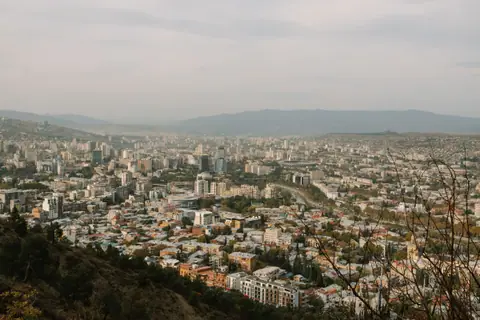
Tbilisi Across the Seasons: River Basin Heat, Mountain Breezes and Autumn Light
Tbilisi, Georgia
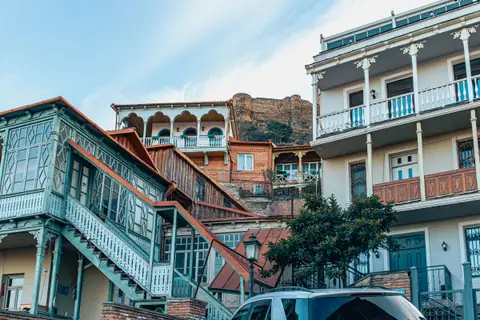
Where to Stay in Tbilisi: Pick a Base That Fits Your Route
Tbilisi, Georgia
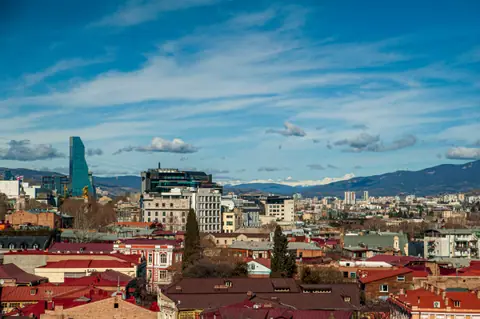
Three Days in Tbilisi: A River-to-Ridge City Plan
Tbilisi, Georgia
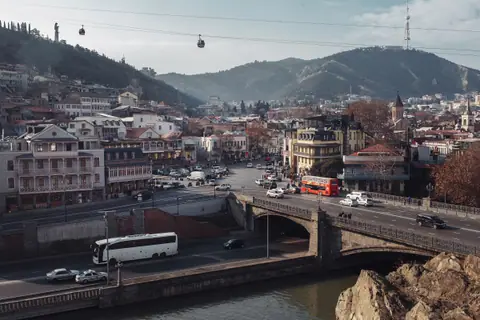
Getting Around Tbilisi: Navigating Transit, Cable Cars and Hills
Tbilisi, Georgia
