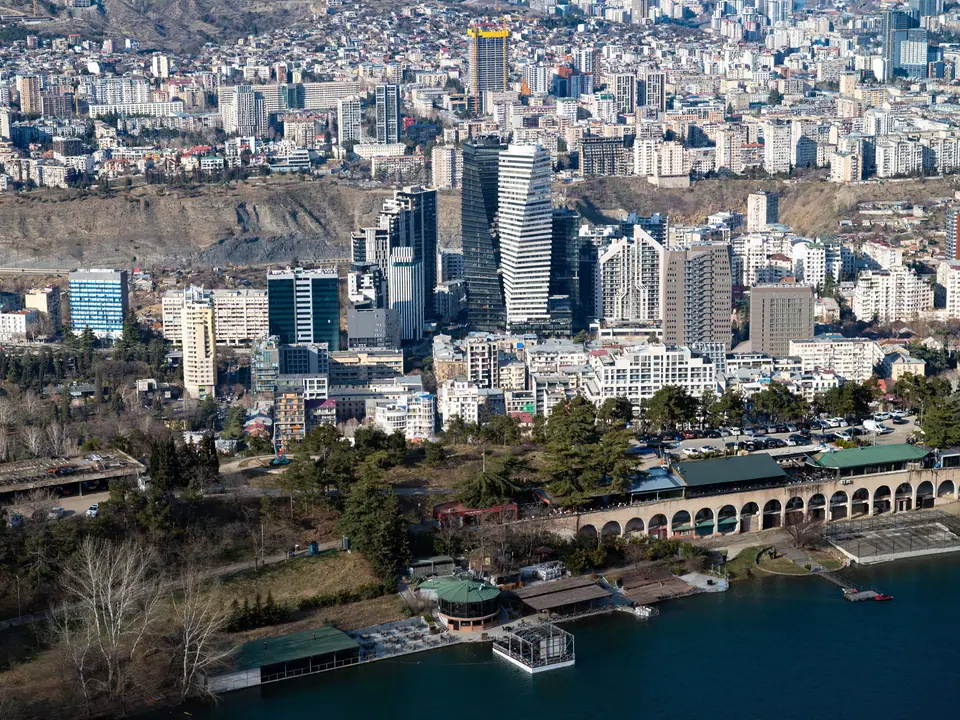
Chugureti and Deserters' Bazaar: A Market Walk Across Tbilisi's Left Bank
We trace Tbilisi's left bank through historic Chugureti courtyards and the cavernous food stalls of the sprawling Deserters' Bazaar.
Stepping out around Station Square reveals one of the most animated trade centres in the capital. The area surrounding the central railway hub feeds directly into the vast complex known colloquially as the Deserters' Bazaar. Concrete halls open into sunlit courtyards crammed with wooden crates, zinc counter tops, and towering stacks of fresh regional produce. Farmers and wholesalers arrive before dawn to unload fruit from eastern valleys and cheeses from mountain pastures. The scent of fresh coriander, brine, and smoked meats drifts through narrow aisles where foot traffic moves shoulder to shoulder.
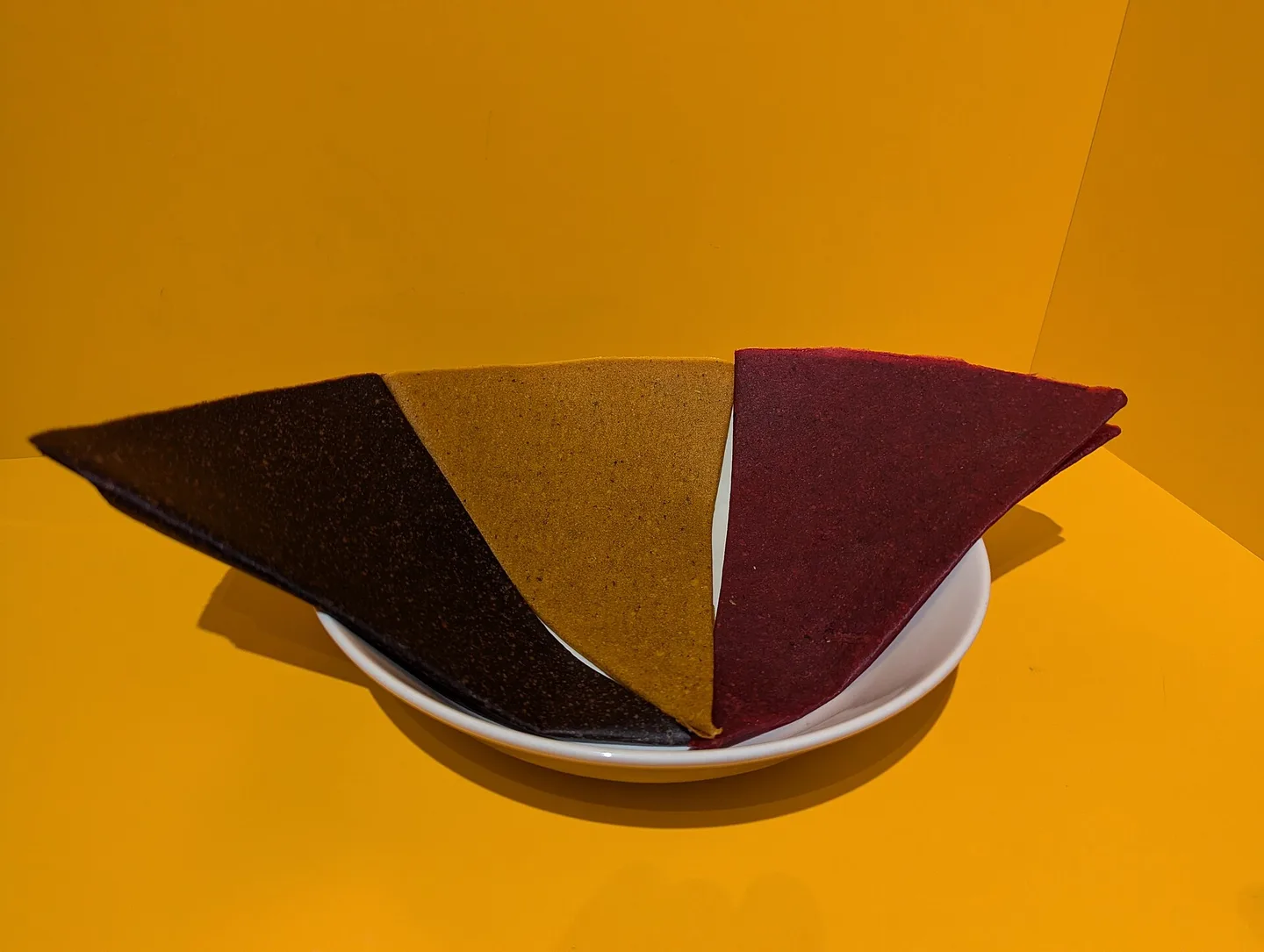
Walking these market rows offers an immediate lesson in Georgian pantry staples and countryside trade. Rows of deep purple and amber fruit leather sheets hang suspended from overhead wires alongside walnut strings dried in thickened grape must. Vendors slice samples of salted curd cheese directly from wide wooden barrels for shoppers checking firmness and acidity. Piles of dried marigold blossoms, ground fenugreek, and crushed chillies create mounds of russet and gold across herb counters. Navigating these walkways requires steady footing. Handcarts regularly move between shoppers carrying heavy wooden boxes of seasonal greens.
The physical scale of the market complex extends across several city blocks, branching into semi-covered arcades and open rail-side pavements. Inside the central halls, vendors display fresh river fish on sloping metal trays packed with crushed ice. Butcher counters line the cooler subterranean sections, displaying whole cuts of beef, pork, and mountain mutton alongside cured bacon. Seasonal transitions bring shifts in produce, filling crates with tart cherries and apricots in early summer, followed by autumn figs and pomegranates. Honey producers from rural provinces arrange rows of glass jars filled with dark chestnut, acacia, and alpine wildflower varieties.
Pointers for Market Walkers and Produce Stalls
Navigating the trade alleys becomes far simpler when keeping several spatial realities in mind during the morning rush.
- Central pavilions focus on seasonal vegetables, stone fruits, and fresh mountain herbs sold in substantial bundles.
- Covered interior halls house dairy vendors presenting rounds of fresh and aged cheeses from wooden containers.
- Outer railway alleys contain hardware stalls, pickled garlic jars, and hanging strings of seasonal dried treats.
- Floor surfaces remain damp near produce washing stands, making sturdy shoes sensible for all walking visitors.
- Narrow corridors experience steady cart traffic, requiring pedestrians to yield space near loading doors.
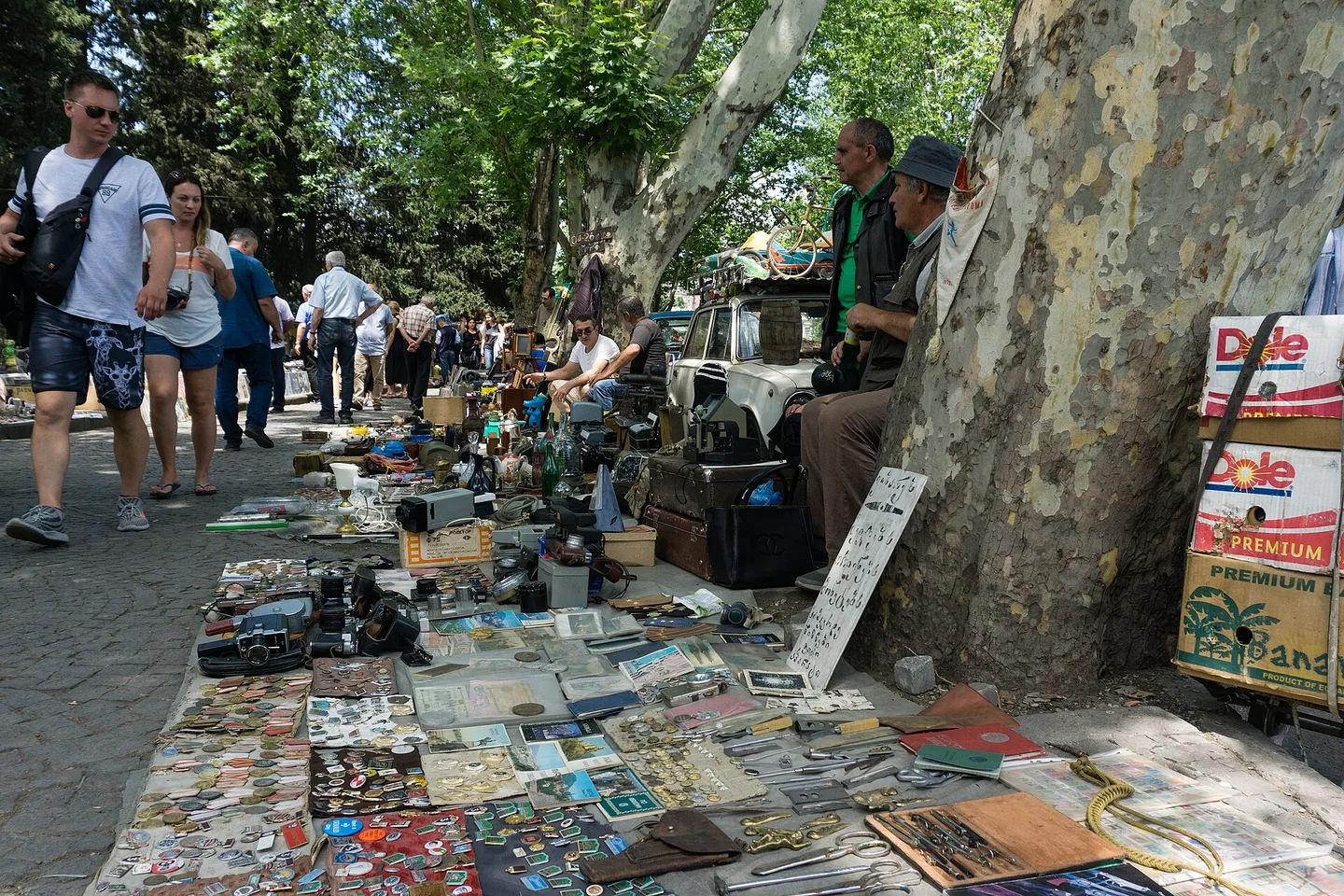
- Outdoor edge markets spill onto parallel rail tracks, mixing household tools with vintage kitchenware and clothing.
Wandering Chugureti's Residential Streets and Courtyards
South of the transport interchange, the urban grain shifts into the quieter residential quarter of Chugureti. This historic left-bank district developed rapidly as a multicultural neighbourhood, filled with Italian-style communal courtyards and neoclassical facades. Carved wooden balconies overhang shaded alleyways where grapevines still climb up decorative cast-iron drainpipes. Peeking through weathered entrance portals reveals shared central yards where drying laundry hangs between second-storey external staircases. Many of these communal layouts retain their original domestic scale and quiet rhythm away from traffic.
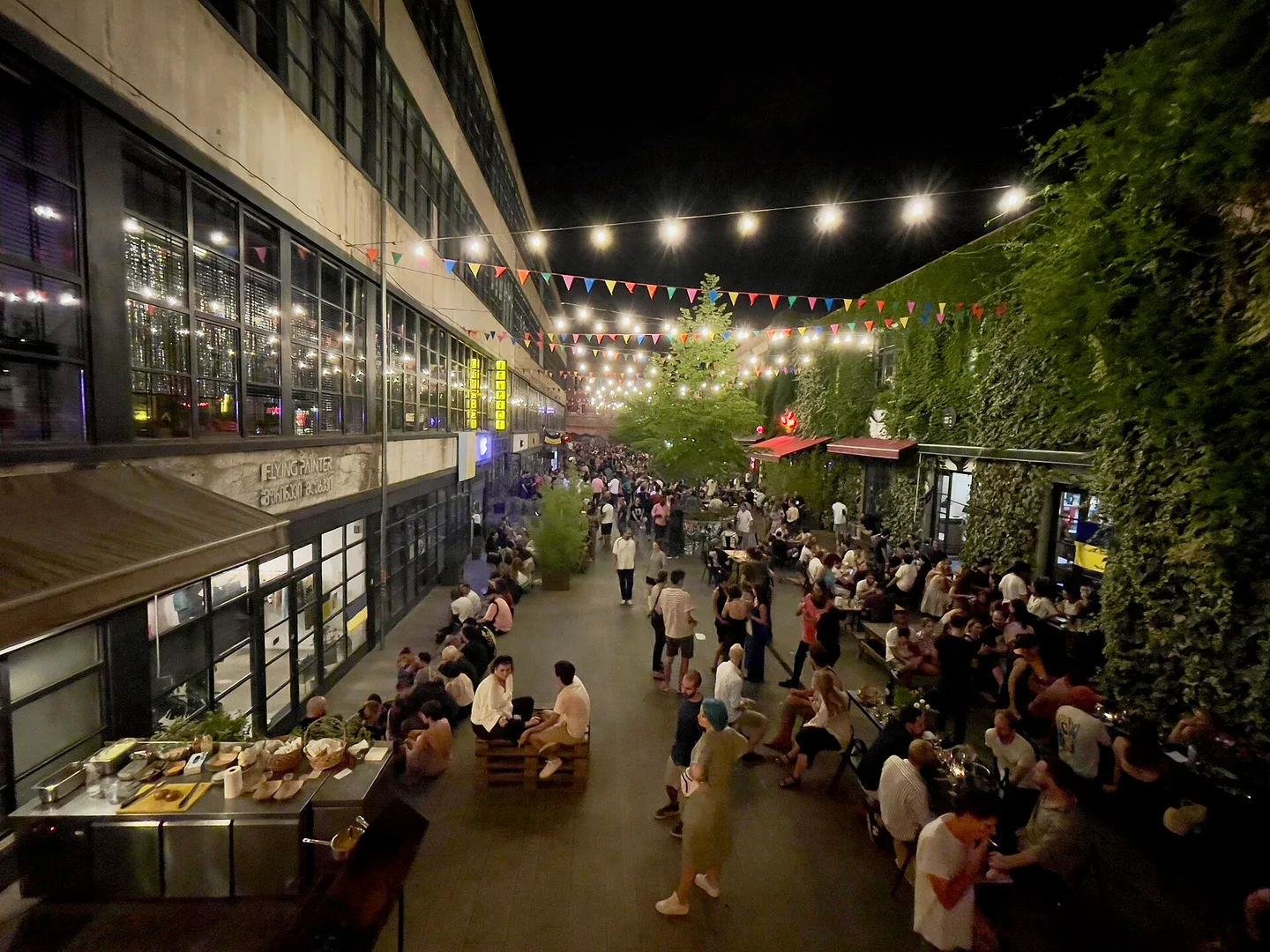
In recent years, former industrial buildings across the neighbourhood have taken on inventive second lives. A prominent example sits within an old Soviet garment factory, now restored into a gathering point for local artists, workshop spaces, and courtyard cafes. Concrete yards once filled with delivery trucks now draw travellers taking breaks over regional refreshments under peeling industrial brick walls. Exploring further south towards the river leads to restored avenues where grand stone facades meet modern design studios. You can review broader urban highlights in our comprehensive Tbilisi guide before setting off on your route.
Architectural layers along Ivane Javakhishvili Street and neighbouring lanes display a mix of late nineteenth-century styles. Plaster reliefs, ornate wooden doorways, and glazed veranda windows define the frontage of multi-family residences. Local corner grocers, shoe repair workshops, and family bakeries occupy basement level storefronts beneath high residential ceilings. Quiet side alleys reveal brick masonry arches that survived urban reorganisations across the twentieth century. Walking these streets offers an unhurried perspective on residential life outside the primary commercial districts.
Transit Connections and Urban Orientation
Reaching this market corridor is straightforward thanks to the confluence of transport networks on the left bank. The central metro line connects through Station Square directly to the market gates, linking underground passengers from historic districts across the river. City buses and marshrutka vans terminate across the surrounding forecourts, creating constant movement that energises the neighbourhood edges. Plan your route across the river using verified transit notes for Tbilisi to simplify arrival times.
From the southern edges of Chugureti, cross the bridges over the Kura River to re-enter the right bank near central boulevards. The walk from the fruit stalls down to the water takes you through quiet side streets lined with bakeries turning out fresh clay-oven bread. Combining the commerce of the bazaar with Chugureti's faded courtyards creates a balanced portrait of everyday life in the capital.
Official prices and opening hours
- Tbilisi Metro, City Buses & Rike–Narikala Cable CarOfficial site ↗
- Georgian National Museum (Rustaveli Avenue)Official site ↗
Where it is
- 1Tbilisi
- Tbilisi International Airport (TBS) · about 14 km from Tbilisi in a straight line
- Directions in Google Maps
Stations and taxi ranks: OpenStreetMap. Airports: OurAirports. Distances are in a straight line.
Traveller tips
Real advice from people who have been to Tbilisi. Every tip is read by our team before it goes live.
No tips yet. Been here? Yours could be the first.
Thank you! Your tip will appear here after a quick review.
More in Tbilisi
Continue exploring Tbilisi with related neighbourhood, food, and planning guides
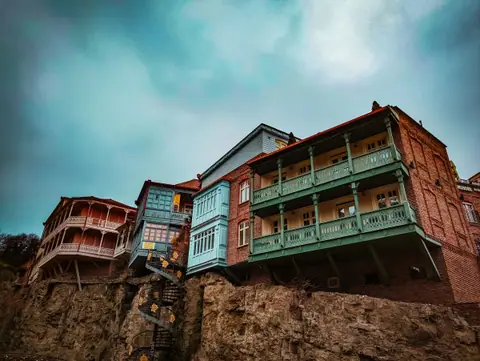
Sololaki Architecture Walk: Tbilisi Balconies and Courtyards
Tbilisi, Georgia
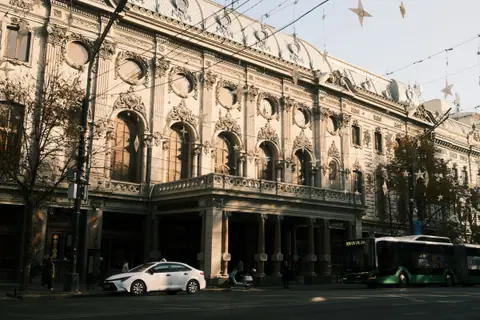
Rustaveli Avenue and Tbilisi's Museum Quarter Walking Guide
Tbilisi, Georgia
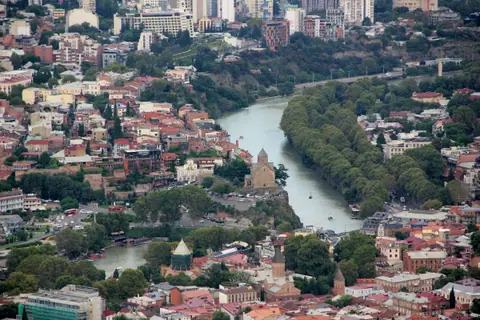
Avlabari and Metekhi: Exploring Tbilisi Across the Mtkvari
Tbilisi, Georgia
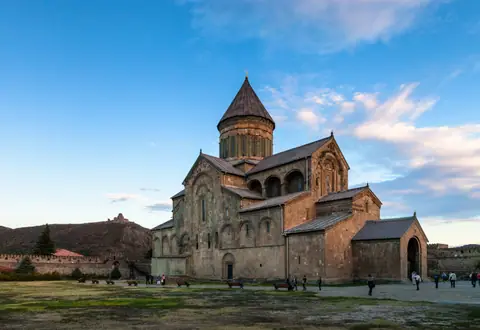
Day Trip to Mtskheta from Tbilisi: Sacred Heritage and River Confluences
Tbilisi, Georgia
