Old Tbilisi and Abanotubani: Walking the Bath Quarter
Old Tbilisi gathers thermal waters beneath Abanotubani, where brick domes rise alongside winding streets, carved balconies, and historic riverside trails.
Thermal Springs and the Brick Domes of Abanotubani
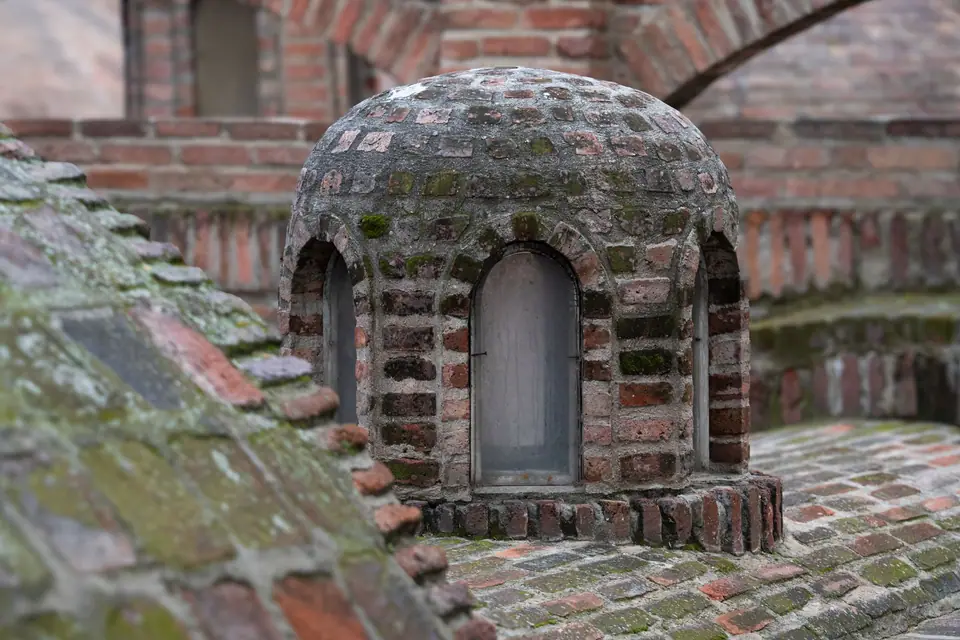
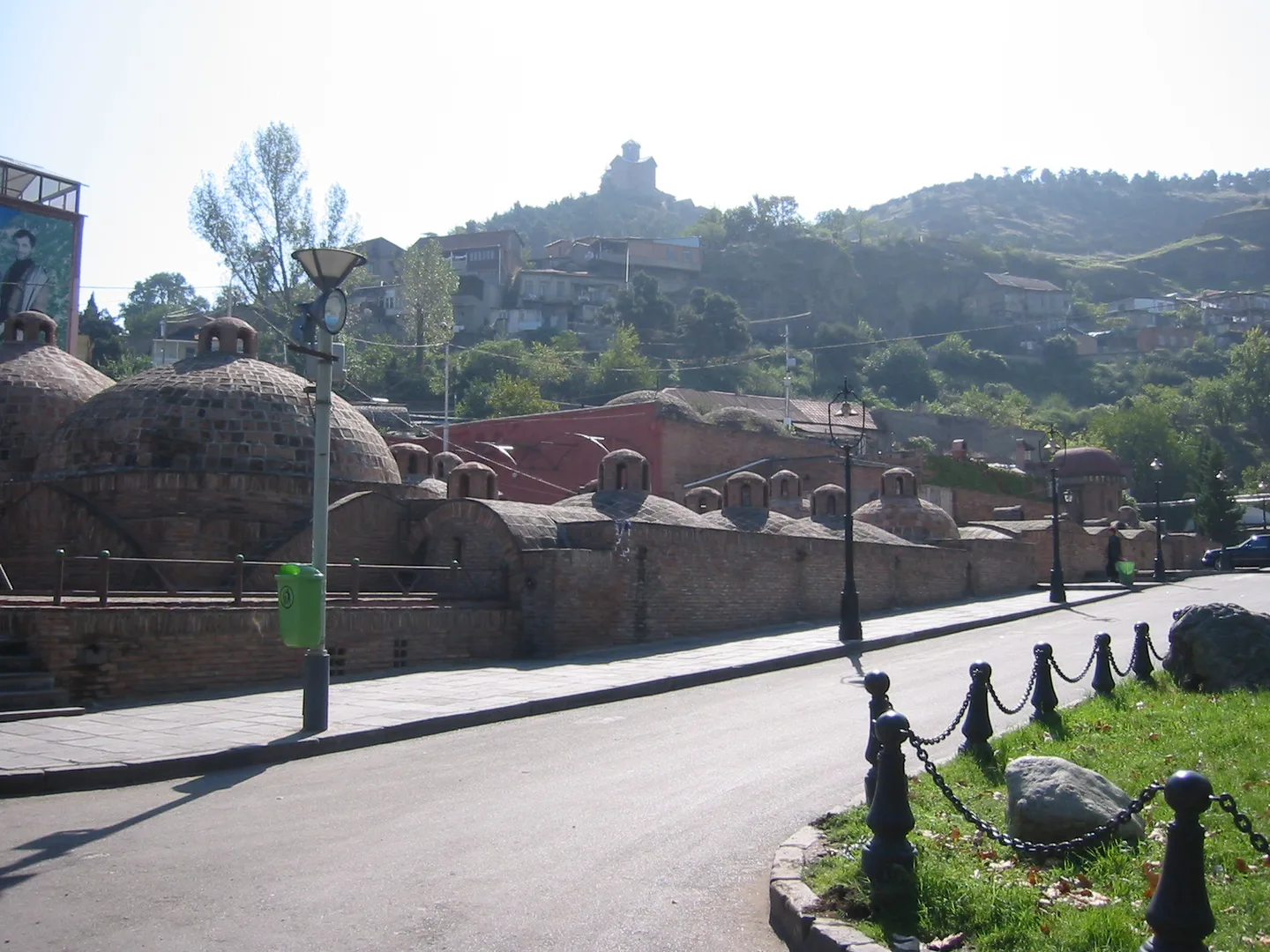
The southern bend of the Mtkvari River shelters Abanotubani, where warm sulphur waters have sustained bathhouses across centuries. Curved brick cupolas rise directly from street level, letting light and steam escape from subterranean bathing chambers below. Walking across these smooth brick roofs offers an immediate sense of the geothermal warmth coursing beneath the bedrock. Faint mineral scents drift through the cool air, marking the district as a gathering ground since early settlement.
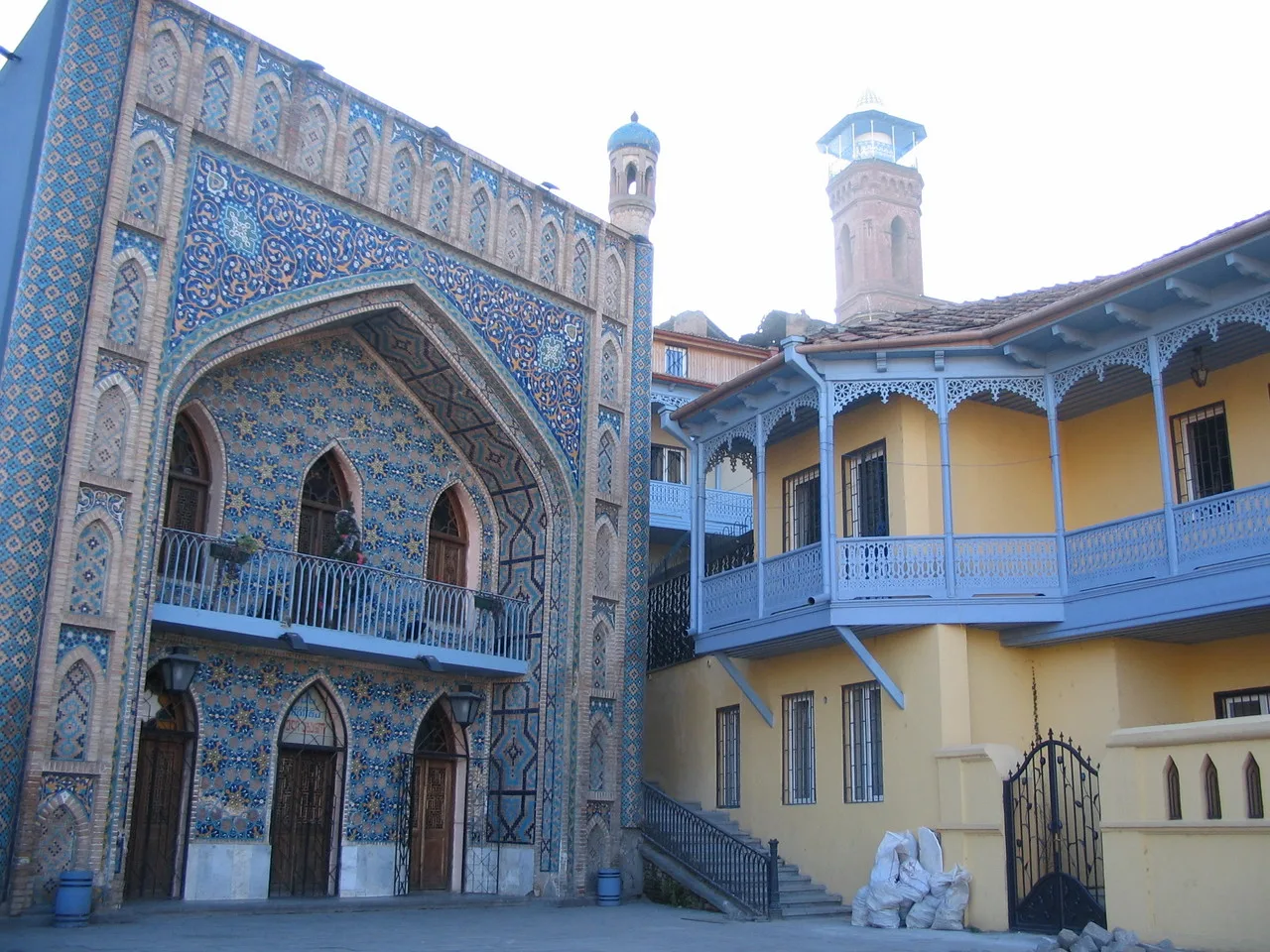
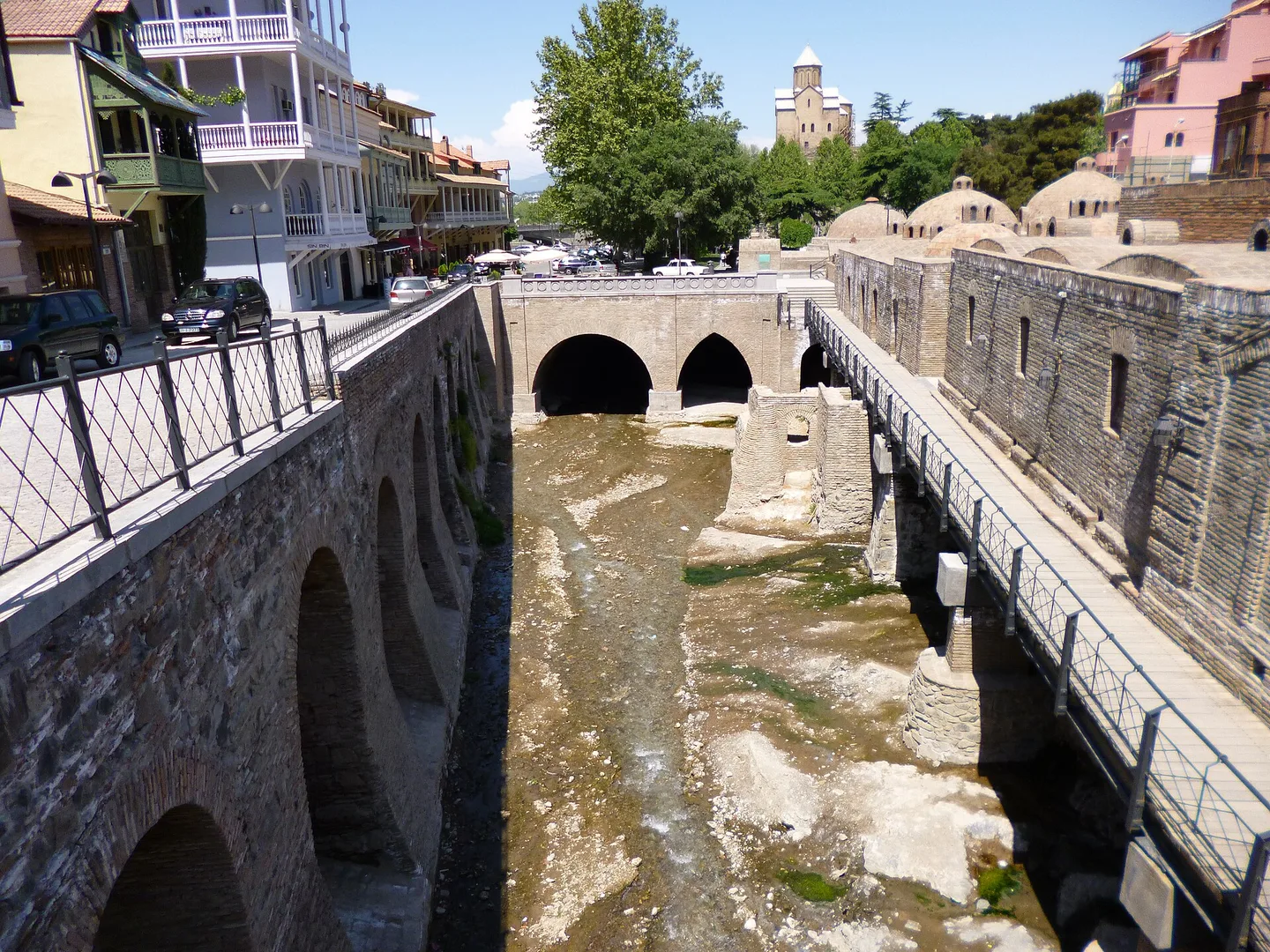
These bathhouses remain active today, presenting an intriguing blend of subterranean brick vaulted chambers and decorated exterior facades. The most striking entrance belongs to the blue-tiled Orbeliani Baths, decorated with central Asian mosaic motifs. Looking down from the footpaths, one sees how closely the neighbourhood hugs the riverbanks beneath steep fortress ridges. The thermal district forms a natural threshold between the open river plain and narrow residential lanes uphill.
Mineral water emerges naturally from deep fissures along the valley floor, maintaining high temperatures throughout the entire year. Historical records indicate that these warm waters originally inspired the founding of the city. Today, bathers still gather in communal and private rooms, continuing a bathing ritual that has lasted for generations.
Navigating Balconies, Alleys, and Hillside Lanes
Beyond the thermal roofs, the streetscape transitions quickly into the residential quarters of Kala and surrounding slopes. Here, houses feature elaborate wooden balconies cantilevered over narrow cobblestone tracks. Carved lace patterns adorn the upper verandas, painted in soft pastel blues, greens, and warm creams. Many staircases wind through small shared courtyards where grapevines shade quiet family patios.
Walking here requires sturdy footwear, as several lanes tilt steeply toward the old citadel above. Cobblestones can become slippery when damp, especially along sheltered passageways where sunlight rarely penetrates. The quarter rewards quiet wandering, connecting small pocket plazas with ancient bakery cellars and small stone churches. Planning your route alongside the broader Tbilisi valley helps orient your wanderings through these dense residential mazes.
Sunlight filters through overhead trellises across the quiet alleys, illuminating hand-carved railings and ancient masonry. Local cats rest on warmed flagstones while residents greet neighbours across open wooden windows. Each small courtyard contains distinct architectural details, demonstrating the diverse cultural influences that built this historic settlement.
Key Waypoints Across the Historic Quarter
Travellers moving between the bath district and upper residential sectors can anchor their day around several defined walking stops. This short list outlines key visual transitions between the warm river valley and the upper cliffs.
| District Point | Main Visual Character | Walking Surface |
|---|---|---|
| Abanotubani Domes | Low brick cupolas and steaming chimneys | Paved stone and brick pathways |
| Orbeliani Facade | Intricate blue mosaic tiles and minarets | Flat cobblestone square |
| Leghvtakhevi Canyon | High natural rock walls leading to a waterfall | Wooden boardwalks and stone steps |
| Upper Kala Lanes | Carved overhanging wooden balconies | Steep cobblestone inclines |
A short pathway behind the bathhouses leads into Leghvtakhevi, a steep gorge cut directly into the mountain rock. A wooden boardwalk follows the babbling stream beneath towering shale walls, ending beside a natural waterfall. This cool canyon offers welcome shade during warm afternoons, showing how natural geology shapes the city perimeter. Match morning ravine walks with seasonal routes in Tbilisi district orientation to handle steep climbs comfortably.
The gorge floor stays noticeably cooler than the open stone squares above, making an inviting refuge on hot afternoons. Sheer canyon walls display ancient rock layers shaped along the river gorge. Footbridges cross the water at several intervals, opening changing views of the cliffs.
Connecting Transit Routes and Walking Strategy
Reaching Abanotubani stays straightforward from central transit points across the river or down from upper avenues. Many visitors approach on foot across Metekhi Bridge, linking the left bank straight to the bathhouse square. Walking from nearby stops frames clear views of riverside cliffs and church spires. Match airport transfers and underground stops cleanly using Tbilisi bus and rail routes before setting off.
When planning a thermal soak, note that individual bathhouses handle private room reservations and scrubbing services separately. Booking specific time slots directly at preferred bathhouse desks helps skip evening queues during cooler months. Pairing morning walks down cool alleys with a warm afternoon soak gives a balanced cadence across the historic quarter. Stone stairways beside the gorge climb toward fortress walls, linking bathhouses directly with hilltop views.
Evening brings calm light as streetlamps glow across damp brick domes and granite cobblestones. Steam rises softly into dusk air above warm thermal cupolas. Walking downhill toward the Mtkvari riverbank opens wide views of floodlit churches and cliffside balconies.
Official prices and opening hours
- Tbilisi Metro, City Buses & Rike–Narikala Cable CarOfficial site ↗
- Georgian National Museum (Rustaveli Avenue)Official site ↗
Where it is
- 1Old Tbilisi and Abanotubani
- Tbilisi International Airport (TBS) · about 12 km from here in a straight line
- Directions in Google Maps
Stations and taxi ranks: OpenStreetMap. Airports: OurAirports. Distances are in a straight line.
Traveller tips
Real advice from people who have been to Tbilisi. Every tip is read by our team before it goes live.
No tips yet. Been here? Yours could be the first.
Thank you! Your tip will appear here after a quick review.
More in Tbilisi
Continue exploring Tbilisi with related neighbourhood, food, and planning guides
Getting Around Tbilisi: Navigating Transit, Cable Cars and Hills
Tbilisi, Georgia
Narikala Fortress and the National Botanical Garden: Ridge Walking Guide
Tbilisi, Georgia
Sololaki Architecture Walk: Tbilisi Balconies and Courtyards
Tbilisi, Georgia
Rustaveli Avenue and Tbilisi's Museum Quarter Walking Guide
Tbilisi, Georgia
