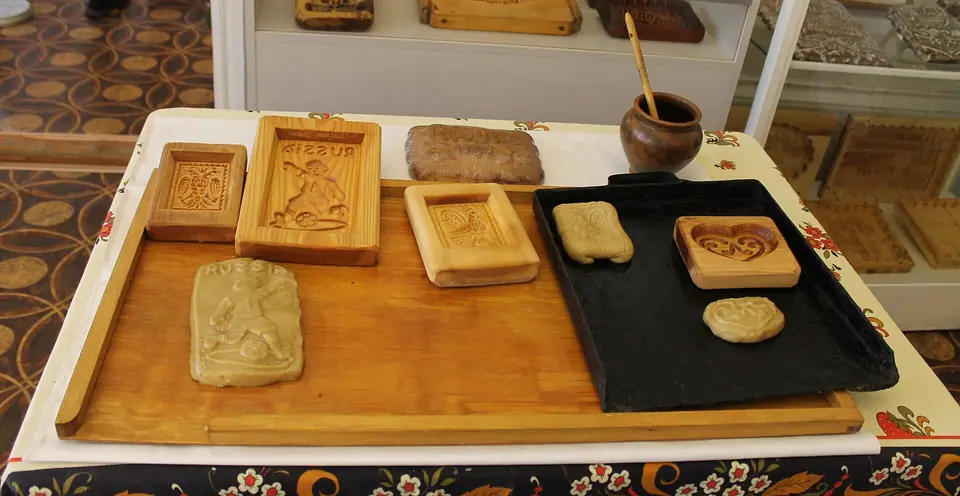
Photo: Olga-lisenkova · CC BY-SA 4.0
What to Eat in Nizhny Novgorod: Volga Fish, Ukha and Gorodets Pryanik
Explore authentic Volga merchant cuisine in Nizhny Novgorod, from steaming bowls of sterlet ukha and wild mushroom pelmeni to traditional Gorodetsky pryanik gingerbread.
Because Nizhny Novgorod hosted the largest commercial trade fair in the Russian Empire throughout the nineteenth century at the confluence of the Oka and Volga rivers, its dining culture developed from merchant taverns, river transport, and the northern coniferous forests. When the imperial fair moved to the Strelka spit in 1817 from the Makaryev Monastery downstream, merchants gathered to trade textiles, furs, metal goods, tea, and grain. These seasonal gatherings created a vigorous appetite for river fish, game, forest fungi, and spiced pastries. Today, regional culinary spots cluster along merchant-lined Rozhdestvenskaya Street in the Lower Posad and the pedestrian corridor of Bolshaya Pokrovskaya Street.
Gorodetsky Pryanik and Regional Honey Confections
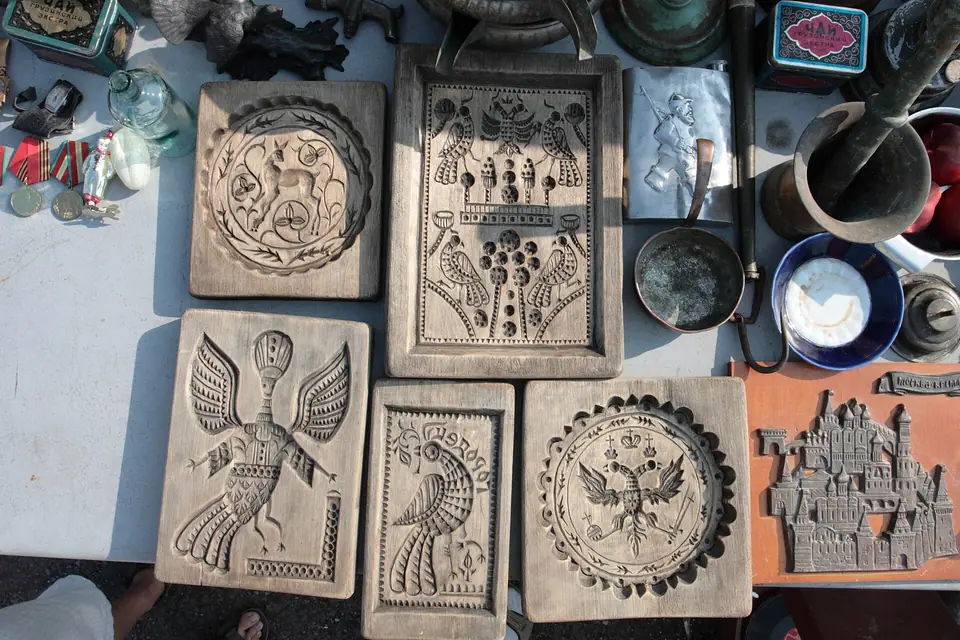
The culinary symbol of the Nizhny Novgorod region is Gorodetsky pryanik, a dense, honey-sweetened printed gingerbread crafted in the ancient river settlement of Gorodets fifty-three kilometres north on the Volga. Commercial bakers documented this confection in the eighteenth century, perfecting a dough enriched with flower honey, molasses, and aromatic spices. Local craftsmen carved intricate mirror-image printing boards from seasoned birch, pear, or linden timber. These relief wooden stamps depict stylised cockerels, double-headed imperial eagles, Volga steamships, and decorative floral borders. Bakers pressed the firm dough into these wooden matrices before baking, sealing the finished loaf with a crystalline white sugar glaze. In 1890, Gorodets bakers presented thirty distinct varieties of gingerbread to Tsarevich Nicholas during his imperial tour. Visitors can buy these stamped loaves in bakeries along Bolshaya Pokrovskaya Street or examine historical baking moulds at the Gorodets Gingerbread Museum.
Volga River Fish and Traditional Ukha Broth
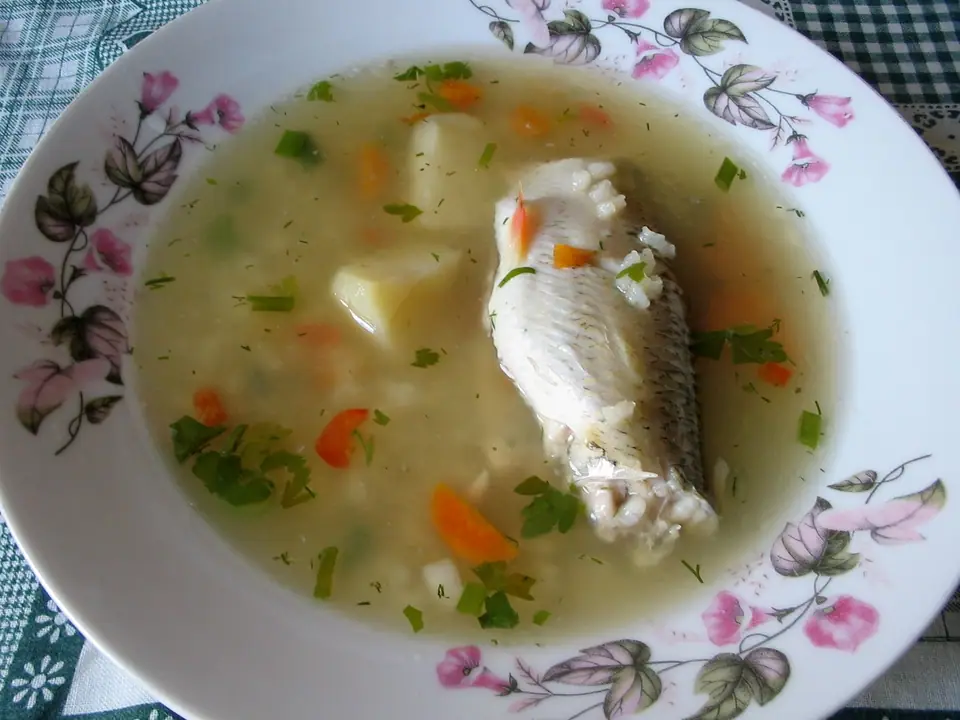
The convergence of two major waterways made fresh freshwater fish the foundation of local tavern dining. Fishermen drew sterlet, pike-perch (sudak), bream, carp, and catfish directly from the Oka and Volga currents. The signature regional starter remains ukha, a clear, fragrant fish broth simmered with root vegetables, dill, black pepper, and river fish trimmings. Historical merchant taverns cooked triple ukha, clarifying the stock multiple times using small river species before dropping in firm fillets of sterlet or pike-perch during the final simmer. Baked pike-perch served with sour cream, fried river bream with onions, and cold jellied fish fillets (zalivnoe) remain regional mainstays in Upper Town dining rooms. These dishes provide hearty sustenance, particularly during deep winter freezes when sub-zero temperatures sweep across the open river valley.
Forest Mushroom Dumplings and Savoury Pies
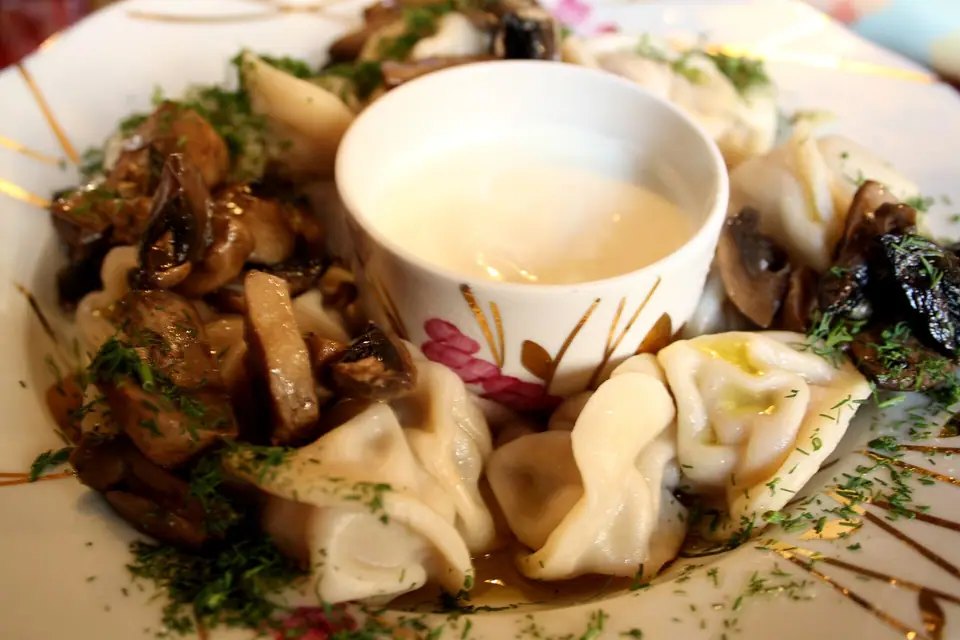
The expansive taiga woodlands flanking the northern tributaries of the Vetluga and Kerzhenets rivers supply Nizhny Novgorod with rich harvests of wild mushrooms. Yellow chanterelles, porcini, boletus, and salted milk mushrooms appear across traditional menus. Hand-pinched pelmeni stuffed with chopped wild mushrooms, onions, and beef or pork arrive steaming at the table, finished with melted butter, fresh dill, and cultured sour cream (smetana). Small open-faced yeasted pies called rasstegai, shaped like river boats with an open central slit, showcase minced sturgeon or pike mixed with rice and scallions. Diners pour a spoonful of hot fish broth directly into the pastry opening before eating to moisten the rich interior.
Where to Sample Historic Merchant Flavours
Nizhny Novgorod separates into two distinct districts across an eighty-metre bluff. The hilly Upper Town holds historic dining institutions, while the Lower Town houses modern fairground cafes. Travellers following a Nizhny Novgorod 3-day itinerary can easily map their meals around city walking routes. The paved length of Bolshaya Pokrovskaya Street, closed to motor vehicles in the 1980s, offers tearooms and casual bakeries. Rozhdestvenskaya Street, paved below the brick fortifications of the sixteenth-century kremlin, features restored nineteenth-century merchant facades containing modern taverns. Diners seeking scenic river views can find relaxed dining rooms along the Upper Volga Embankment near the Rukavishnikov Mansion.
| Dish or Specialty | Primary Ingredients | Historical Origin | Best Local Setting |
|---|---|---|---|
| Gorodetsky Pryanik | Rye or wheat flour, flower honey, spices, sugar glaze | Eighteenth-century Gorodets craft workshops | Bolshaya Pokrovskaya bakeries and Gorodets souvenir shops |
| Sterlet Ukha | Clear fish stock, Volga sterlet, root vegetables, dill | Confluence fishing settlements and merchant fair taverns | Rozhdestvenskaya Street traditional dining rooms |
| Mushroom Pelmeni | Thin wheat dough, wild forest fungi, onions, sour cream | Trans-Volga basin and Vetluga River woodlands | Upper Town taverns near Minin and Pozharsky Square |
| Fish Rasstegai | Yeasted pastry, minced river fish, rice, melted butter | Nineteenth-century Nizhny Novgorod Fair buffets | Tea rooms along the Upper Volga Embankment |
Seasonal Dining and Volga River Weather
Dining habits in Nizhny Novgorod shift with the dramatic continental climate recorded across the Upper Town bluffs. January and February bring bitter cold, with average daytime highs around minus six degrees and night lows near minus twelve degrees. Steaming bowls of triple fish ukha, hot buckwheat porridge with porcini, and hot tea poured from samovars restore body heat after walking the steep bluffs. In May, daytime temperatures rebound to an average high of eighteen degrees, making outdoor terrace seating popular along the embankments. High summer in July brings pleasant daytime warmth around twenty-five degrees. Warm evenings prompt locals to enjoy cold beetroot soup (svekolnik), chilled kvas, smoked river bream, and berry pies while watching golden sunsets across the Volga.
Where it is
- 1Nizhny Novgorod
- Nizhny Novgorod / Strigino International Airport (GOJ) · about 18 km from Nizhny Novgorod in a straight line
- Directions in Google Maps
Stations and taxi ranks: OpenStreetMap. Airports: OurAirports. Distances are in a straight line.
Traveller tips
Real advice from people who have been to Nizhny Novgorod. Every tip is read by our team before it goes live.
No tips yet. Been here? Yours could be the first.
Thank you! Your tip will appear here after a quick review.
More in Nizhny Novgorod
Continue exploring Nizhny Novgorod with related neighbourhood, food, and planning guides
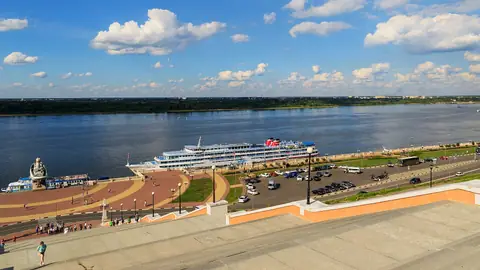
Chkalov Stairs and Upper Volga Embankment: Mansions and River Panoramas
Nizhny Novgorod, Russia
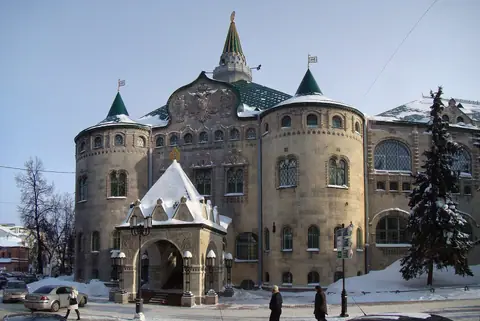
Bolshaya Pokrovskaya Street and the 1913 State Bank
Nizhny Novgorod, Russia
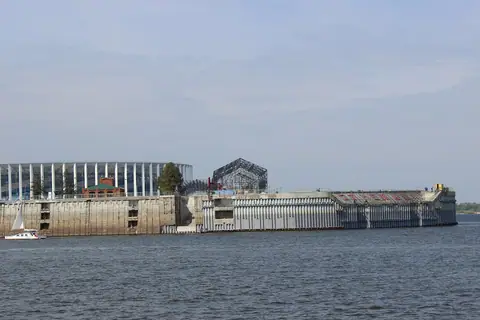
Strelka Spit: Alexander Nevsky Cathedral, Pakgauzy and Fairgrounds
Nizhny Novgorod, Russia
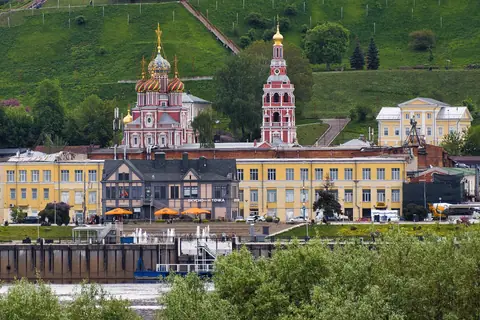
Rozhdestvenskaya Street, Stroganov Church and Fedorovsky Embankment
Nizhny Novgorod, Russia
