Samarkand Seasonal Calendar: Navruz, Crisp Autumns, and Desert Climate
Choosing the right season shapes your experience of Uzbekistan, balancing mild Silk Road weather against intense desert heat across historic plazas.
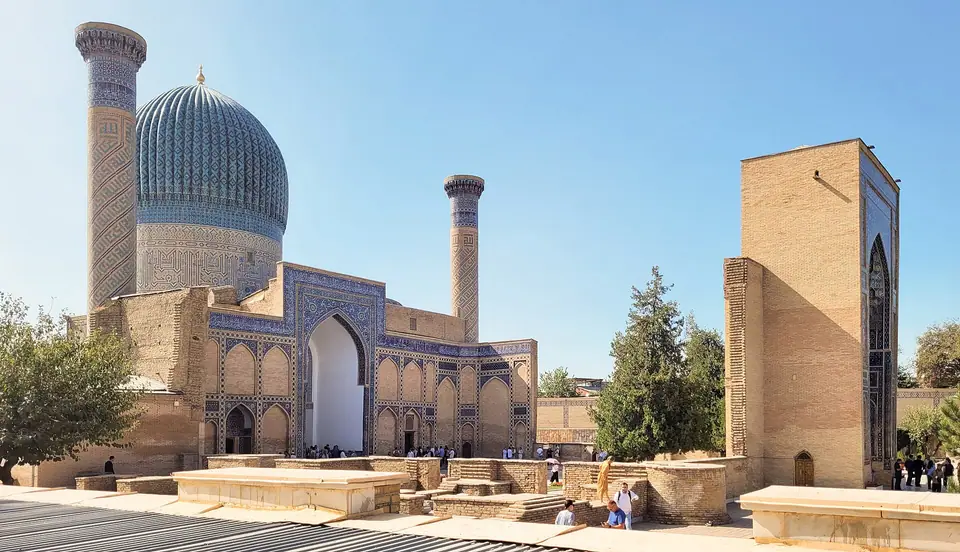
Spring brings mild temperatures and flowering gardens to the oasis valleys of Uzbekistan, making it an appealing window for unhurried walking. Fresh breezes sweep across open stone courtyards before the dry desert plains warm up for the summer. Travelling during late March also allows you to witness Navruz, the traditional Persian New Year celebration that fills communal squares with music and seasonal dishes.
Planning your days during spring requires thoughtful pacing because mornings start crisp while afternoons turn pleasantly warm under direct sunshine. You will find that walking between major monuments feels comfortable on foot without intense heat exhausting your energy. Combining outdoor sites with local markets creates a balanced daily rhythm, particularly alongside tiled madrasahs and oasis bazaar walks to structure your daylight hours cleanly.
Early spring rainfall occasionally dampens the stone plazas, but storms pass swiftly across the open valley. Fresh mountain air clears any haze, leaving bright blue skies that frame the turquoise domes and tall minarets. Green lawns around ancient shrines offer peaceful places to pause between site visits before midday temperatures begin to rise.
Bicycle rentals and walking tours operate at peak capacity during April and May, as foreign visitors and domestic pilgrims mingle in shared garden courtyards. Guesthouse courtyards open their outdoor seating areas for morning tea and fresh bread. Mild evenings invite lingering walks along well-lit pedestrian boulevards without needing heavy outerwear.
Summer Intensity and Midday Desert Realities
Summer across the Zeravshan River basin brings intense sunlight and sharp dry heat that quickly warms the open public flagstones. Midday temperatures often climb steeply, radiating heat from tiled walls and unshaded courtyards. Exploring requires an early start, leaving the middle part of the day free for indoor rest or long lunches in shaded teahouses.
Sun protection and deliberate hydration become essential habits as soon as June arrives across the central plains. Light, loose garments made of breathable linen or cotton help shield your skin from strong ultraviolet rays. Review linen layers and shrine dress etiquette ahead of packing so you stay comfortable and respectful in historic sanctuaries.
Historic madrasahs feature thick adobe brick walls that naturally insulate their interior cells from the punishing outdoor sun. Visiting covered bazaars and air-conditioned museums during the afternoon hours keeps you energetic without risking heat exhaustion. Cold mineral water and freshly poured green tea remain readily available at small street kiosks across town.
Nightfall brings welcome relief as the desert heat dissipates under cloudless skies after sunset. Illuminated facades glow against the dark horizon, drawing families out for ice cream and evening strolls through open public parks. Cooler night temperatures make late dinners in open-air courtyard restaurants one of the season's genuine highlights.
| Season | Key Weather Profile | Visitor Experience |
|---|---|---|
| Spring | Mild, fresh breezes, occasional showers | Lively parks, Navruz festivities, peak walking comfort |
| Summer | Intense heat, clear skies, dry winds | Quiet afternoons, early morning visits, warm evenings |
| Autumn | Crisp air, stable sunshine, dry tracks | Market stalls with melons, soft light for photography |
| Winter | Cold mornings, thin frost, quiet alleys | Solitary monuments, dramatic skies, peaceful squares |
Autumn Harvest and Optimal Photography Windows
Autumn brings golden afternoon light, stable blue skies, and clear desert visibility across the valley floor. Market stalls fill to overflowing with sweet local melons, dried fruits, and fresh grapes gathered from surrounding agricultural plots. Because the harsh summer heat dissipates quickly, walking outside throughout the entire afternoon remains exceptionally pleasant and calm.
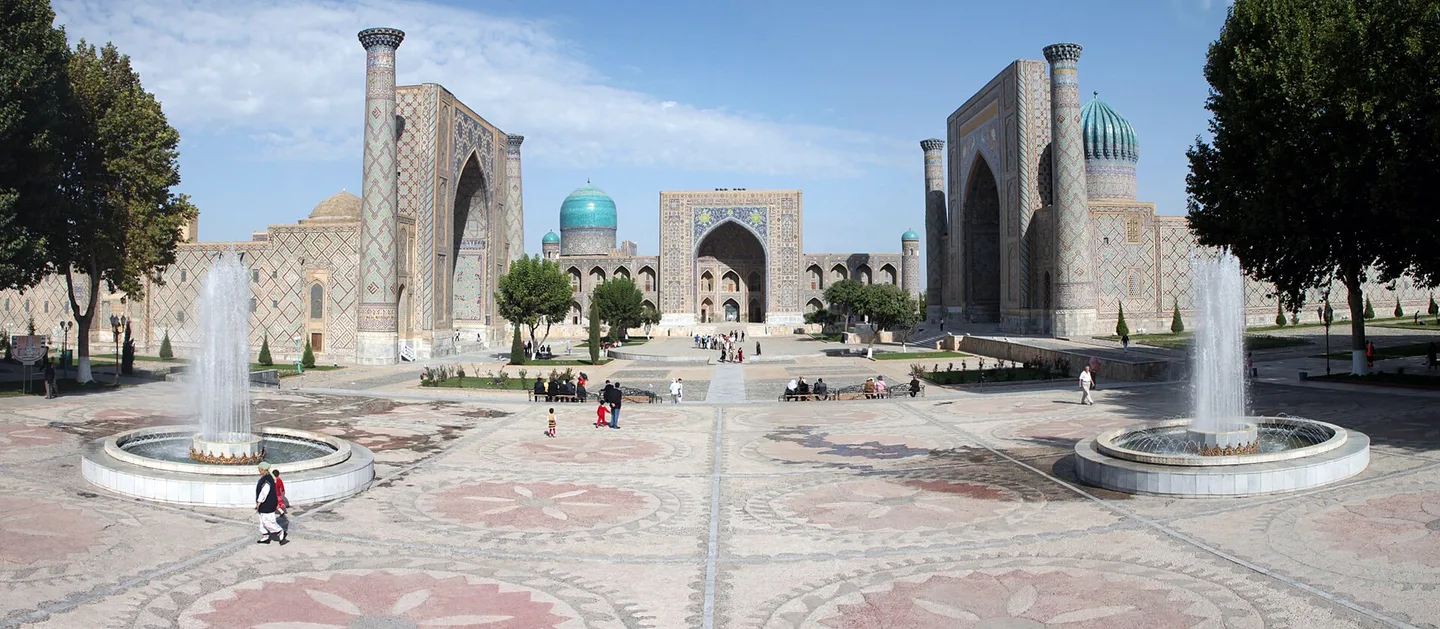
Photographers often favour this harvest period because the low autumn sun strikes intricate tilework without creating harsh midday glare. Broad courtyards reflect warm golden tones against cobalt and turquoise glazed bricks. Stable atmospheric conditions also make regional transit comfortable when planned alongside high-speed rail and taxi route notes.
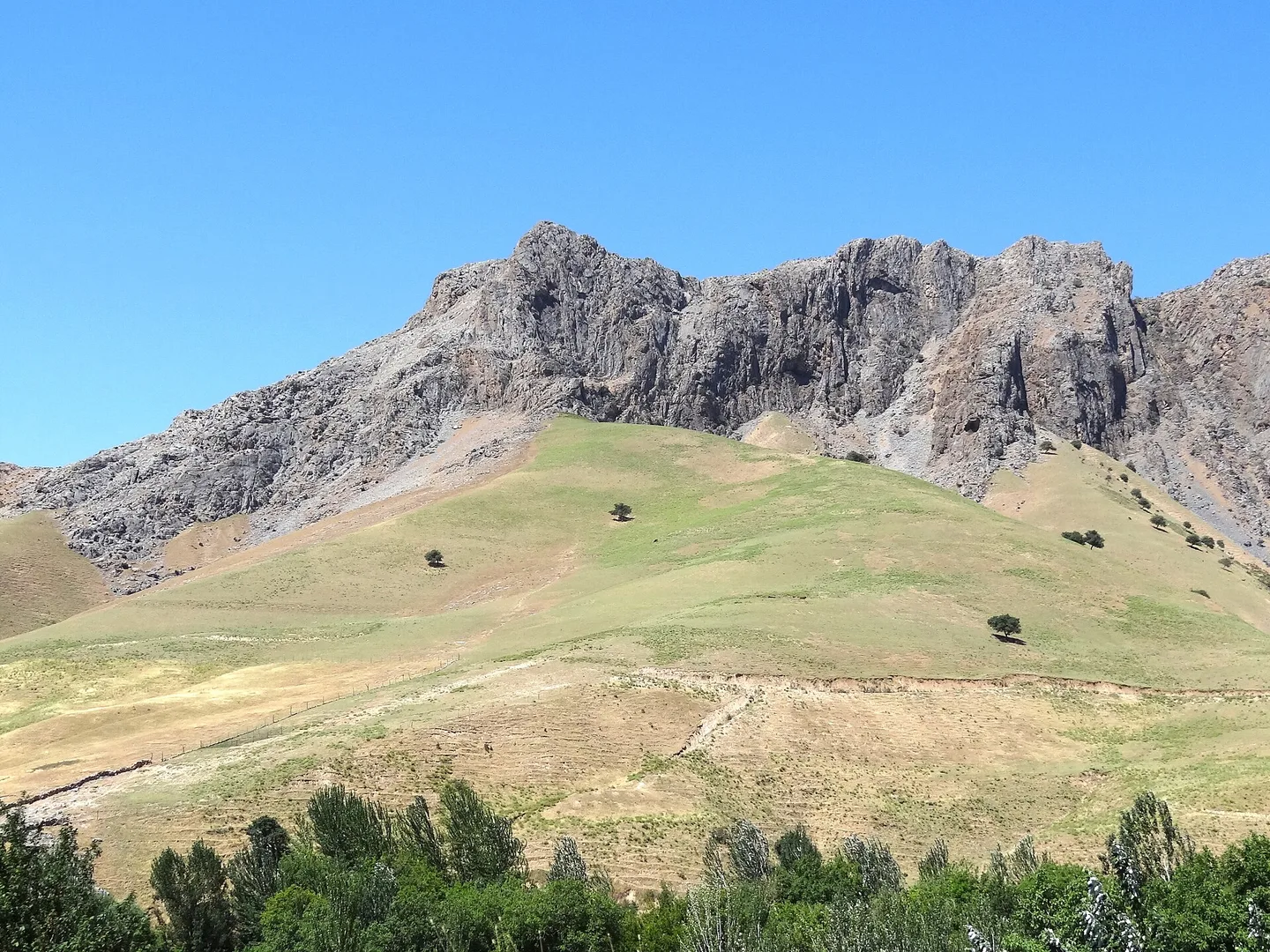
September and October offer steady breezes that carry minimal dust, allowing long-distance visibility toward the distant mountain ranges. Walking through residential mahalla quarters reveals grapevines heavy with fruit hanging above quiet brick alleyways. Outdoor cafe terraces remain open through late autumn, offering comfortable spots to review your daily sketches and photographs.
Festival gatherings continue into the autumn months as local farmers bring seasonal produce into urban markets. Pomegranates, persimmons, and walnuts arrive in abundance, filling food halls with rich earthy fragrances. Crisp evening air marks the transition toward winter, prompting tea masters to prepare hot herbal infusions for gathering crowds.
Winter Quiet and Atmospheric Silk Road Monuments
Winter transforms the ancient oasis into a quiet sanctuary where few travellers interrupt the stillness of historic courtyards. Frost occasionally coats carved wooden pillars and turquoise domes, creating a striking contrast against cold grey stone. While daylight hours are shorter, the complete absence of tour groups offers uninterrupted contemplation across monumental architectural complexes.
Cold continental winds require heavy woollen layers, thermal socks, and reliable windproof outerwear during December and January. Interior museum halls can feel chilly, so dressing warmly indoors is just as vital as bundling up for outdoor flagstones. Pairing these quiet winter mornings with district transport notes and free-entry monument boundaries supports an unhurried winter journey.
Occasional snow dustings melt quickly under direct morning sunshine, yet they lend a calm stillness to ancient brick mausoleums. Guesthouse hosts often stoke courtyard coal stoves or offer traditional low tables fitted with heated blankets for guests. Steaming bowls of spiced noodle soup and hot flatbreads give welcome warmth after chilly morning walks.
Photographers who brave the cold discover stark, minimalist compositions where blue domes stand out sharply against pale winter skies. Off-season travel discounts make boutique lodging more accessible, and railway compartments run quiet with local commuters. Taking time to study architectural history without crowds rewards visitors seeking quiet reflection.
- Spring brings lively festival gatherings, blooming green spaces, and comfortable daytime walking conditions across every district.
- Summer requires early departures to avoid intense afternoon sun, paired with restful breaks during the hottest hours.
- Autumn offers sweet seasonal produce, comfortable temperatures, and soft golden light that illuminates intricate mosaic patterns.
- Winter brings deep solitude and peaceful monument viewing, though cold desert winds demand proper thermal layers.
Weather by month
Samarkand is warmest in July, with average highs around 36°C, and coldest in January, when nights drop to about -2°C. March is the wettest month by rainfall (97 mm), with rain on about 13 days. For mild weather with fewer rainy days, aim for October.
| Month | Low | Range | High | Rain | Rainy days |
|---|---|---|---|---|---|
| Jan | -2°C | 8°C | 59 mm | 9 d | |
| Feb | -1°C | 11°C | 67 mm | 9 d | |
| Mar | 4°C | 16°C | 97 mm | 13 d | |
| Apr | 8°C | 21°C | 72 mm | 9 d | |
| May | 14°C | 27°C | 67 mm | 8 d | |
| Jun | 18°C | 34°C | 7 mm | 2 d | |
| Jul | 21°C | 36°C | 1 mm | 0 d | |
| Aug | 19°C | 34°C | 3 mm | 1 d | |
| Sep | 14°C | 29°C | 4 mm | 1 d | |
| Oct | 8°C | 21°C | 38 mm | 6 d | |
| Nov | 2°C | 14°C | 47 mm | 7 d | |
| Dec | -1°C | 9°C | 33 mm | 8 d |
Averages of daily values from 2015 to 2024. Rainy days are days with at least 1 mm of rain. Source: Open-Meteo · Compare destinations by month.
Official prices and opening hours
- Registan Square Madrasahs (Ulugh Beg, Sher-Dor, Tilya-Kori)Official site ↗
- Afrosiyob High-Speed Train (Tashkent – Samarkand)Official site ↗
Where it is
- 1Samarkand
- Samarkand International Airport (SKD) · about 6 km from Samarkand in a straight line
- Directions in Google Maps
Stations and taxi ranks: OpenStreetMap. Airports: OurAirports. Distances are in a straight line.
Traveller tips
Real advice from people who have been to Samarkand. Every tip is read by our team before it goes live.
No tips yet. Been here? Yours could be the first.
Thank you! Your tip will appear here after a quick review.
More in Samarkand
Continue exploring Samarkand with related neighbourhood, food, and planning guides
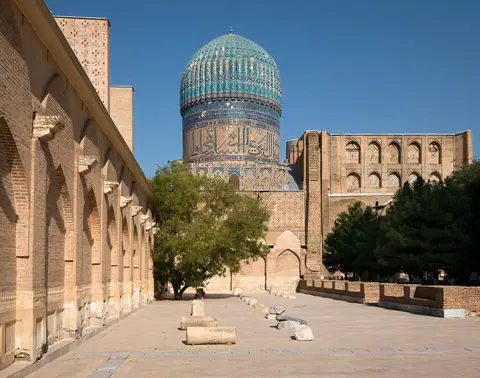
Samarkand Accommodation and Neighbourhood Guide
Samarkand, Uzbekistan
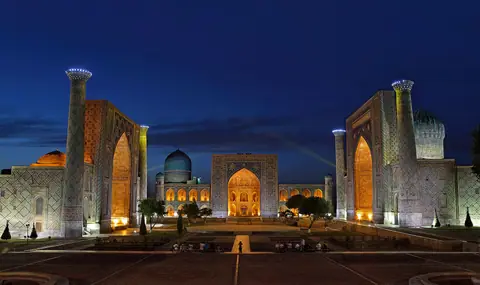
Three Days in Samarkand: Walking Routes and Historic Monuments
Samarkand, Uzbekistan
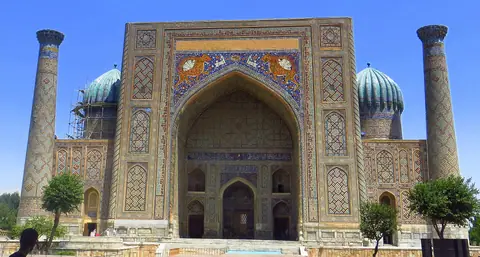
Registan Square: Ulugh Beg, Sher-Dor, and Tilya-Kori Madrasahs
Samarkand, Uzbekistan
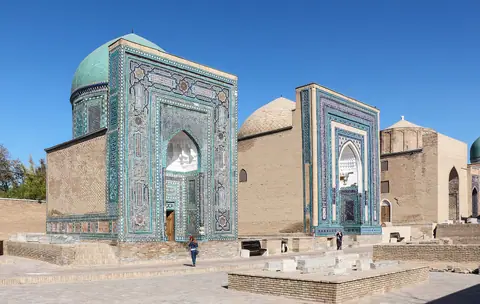
Shah-i-Zinda Necropolis: Blue Mausoleums and Sacred Avenues
Samarkand, Uzbekistan
