Photo: Sinchalak Musulmon · CC BY-SA 4.0
A Food Lover’s Guide to Samarkand
Savouring the distinct culinary heritage of Samarkand reveals rich clay-oven baking traditions and fragrant rice specialities shaped by historic trade routes.
Dining in this ancient oasis connects travellers directly to regional culinary heritage developed over centuries of merchant trade and oasis agriculture. Every meal centres on generosity, balanced spices, and nourishing grains prepared inside massive cauldrons or clay ovens. You will find that local recipes favour deep flavours built from cumin, coriander, slow-cooked meat, and sweet root vegetables rather than fiery chillies.
Layered Plov Traditions of the Silk Road
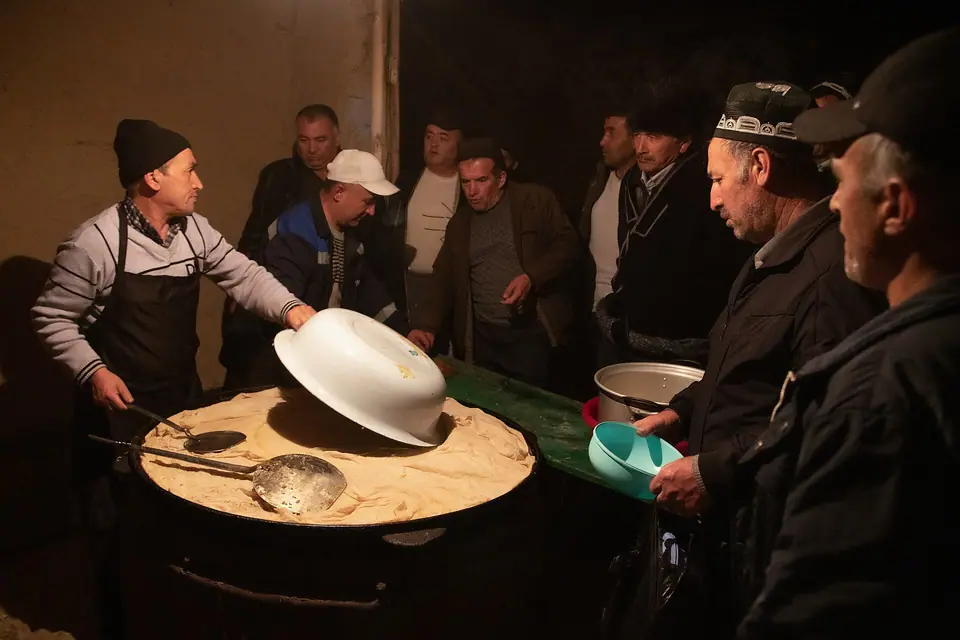
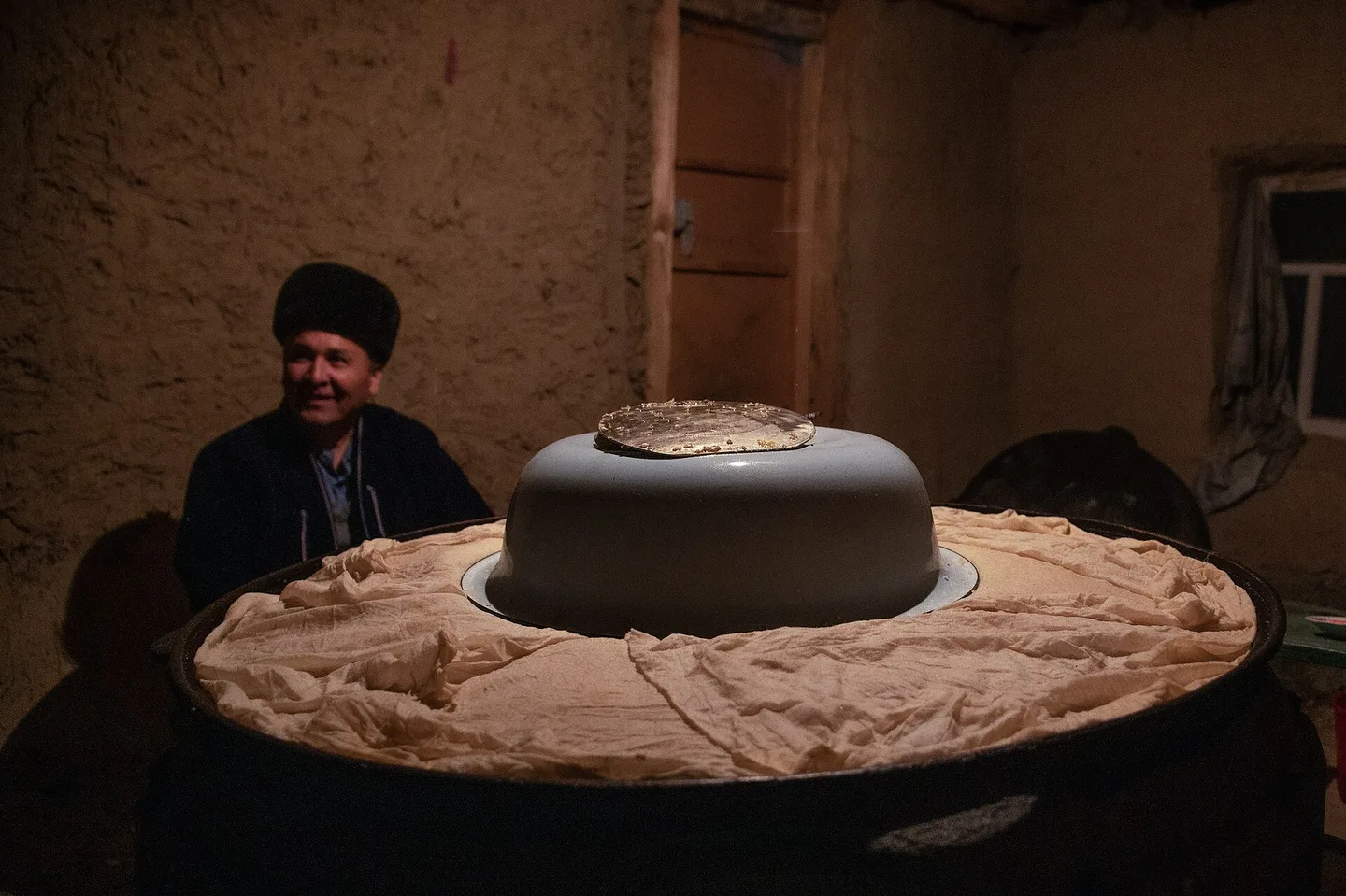
The culinary crown of the region belongs indisputably to plov, an artful dish cooked inside massive cast-iron cauldrons known locally as qozons. Unlike the mixed rice variations prepared in Tashkent or the Fergana Valley, the Samarkand version is constructed in deliberate, unmixed layers. Yellow carrots sit beneath tender beef cuts and chickpeas, with long-grain rice steaming gently on top to absorb the fragrant spiced vapours.
Chefs balance rich rendered fat and vegetable oils with sweet raisins and whole heads of garlic tucked into the rice mound. When serving, the cook ladles out the pale rice first, scattering the sweet carrots next, and crowns the platter with succulent braised beef. Diners traditionally pair this hearty plate with thin slices of fresh tomato, sharp white onion, and crisp cucumbers tossed in light vinegar.
Most neighbourhood plov centres prepare their single batch to reach peak tenderness precisely around midday. Arriving early guarantees the freshest rice, tenderest meat cuts, and an authentic communal midday dining atmosphere alongside local families. Plan your daytime walking route around an early lunch stop before visiting monument grounds such as the Registan Square Madrasahs.
Tandoor Bread and Market Staples
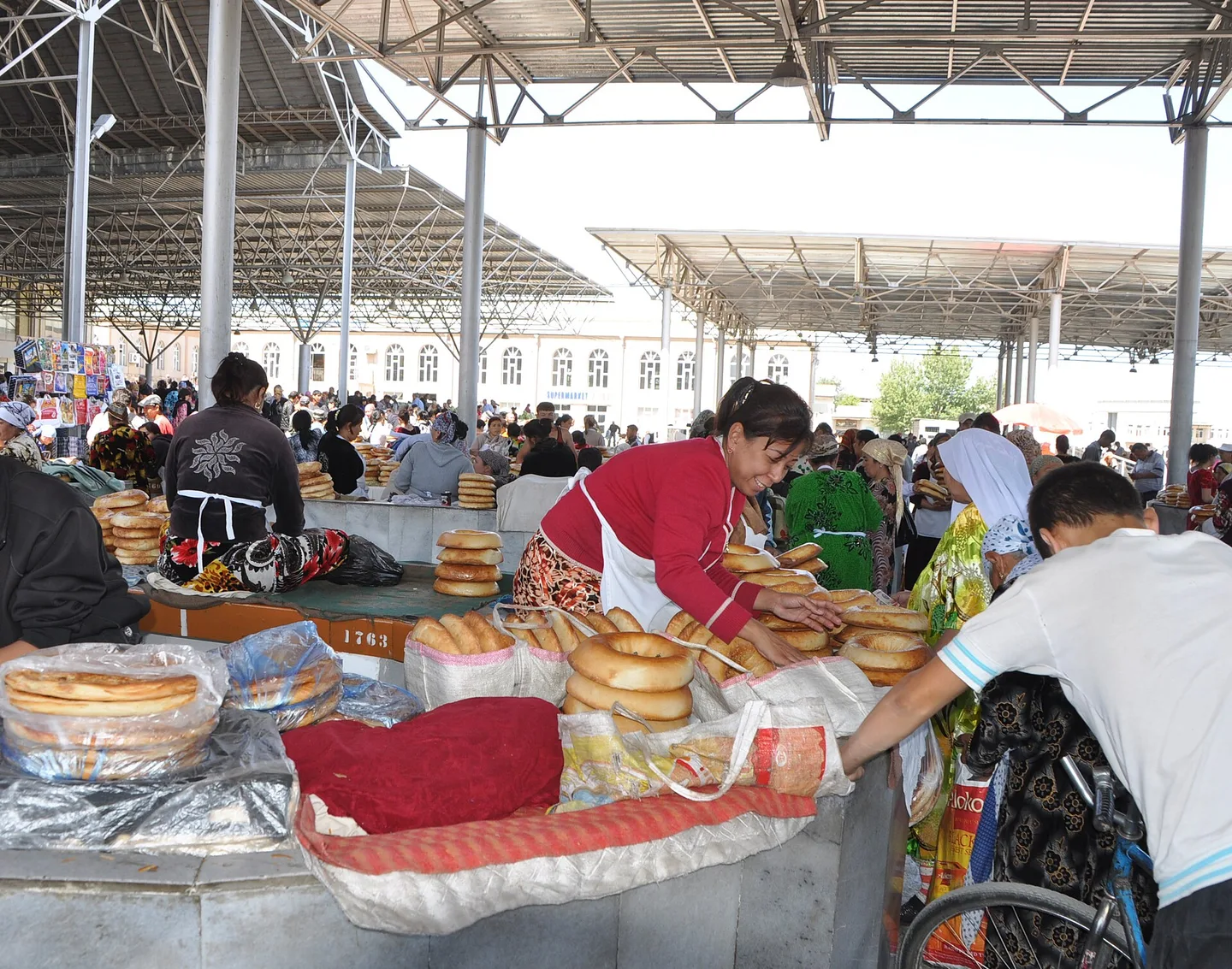
No table setting in the region is complete without the famous local flatbread, known throughout the country as Samarkand non. Bakers slap rounds of dense, fermented wheat dough against the superheated clay walls of glowing tandoor ovens. The resulting loaves emerge with high, glossy glazed crusts decorated with stamped circular patterns, retaining their dense, chewy texture for days.
Locals take immense pride in these distinctive golden loaves, often purchasing full crates to transport as gifts to relatives across other provinces. The bread serves as both a staple food and a functional trencher, catching the savoury juices of grilled meats and braised broths. In local custom, you must never place a loaf upside down or slice it with a steel knife; instead, tear it gently by hand.
Alongside bread, morning and afternoon snacks revolve around flaky pastries known as somsa, baked directly on the internal curvature of clay ovens. These triangular or rounded parcels encase minced beef or lamb, finely diced onions, and rich pocketings of fat seasoned with freshly cracked black pepper. During early spring, green somsa stuffed with wild herbs, spinach, and young greens provide a welcome seasonal contrast to winter meats.
| Dish Name | Primary Elements | Serving Style |
|---|---|---|
| Samarkand Plov | Steamed rice, yellow carrots, chickpeas, beef | Served in distinct layers on communal platters |
| Samarkand Non | Dense fermented wheat, nigella seeds, egg wash | Torn by hand at the table |
| Tandoor Somsa | Layered pastry, minced meat, onion, cumin | Eaten warm as a morning or midday snack |
| Chuchvara | Small meat dumplings, clear beef bouillon, dill | Served as a hot comforting soup course |
Charcoal Skewers, Soups, and Dumplings
As afternoon transitions toward dusk, the scent of hardwood charcoal drifts through residential lanes and market stalls. Shashlik stands cook marinated meat on long metal skewers suspended above open embers, turning them continuously to achieve a crisp exterior and succulent interior. Options span tender chunks of lamb, spiced minced beef lyulya, and delicate alternating ribbons of rib meat and rendered fat.
Noodle dishes also hold an esteemed position on local tables, particularly lagman, which reflects historical links to eastern culinary traditions. Cooks pull elastic wheat dough by hand into long, continuous strands before boiling them briefly and ladling over a rich stew of beef, peppers, radish, and tomato broth. In warmer months, cold tossed variations dressed with garlic, vinegar, and fresh herbs offer refreshing alternatives to heavy hot soups.
Steamed dumplings known as manti offer another essential culinary experience, wrapped in delicate rolled dough and filled with hand-cut meat and onions. Steaming over several tiers of boiling water keeps the interior juicy, releasing rich spiced broth as you take your first bite. Many teahouses serve manti garnished with a dollop of sour smetana or tangy yoghurt alongside fresh sprigs of purple basil and dill.
Teahouse Culture and Practical Dining Rhythms
The traditional teahouse, or chaikhana, remains the social heart of neighbourhood life throughout the city. Diners recline on carpeted wooden platforms called tapchans, sipping freshly brewed green or black tea from ceramic bowls called pialas. Proper hospitality requires the host to pour tea into the bowl three times and return it to the teapot before serving the guest, securing optimal flavour infusion.
When arranging transport between morning sights and central dining quarters, review travel details in our guide covering Afrosiyob High-Speed Train connections. Local dining spots fill rapidly between noon and two in the afternoon, making midday timing essential for securing premier plov portions.
Conclude your culinary explorations with sweet seasonal fruits sourced directly from surrounding agricultural valleys. Vendors offer ripe figs, sweet pomegranates, and dried fruits that pair naturally with hot green tea after rich savoury feasts. Adopting local dining rhythms lets you experience the warm hospitality that defines dining throughout this historic crossroads.
Official prices and opening hours
- Registan Square Madrasahs (Ulugh Beg, Sher-Dor, Tilya-Kori)Official site ↗
- Afrosiyob High-Speed Train (Tashkent – Samarkand)Official site ↗
Where it is
- 1Samarkand
- Samarkand International Airport (SKD) · about 6 km from Samarkand in a straight line
- Directions in Google Maps
Stations and taxi ranks: OpenStreetMap. Airports: OurAirports. Distances are in a straight line.
Traveller tips
Real advice from people who have been to Samarkand. Every tip is read by our team before it goes live.
No tips yet. Been here? Yours could be the first.
Thank you! Your tip will appear here after a quick review.
More in Samarkand
Continue exploring Samarkand with related neighbourhood, food, and planning guides
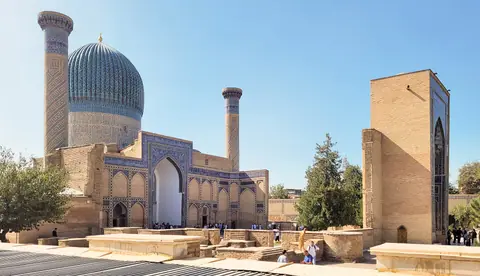
Samarkand Seasonal Calendar: Navruz, Crisp Autumns, and Desert Climate
Samarkand, Uzbekistan
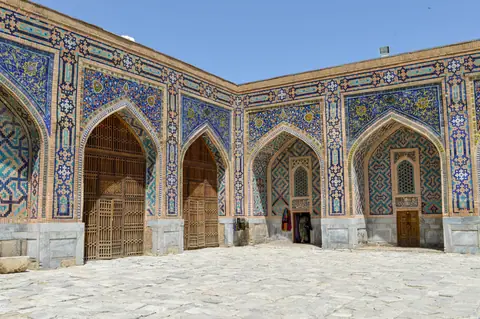
What to Wear in Samarkand: Shrine Modesty & Seasonal Layers
Samarkand, Uzbekistan
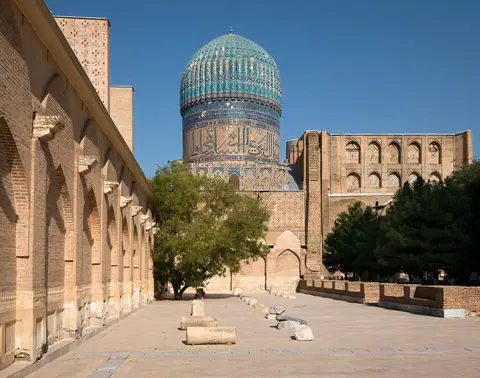
Samarkand Accommodation and Neighbourhood Guide
Samarkand, Uzbekistan
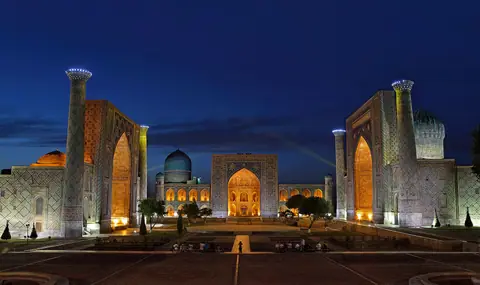
Three Days in Samarkand: Walking Routes and Historic Monuments
Samarkand, Uzbekistan
