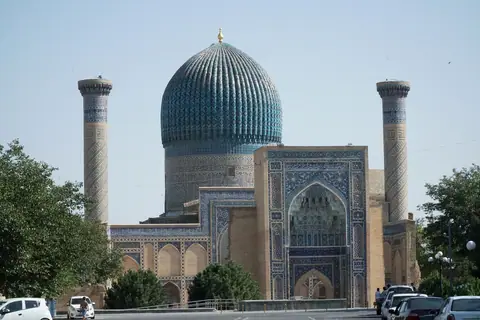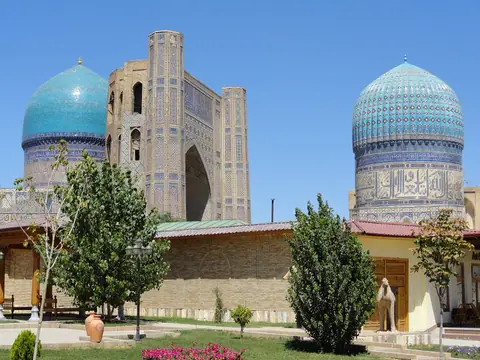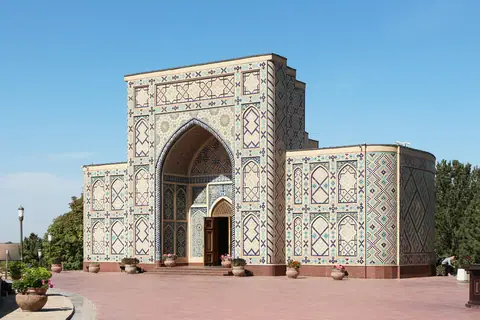
Photo: Francisco Anzola · CC BY 3.0
What to Wear in Samarkand: Shrine Modesty & Seasonal Layers
Careful layering and respectful shrine attire help you navigate holy courtyards and open madrasahs across Samarkand with ease.
Packing for this historic Silk Road oasis requires balancing modest local customs with varied outdoor conditions. Historic monuments serve both as community places of prayer and grand architectural landmarks. When entering working sanctuaries, madrasahs, and ancient burial grounds, respectful dressing remains fundamental. Loose trousers, ankle-length skirts, and tops with full shoulder coverage help visitors move freely without feeling misplaced.
Women should always carry a light cotton or silk scarf in their daypack. While central thoroughfares do not require covered heads, active mausoleums and prayer rooms ask female guests to cover hair before crossing the threshold. Men should steer clear of short gym shorts and sleeveless shirts near religious sites. Choosing airy cotton trousers or tailored chinos keeps you cool during warm afternoons while honouring local expectations.
Shrine Etiquette and Holy Ground Coverage
Entering sacred ground across the city involves distinct physical thresholds that shape what you should wear each day. Holy complexes and burial halls maintain strict expectations regarding bare skin. Both men and women should keep shoulders, chests, and knees completely shielded before stepping past arched entrances. Breathable natural weaves such as linen and loose poplin cotton prevent overheating beneath intense desert sunlight.
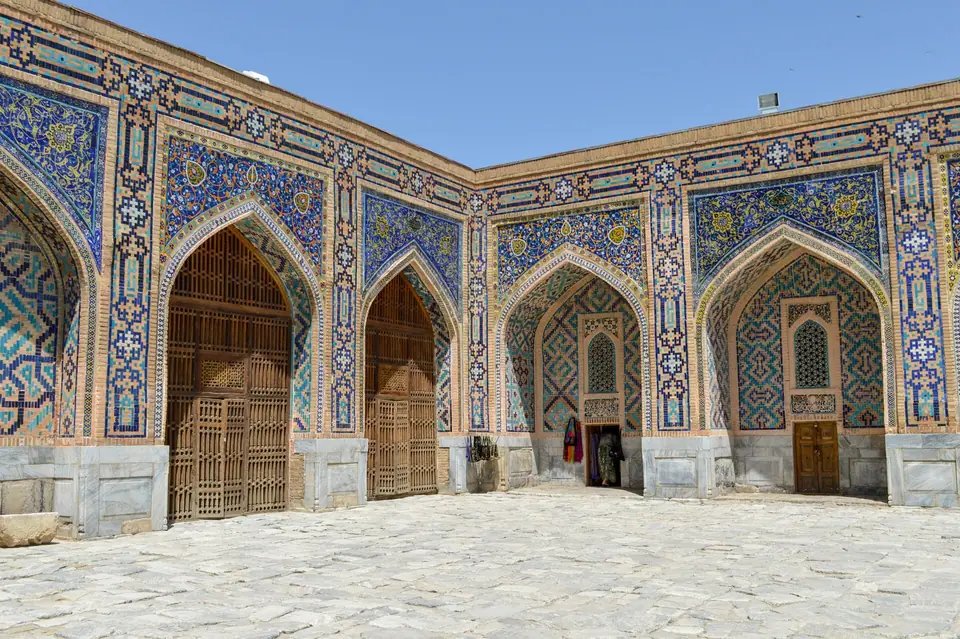
Historic madrasahs feature wide, unshaded stone courtyards where the direct sun reflects off blue glazed mosaic tiles. Long-sleeved linen shirts offer practical protection against strong ultraviolet rays while keeping you well within modest boundaries. A wide-brimmed hat shields your face during lengthy walking tours across exposed plazas, but remember to remove headwear indoors.
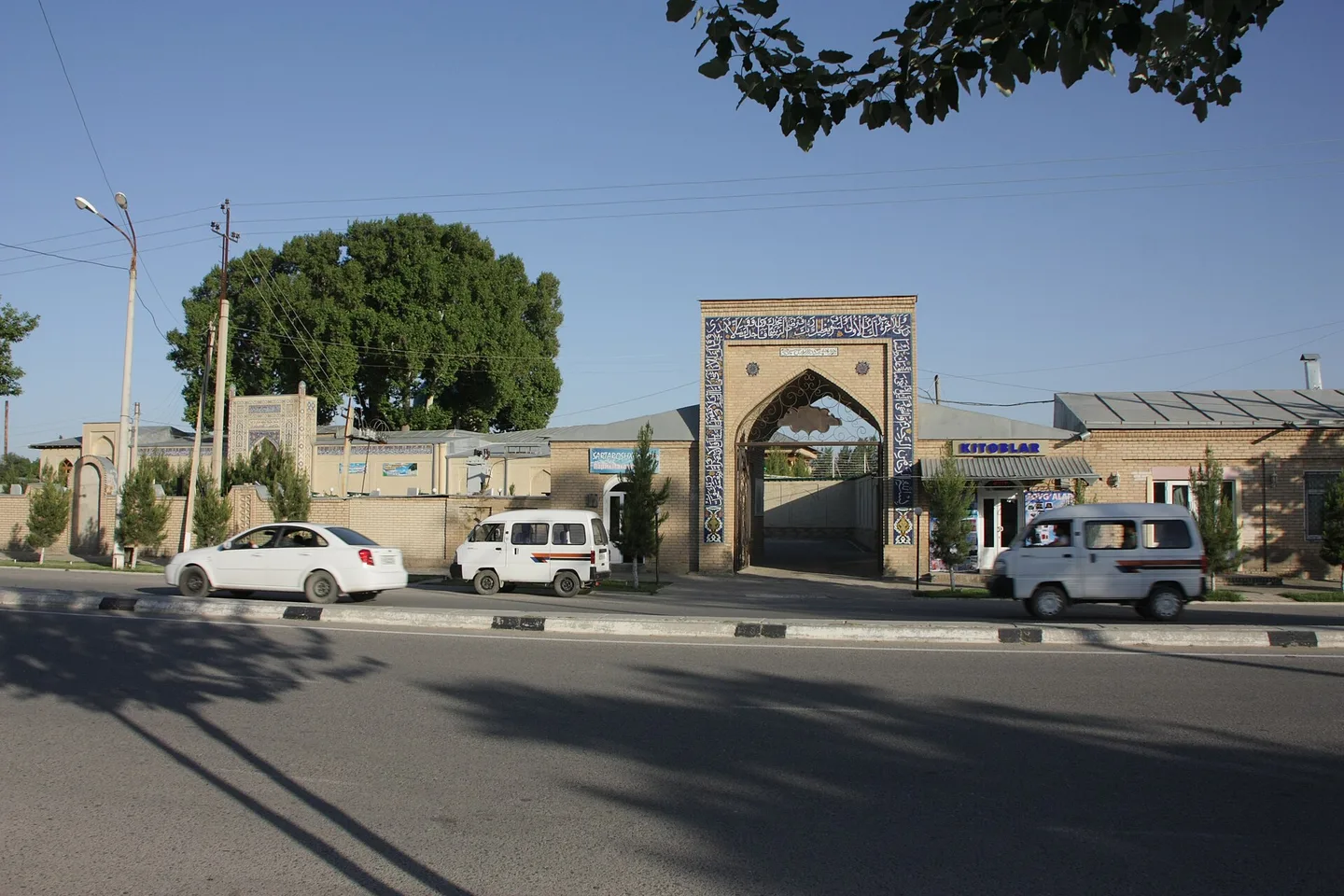
Many visitors choose tunic-style shirts paired with loose-fitting trousers to handle dry ambient heat without revealing skin. Carrying a lightweight sarong or broad shawl gives instant versatility whenever unexpected prayer halls appear on your route. Such wraps drape smoothly over shoulders or legs without requiring complete mid-day wardrobe changes before stepping inside.
Footwear Selection for Polished Marble and Stone
Footwear demands careful thought because local sightseeing requires constant transition between rough outdoor pavement and delicate sacred interiors. You will walk across uneven brick lanes, smooth ceramic flagstones, and polished marble steps. Sturdy slip-on shoes or supportive walking trainers with reliable rubber tread prevent slipping on polished courtyard stone surfaces.
Inside tombs and active carpeted prayer spaces, guests must take off outdoor footwear before crossing the threshold. Laced mountain boots become tedious when you need to remove and replace them repeatedly throughout a single morning. Choosing supportive shoes that slide on and off easily saves valuable time and effort at temple barriers.
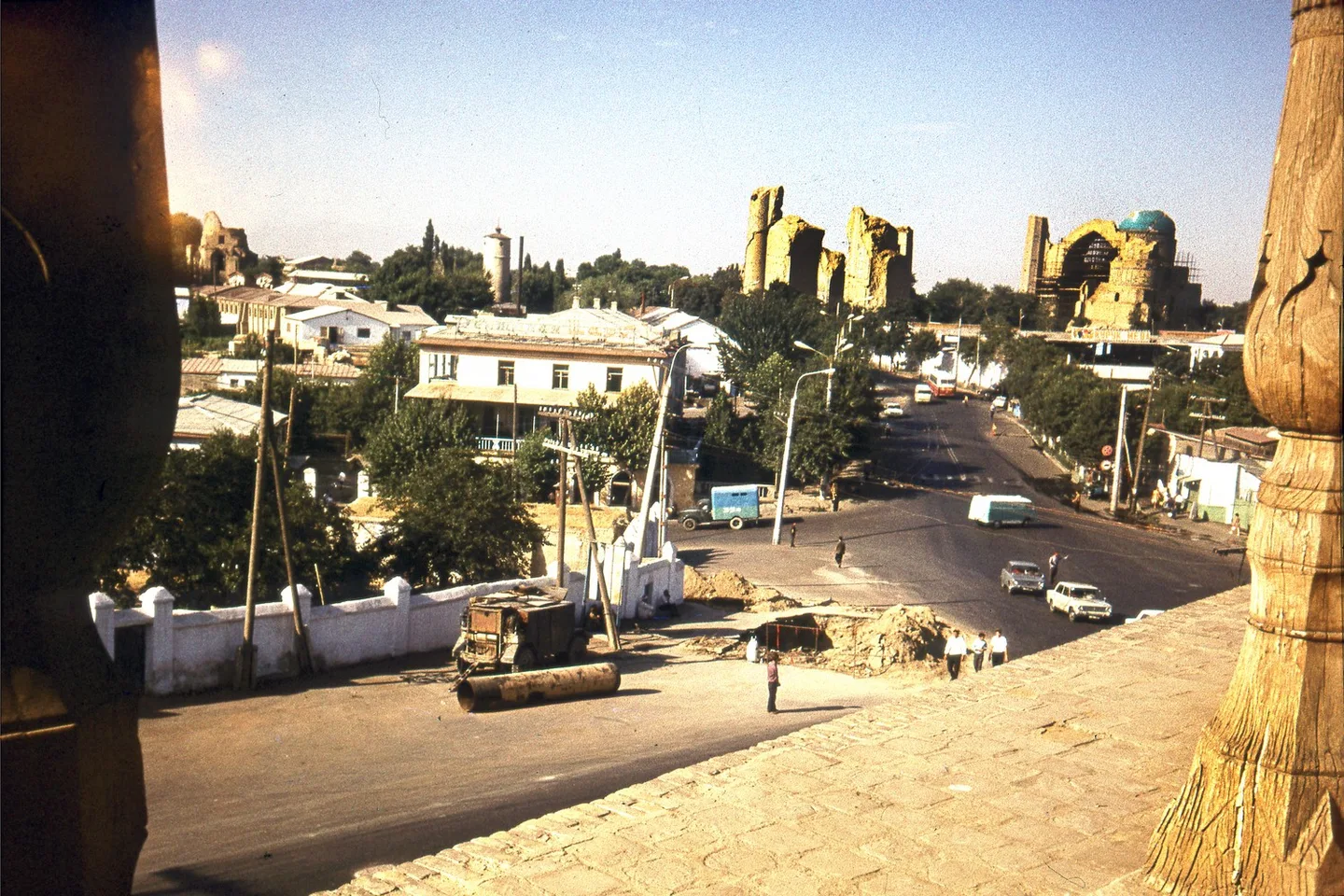
Clean socks are an essential packing component that many travellers overlook during preparation. Walking barefoot across sacred carpets is generally discouraged, and chilled stone thresholds can feel uncomfortably cold during early morning visits. Pack several pairs of breathable cotton socks in your daily bag so you always have fresh pairs ready for interior stops.
Seasonal Fabric Choices and Desert Temperature Swings
The continental climate creates substantial thermal gaps between sunny afternoons and crisp nocturnal hours. Clear desert skies allow warmth to escape rapidly once darkness falls across the city minarets. Midday sunshine often encourages light single-layer clothing, but evening temperatures drop noticeably across open plazas and quiet lanes.
Smart layering serves as your finest strategy against these changing thermal conditions. A breathable base layer keeps perspiration away during active walks, while a packable wool jumper or fleece adds immediate evening warmth. When preparing your itinerary, read our best time to visit notes to align packing choices with regional weather patterns.
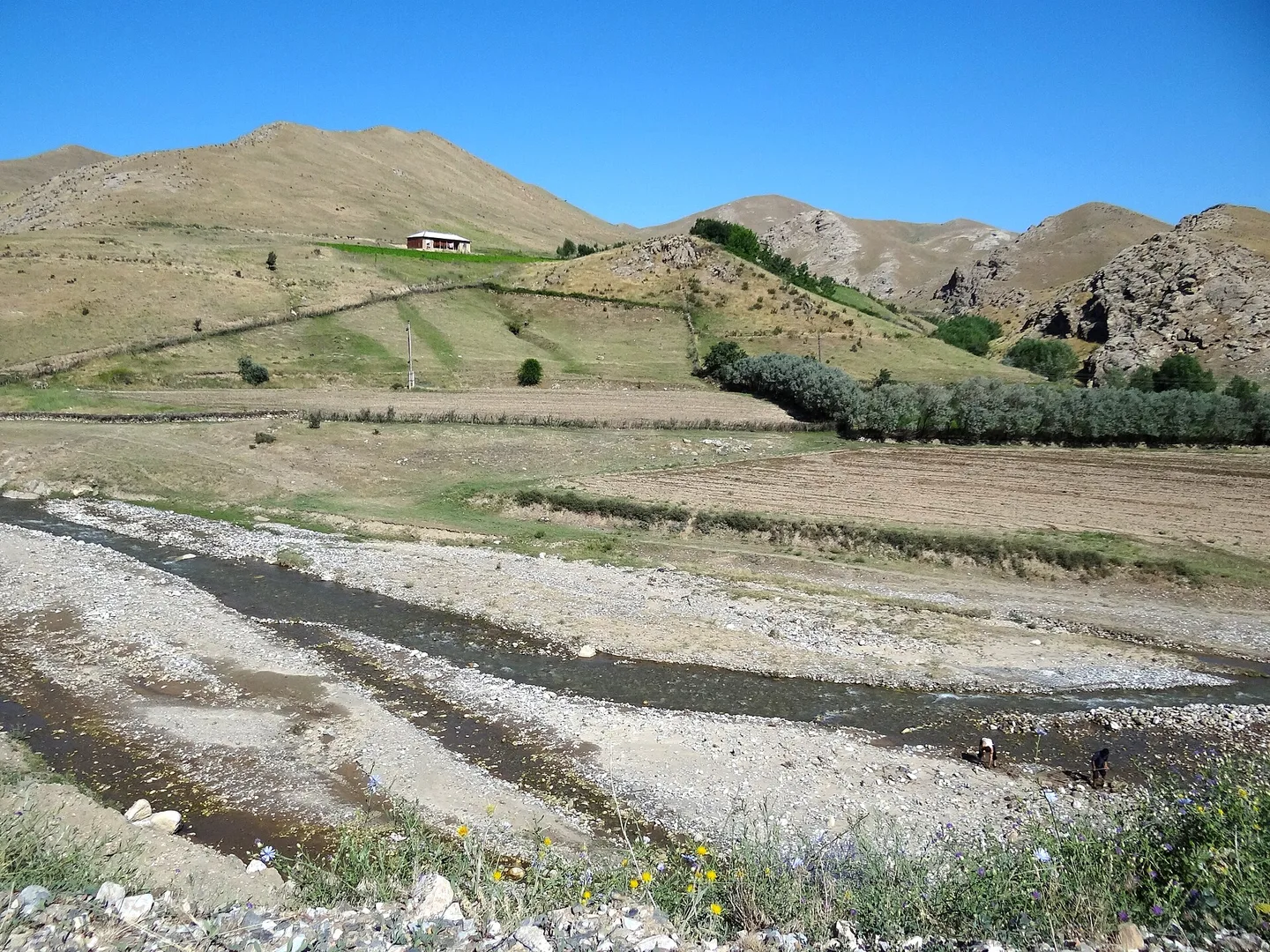
Dust represents another everyday factor when strolling past historic excavation sites and peripheral dirt alleys. Fine desert dust gathers swiftly on dark fabrics, making beige, olive, and khaki garments far more practical than stark black or white. Sturdy windbreakers protect against sudden gusts that lift dust off surrounding steppes during seasonal transitions.
Packing Checklists by Setting and Site Type
Organising daily outfits according to site type makes morning preparations straightforward and efficient. Combining proper modesty with walking comfort allows you to focus entirely on historical discovery. Planning regional transit through our how to get there guide helps align your luggage volume with rail storage limits before departure.
| Setting Type | Recommended Clothing | Footwear Strategy | Essential Extras |
|---|---|---|---|
| Sacred Mausoleums | Long trousers, maxi skirts, sleeved tunics | Easy slip-on loafers or clean socks | Light hair scarf, shoulder shawl |
| Open Madrasahs | Breathable cotton shirts, airy trousers | Supportive walking shoes with grip | UV sunglasses, broad brimmed hat |
| Evening Dining | Casual tailored trousers, layered cardigan | Closed-toe comfortable walking flats | Compact windbreaker, warm light fleece |
Keep your daily pack light so walking between monument complexes remains comfortable throughout long excursions. A compact daypack holding water, a shawl, spare socks, and sunglasses equips you for sudden changes between bright outdoor squares and dim prayer chambers.
- Pack breathable cotton or linen garments that cover knees and elbows entirely.
- Carry a broad, lightweight shawl for quick coverage when entering holy sites.
- Select comfortable slip-on walking shoes to simplify frequent indoor shoe removals.
- Bring clean cotton socks to keep feet comfortable across carpeted prayer floors.
Weather by month
Samarkand is warmest in July, with average highs around 36°C, and coldest in January, when nights drop to about -2°C. March is the wettest month by rainfall (97 mm), with rain on about 13 days. For mild weather with fewer rainy days, aim for October.
| Month | Low | Range | High | Rain | Rainy days |
|---|---|---|---|---|---|
| Jan | -2°C | 8°C | 59 mm | 9 d | |
| Feb | -1°C | 11°C | 67 mm | 9 d | |
| Mar | 4°C | 16°C | 97 mm | 13 d | |
| Apr | 8°C | 21°C | 72 mm | 9 d | |
| May | 14°C | 27°C | 67 mm | 8 d | |
| Jun | 18°C | 34°C | 7 mm | 2 d | |
| Jul | 21°C | 36°C | 1 mm | 0 d | |
| Aug | 19°C | 34°C | 3 mm | 1 d | |
| Sep | 14°C | 29°C | 4 mm | 1 d | |
| Oct | 8°C | 21°C | 38 mm | 6 d | |
| Nov | 2°C | 14°C | 47 mm | 7 d | |
| Dec | -1°C | 9°C | 33 mm | 8 d |
Averages of daily values from 2015 to 2024. Rainy days are days with at least 1 mm of rain. Source: Open-Meteo · Compare destinations by month.
Official prices and opening hours
- Registan Square Madrasahs (Ulugh Beg, Sher-Dor, Tilya-Kori)Official site ↗
- Afrosiyob High-Speed Train (Tashkent – Samarkand)Official site ↗
Where it is
- 1Samarkand
- Samarkand International Airport (SKD) · about 6 km from Samarkand in a straight line
- Directions in Google Maps
Stations and taxi ranks: OpenStreetMap. Airports: OurAirports. Distances are in a straight line.
Traveller tips
Real advice from people who have been to Samarkand. Every tip is read by our team before it goes live.
No tips yet. Been here? Yours could be the first.
Thank you! Your tip will appear here after a quick review.
More in Samarkand
Continue exploring Samarkand with related neighbourhood, food, and planning guides