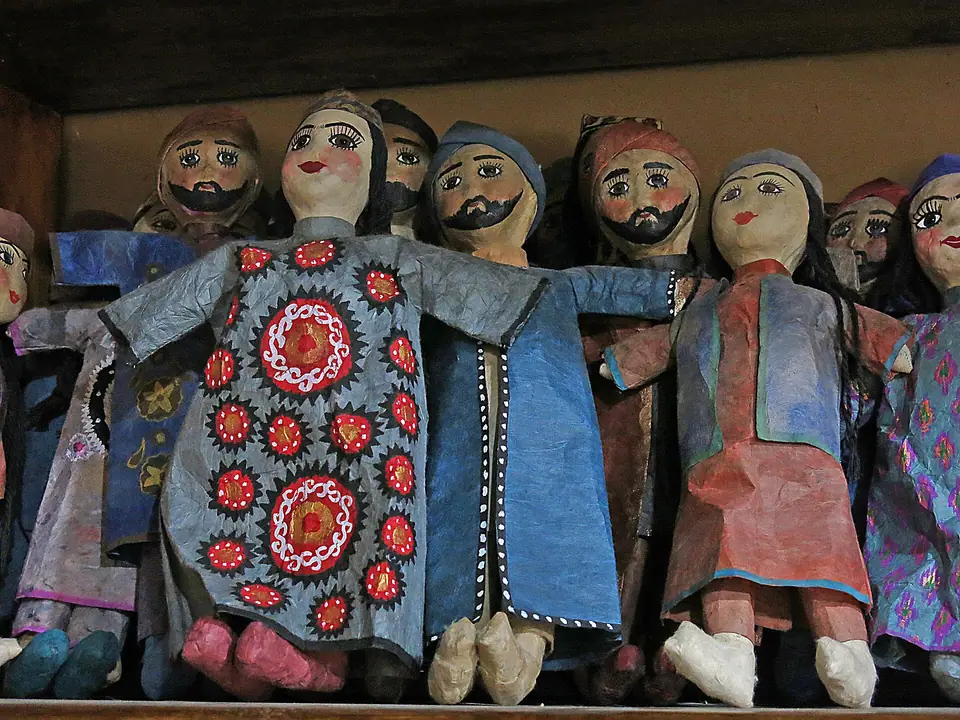
Photo: Enric · CC BY-SA 4.0
Konigil Paper Mill and Urgut Crafts: Samarkand Workshop Route
Waterwheels along the Siab stream power historic mulberry papermaking mills beside rural artisan workshops outside the ancient city of Samarkand.
Leaving behind the grand tilework of the city centre reveals a quieter rural belt powered by mountain channels and agricultural groves. In the riverside village of Konigil, craftsmen preserve the centuries-old method of turning raw mulberry twigs into durable parchment. Flowing waters turn large wooden wheels that lift mechanical wooden pestles, steadily crushing soaked fiber into thick pulp. Visiting this riverside sanctuary allows visitors to observe the complete chain of production without the dense crowds typical of central monuments.
Mulberry Bark Processing at the Konigil Watermill
The manual papermaking sequence begins in the surrounding orchards, where workers cut flexible young mulberry branches during seasonal pruning cycles. Stripped outer dark bark yields an inner fibrous layer, which staff boil in large metal cauldrons until soft and pliable. Once softened, the mass rests under heavy waterwheel-driven wooden mallets for continuous hours until the fibers separate into a pale slurry. The steady rhythm of the wooden machinery creates a tranquil soundtrack along the banks of the Siab stream.
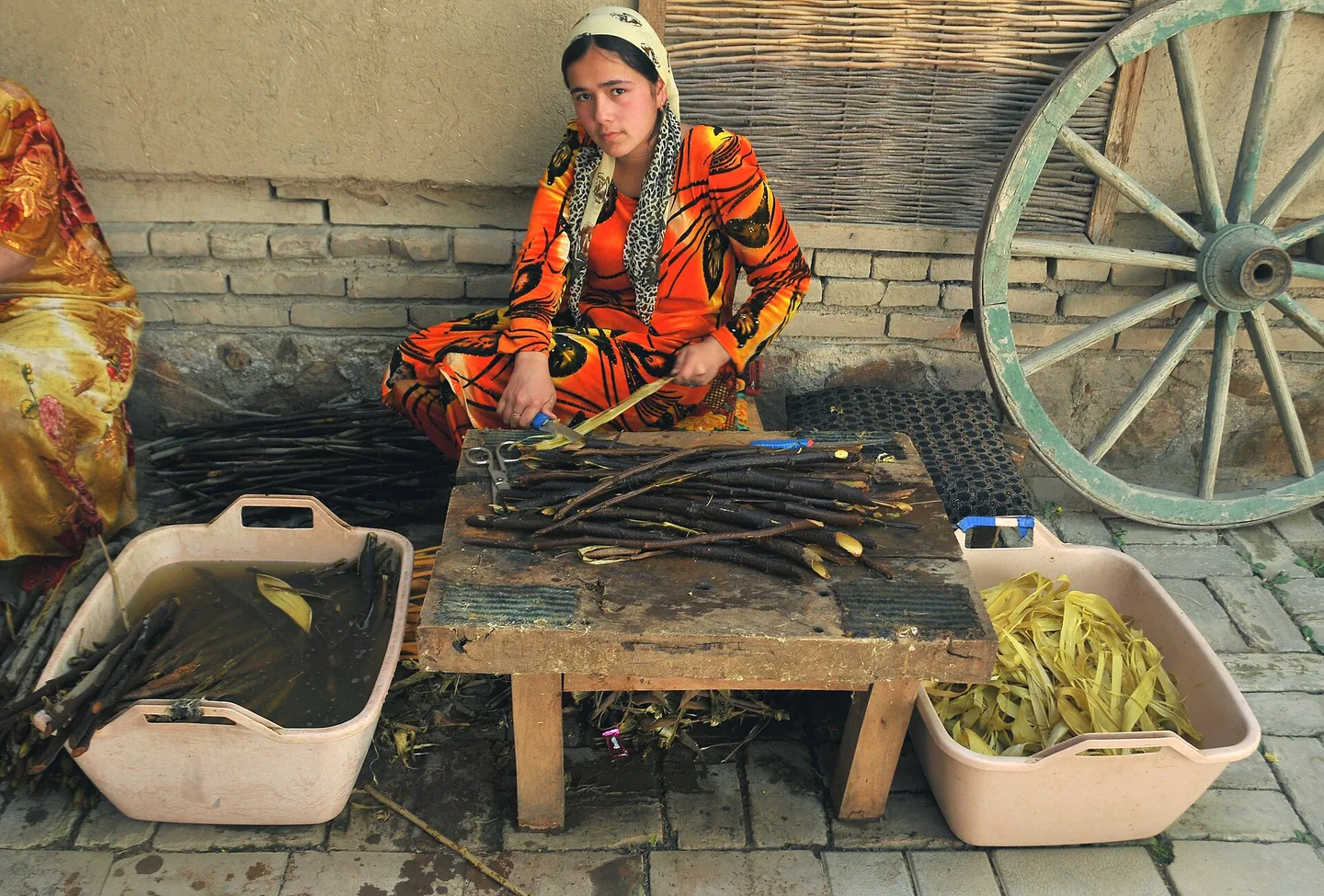
Craftsmen dip fine woven wire frames into shallow wooden vats filled with diluted pulp, lifting thin uniform layers of wet plant material. Each fresh sheet is pressed under heavy stone blocks to squeeze out remaining moisture before being dried on vertical wooden boards. Finally, artisans burnish the dried parchment with polished river agates or horn tools, producing a glossy and remarkably resilient writing surface. Pairing these rural demonstrations with varied cultural itineraries of Samarkand enriches an appreciation of ancient trade traditions.
Artisan Communities and Urgut Needlework Traditions
Further south toward the foothills of the Zeravshan range lies Urgut, a market town celebrated for expressive textile craft and pottery. The town sustains a rich heritage of suzani embroidery, where local women stitch intricate solar discs, pomegranate blossoms, and talismanic motifs onto cotton foundations. Each textile panel is assembled from individually hand-embroidered strips, revealing subtle colour variations in natural vegetable dyes. The rhythm of rural weaving workshops reflects domestic traditions that have endured across generations of valley families.
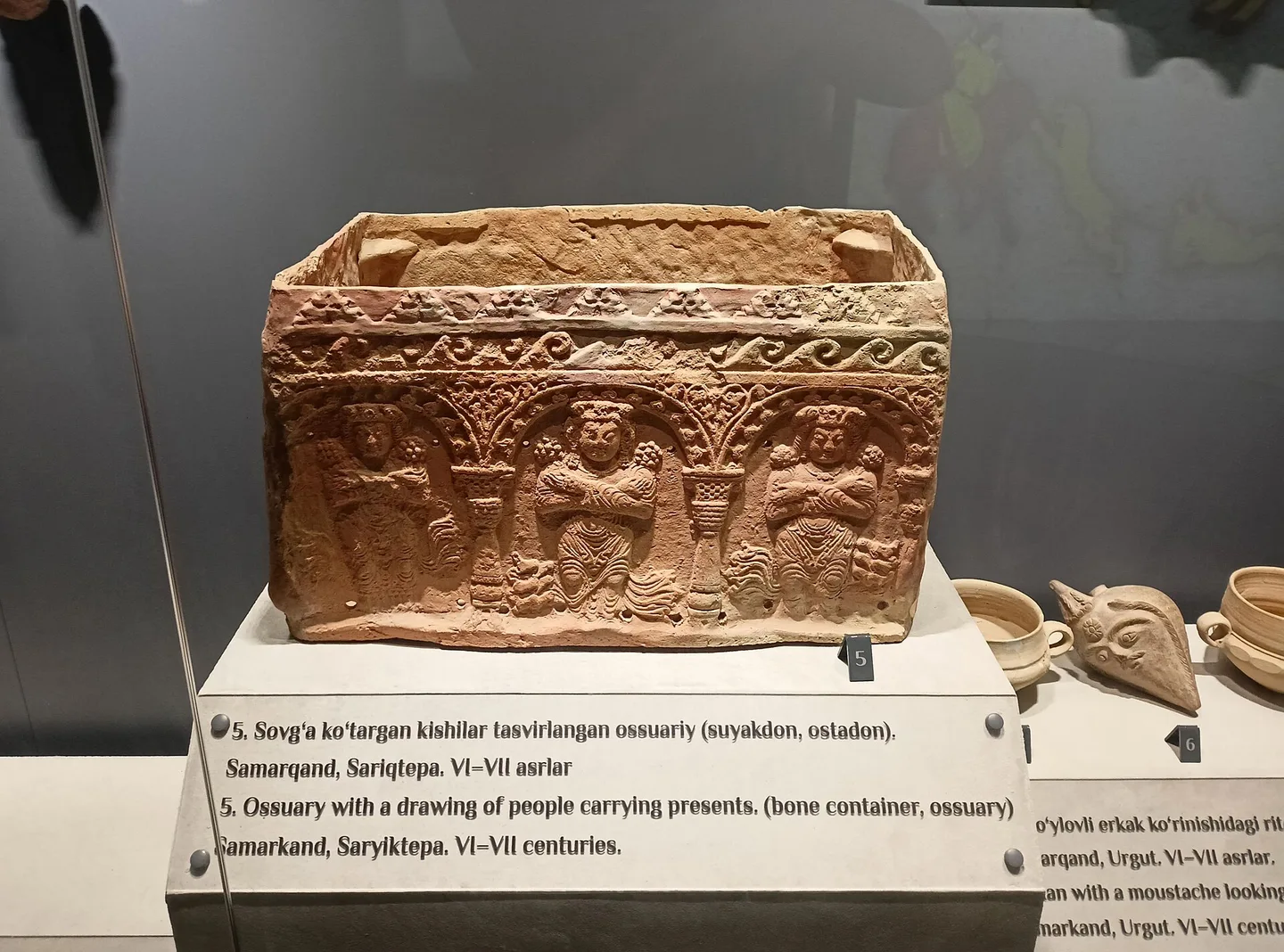
Local clay workshops near Urgut also maintain distinctive low-fired ceramic traditions using lead-free mineral glazes in earthy tones of mustard and turquoise. Potters shape bowls, serving platters, and water jugs on hand-turned kick wheels within shaded village courtyards. Exploring these family-run workshops offers direct insight into the domestic tools and dining wares common across rural Uzbekistan. Background history and community context appear in the comprehensive Samarkand travel handbook for cultural background.
Craft Route Comparison and Workshop Characteristics
Artisan outposts surrounding the city specialise in distinct regional materials, decorative styles, and production environments across the agricultural valleys.
| Craft Centre | Primary Specialism | Workshop Setting | Key Local Materials |
|---|---|---|---|
| Konigil Village | Handmade parchment | Riverside watermill compound | Mulberry bark and stream water |
| Urgut Foothills | Suzani textile embroidery | Domestic artisan workshops | Handspun cotton and silk threads |
| Siab Rural Fringe | Glazed utilitarian pottery | Open courtyard kilns | River clay and natural mineral pigments |
| Zeravshan Terraces | Carved walnut woodwork | Village family ateliers | Seasoned mountain timber and natural wax |
Each craft enclave preserves an unbroken manual lineage that relies on immediate natural resources harvested from surrounding orchards and riverbanks.
Excursion Transport and Mountain Valley Pathways
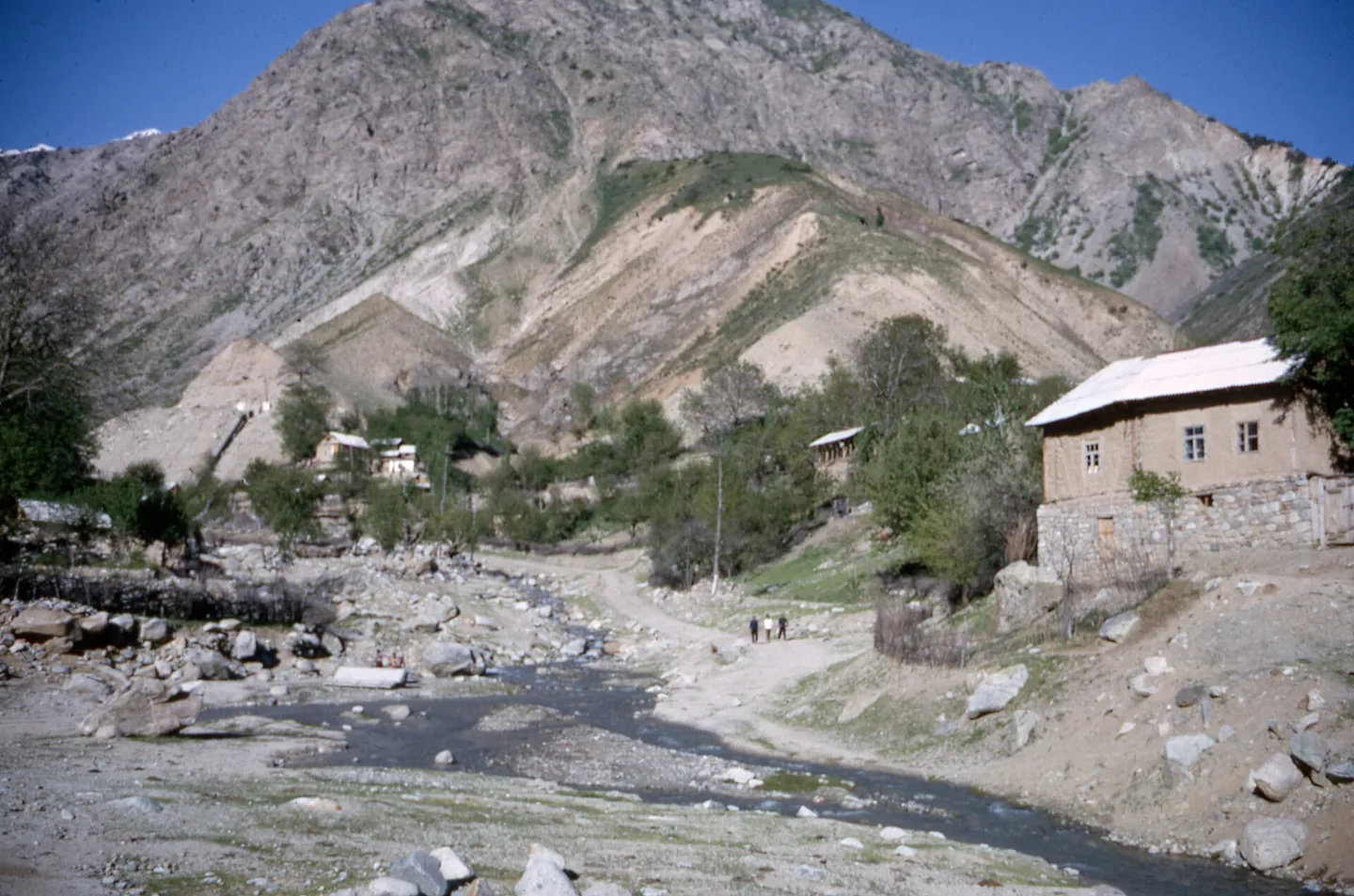
Reaching Konigil requires only a short drive eastward from the historic city core, following quiet suburban roads toward the Siab riverbank. Urgut lies somewhat further south across rolling farming terrain, making a combined day trip straightforward by shared car or private vehicle hire. Many visitors arrange a local vehicle for the morning to link both destinations comfortably in a single circular rural excursion. Checking transport directions across Samarkand clarifies regional taxi arrangements and suburban departure hubs.
- Pack small cash notes in Uzbek som, as rural workshops rarely maintain electronic card terminals.
- Combine morning papermaking demonstrations at Konigil with an afternoon visit to Urgut embroidery ateliers.
- Select spring or autumn for comfortable walking temperatures through sunlit open-air courtyards.
- Allow ample time to wander shaded garden paths along the Siab stream between craft demonstrations.
These artisanal outposts provide essential cultural counterpoints to the monumental madrasahs of the urban centre. Observing the patient transformation of raw timber, clay, and thread reveals the living craftsmanship supporting Samarkand architectural renown.
Official prices and opening hours
- Registan Square Madrasahs (Ulugh Beg, Sher-Dor, Tilya-Kori)Official site ↗
- Afrosiyob High-Speed Train (Tashkent – Samarkand)Official site ↗
Where it is
- 1Konigil Paper Mill and Urgut Crafts
- Samarkand International Airport (SKD) · about 6 km from here in a straight line
- Directions in Google Maps
Stations and taxi ranks: OpenStreetMap. Airports: OurAirports. Distances are in a straight line.
Traveller tips
Real advice from people who have been to Samarkand. Every tip is read by our team before it goes live.
No tips yet. Been here? Yours could be the first.
Thank you! Your tip will appear here after a quick review.
More in Samarkand
Continue exploring Samarkand with related neighbourhood, food, and planning guides
Day Trip to Shakhrisabz and Tahtakaracha Pass from Samarkand
Samarkand, Uzbekistan
A Food Lover’s Guide to Samarkand
Samarkand, Uzbekistan
Samarkand Urban Guide: Walking Paths, Transit & Layout
Samarkand, Uzbekistan
What to Do in Samarkand: Registan, Shah-i-Zinda and Historic Monuments
Samarkand, Uzbekistan
