Photo: Adam Jones from Kelowna, BC, Canada · CC BY-SA 2.0
What to Do in Samarkand: Registan, Shah-i-Zinda and Historic Monuments
Majestic Timurid tilework, historic madrasahs, and leafy boulevards shape the daily rhythm of exploration across monumental Samarkand.
Navigating the Registan and Historic Madrasahs
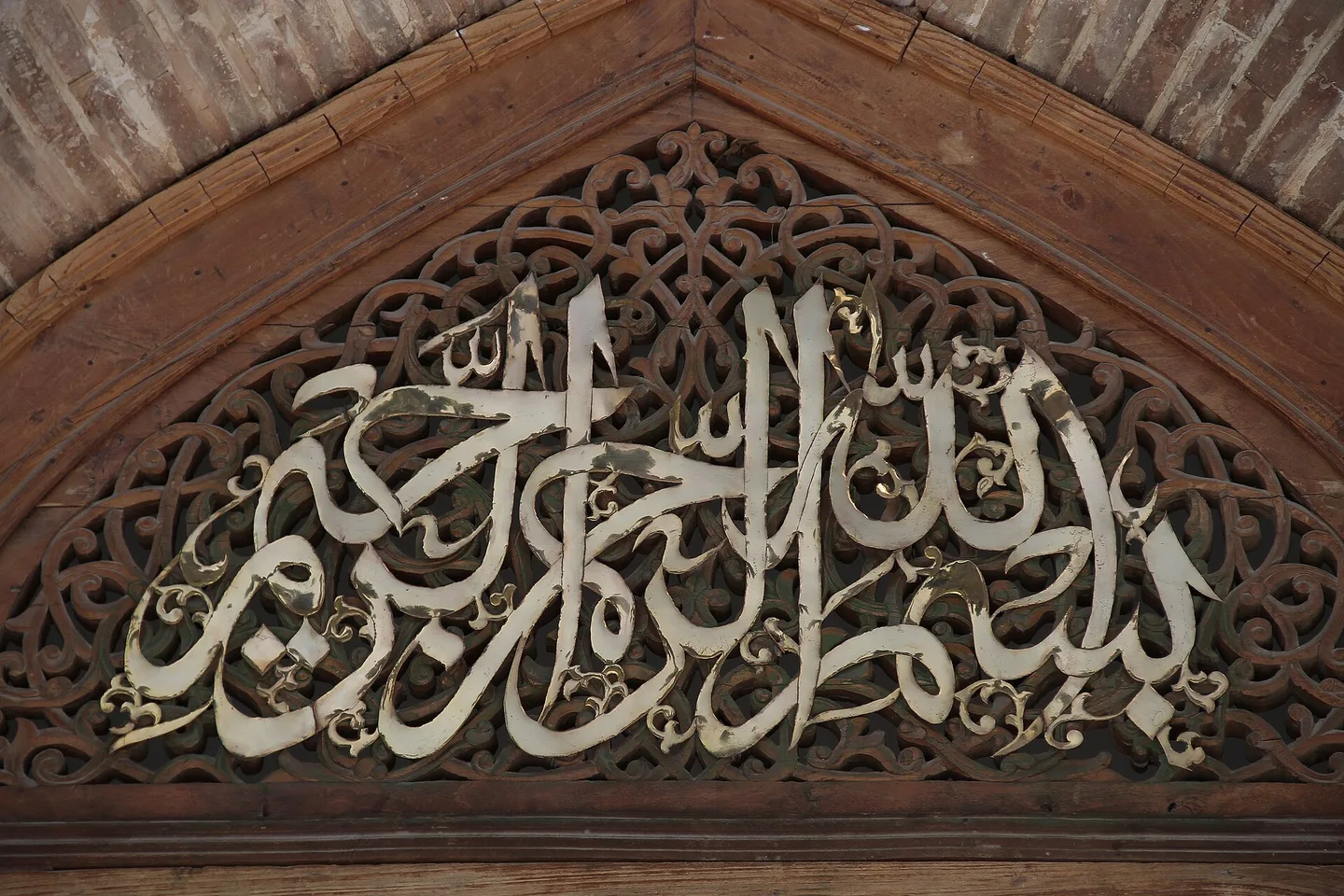
Registan Square forms the primary focal point for orientation across the historic core of the city. Three grand madrasahs, namely Ulugh Beg, Sher-Dor, and Tilya-Kori, frame the central stone plaza on distinct flanks. Each monument displays intricate majolica, calligraphy bands, and glazed brickwork that alter their hues under varying daylight. The interior courtyards offer shaded alcoves and tranquil spaces away from the main pedestrian esplanade outside.
Visitors can walk between the perimeter porticos to discover former student cells that now house craft workshops and local displays. Stepping into the gold-leaf prayer hall of Tilya-Kori reveals dense gilded patterns stretching across the domed ceiling. Paved pathways make walking between the three buildings straightforward, though uneven flagstones require careful footing throughout the complexes.
Practical details on planning city routes appear in our Samarkand travel guide. Morning light highlights the exterior tile mosaics with striking clarity. In contrast, late afternoons cast long shadows across the broad stone courtyards. Detailed entrance fees and schedules for the madrasahs appear in the official reference box below.
Avenue of Tombs at Shah-i-Zinda
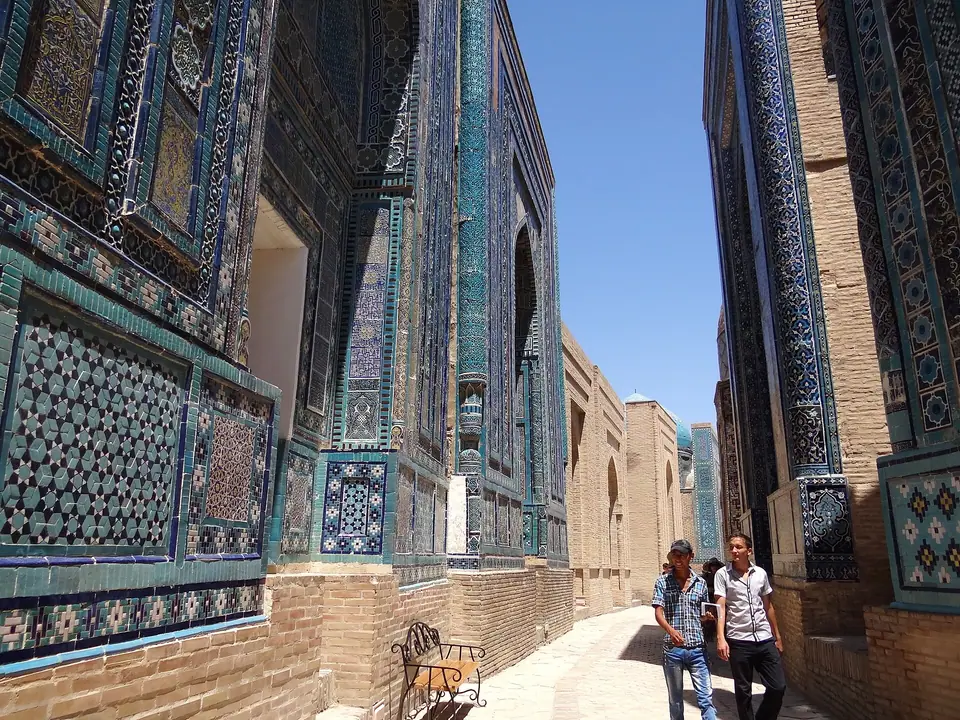
North of the central plaza, the hillside necropolis of Shah-i-Zinda presents one of the most concentrated collections of glazed tile art in Central Asia. A steep flight of stone stairs leads up from the entrance portal into a narrow ceremonial avenue. Flanking this pedestrian corridor are sequential mausoleums dating from distinct Timurid decades. Each tomb displays differing shades of turquoise, navy, and lapis lazuli.
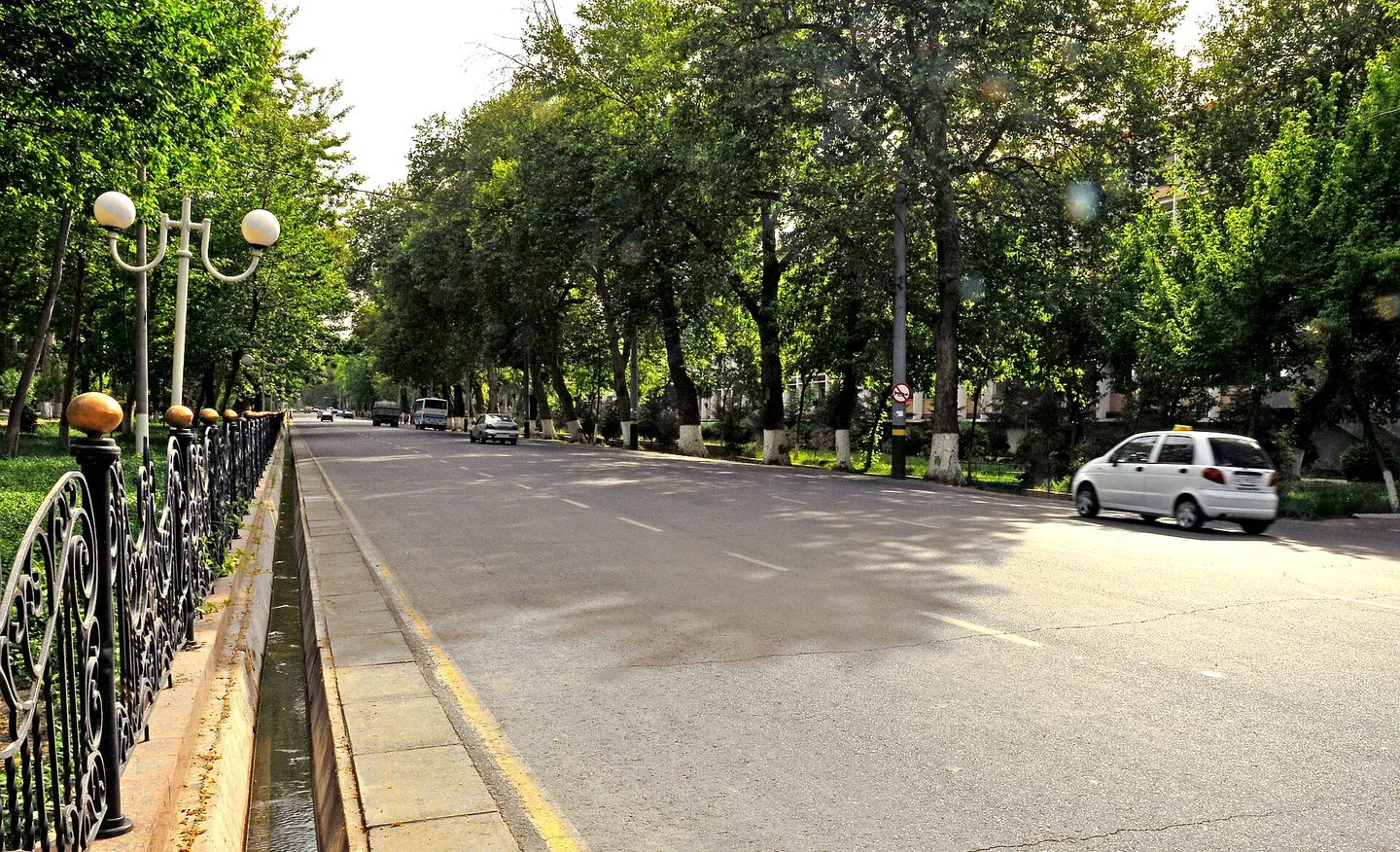
Moving along the avenue requires respectful decorum, as the upper shrine remains an active place of local pilgrimage and reflection. Modest clothing that covers shoulders and knees is appropriate across the sacred burial grounds, as noted in our advice on what to wear in Samarkand. The carved wooden doors, ribbed external domes, and deep porticos create changing perspectives around every turn.
- Lower Terraces: Initial entry gates and the broad introductory stone staircase leading to the main ridge.
- Central Corridor: A dense sequence of family mausoleums featuring relief tiles and moulded terracotta facades.
- Upper Complex: The venerated religious core surrounding the tomb chamber of Kusam ibn Abbas.
Neighbourhood Walking Circuits and Green Boulevards
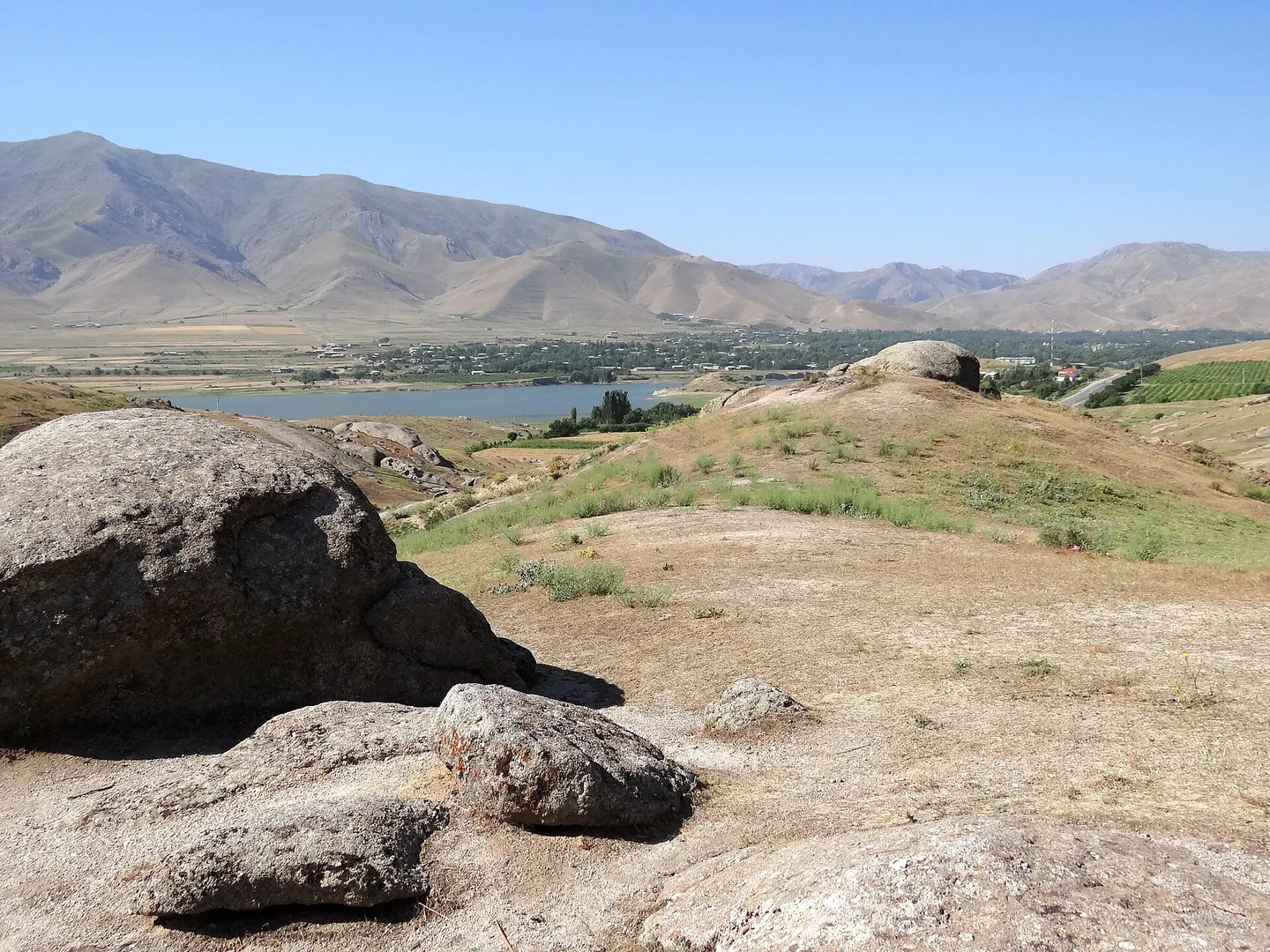
Beyond the monumental complexes of the old city lies a broader network of wide, tree-lined thoroughfares established during the late nineteenth century. University Avenue offers generous shaded pedestrian paths flanked by rows of mature oak and plane trees. Parallel drainage ditches, known locally as aryks, run alongside the pavements and carry flowing water through neighbourhood parks during warmer months.
Walking along these avenues provides a quiet counterpoint to the open stone plazas of the eastern quarter. The surrounding blocks contain academic faculties, historic administrative structures, and small neighbourhood tea houses where residents gather in the late afternoon. Pavements are generally flat and wide, making this part of town comfortable for evening walks when temperatures begin to drop.
Street signage is clear, and local taxis operate continuously along the major junctions to connect the residential avenues back to the central monuments. Spending a couple of hours in this greener quarter allows travellers to appreciate the varied historical layers that shape local civic life.
Planning Excursions Beyond the Historic Core
Connecting Samarkand to wider regions of Uzbekistan is straightforward thanks to modern railway infrastructure. Travellers arriving from the capital often use high-speed rail, with transit options detailed in our overview of how to get to Samarkand. The railway terminal sits a short drive northwest of the main historical district, connected by local buses and registered taxis.
| Route Corridor | Primary Transport | Key Practical Feature |
|---|---|---|
| Registan to Shah-i-Zinda | Pedestrian Walkway / Minibus | Paved vehicle-free promenade connecting sights |
| Old Quarter to University Avenue | Local Taxi / City Bus | Shaded residential boulevard with wide paths |
| City Centre to Railway Station | Trolleybus / Metered Cab | Direct access to high-speed regional connections |
Day excursions into the surrounding mountain foothills reveal rugged landscapes that contrast sharply with the urban tilework. Road links lead through scenic mountain passes toward regional towns, offering sweeping views of rocky ridges and semi-arid valleys. Timetables and ticketing guidelines for the Afrosiyob rail network are listed in the visitor section below.
Official prices and opening hours
- Registan Square Madrasahs (Ulugh Beg, Sher-Dor, Tilya-Kori)Official site ↗
- Afrosiyob High-Speed Train (Tashkent – Samarkand)Official site ↗
Where it is
- 1Samarkand
- Samarkand International Airport (SKD) · about 6 km from Samarkand in a straight line
- Directions in Google Maps
Stations and taxi ranks: OpenStreetMap. Airports: OurAirports. Distances are in a straight line.
Traveller tips
Real advice from people who have been to Samarkand. Every tip is read by our team before it goes live.
No tips yet. Been here? Yours could be the first.
Thank you! Your tip will appear here after a quick review.
More in Samarkand
Continue exploring Samarkand with related neighbourhood, food, and planning guides
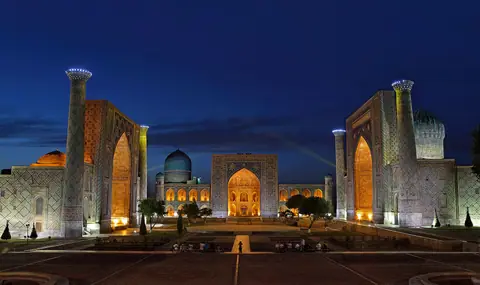
Three Days in Samarkand: Walking Routes and Historic Monuments
Samarkand, Uzbekistan
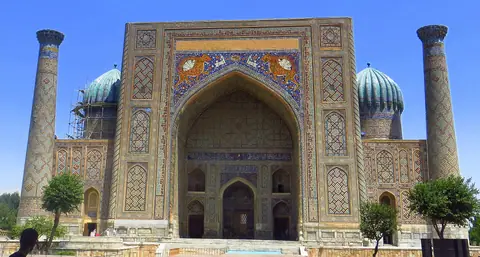
Registan Square: Ulugh Beg, Sher-Dor, and Tilya-Kori Madrasahs
Samarkand, Uzbekistan
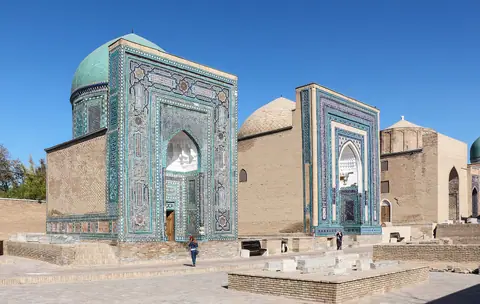
Shah-i-Zinda Necropolis: Blue Mausoleums and Sacred Avenues
Samarkand, Uzbekistan
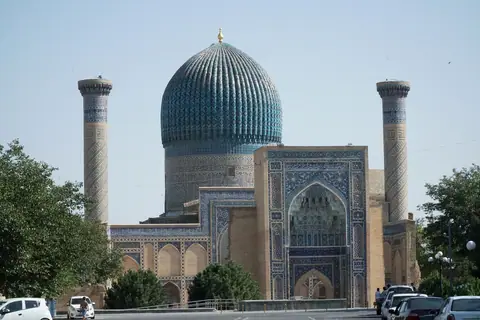
Gur-e-Amir Mausoleum and Aksaray Crypt Guide
Samarkand, Uzbekistan
