Ulugh Beg Observatory & Afrosiab Guide
Discover ancient Sogdiana and medieval Timurid astronomy across the northern hills of Samarkand at Afrosiab and the Ulugh Beg Observatory.
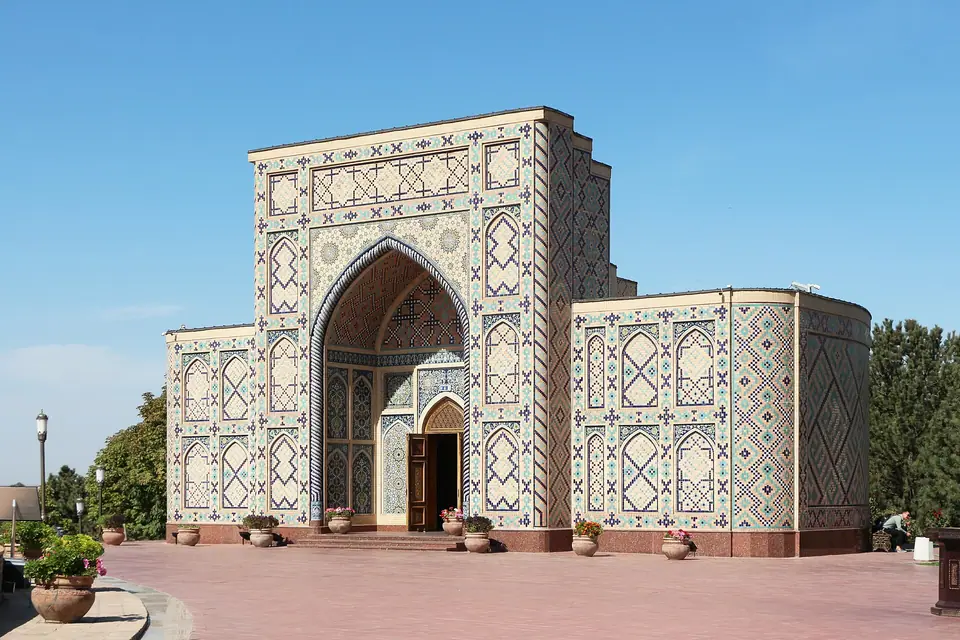
Standing on the northern crest of the Kuhak hill, the remains of the Ulugh Beg Observatory reveal the scientific ambition of fifteenth-century Transoxiana. Here, the royal astronomer and ruler constructed an imposing circular observatory that dominated the open horizon far beyond the city gates. Today, visitors step directly above the carved stone foundations to view the surviving subterranean arc of the vast meridian instrument. This monumental trench was cut deep into the limestone bedrock to guarantee structural stability during astronomical calculations.
The surviving curved trench held a double marble arc calibrated with minutes and seconds for tracking the midday transit of the sun and celestial bodies. Because the upper two storeys of the observatory were dismantled in later centuries, the remaining subterranean portion presents a stark view into Timurid engineering. Looking down along the curved masonry, one observes how precisely cut stone blocks were laid to maintain an unyielding radius. The site gives an immediate sense of the exactitude required to draft solar catalogues before optical telescopes existed.
Inside the Observatory Exhibition
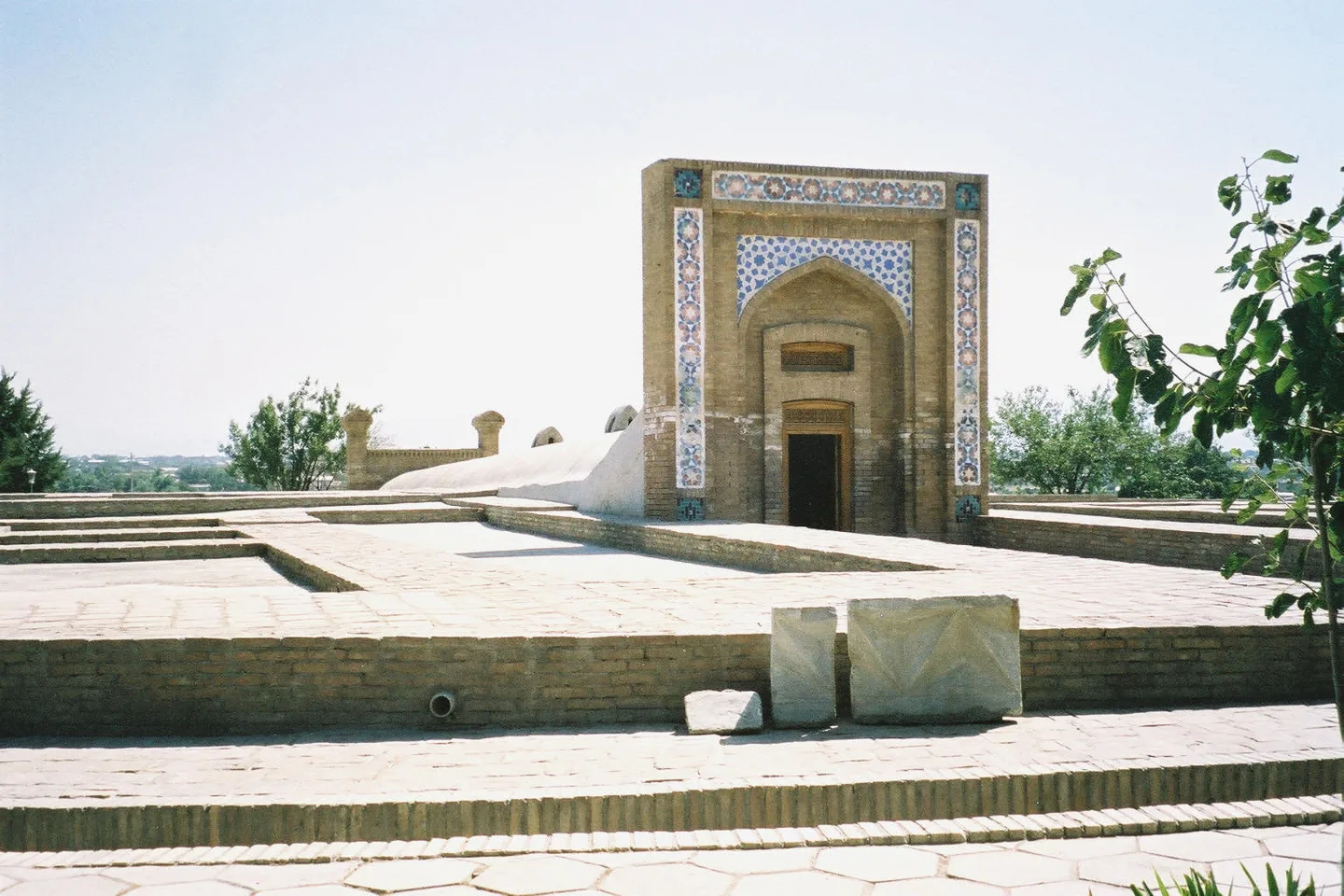
Adjacent to the open-air trench, a round museum building houses reconstructed diagrams, miniature scale models, and period astrolabes that illustrate medieval celestial science. Detailed plans trace the original three-tiered cylindrical tower, showing how sunlight entered through roof apertures onto the graduated marble floor. The displays showcase copies of the star charts that mapped over one thousand stars with exceptional accuracy. Walking through the circular display hall offers essential context before stepping out onto the grassy ridge.
The exhibition also explains how astronomers gathered observations across several decades to calculate the length of the stellar year with minimal error. Informational plaques describe the mathematical collaboration between Ulugh Beg and leading scholars of the era. If you are organising an extended city itinerary, pairing these scientific sites with our curated historic highlights creates a balanced perspective on local heritage. A quiet garden terrace surrounds the museum, offering panoramic views southward across modern avenues towards the turquoise domes of the historic centre.
Afrosiab Mound and Ancient Settlement
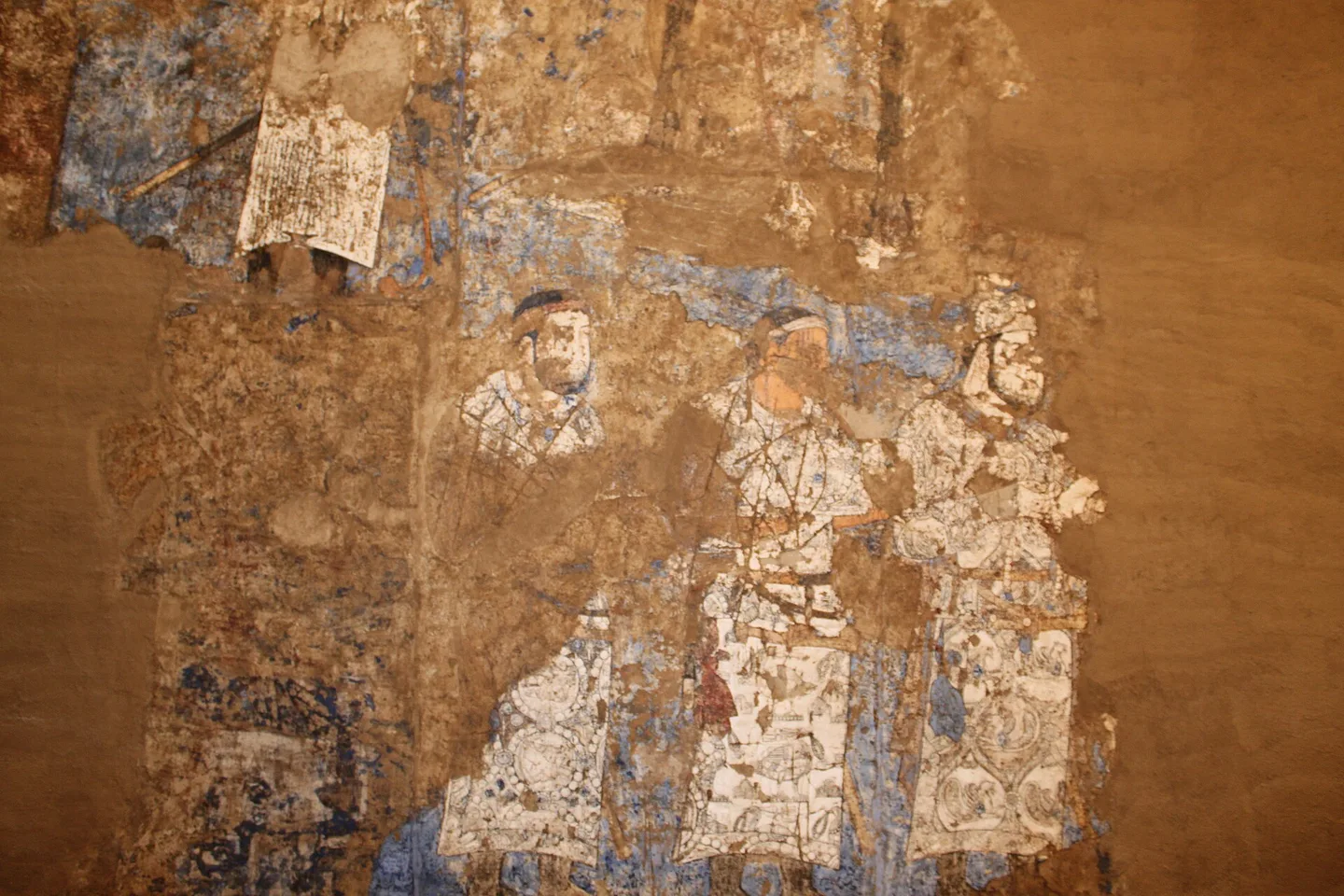
A short journey southwest along Tashkent Road brings travellers to the vast, undulating archaeological mounds of Afrosiab. This elevated loess plateau represents the original pre-Mongol city, occupied from the first millennium before the common era until its complete destruction. Rather than manicured parkland, the terrain forms an open expanse of grassy gullies, eroded mud-brick ramparts, and weathered pottery fragments. Exploring the footpaths over these ancient contours reveals the immense footprint of early Samarkand before urban life shifted south.
- Follow the perimeter ridge path to see exposed mud-brick fortifications overlooking the Siab dry stream bed.
- Walk up to the highest citadel mound for unbroken views across the rolling archaeological reserve.
- Wear sturdy walking shoes, as the dirt paths become slippery during spring rain and intensely dusty in summer.
Centuries of occupation created multiple cultural layers, spanning Hellenistic, Parthian, and early Islamic periods beneath the topsoil. Archaeological markers indicate the locations where residential palaces, water canals, and craft workshops once stood. When mapping your route between these outlying ridges and central monuments, our Samarkand cultural overview helps align regional transit stops and walking distances efficiently. The sheer scale of the unexcavated mounds serves as an evocative reminder of ancient Central Asian urbanism.
Sogdian Murals of the Ambassadors
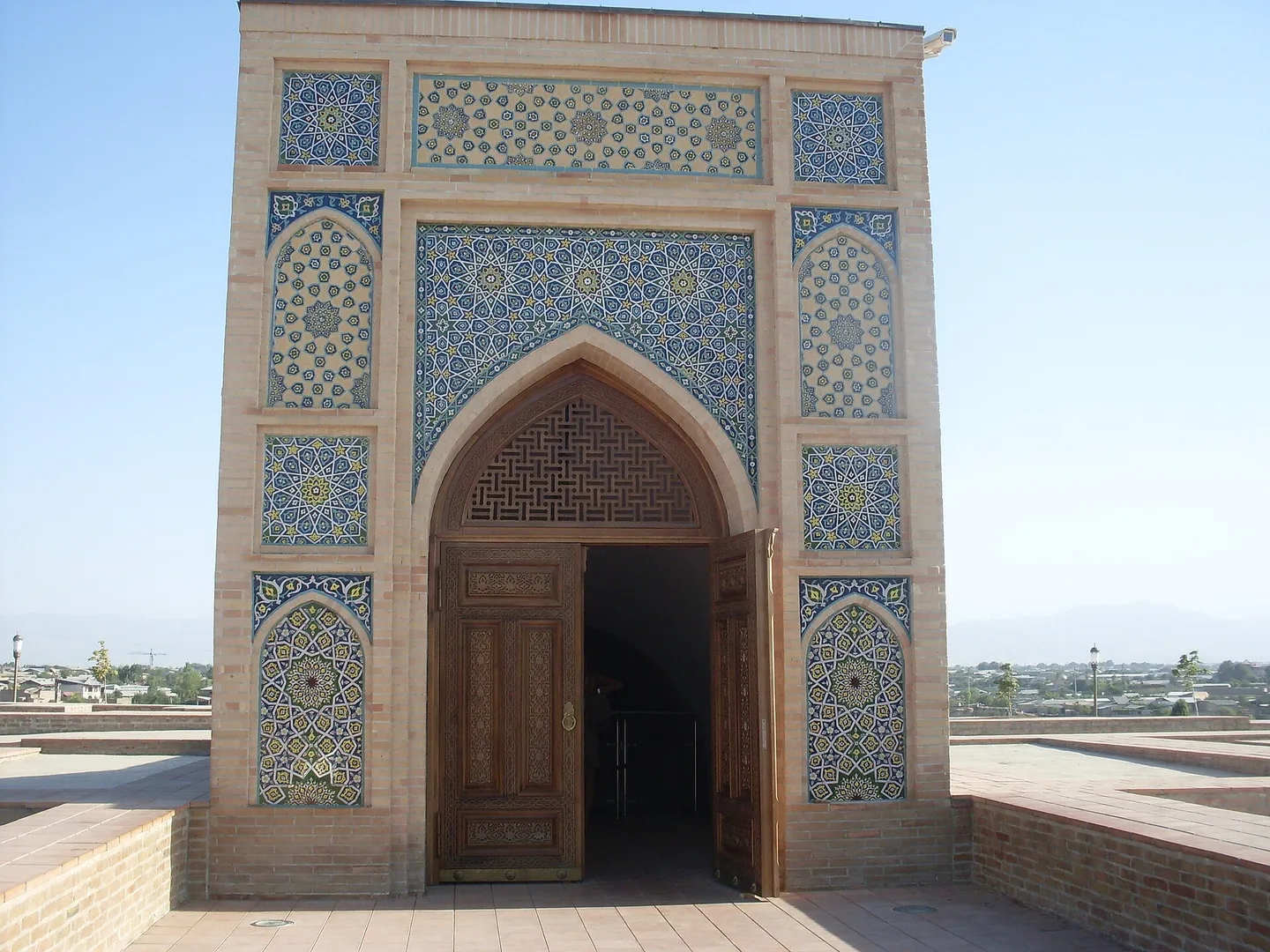
At the southern edge of the archaeological zone, the Afrosiab Museum preserves the supreme masterwork of pre-Islamic Sogdian art. Discovered during residential excavations in the twentieth century, the seventh-century murals of the Hall of the Ambassadors once decorated the private reception room of King Varkhuman. The painted plaster panels survived miraculously beneath collapsed earth walls, retaining rich pigments of lapis lazuli, yellow ochre, and vermilion. Entering the climate-controlled central chamber brings you face to face with the sophisticated diplomatic world of the Silk Road.
The northern and western walls display ceremonial processions of foreign emissaries bearing diplomatic tribute to the ruler of Samarkand. Observers can identify Chinese delegates carrying bolts of woven silk, Korean envoys distinguished by feathered headwear, and Central Asian courtiers leading sacrificial livestock. Other sections illustrate royal hunts, aquatic scenes with floating boats, and ancestral Zoroastrian funeral rites. The accompanying Sogdian inscriptions identify specific kingdoms, preserving records of ancient royal court etiquette.
Beyond the famous mural room, the museum galleries showcase terracotta figurines, bone ossuaries, bronze mirrors, and glazed ceramic vessels recovered from the surrounding loess slopes. Careful explanatory dioramas outline the architectural evolution of the palace quarters from mud-brick basements to painted reception halls. These artefacts demonstrate how Sogdian merchants bridged Mediterranean, Persian, and Chinese commerce for generations. Stepping out from the quiet galleries back into the northern light connects the physical landscape with its ancient artistic triumphs.
Official prices and opening hours
- Registan Square Madrasahs (Ulugh Beg, Sher-Dor, Tilya-Kori)Official site ↗
- Afrosiyob High-Speed Train (Tashkent – Samarkand)Official site ↗
Where it is
- 1Ulugh Beg Observatory & Afrosiab
- Samarkand International Airport (SKD) · about 4 km from here in a straight line
- Directions in Google Maps
Stations and taxi ranks: OpenStreetMap. Airports: OurAirports. Distances are in a straight line.
Traveller tips
Real advice from people who have been to Samarkand. Every tip is read by our team before it goes live.
No tips yet. Been here? Yours could be the first.
Thank you! Your tip will appear here after a quick review.
More in Samarkand
Continue exploring Samarkand with related neighbourhood, food, and planning guides