Photo: Basile Morin · CC BY-SA 4.0
Gyeongju in Three Days: Ancient Tombs, Forest Shrines, and Coastal Valleys
This three-day route links the grassy tumuli of central Gyeongju with serene mountain temples and peaceful riverbanks across North Gyeongsang province.
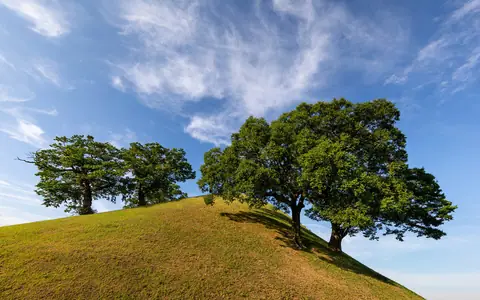
Our opening morning begins among the smooth, grassy mounds of the central burial grounds. These massive tumuli rise directly above street level, sheltering ancient rulers under thick blankets of turf. We step along quiet footpaths shaded by local pines, watching soft morning light wash across the curved earthen horizons. The central district remains entirely flat, making it pleasant to wander without haste or complex transit connections.
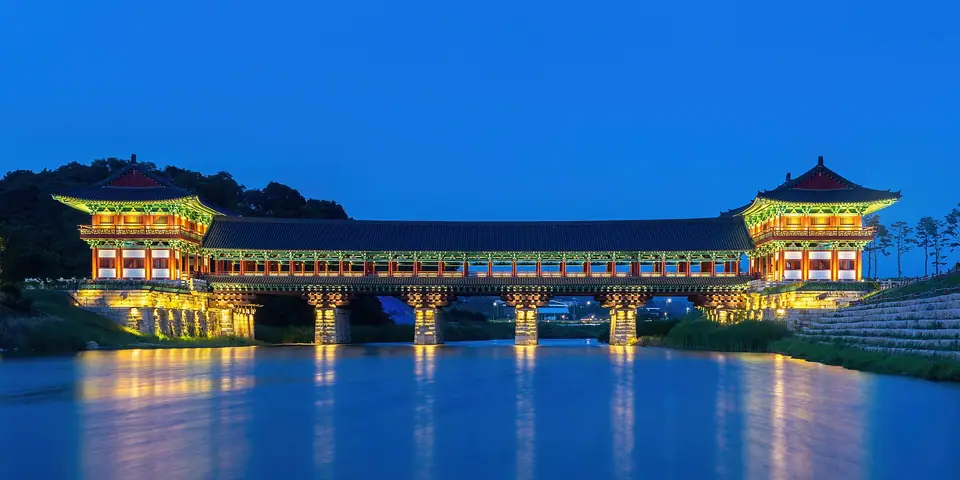
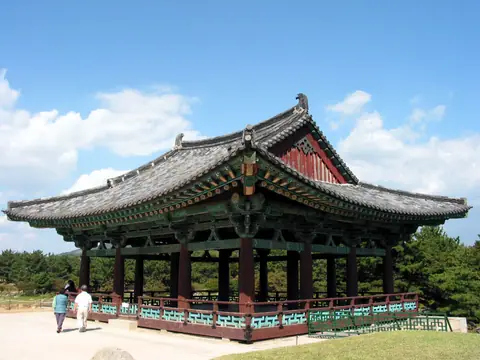
From the main royal enclosure, we stroll across open parkland toward the stone bottle profile of Cheomseongdae. Built from stacked granite blocks, this seventh-century observatory stands serenely amid seasonal flower fields. Continuing south toward Woljeonggyo Bridge, we follow the gentle curve of the Namcheon Stream. Reconstructed timber galleries glow warmly in the late afternoon sun, offering a peaceful vantage point across the water.
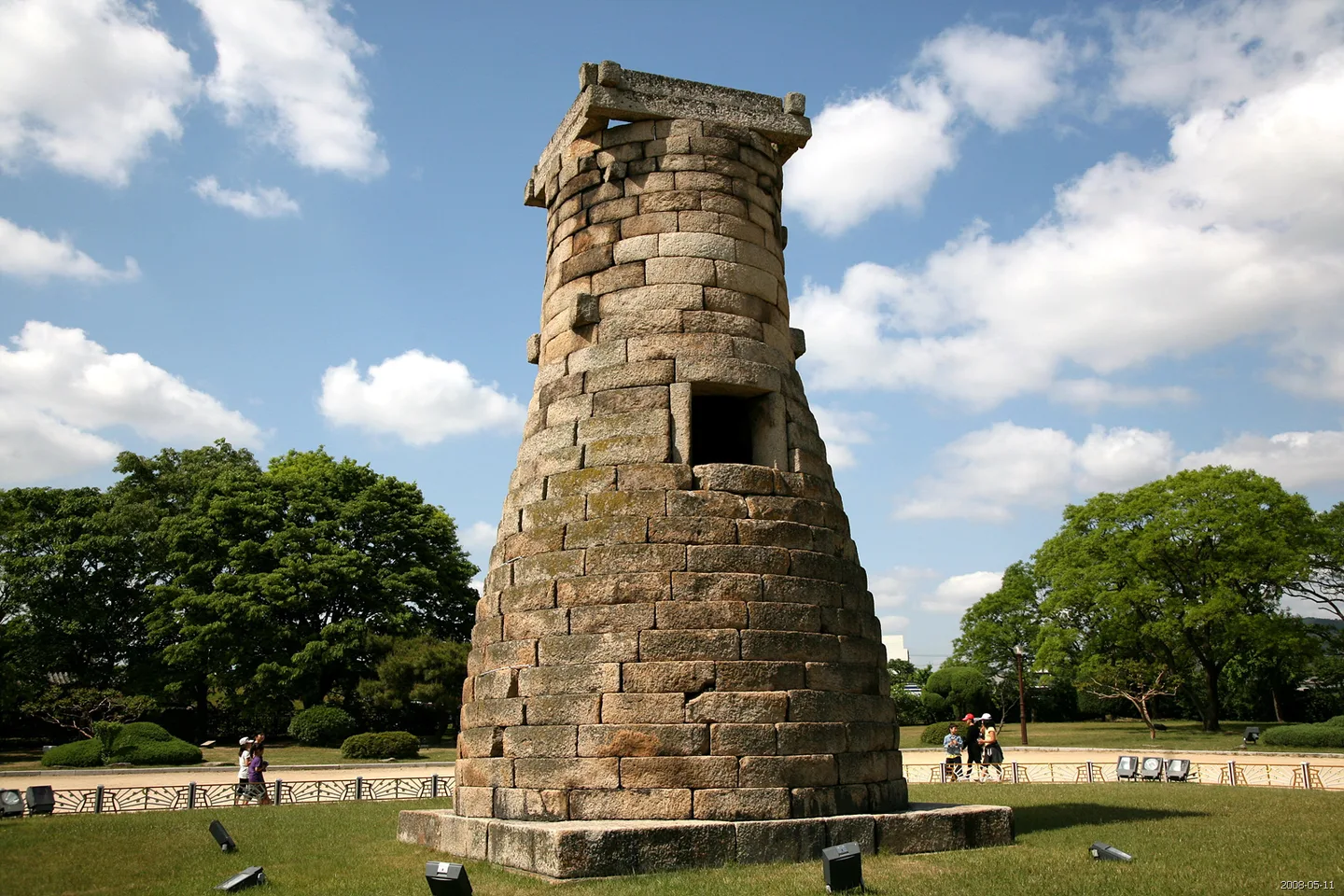
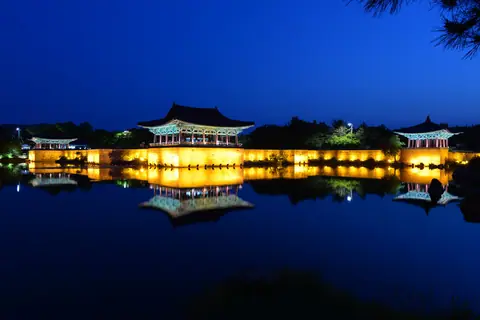
As twilight descends, we make our way toward the royal pleasure gardens of Donggung Palace and Wolji Pond. Night illumination transforms the shoreline into a mirror, reflecting carved wooden pavilions and lakeside trees upon calm water. The surrounding walking circuit lets visitors enjoy the cool evening breeze before returning to local guesthouses. Check municipal entrance notices along the outer park gate before setting out at dusk.
Day Two: Mountain Sanctuaries of Tohamsan
We dedicate our second morning to the eastern slopes of Tohamsan, where forested paths lead toward ancient Buddhist sanctuaries. Local buses depart regularly from the city centre, climbing gently into quiet pine valleys. Upon arrival at Bulguksa, we encounter multi-tiered stone staircases rising toward painted wooden pavilions. The surrounding gardens offer quiet corners where fresh spring water trickles over polished river rocks.
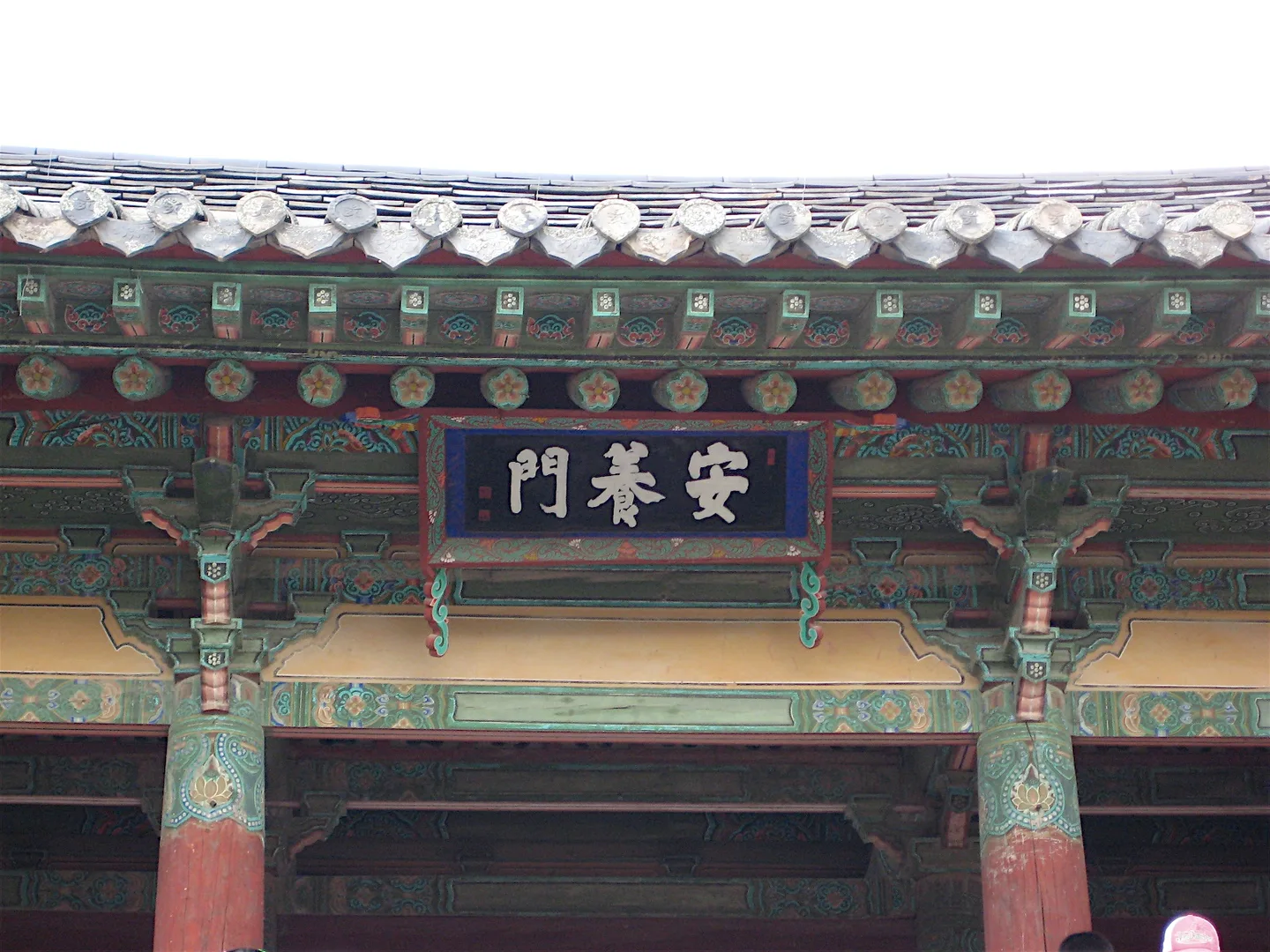
Higher up the winding hillside pass sits Seokguram Grotto, carved into granite slopes overlooking the East Sea. A shaded gravel path leads through native woodland alive with birdsong and crisp upland air. Standing before the domed rotunda highlights the stone masonry that protected the central Buddha figure for centuries. Sea mist often rolls up through the valley across wooded slopes.
Descending during the afternoon, we stop in the quiet foothills to explore traditional teahouses and ceramic kilns. Our selection of Gyeongju highlights pairs these foothill visits with nearby handicraft villages. We complete our afternoon along peaceful walking tracks before returning west toward the town centre for evening dining.
Day Three: Forest Valleys, Royal Relics, and Waterways
Our third day focuses on the southern slopes of Mount Namsan, an outdoor sanctuary dotted with granite reliefs and stone pagodas. Morning paths wind past weathered rock faces where artisans chiselled serene faces directly into cliff walls. Shaded forest canopies keep trails comfortable even during warmer midday periods. Gentle gradients permit relaxed walking between quiet wooded clearings.
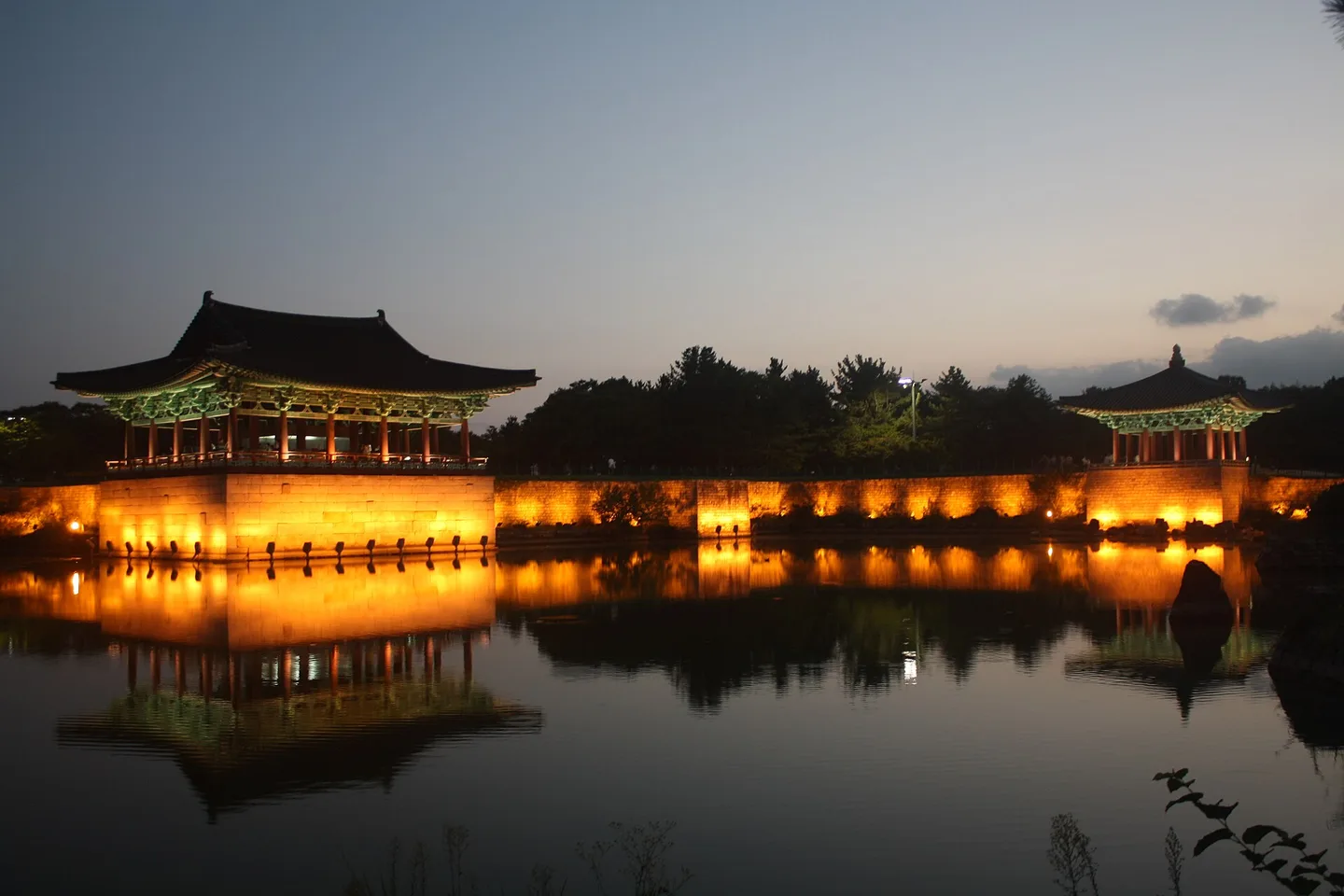
After finishing our woodland walk, we head toward the Gyeongju National Museum along the southern edge of town. Its peaceful courtyards house monumental bronze temple bells and intricate gold crowns recovered from nearby royal tombs. Surrounding lawns hold shaded benches overlooking lotus ponds, ideal for resting after a morning outdoors. Check current gallery opening schedules locally before heading to the exhibition halls.
We conclude our final afternoon exploring the small traditional alleys behind Hwangnidangil. Low-roofed hanok buildings have found new life as neighbourhood bakeries, quiet bookshops, and friendly tea rooms. Read the detailed Gyeongju city guide for neighbourhood suggestions before picking an evening dining terrace. The surrounding lanes offer a warm atmosphere to reflect on three days of ancient heritage.
Routing Logic and Transit Overview
Navigating this historical region requires minimal transit complexity when grouped by geographic sector. Central historic sites lie within comfortable walking distance of each other, whereas eastern mountain sanctuaries depend on straightforward bus routes. The summary table below outlines our recommended daily flow across each distinct neighbourhood:
| Itinerary Leg | Primary Focus | Recommended Transport | Walking Terrain |
|---|---|---|---|
| Day One | Central Royal Tombs & Historic Basin | On foot or bicycle | Flat paved paths and parkland lawns |
| Day Two | Tohamsan Mountain Sanctuaries | Local municipal bus | Stone steps and shaded forest gravel |
| Day Three | Namsan Valley & Museum Quarter | Short bus hop and walking | Gentle earthen trails and town lanes |
To keep each stage relaxed, consider these simple transit habits throughout your stay:
- Board eastward buses early in the morning to enjoy quiet mountain paths before midday arrivals gather.
- Hire a shared bicycle near the bus terminal to explore central tumuli clusters at your own speed.
- Wear sturdy walking shoes with firm grip for granite trails around Namsan and Seokguram.
- Carry a refillable water bottle, as natural springs and tap stations appear along major park routes.
Official prices and opening hours
- Gyeongju National MuseumOfficial site ↗
- Donggung Palace & Wolji Pond / Daereungwon TombsOfficial site ↗
Where it is
- 1Gyeongju
- Daegu International Airport (TAE) · about 50 km from Gyeongju in a straight line
- Directions in Google Maps
Stations and taxi ranks: OpenStreetMap. Airports: OurAirports. Distances are in a straight line.
Traveller tips
Real advice from people who have been to Gyeongju. Every tip is read by our team before it goes live.
No tips yet. Been here? Yours could be the first.
Thank you! Your tip will appear here after a quick review.
More in Gyeongju
Continue exploring Gyeongju with related neighbourhood, food, and planning guides
Gyeongju: UNESCO Belts, Free Entry Rules and Navigation
Gyeongju, South Korea
Silla Tombs, Forest Sanctuaries, and Illuminated Waters in Gyeongju
Gyeongju, South Korea

Getting to Gyeongju: High-Speed Trains and Local Transit Connections
Gyeongju, South Korea
Gyeongju Seasonal Guide: Cherry Blossoms, Autumn Foliage and Weather
Gyeongju, South Korea
