Photo: nzj© · CC BY 3.0
Yangdong Folk Village and Gyochon Traditional Village Exploration
Preserved clan residences at Yangdong Folk Village sit alongside heritage estates and stone lanes within central Gyochon.
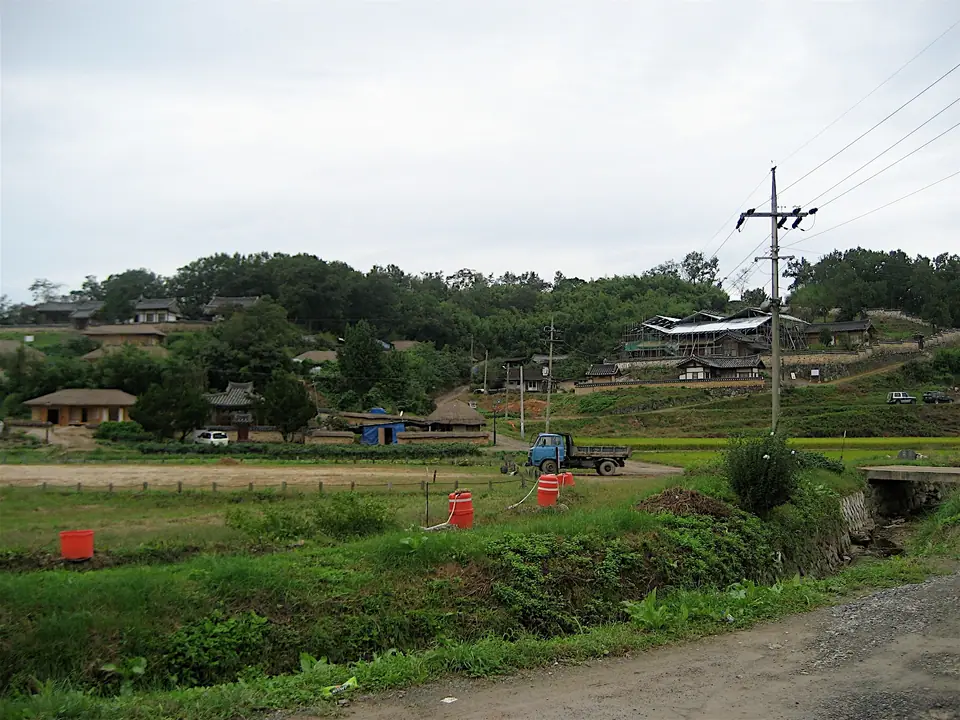
Yangdong Folk Village stands apart from modern urban centres, sheltered naturally within green forested hills north of the main city basin. Timber residences climb gentle contours, creating an organic hierarchy where tiled roofs sit comfortably above thatched tenant outbuildings. Walking along these compacted dirt paths allows travellers to observe unbroken clan lineages surviving within an authentic mountain setting.
The physical geography dictates every approach here, dividing the residential grounds into four distinct valley recesses shaped like branches of a tree. Upper ridges showcase master carpenter timber joinery, while the lower depressions cluster agricultural cottages around working communal gardens. Visitors can combine rural excursions with varied historic sights in Gyeongju across different days of travel.
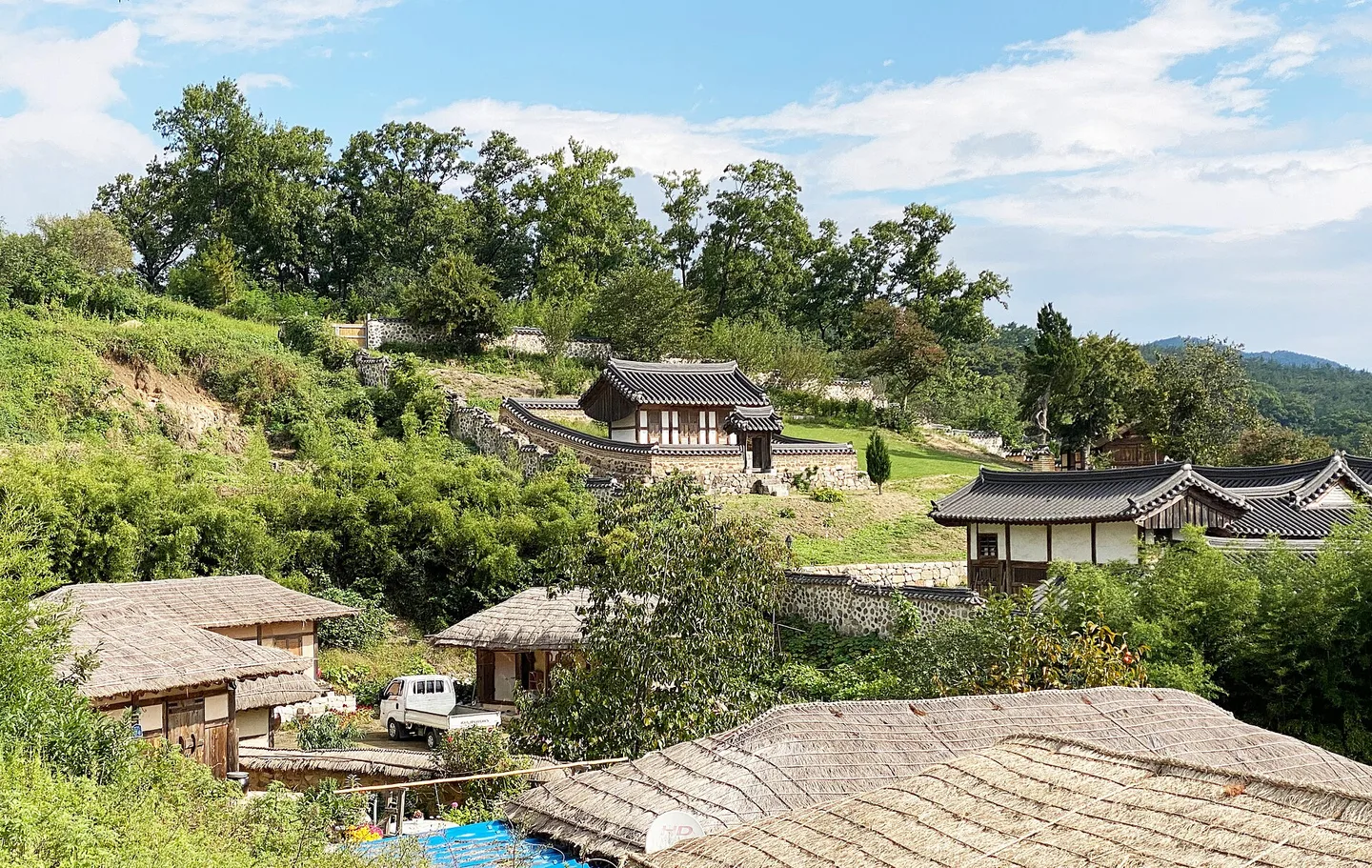
Yangdong preserves an exceptional layout developed during the Joseon dynasty, when social standing determined residential elevation. Aristocratic families built extensive tile-roofed residences known as giwa on elevated ground with sweeping views across the agricultural fields below. In contrast, commoners and tenant workers lived in thatched-roof cottages called choga constructed along the lower valley slopes.
This arrangement reflects Neo-Confucian social structures and traditional pungsu principles, which emphasized living in deep harmony with the natural topography. Today, descendants of the original founder families continue to reside in these historic homes, tending family shrines and private courtyards with quiet dedication. Respectful travellers will observe authentic community life unfolding alongside centuries of architectural preservation.
Navigating Between Ridges and Historic Residences
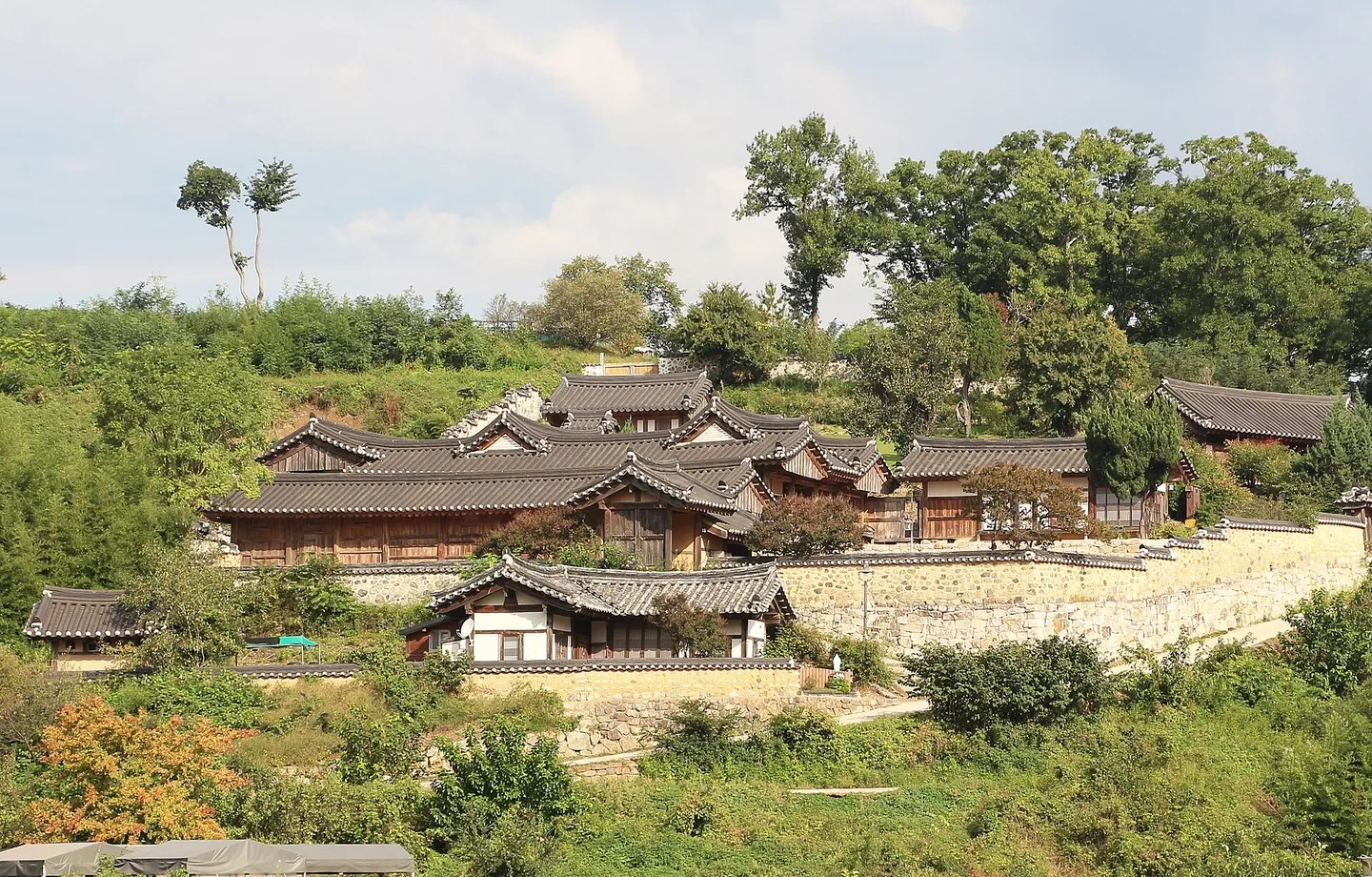
An orderly exploration begins by following the main stream upwards past the heritage entrance pavilion towards the prominent central pavilions. Gyeongju preserves numerous Joseon family estates here, where sliding screen doors open towards courtyard plots and dry stone retaining embankments. We advise climbing the paved stone paths steadily, taking time to absorb the silent mountain air.
Sturdy walking shoes prove essential because steep ascents connect the lower thatched homesteads to aristocratic hilltop estates. Open courtyards occasionally reveal seasonal persimmon trees drying beneath wide eaves, offering insight into rural rhythms that persist today. Travellers can arrange their journeys by reviewing regional transport connections from central railway stations.
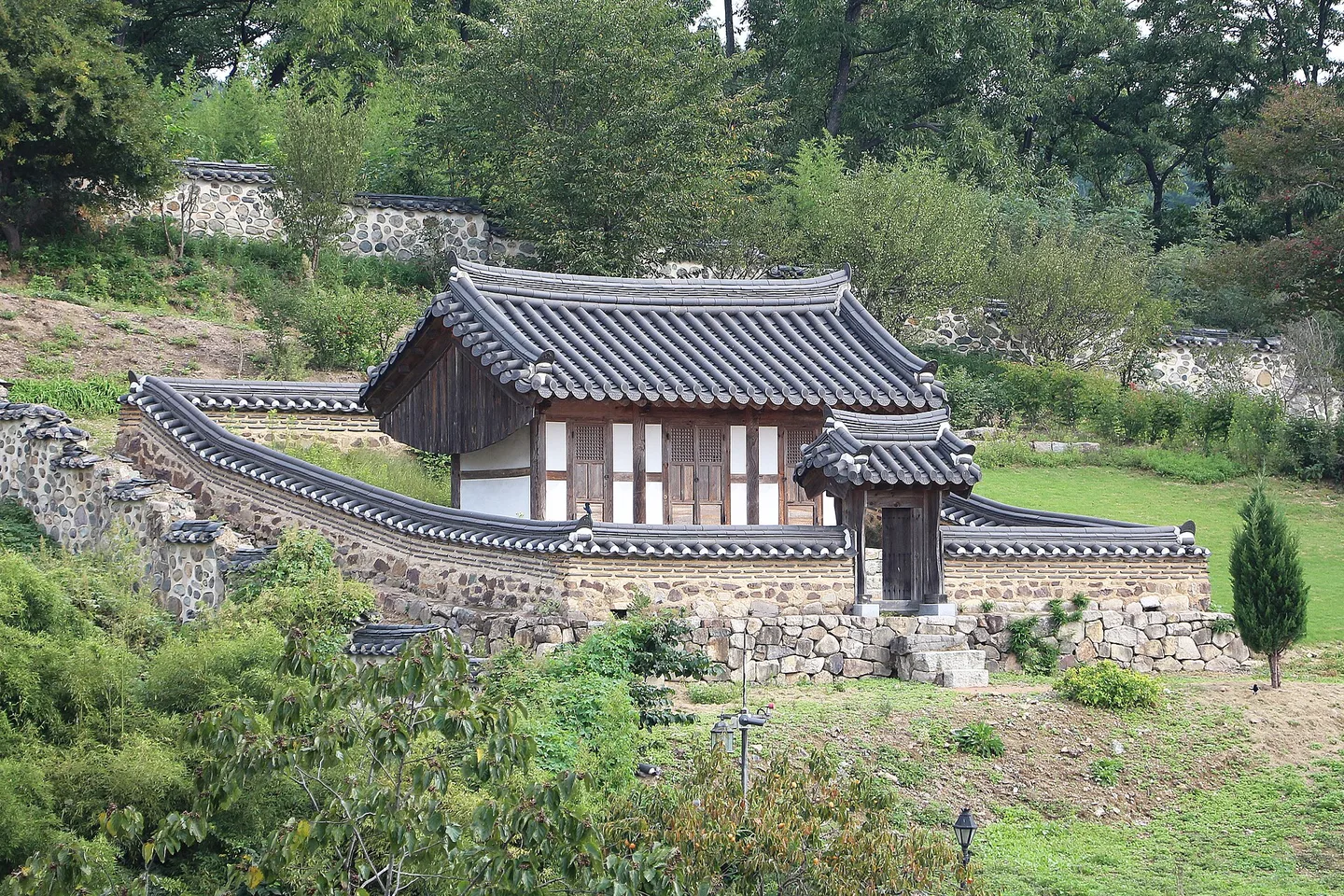
Prominent structures across the valleys include Mucheomdang, an early sixteenth-century residence known for its elegant timber lines and wooden veranda. Another notable estate is Hyangdan, a sprawling hillside compound that served as the home of an influential Joseon provincial official. These buildings illustrate the refined carpentry techniques developed during periods of sustained peace and intellectual scholarship.
Pathways branch off across four forested spurs, meaning visitors must ascend and descend several small ridges to see multiple estates. Informational markers guide pedestrians between the distinct ravines, pointing towards ancestral study halls and community pavilions. Walking at an unhurried pace allows visitors to appreciate seasonal foliage, stone retaining walls, and peaceful mountain views.
The Clan Estates and Heritage Lanes of Gyochon
Closer to the ancient riverbanks, Gyochon offers a completely different architectural scale rooted in urban scholarly tradition. The settlement borders the restored Woljeonggyo bridge, giving pedestrians immediate access to broad flat alleys framed by tall mud-brick walls. Aristocratic courtyards here reflect the historic wealth of the Gyeongju Choe clan, renowned for charitable customs and quiet restraint.
Inside the walled compounds, spacious timber reception rooms look outward across neat gravel gardens planted with domestic pine trees. Visitors frequently watch artisans preparing local fermented specialties or painting delicate pottery along the restored market lanes. The level ground makes walking effortless for older visitors, especially when paired with an evening stroll across adjacent waters.
The House of the Gyeongju Choe Clan forms the cultural centerpiece of this riverside enclave. The Choe family maintained prominent status for twelve generations while following ethical family precepts that encouraged hospitality and sharing grain with needy neighbours during famine. Their compound features well-proportioned inner quarters, high timber gateways, and traditional storage barns constructed with thick earthen insulation.
Beyond noble estates, the neighbourhood features local heritage workshops where craftsmen practice time-honoured brewing methods and traditional textile dyeing. The adjacent Gyeongju Hyanggyo served as a local state academy during the Joseon era, educating scholars in classical literature and civic morality. Its preserved lecture halls and tranquil inner courtyards provide a serene glimpse into historical Korean education.
Comparing Village Atmospheres and Transit Sequencing
Selecting between these two historic enclaves depends largely on available transit time and physical walking preferences. Yangdong requires dedicated regional bus journeys or rural private car hires, demanding several hours of hilly rambling across open fields. In contrast, central Gyochon sits within straightforward walking distance of the tumuli parks and primary city hotels.
Travellers who appreciate rugged rural landscapes and sweeping forest vistas will find Yangdong deeply fulfilling despite the added transit commitment. The valley setting rewards visitors with quiet walking paths away from main traffic arteries and urban sounds. Meanwhile, Gyochon serves those seeking an accessible cultural afternoon filled with dining choices, flat stone walkways, and historic craft demonstrations.
| Feature | Yangdong Folk Village | Gyochon Settlement |
|---|---|---|
| Terrain | Hilly valleys and steep earthen ridges | Level gravel pathways and stone alleys |
| Setting | Isolated rural forest bowl | Central riverbank cultural zone |
| Architecture | Mixed tiled noble houses and thatched cottages | Restored tile-roofed timber estates |
Both locations preserve vital aspects of Korean architectural heritage, balancing remote mountain seclusion against accessible town living. Visiting Yangdong in the morning followed by an afternoon in Gyochon rewards curious travellers with comprehensive historical perspective.
Official prices and opening hours
- Gyeongju National MuseumOfficial site ↗
- Donggung Palace & Wolji Pond / Daereungwon TombsOfficial site ↗
Where it is
- 1Yangdong Folk Village and Gyochon Traditional Village Exploration
- Daegu International Airport (TAE) · about 55 km from here in a straight line
- Directions in Google Maps
Stations and taxi ranks: OpenStreetMap. Airports: OurAirports. Distances are in a straight line.
Traveller tips
Real advice from people who have been to Gyeongju. Every tip is read by our team before it goes live.
No tips yet. Been here? Yours could be the first.
Thank you! Your tip will appear here after a quick review.
More in Gyeongju
Continue exploring Gyeongju with related neighbourhood, food, and planning guides
Mount Namsan Hiking Guide: Samneung Trail, Rock Buddhas & Silla Pagodas
Gyeongju, South Korea

Gyeongju East Coast Day Trip: King Munmu Underwater Tomb and Gameunsa
Gyeongju, South Korea

What to Eat in Gyeongju: Royal Ssambap, Hwangnam Bread and Hanwoo BBQ
Gyeongju, South Korea
Gyeongju: UNESCO Belts, Free Entry Rules and Navigation
Gyeongju, South Korea
