Photo: by Julien Ambrosiano at Flickr · CC BY-SA 4.0
Where to Stay in Gyeongju: Hwangnidan-gil Hanoks vs Bomun Lake Resorts
Choosing where to sleep in Gyeongju depends entirely on whether you favour traditional courtyard hanoks or tranquil lakeside resort grounds.
Hwangnidan-gil and Historic Tumuli Quarters
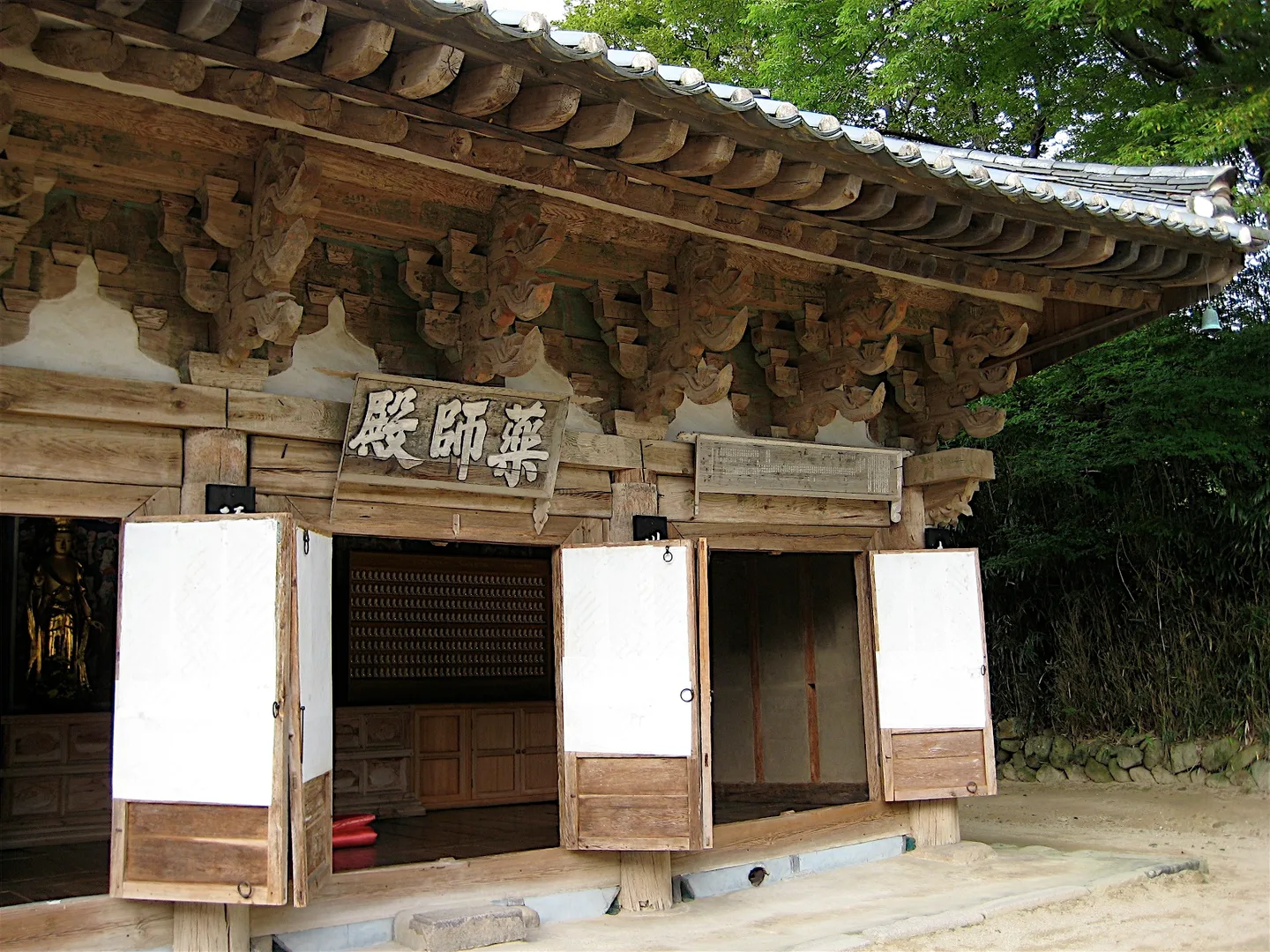
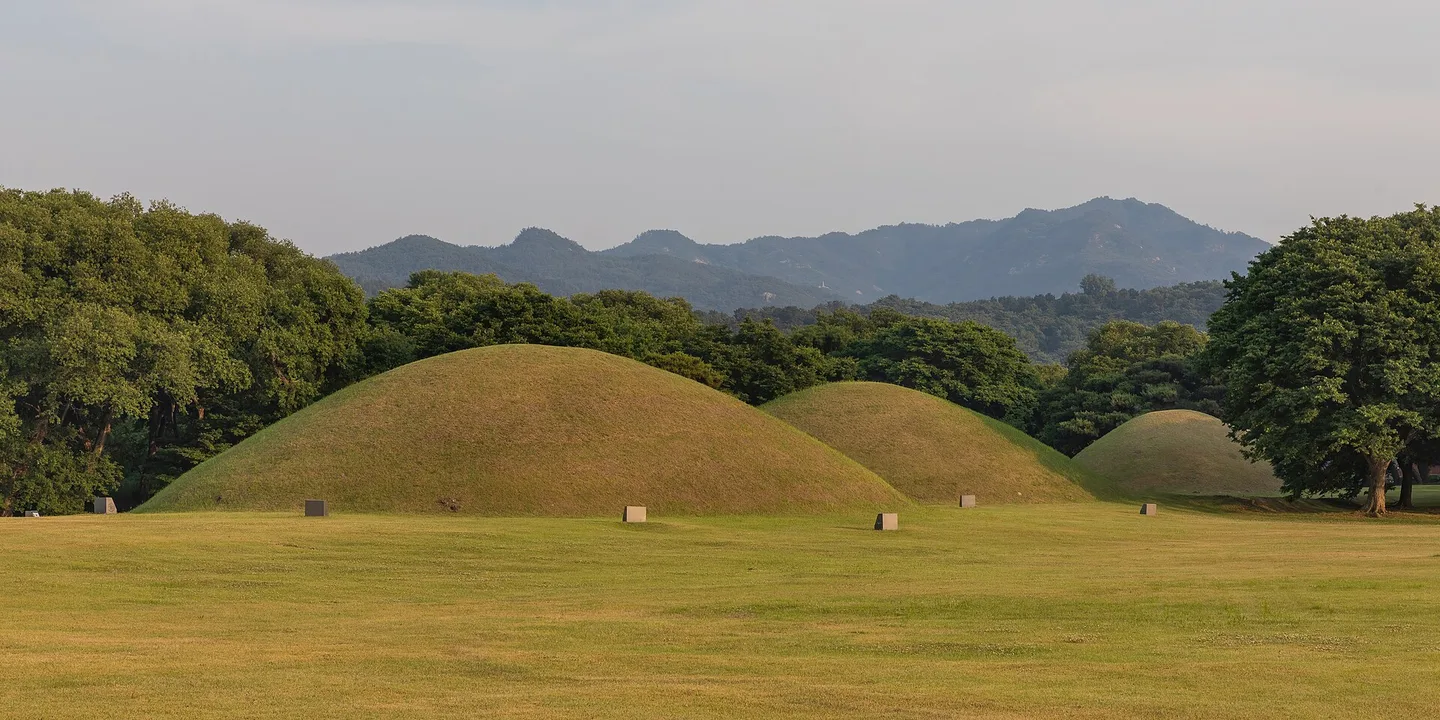
Settling into the alleys around Hwangnidan-gil places you directly adjacent to the royal burial mounds and central historic sites. Low-rise traditional timber properties with tiled roofs frame the narrow lanes. Evening lanterns glow softly across peaceful gravel courtyards. Stepping out of your timber sliding door in the early morning lets you wander the grassy tumuli parks before daytime visitors arrive.
Most boutique guesthouses here occupy converted family properties with timber posts, stone pathways, and heated ondol floors. While modern mattresses appear in select suites, many rooms offer traditional sleeping quilts laid straight over the warm flooring. Light sleepers should note that timber buildings often carry footstep sounds from shared courtyard areas. Inner residential lanes settle down pleasantly after dark.
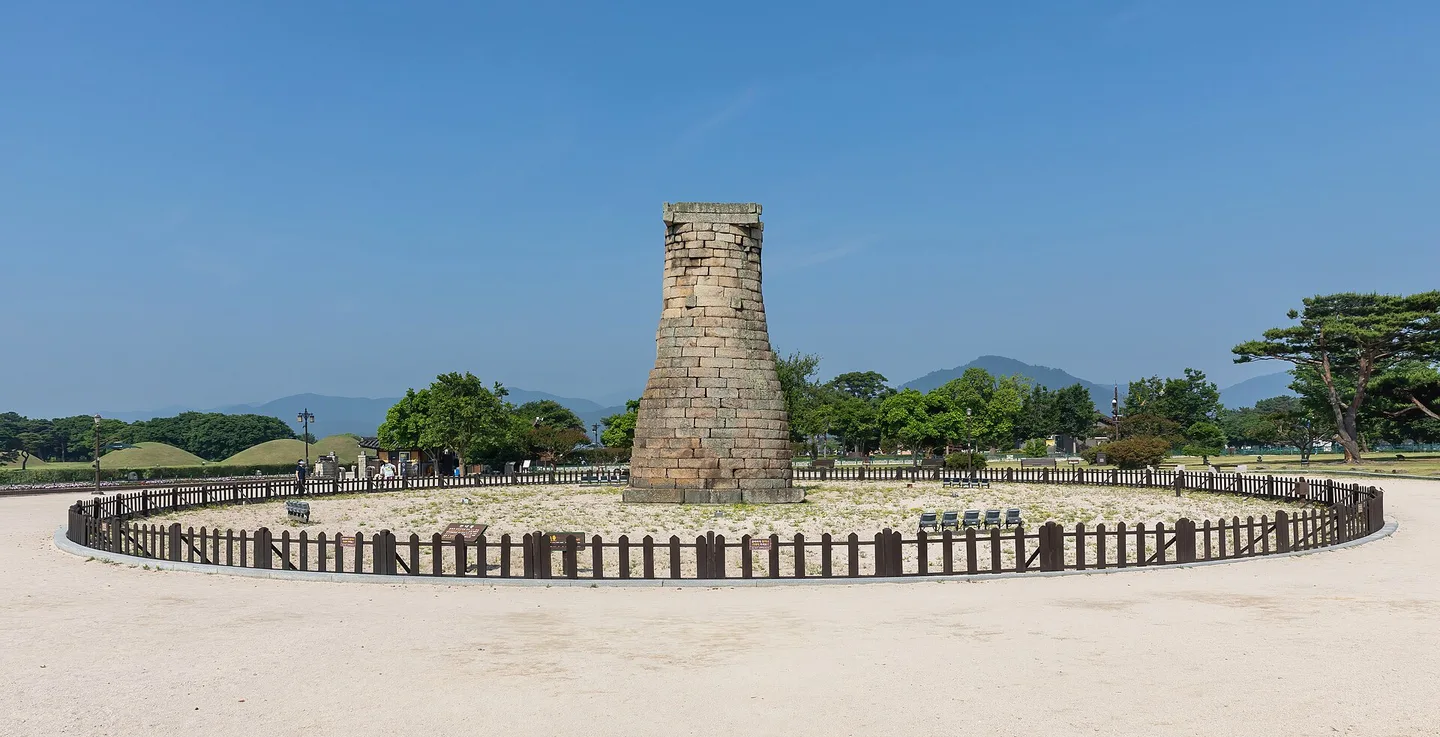
Staying central allows you to walk everywhere without relying on local buses or hailing taxis. You can stroll casually towards illuminated palace ruins and ancient stone observatories right after dinner. Before organising your daily walking circuits around the ancient tombs, pair your neighbourhood choice with the comprehensive Gyeongju travel guide.
Many converted hanoks also feature small tea rooms and shaded wooden verandas where guests can relax after a day of sightseeing. These properties preserve classical Korean architectural elements, including exposed pine rafters and traditional sliding paper screens. Staying in these heritage quarters lets you experience domestic living traditions up close while remaining steps away from neighbourhood bakeries.
Bomun Lake Resort District
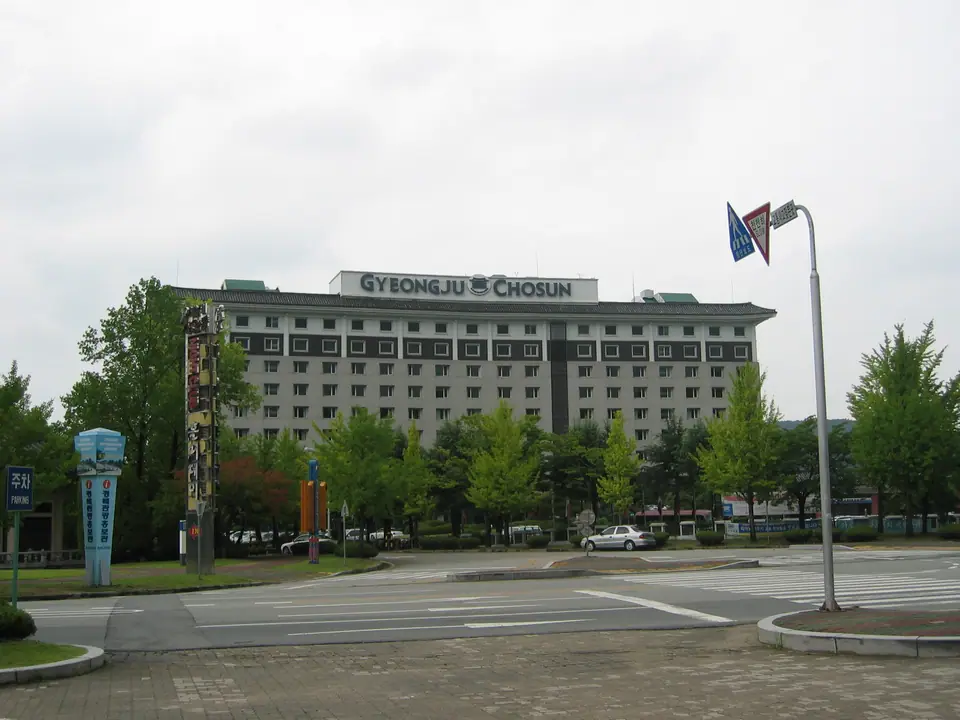
Spreading along the eastern shorelines, the Bomun Lake zone presents a markedly different style of holiday living. Here, expansive western-style hotels and modern holiday complexes stand amid manicured parkland, walking trails, and open water vistas. Visitors who prefer spacious lifts, morning buffets, and private balconies often find this resort district far more comfortable than dense downtown alleyways.
Families travelling with younger children appreciate the extra bedroom layouts, swimming pools, and quiet paved paths that loop around the water. Broad footpaths keep evening walks calm and distant from urban road traffic. Spring visitors enjoy thick rings of cherry blossoms that reflect across the water, offering peaceful morning scenery straight from hotel balconies.
The main trade-off lies in travel time to downtown royal heritage monuments. Reaching the ancient tumuli quarters requires catching local buses or booking taxis along lakeside avenues. Weigh travel times cleanly alongside historic tombs, foothill shrines, and evening ponds across your itinerary.
Lakeside resorts frequently offer larger grounds, international dining venues, and dedicated leisure facilities. Guests who plan extended stays or travel in multi-generational groups often appreciate the convenience of on-site parking and round-the-clock reception desks. Surrounding waterside trails offer flat, traffic-free paths ideal for morning exercise before heading into the town centre.
Neighbourhood Comparison for Different Travel Styles
Selecting the right base depends on how you balance walking access, room style, and transit times. Couples often prefer peaceful timber courtyards, whereas extended family groups often benefit from larger lakeside hotel suites. Review this quick comparison to weigh the daily realities of each area.
| Neighbourhood | Best Suited For | Dominant Room Style | Primary Transport Advantage |
|---|---|---|---|
| Hwangnidan-gil | Solo walkers, culture lovers, and food seekers | Traditional hanok rooms with ondol or low beds | Direct walking access to burial mounds and cafes |
| Bomun Lake | Families, resort seekers, and leisurely groups | Spacious multi-room suites and lakeside hotels | Calm lakeside path access and on-site car parking |
| Express Bus Terminal Area | Short stays and regional transit connections | Modern budget business hotels and practical inns | Steps from regional coach stands and city bus routes |
Each district supports a distinct rhythm during your stay. Historic centre properties reward active walkers who enjoy wandering into local cafes at dusk. In contrast, lakeside properties favour visitors who seek quiet mornings, expansive water views, and relaxed dining.
Travel budgets also play an important role when picking your lodging quarter. Hanok guesthouses offer intimate settings but limited room inventory, so reserving well ahead of peak seasons remains sensible. Resort hotels supply abundant rooms yet require factoring in taxi or bus transit fares for daily excursions into the historic centre.
Transit Connections and Practical Base Planning
Your luggage and overall regional transport plan should also influence where you book your room. Travellers arriving with heavy rolling cases often find the cobbled courtyard paths of traditional alleyways slightly awkward to navigate on foot. Booking near paved roads or closer to the central bus terminals can save considerable effort on arrival day.
City buses link the central bus depot directly to both the historic centre and Bomun Lake. Local services run regularly along primary thoroughfares, letting guests staying around the lake reach downtown museums easily. Match your drop-off stop to KTX feeder buses and express coach terminals before arrival day.
If you plan to tour surrounding valleys or visit outlying coastal sites, resort hotels offer convenient vehicle parking and wide access roads. Central hanoks, by contrast, rarely offer private parking, making public transit or walking far more practical for downtown guests. Matching your room style with your transport preferences makes for a smooth and comfortable visit.
Choosing the bus station district itself suits travellers on tight timetables who want swift access to express coaches. This commercial quarter houses functional business hotels within walking distance of bus bays, making late arrivals and early departures simple. From here, you can still easily walk or take a brief bus ride into Hwangnidan-gil.
Official prices and opening hours
- Gyeongju National MuseumOfficial site ↗
- Donggung Palace & Wolji Pond / Daereungwon TombsOfficial site ↗
Where it is
- 1Gyeongju
- Daegu International Airport (TAE) · about 50 km from Gyeongju in a straight line
- Directions in Google Maps
Stations and taxi ranks: OpenStreetMap. Airports: OurAirports. Distances are in a straight line.
Traveller tips
Real advice from people who have been to Gyeongju. Every tip is read by our team before it goes live.
No tips yet. Been here? Yours could be the first.
Thank you! Your tip will appear here after a quick review.
More in Gyeongju
Continue exploring Gyeongju with related neighbourhood, food, and planning guides
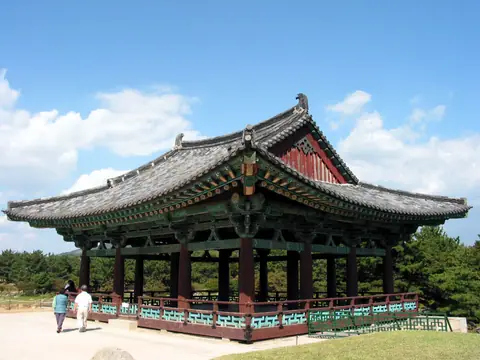
Gyeongju Seasonal Guide: Cherry Blossoms, Autumn Foliage and Weather
Gyeongju, South Korea
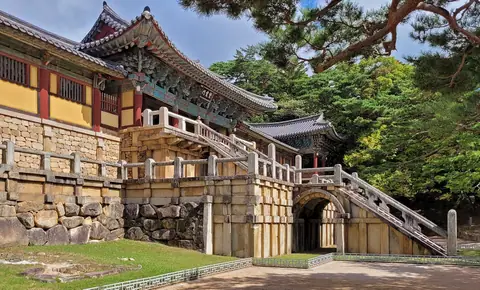
What to Wear in Gyeongju: Temple Etiquette, Hanbok Rental and Trail Layers
Gyeongju, South Korea
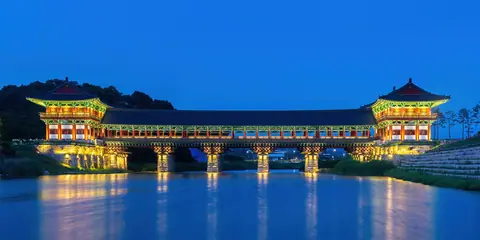
Gyeongju in Three Days: Ancient Tombs, Forest Shrines, and Coastal Valleys
Gyeongju, South Korea
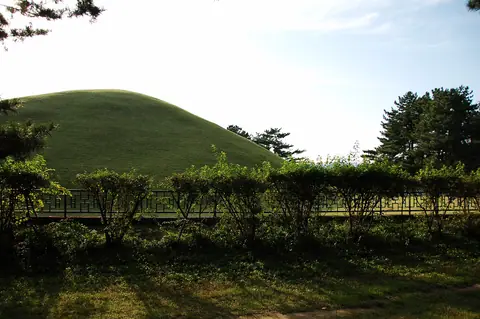
Daereungwon Royal Tombs, Cheomseongdae and Hwangnidan-gil Walking Guide
Gyeongju, South Korea
