Gyeongju
Gyeongju preserves the grand legacy of ancient Silla with earthen royal tombs, forested temples, palace lakes, and charming traditional timber quarters.
Quick decisions
How many days?
Plan two to three full days to take in the central royal tombs, mountain temples, museums, and night illuminations without rushing.
Where should I stay?
Base yourself in Hwangnam-dong for charming hanok alleys near monuments, or choose Bomun Lake for quiet modern resort hotels along the water.
Do I need a car?
You do not need a private car. City buses connect the main archaeological sights, and central districts are completely flat and walkable.
Best for
History lovers, independent walkers, photographers, and travellers seeking an atmospheric glimpse into ancient Korean royal dynasties.
Before you go
Download a Korean navigation application onto your mobile phone, as standard global mapping applications often offer limited public transit directions locally.
Getting around
Purchase a reloadable transit card for convenient tapping on local buses, hire a bicycle for central parks, or flag registered city taxis.
Overview
Gyeongju stands as an open-air sanctuary of Korean heritage in the southeastern corner of the peninsula. As the ancient capital of the Silla kingdom, the city preserves monumental grass-covered tumuli that rise directly between modern streets and low-rise residential quarters. Flat valley floors run alongside gentle riverbanks, allowing travellers to wander through centuries of dynastic history on foot or by bicycle.
Beyond the urban core, forested peaks shield centuries of Buddhist devotion, stone carvings, and tranquil mountain paths. The surrounding hills invite relaxed exploration during the clear days of spring and autumn. The city balances quiet archaeological grounds with lively side lanes, offering a peaceful counterpoint to dense metropolitan centres.
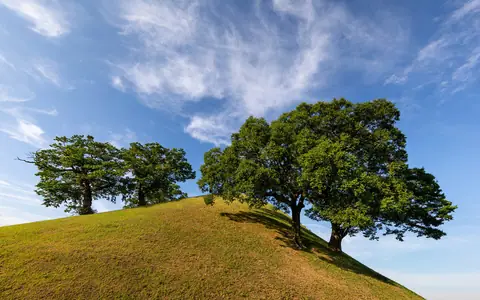
Ancient Silla ruled the southeastern Korean peninsula for nearly a millennium before unifying neighbouring territories. Today, royal burial parks sit alongside busy cafes and modest homes. The absence of modern high-rise towers in the historic basin preserves open views across green burial domes and surrounding hills.
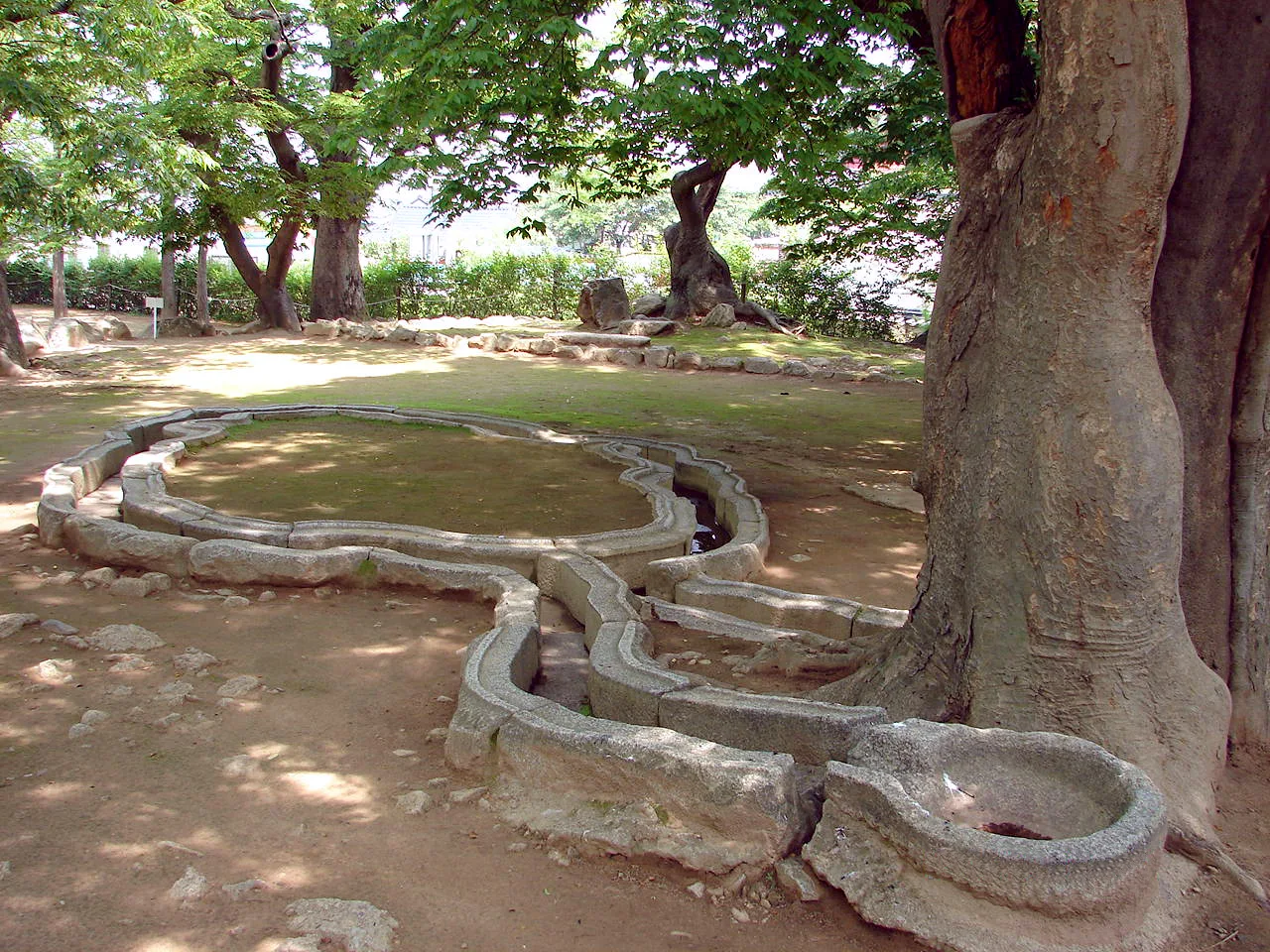
Walking trails link ancient royal wells, defensive fortress remnants, and forested stone stupas across the central river basin. Travellers discover an intimate pace where major archaeological monuments remain accessible directly from roadside pavements.
Getting there
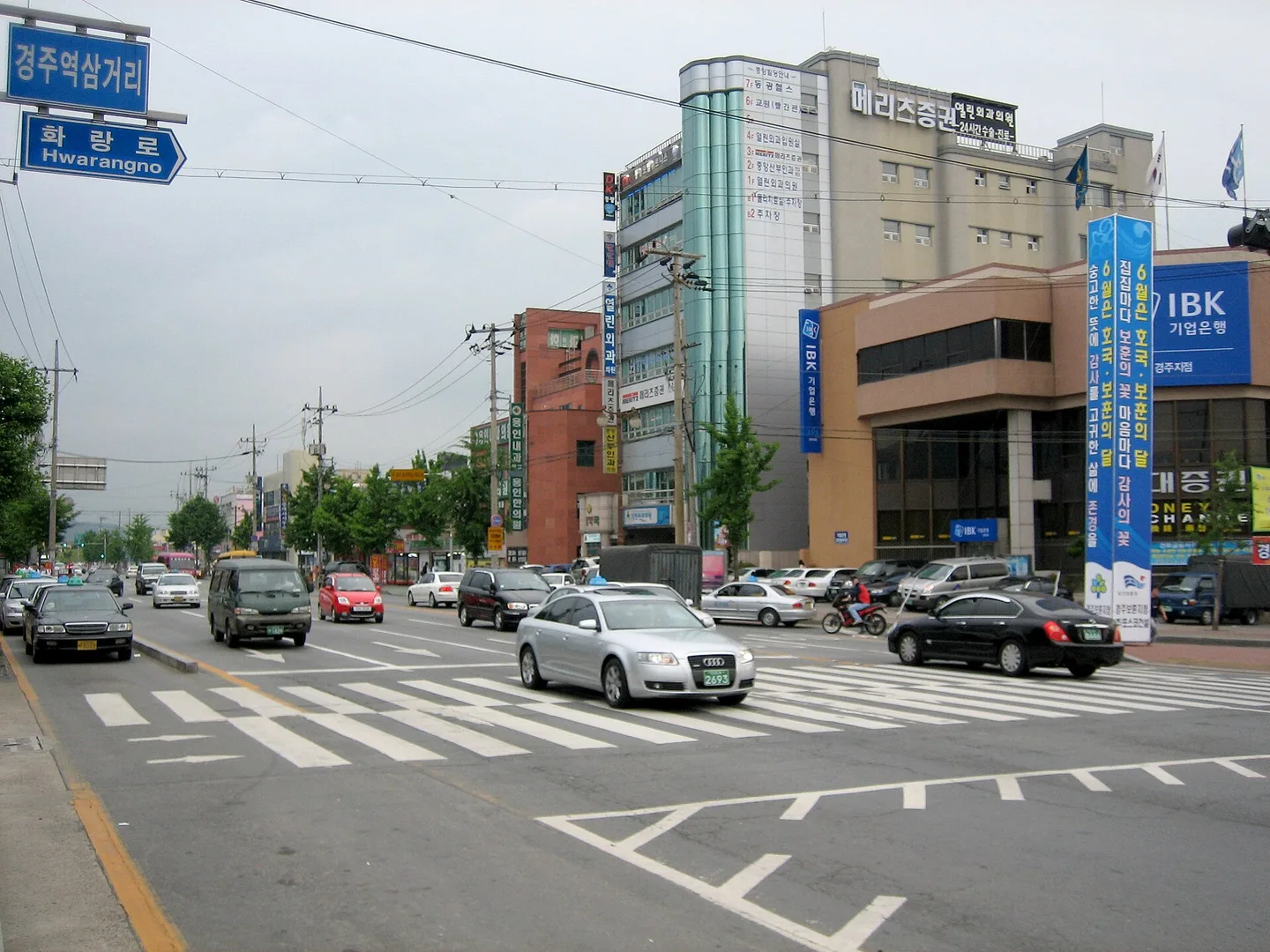
High-speed KTX trains arrive at Singyeongju Station, located southwest of the historic centre. Regular municipal buses connect the rail concourse directly to the downtown bus depot and the ancient tomb parks. Travellers arriving by express coach pull directly into the main station area, within easy walking distance of traditional guesthouses. Planning luggage connections around rail feeder buses and intercity coach routes keeps arrivals smooth.
Getting across town remains straightforward without hiring a private car. Frequent city buses run east towards mountain sights and lakeside resorts, while flat paved paths connect the central monuments. Bicycles are easy to hire near the coach depot to tour burial grounds at your own gentle pace.
Local bus numbers 10 and 11 form a practical circular loop linking downtown streets with major eastern landmarks. These routes stop outside national museum gates, lakeside resort hotels, and mountain temple approaches throughout the day. Taxis queue steadily outside rail platforms and transit stops, charging predictable metered fares for cross-town trips.
Cycling represents one of the fastest ways to explore the flat central basin. Designated lanes flank major parks, and rental shops supply helmets and locks with minimal paperwork. Paved riverbanks also carry protected cycling tracks away from car traffic.
Where to stay
Choosing the right neighbourhood shapes your daily rhythm across the ancient capital. Staying in Hwangnam-dong places you inside traditional timber hanok guesthouses right beside the earthen tumuli. This quarter offers direct access to independent teahouses, small restaurants, and pedestrian avenues. Comparing hanok lanes and lakeside hotel districts clarifies walking trade-offs before booking.
Travellers seeking modern rooms, lakeside trails, and resort pools often pick the Bomun Lake district. This eastern shoreline features peaceful waterside walking paths and family hotel complexes. Regular public buses connect the lake shore directly back to the central archaeological zone throughout the day.
Budget guesthouses and practical business hotels cluster densely around the express bus depot west of the royal tombs. This transit corner suits early departures and easy luggage drop-off upon arrival. Surrounding streets house late-night grocery shops, local noodle counters, and cycle rental outlets.
Hanok stays range from historic courtyard residences to modern timber cottages fitted with heated floors. Booking well ahead becomes essential during spring blossom weeks and autumn foliage weekends when domestic travellers fill central alleys.
Things to do
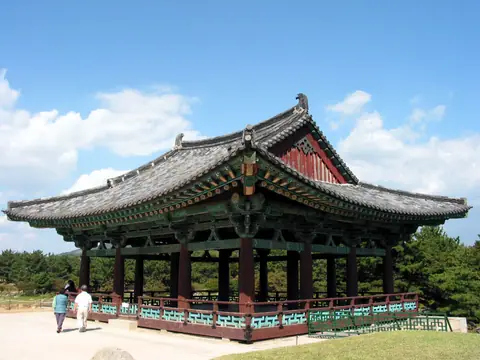
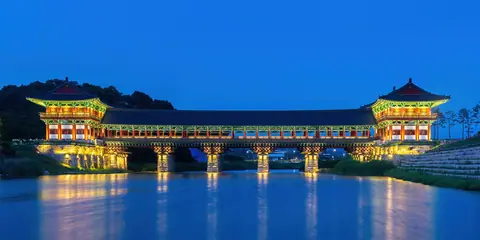
Begin your day early at the Daereungwon burial complex, where giant grass tumuli rise beneath tall pines. Continue walking south past the ancient stone astronomical observatory of Cheomseongdae towards the restored wooden span of Woljeonggyo Bridge. Follow routes under Silla tomb walks and foothill shrines to sequence central stops cleanly.
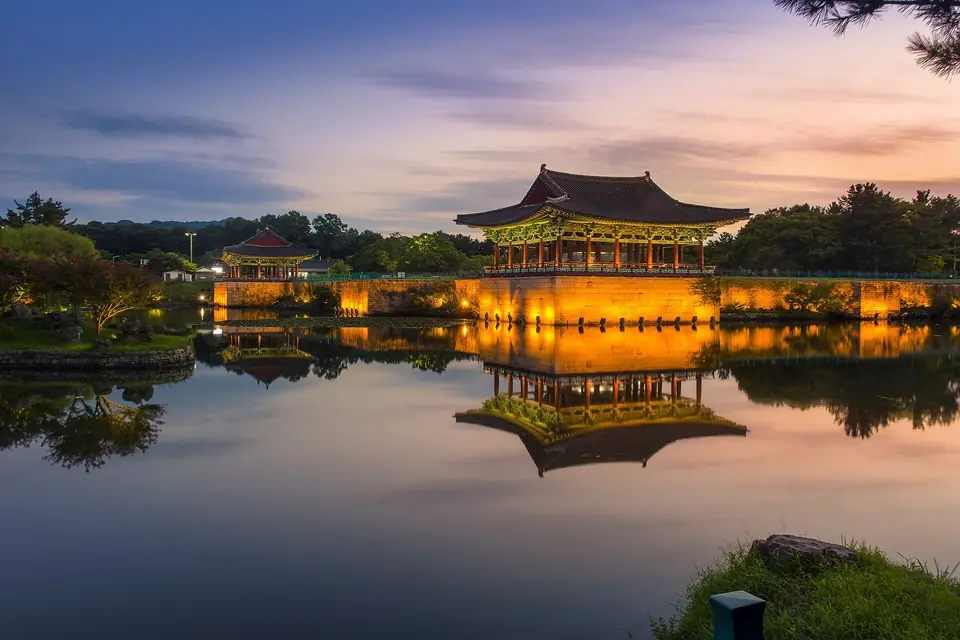
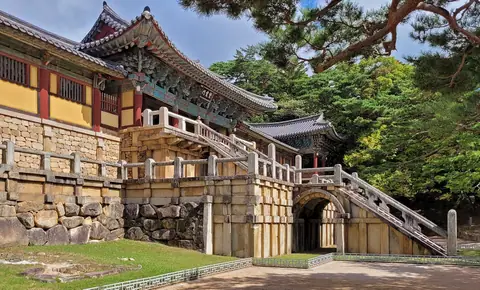
Set aside a dedicated afternoon for Bulguksa Temple and the sacred hillside shrine of Seokguram along the slopes of Mount Toham. Returning to the centre at dusk brings you to Donggung Palace and Wolji Pond, where lit pavilions cast reflections across calm royal water.
The Gyeongju National Museum displays gold crowns, bronze bells, and ceramic artefacts recovered from nearby royal excavations. Quiet permanent galleries let visitors study delicate metalwork crafted over fifteen centuries ago. Outdoor courtyards preserve ancient stone pagodas beside the Divine Bell of King Seongdeok.
Further afield, Mount Namsan weaves hundreds of hillside paths past seated stone Buddhas, cliff carvings, and old temple foundations. Hikers can spend a full day tracing forested ridges across the spiritual heartland of Silla.
Food and drink
Dining in Gyeongju centres on shared spreads and regional baked treats. Look for restaurants serving Silla ssambap, featuring savoury stews, grilled meats, and baskets of fresh leafy greens for wrapping. The historic market hall houses lively stalls with hot broths and hand-cut noodles.
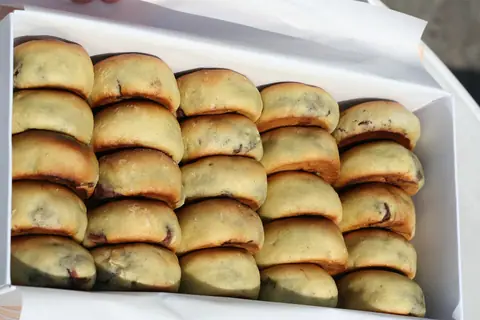
Sample warm Gyeongju bread, a thin pastry filled with sweet red bean paste baked locally for generations. Casual teahouses along Hwangnidan-gil serve iced grain teas and rice cakes inside restored wooden courtyards.
Modern cafes in Hwangnam-dong adapt tiled timber frames with wide glass windows and quiet seating overlooking rounded burial mounds. Evenings bring small pubs pouring regional rice wines alongside crisp savoury pancakes along pedestrian streets.
Seongdong Market runs a popular covered buffet row where diners select home-style side dishes, steamed greens, and braised fish. Early midday visits show daily local cooking at fixed counter prices.
Culture
Gyeongju guards deep pride in its royal heritage, expecting respectful behaviour across every historic ground. Burial mounds remain sacred ancestral monuments, and climbing onto earthen slopes is strictly forbidden to protect fragile turf. Inside active Buddhist temples, wear modest layers and keep voices low along prayer corridors.
Four clear seasons shape outdoor comfort across the basin. Winters stay crisp and fairly dry, dipping around -2.8°C at night in January with highs near 5.8°C. By contrast, July and August bring humid heat around 30°C alongside heavier late-summer rains. Spring cherry blossoms in April and dry golden maple weather in October around 20°C offer ideal touring days. Pairing seasonal clothing with our three-day valley walking circuit balances cool mornings with lantern-lit evenings cleanly.
Official prices and opening hours
- Gyeongju National MuseumOfficial site ↗
- Donggung Palace & Wolji Pond / Daereungwon TombsOfficial site ↗
Weather by month
Gyeongju is warmest in August, with average highs around 31°C, and coldest in January, when nights drop to about -3°C. September is the wettest month by rainfall (241 mm), with rain on about 13 days. For mild weather with fewer rainy days, aim for May and October.
| Month | Low | Range | High | Rain | Rainy days |
|---|---|---|---|---|---|
| Jan | -3°C | 6°C | 33 mm | 4 d | |
| Feb | -1°C | 8°C | 34 mm | 5 d | |
| Mar | 3°C | 14°C | 70 mm | 7 d | |
| Apr | 8°C | 19°C | 86 mm | 8 d | |
| May | 13°C | 25°C | 81 mm | 7 d | |
| Jun | 18°C | 28°C | 126 mm | 11 d | |
| Jul | 22°C | 30°C | 226 mm | 17 d | |
| Aug | 23°C | 31°C | 202 mm | 14 d | |
| Sep | 19°C | 25°C | 241 mm | 13 d | |
| Oct | 12°C | 20°C | 99 mm | 7 d | |
| Nov | 5°C | 15°C | 44 mm | 5 d | |
| Dec | -2°C | 7°C | 32 mm | 4 d |
Averages of daily values from 2015 to 2024. Rainy days are days with at least 1 mm of rain. Source: Open-Meteo · Compare destinations by month.
Gyeongju on the map
Every place we cover in Gyeongju. Tap a category or pin to explore.
In-depth Gyeongju guides
Browse the guides grouped by topic: sights, neighbourhoods, food, transport, day trips and trip planning.
Sights, Landmarks & Parks
Key monuments, viewpoints, museums and nature trails.
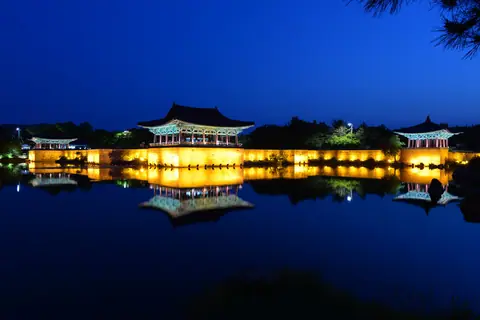 Silla Tombs, Forest Sanctuaries, and Illuminated Waters in GyeongjuGyeongju preserves the earthen burial mounds, mountain sanctuaries, and illuminated water gardens of the ancient Silla kingdom across a walkable river basin.
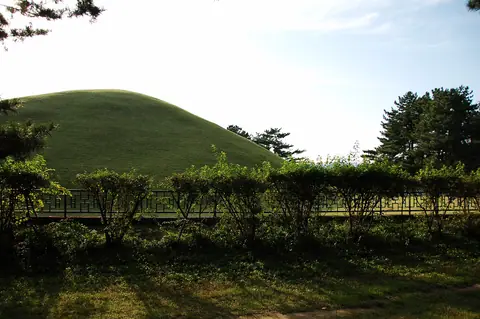 Daereungwon Royal Tombs, Cheomseongdae and Hwangnidan-gil Walking GuideWe trace an easy pedestrian route connecting ancient Silla tumuli, the stone Cheomseongdae observatory, and traditional hanok alleys across central Gyeongju.
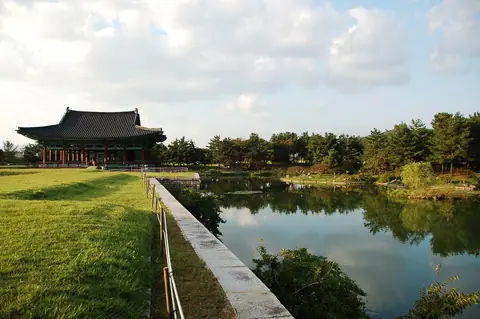 Donggung Palace, Wolji Pond and Woljeonggyo Bridge Night Walking RouteIlluminated Silla palace pavilions and reconstructed timber bridges create an evocative evening walking circuit across the ancient parklands of Gyeongju.
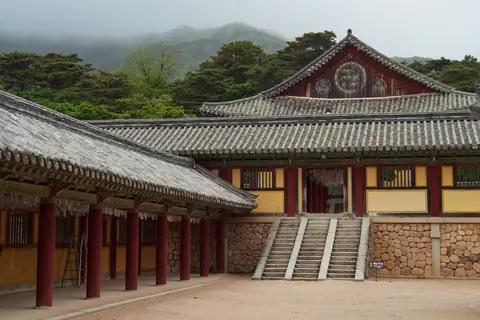 Visiting Bulguksa Temple and Seokguram Grotto in GyeongjuBulguksa Temple and Seokguram Grotto showcase classical Silla stone architecture across the slopes of Mount Tohamsan outside central Gyeongju.
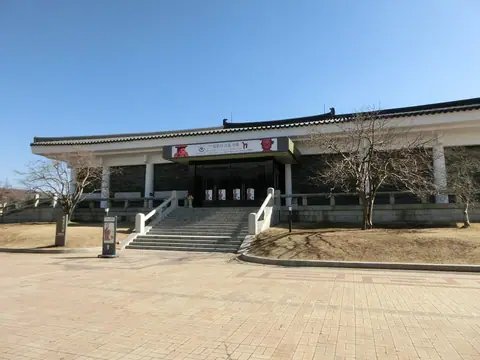 Gyeongju National Museum: Gold Crowns, Bronze Bells and Royal RelicsSilla gold crowns, gleaming bronze bells, and royal palace relics fill the peaceful exhibition halls of Gyeongju National Museum.
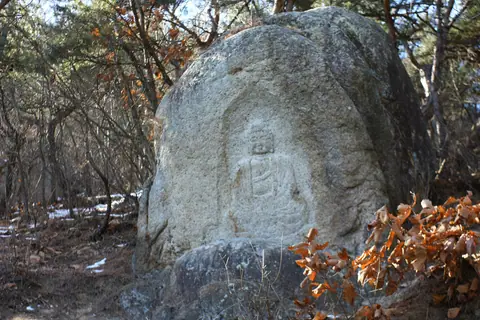 Mount Namsan Hiking Guide: Samneung Trail, Rock Buddhas & Silla PagodasMount Namsan rises south of central Gyeongju, sheltering forested valleys rich in ancient granite Buddhas, ruined sanctuaries, and stone pagodas.
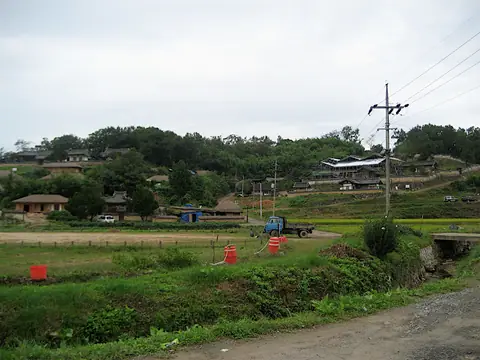 Yangdong Folk Village and Gyochon Traditional Village ExplorationPreserved clan residences at Yangdong Folk Village sit alongside heritage estates and stone lanes within central Gyochon.
Neighbourhoods & Where to Stay
Districts, historic quarters and the best bases for your stay.
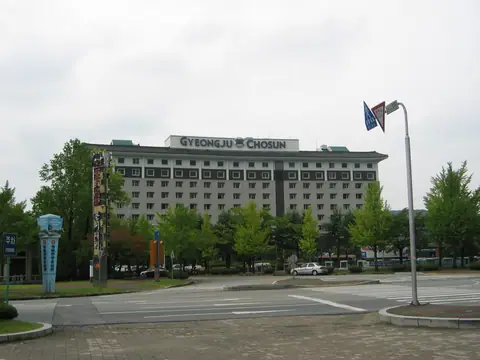
Food & Drink
Local dishes, markets, cafés and dining districts.
Getting Around & Arrival
Airport transfers, public transit, passes and driving rules.

Day Trips & Excursions
Easy half-day and full-day trips from the city.
Trip Planning & Itineraries
When to visit, what to pack and day-by-day routes.
 Gyeongju: UNESCO Belts, Free Entry Rules and NavigationGyeongju blends millennium-old Silla royal tumuli, open agricultural fields, and wooded mountain temples across distinct heritage sectors.
 Gyeongju Seasonal Guide: Cherry Blossoms, Autumn Foliage and WeatherChoosing when to explore ancient Silla royal tombs and mountain temples depends entirely on your seasonal preferences.
 What to Wear in Gyeongju: Temple Etiquette, Hanbok Rental and Trail LayersCareful packing for Gyeongju combines slip-on walking shoes for temple sanctuaries with adaptable layers for historic parklands across all four seasons.
 Gyeongju in Three Days: Ancient Tombs, Forest Shrines, and Coastal ValleysThis three-day route links the grassy tumuli of central Gyeongju with serene mountain temples and peaceful riverbanks across North Gyeongsang province.
Need your embassy or consulate in South Korea? See embassies and consulates in South Korea.
Reviews
Log in to write a review.
No reviews yet.