Photo: Pachinee Buathong · CC BY-SA 2.0
What to Eat in Gyeongju: Royal Ssambap, Hwangnam Bread and Hanwoo BBQ
Dining across ancient Silla alleys reveals rich culinary traditions, spanning colourful leaf-wrapped royal ssambap banquets, regional Hanwoo beef, and warm red bean pastries.
Dining in the ancient capital of the Silla Kingdom revolves around centuries of courtly dining habits and fresh regional harvests. When we sit down for a traditional midday meal, the long low wooden tables quickly fill with dozens of tiny porcelain bowls containing seasonal banchan side dishes. Steamed mountain greens, fermented pickles, spicy radish, crisp seaweeds, and slow-braised bean curd surround a bubbling earthen pot of soybean stew. The centrepiece of this lavish spread is ssambap, a style of dining that elevates humble vegetable leaves into an art form.
Royal Ssambap Banquets Around Daereungwon
Ssambap literally means wrapped rice, but the Silla royal heritage turned this countryside comfort into an elaborate culinary ritual. Restorative platters arrive piled high with ruffled lettuce, broad perilla leaves, steamed cabbage, and bitter wild herbs. Diners lay a fresh leaf flat upon their palm, add a spoonful of warm multi-grain rice, top it with seasoned grilled pork or beef, and finish with savoury ssamjang paste. Each parcel brings a crisp, refreshing bite bursting with fermented depth and aromatic herbs.
The quiet avenues skirting the burial tumuli of Daereungwon host several dedicated ssambap establishments. Many family-run restaurants here still grind their own soybean pastes in stone crocks behind the kitchens. Sitting on heated ondol flooring while tucking into twenty companion side dishes provides the perfect replenishment after admiring ancient royal mounds. The relaxed tempo lets diners savour the delicate textures of medicinal leaves that grow along the fertile valleys around the historic basin.
Tables overflow with an array of complimentary bites, including savoury seafood pancakes, golden rolled omelettes, and simmered lotus root. Enthusiastic hosts frequently replenish empty banchan plates without hesitation. Sharing these generous platters fosters a communal atmosphere that mirrors centuries of celebratory village banqueting across North Gyeongsang province.
Historic Pastries: Hwangnam and Gyeongju Bread
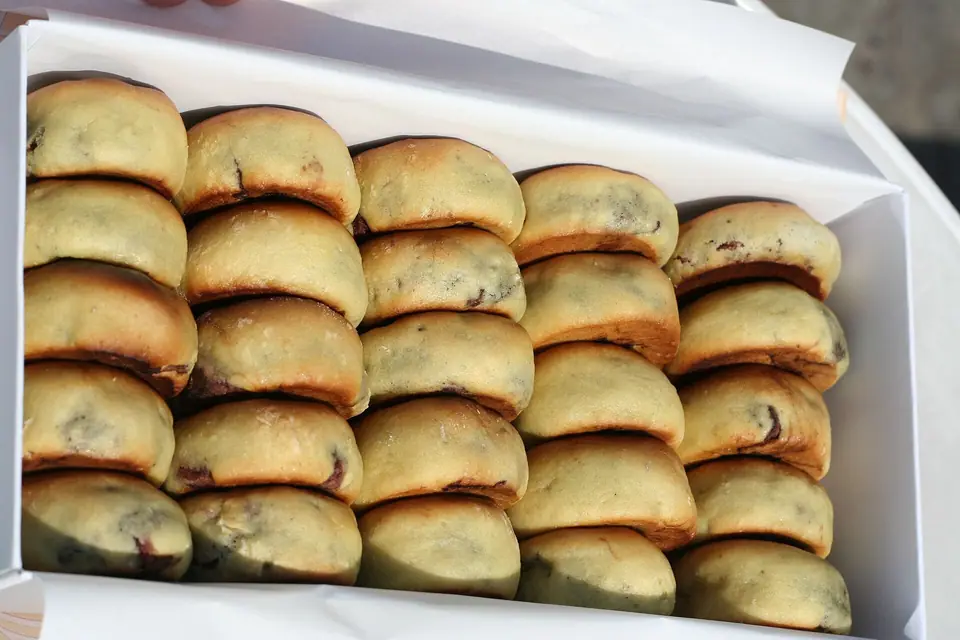
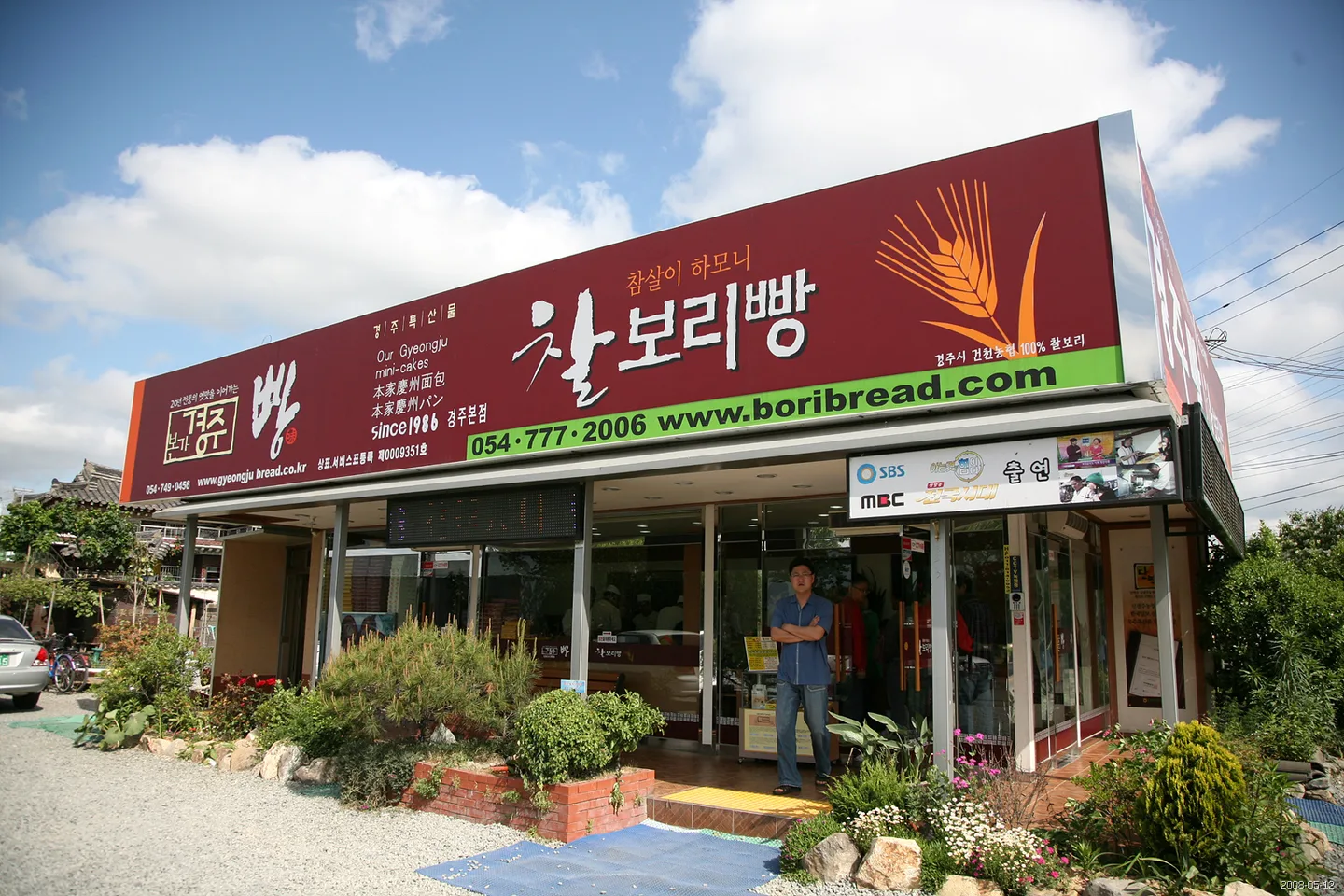
No culinary journey through the city is complete without sampling the celebrated local pastries. Hwangnam bread stands out as a beloved regional speciality that locals have baked for generations using sweet red bean paste tucked inside thin, delicate wheat dough. Skilled bakers stamp the top of each round pastry with a traditional chrysanthenum flower pattern before baking it to a golden sheen. The exterior remains wafer-thin, allowing the rich, velvety bean filling to dominate every warm bite.
Several heritage bakeries cluster around Hwangnam-dong, where visitors can watch artisans press, mould, and bake thousands of pastries every day. You can compare the primary pastry styles using our quick field summary:
- Hwangnam Bread: Thin pastry wrapper packed entirely with smooth, lightly sweetened red azuki bean paste.
- Gyeongju Bread: A closely related variation featuring a slightly firmer crust and deep aromatic bean purée.
- Chalboribang: Soft, chewy barley pancakes folded over a gentle smear of sweet bean filling.
These bite-sized pastries make excellent snacks while walking through ancient monuments or travelling onwards. Bakeries pack them into neat boxes that keep fresh for days, though eating them fresh from the baking trays offers the finest melt-in-the-mouth texture.
The warm scent of toasted wheat and sweet azuki beans wafts down the traditional streets of Hwangnam-dong from early morning onward. Travellers often pause by storefront windows to observe the rhythmic hand-shaping process. The delicate balance of sweetness pairs naturally with unsweetened green tea or roasted grain infusions.
Hanwoo Beef Barbecue and Comforting Stews
The surrounding province of Gyeongsangbuk-do is renowned across Korea for rearing prized native Hanwoo cattle. This domestic beef features delicate marbling, exceptional tenderness, and a natural sweetness that shines brightest when grilled briefly over glowing hardwood charcoal. In the historic quarters, local barbecue houses serve prime cuts like tenderloin and rib meat with simple dipping seasonings of coarse sea salt and cold-pressed sesame oil. Charcoal embers hiss as thin ribbons of beef kiss the hot iron grates.
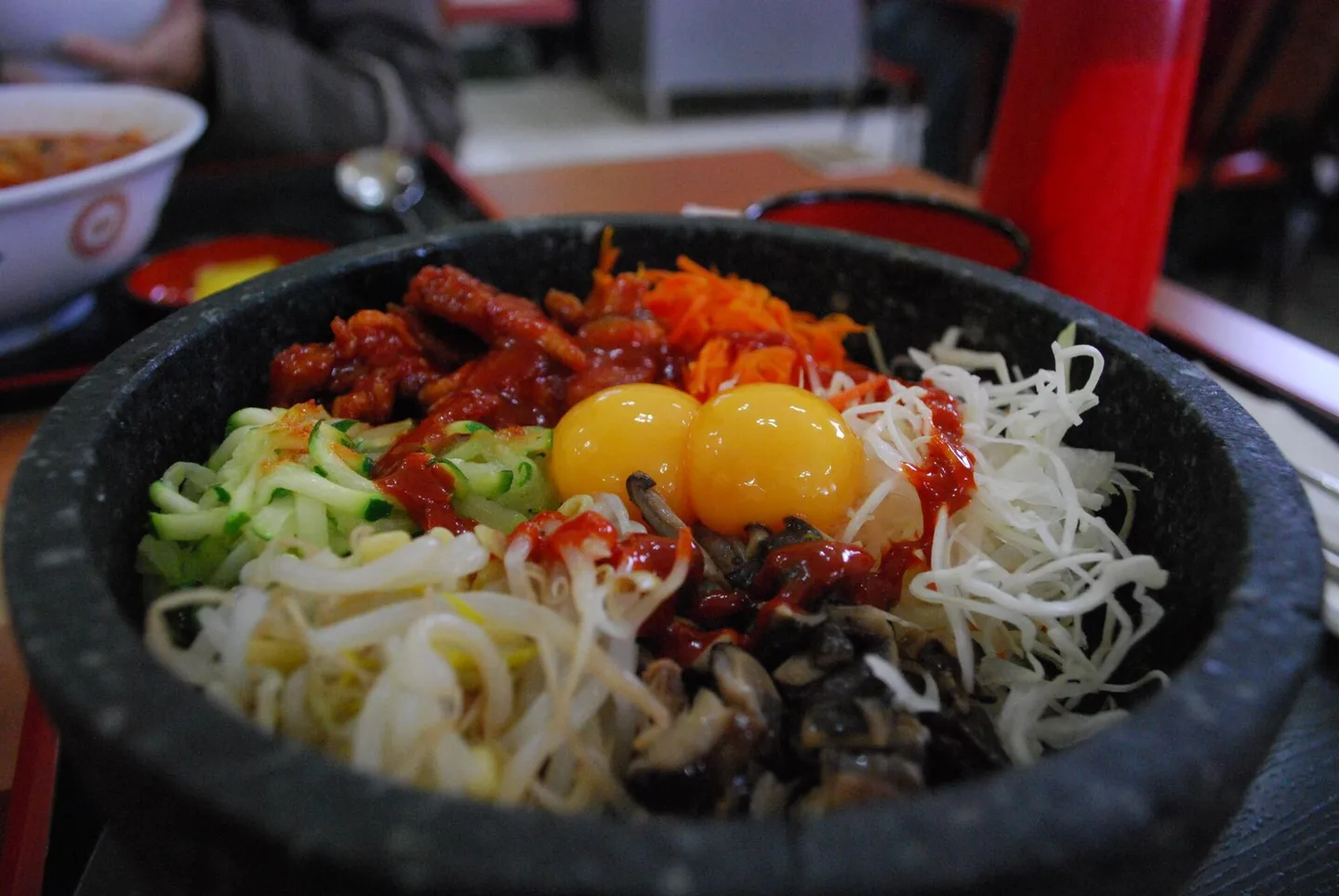
Cold winter afternoons call for piping-hot dolsot stone bowls filled with sizzled bibimbap, braised beef short ribs, or pungent kimchi stew. The thick stone vessels retain radiant heat long after leaving the fire, caramelising the base layer of white rice into a prized crunchy crust. Balancing tender grilled beef with spicy, steaming broths illustrates the fundamental Korean culinary balance between cooling fresh greens and warming slow-cooked stews.
Many grill houses also offer tender beef tartare known as yukhoe, seasoned delicately with sesame oil, garlic, and julienned sweet Korean pear. This raw preparation demonstrates the freshness and superior grading of local livestock raised in the nearby countryside.
Traditional Teas and Street Food in Gyochon Hanok Village
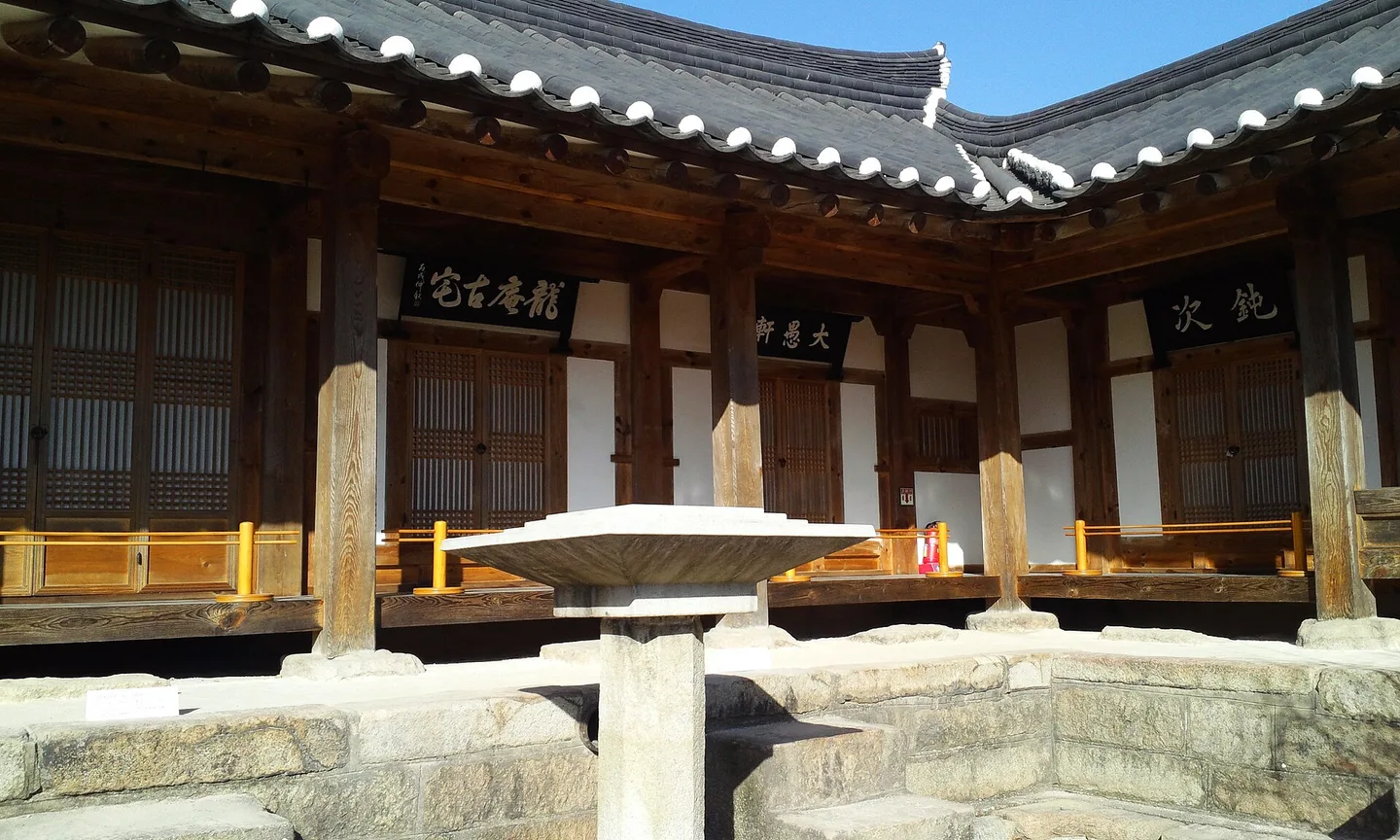
Cross the babbling stream into Gyochon Hanok Village to experience peaceful courtyard dining among tiled-roof timber houses. Here, traditional teahouses brew roasted barley, deep yellow ginger infusions, and sweet persimmon punch. Sitting beside paper-lined sliding doors allows visitors to absorb the tranquil courtyard garden while nibbling handmade honey rice biscuits and glutinous rice cakes coated in roasted soybean powder.
As dusk settles over the old town, casual food stalls and restored hanok cafes serve fresh updates on classic bites. Look for egg-wrapped gimbap rolls alongside skewers of crisp grilled rice cakes brushed with sweet sauce. Linking your dining stops with our heritage tomb and foothill walks makes evening strolls easy between barbecue tables.
Plan your culinary route by pairing heavy grilled lunches with lighter afternoon tea breaks in quiet courtyard cafes. Walking between traditional bakeries and open-air tumuli remains effortless, allowing travellers to sample diverse regional flavours at a relaxed, leisurely pace. For transport connections between distant culinary suburbs and the central railway terminal, study our direct transit and arrival tips before heading out to dine.
Official prices and opening hours
- Gyeongju National MuseumOfficial site ↗
- Donggung Palace & Wolji Pond / Daereungwon TombsOfficial site ↗
Where it is
- 1Gyeongju
- Daegu International Airport (TAE) · about 50 km from Gyeongju in a straight line
- Directions in Google Maps
Stations and taxi ranks: OpenStreetMap. Airports: OurAirports. Distances are in a straight line.
Traveller tips
Real advice from people who have been to Gyeongju. Every tip is read by our team before it goes live.
No tips yet. Been here? Yours could be the first.
Thank you! Your tip will appear here after a quick review.
More in Gyeongju
Continue exploring Gyeongju with related neighbourhood, food, and planning guides
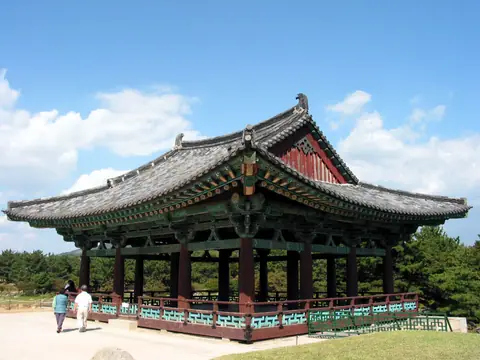
Gyeongju Seasonal Guide: Cherry Blossoms, Autumn Foliage and Weather
Gyeongju, South Korea
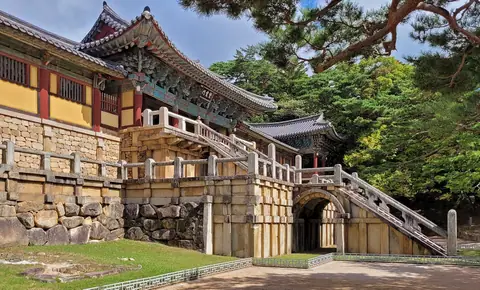
What to Wear in Gyeongju: Temple Etiquette, Hanbok Rental and Trail Layers
Gyeongju, South Korea
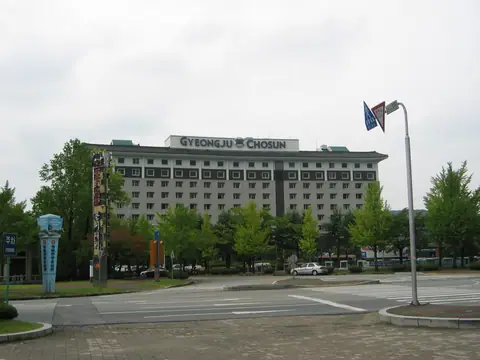
Where to Stay in Gyeongju: Hwangnidan-gil Hanoks vs Bomun Lake Resorts
Gyeongju, South Korea
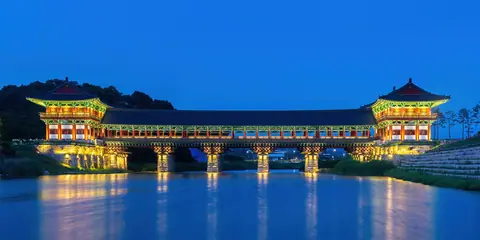
Gyeongju in Three Days: Ancient Tombs, Forest Shrines, and Coastal Valleys
Gyeongju, South Korea
