Photo: calflier001 · CC BY-SA 2.0
Getting to Gyeongju: High-Speed Trains and Local Transit Connections
Reaching the ancient Silla capital involves swift high-speed rail lines and frequent intercity coaches that connect smoothly to local bus networks.
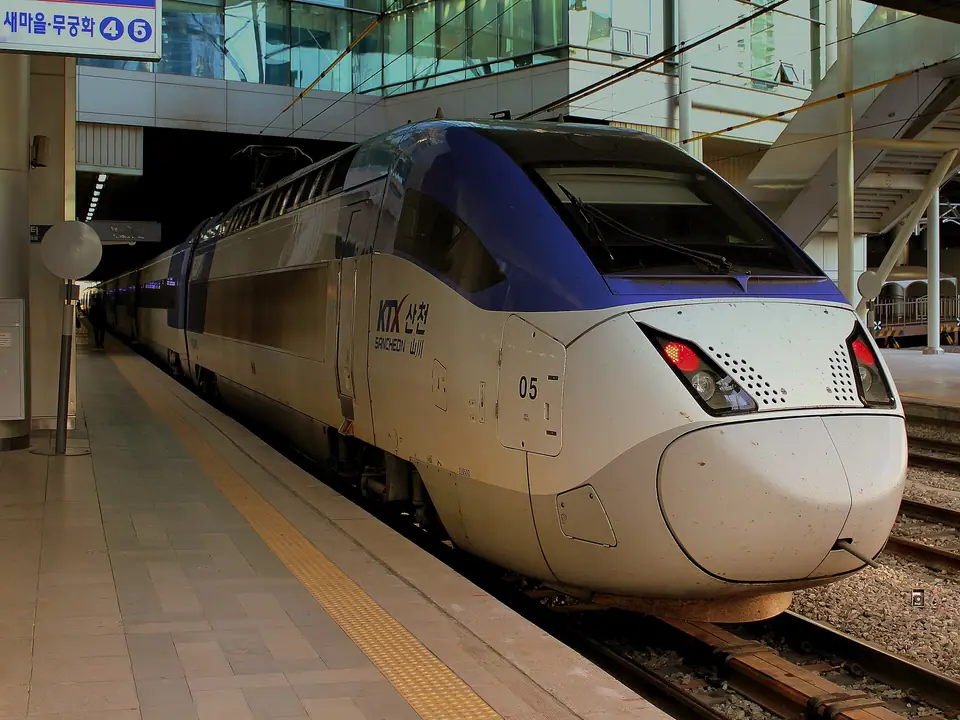
Arriving by High-Speed Rail at Gyeongju Station
Reaching the historic heart of southeastern Korea begins with the national bullet train network, running swiftly along the primary high-speed rail corridor. Passengers boarding at major metropolitan junctions travel southwards across rolling hill country before arriving outside the central basin.
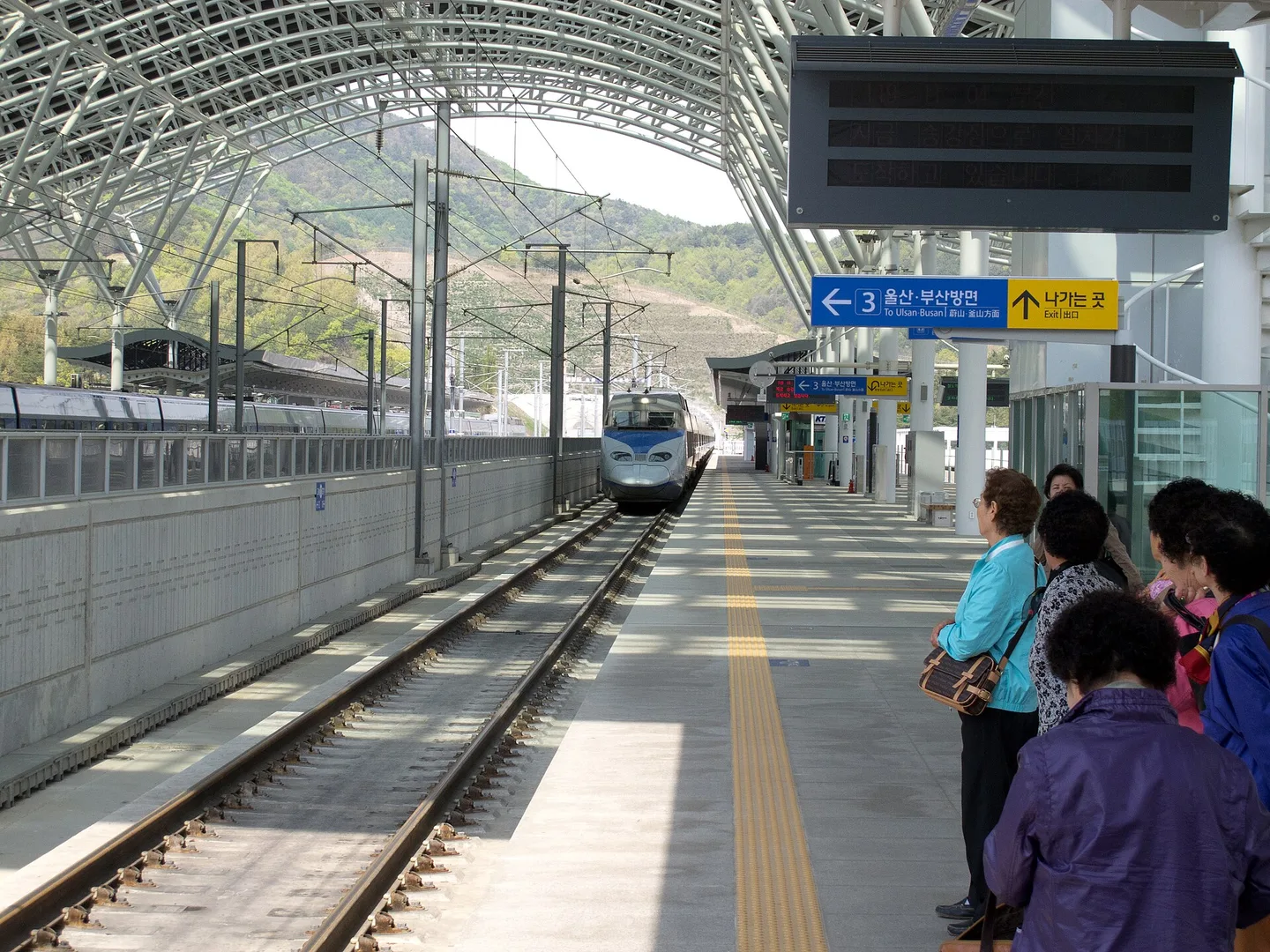
The dedicated high-speed rail terminal sits outside the central ring, serving domestic services on the primary spine between northern capitals and southern ports. Modern facilities inside the passenger concourse offer clear bilingual signage, ticket counters, convenience shops, and step-free platforms for arriving travellers.
Stepping off the platform brings you directly to regional transit connections, taxi ranks, and clearly marked bus stops positioned immediately outside the main exits. Reviewing our Gyeongju journey itinerary helps connect train timetables with visits to local historic monuments.
Transferring from the Rail Terminal into the Historic Centre
Local city buses form the most dependable and frequent link between the outer high-speed railway station and the central downtown district. Dedicated bus bays sit directly opposite the main terminal doors, with digital arrival boards displaying approaching vehicle numbers in real time.
Several bus lines operate continuous circuits between the transport interchange and the central avenue bordering the ancient tumuli mounds. The ride passes through suburban fringes before entering the open, low-rise streetscapes that define the historic royal core.
- Central City Transit: Frequent urban buses link the rail concourse to downtown roads, dropping passengers beside heritage parks and central hotels.
- Express Terminal Connection: Local coaches stop directly at the intercity bus depot, convenient for travellers storing luggage before touring.
- Direct Heritage Corridors: Select numbered routes head towards surrounding valley temples, bypassing the central street grid entirely.
Taxis also wait in an organised queue outside the terminal, offering swift transfers directly to traditional guesthouses. Taxis use standard digital metres, providing a reliable alternative when travelling with heavy luggage or during brisk autumn evenings.
Regional Coach Arrivals and Highway Corridors
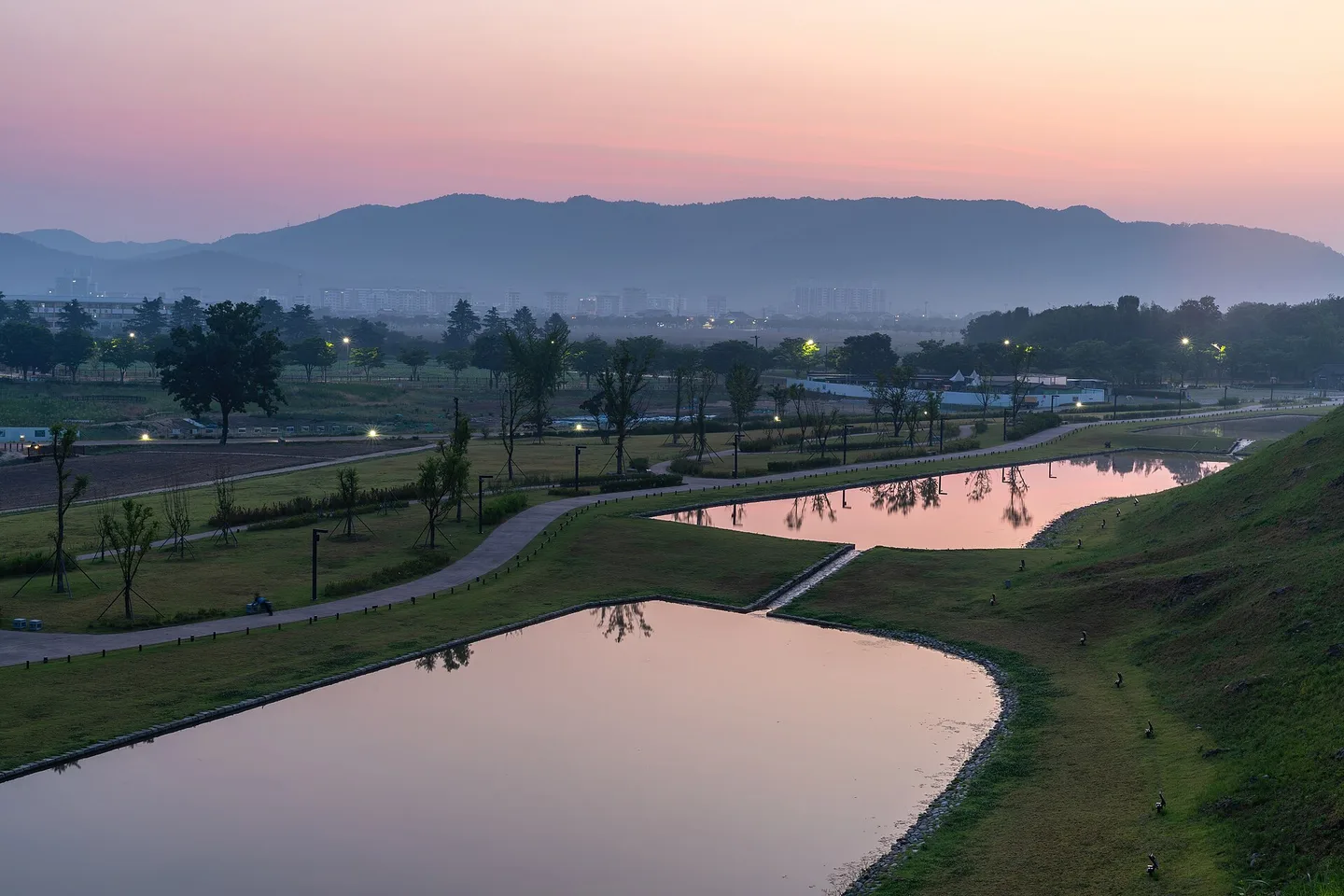
Travellers arriving from nearby southern hubs often prefer regional highway coaches, which arrive directly at the downtown bus terminals. Unlike the high-speed rail stop, the express and intercity coach facilities stand within comfortable walking distance of central neighbourhoods.
Frequent highway services depart from coastal cities such as Busan, offering a straightforward journey across the rolling southeastern countryside. These coaches run along well-maintained expressways, dropping visitors directly beside the historic core without requiring secondary transit transfers upon arrival in town. Nearby stops outside the coach gates also connect passengers straight toward Hwangnam-dong guesthouses, cycling shops, and lake resort boulevards.
| Arrival Hub | Location Context | Primary Onward Connection |
|---|---|---|
| High-Speed Rail Station | Southwestern countryside | Local feeder buses and metered taxis |
| Express Coach Terminal | Western downtown boundary | Short walk to guesthouses and hire shops |
| Intercity Bus Depot | Adjacent to express terminal | Local urban routes serving outer valleys |
Coaches feature wide reclining seats, luggage holds beneath the floorboards, and climate control, making them pleasant for short regional hops. Ticket booths beside the concourse doors sell return journeys clearly in English and Korean, while nearby convenience shops stock reloadable local transit cards. Selecting suitable layers from our Gyeongju seasonal clothing advice keeps regional transit journeys comfortable in fluctuating spring or winter weather.
Navigating Central Sights and Ancient Heritage Zones
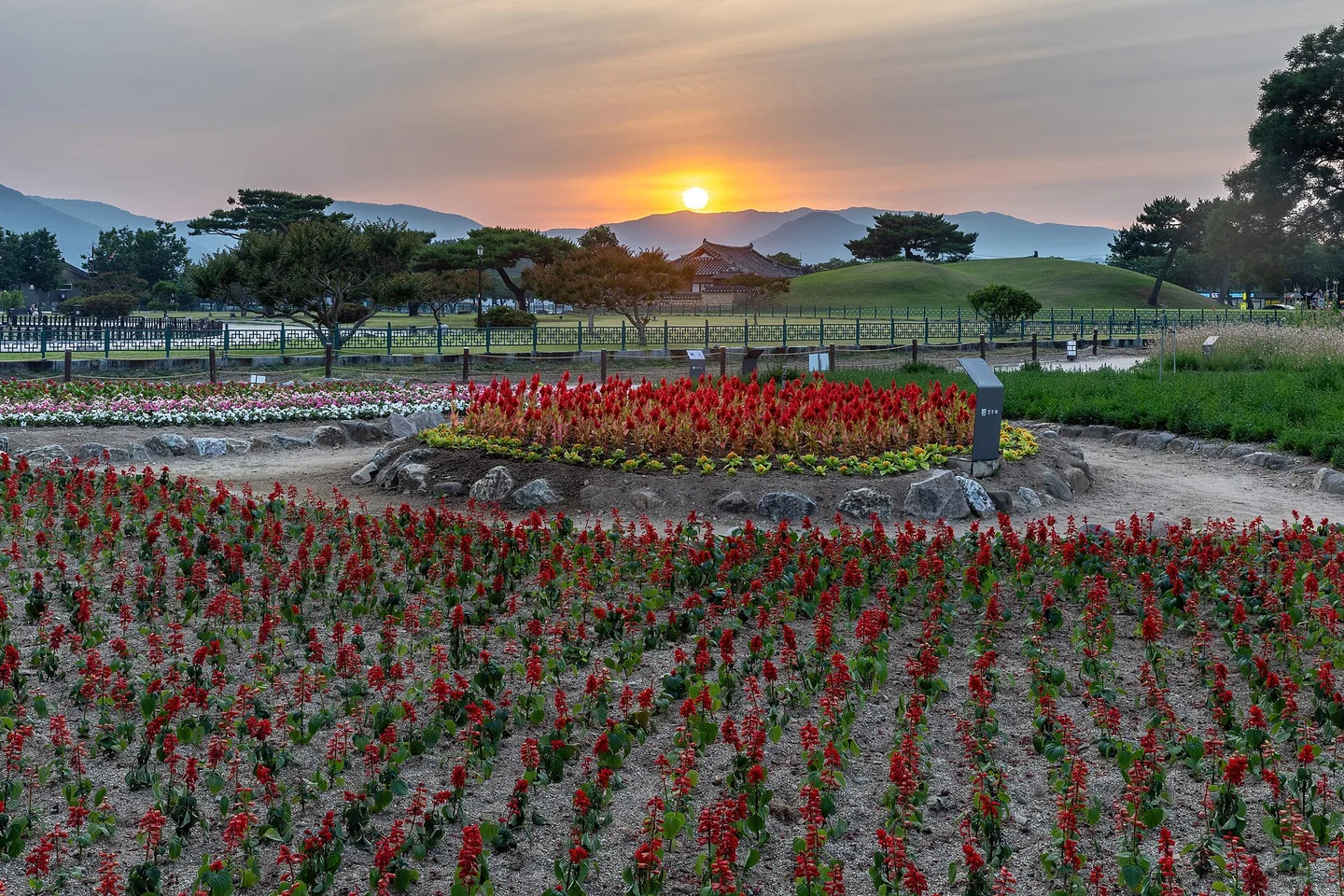
Once you reach the central valley, navigating between grassy royal burial mounds, palace ruins, and leafy lanes is remarkably straightforward on foot. The historic core maintains strict building height limits, creating wide, open skies and accessible pedestrian avenues between major sites.
Paved footpaths wind past massive grassy tumuli, connecting historic complexes with nearby handicraft alleys and pleasant teahouses. Exploring notable monuments detailed among the Silla historic attractions requires little more than comfortable walking shoes and occasional short bus rides.
City buses link the central avenues to outlying treasures like valley rock carvings, forested mountain temples, and the lakeside resort area. Boarding these local buses is simple using standard prepaid transit cards, which passengers tap on electronic readers by both entry and exit doors to log zone stages accurately.
Clear transit links and compact urban geography make moving between the distant centuries of this ancient realm thoroughly enjoyable. Visitors can easily structure their days around walking loops through the royal burial parks and short bus rides out to hillside sanctuaries.
Official prices and opening hours
- Gyeongju National MuseumOfficial site ↗
- Donggung Palace & Wolji Pond / Daereungwon TombsOfficial site ↗
Where it is
- 1Gyeongju
- Daegu International Airport (TAE) · about 50 km from Gyeongju in a straight line
- Directions in Google Maps
Stations and taxi ranks: OpenStreetMap. Airports: OurAirports. Distances are in a straight line.
Traveller tips
Real advice from people who have been to Gyeongju. Every tip is read by our team before it goes live.
No tips yet. Been here? Yours could be the first.
Thank you! Your tip will appear here after a quick review.
More in Gyeongju
Continue exploring Gyeongju with related neighbourhood, food, and planning guides

Gyeongju East Coast Day Trip: King Munmu Underwater Tomb and Gameunsa
Gyeongju, South Korea
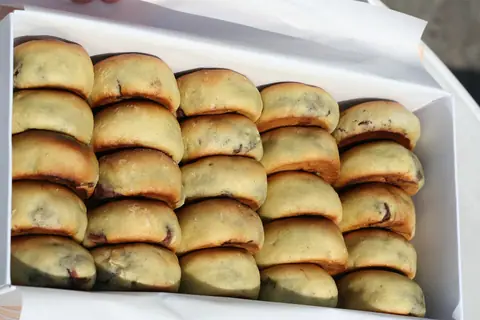
What to Eat in Gyeongju: Royal Ssambap, Hwangnam Bread and Hanwoo BBQ
Gyeongju, South Korea
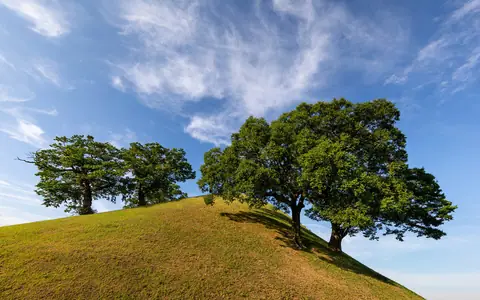
Gyeongju: UNESCO Belts, Free Entry Rules and Navigation
Gyeongju, South Korea
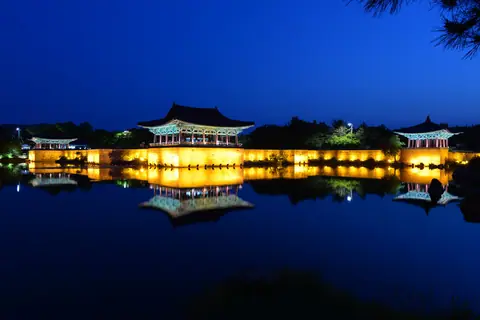
Silla Tombs, Forest Sanctuaries, and Illuminated Waters in Gyeongju
Gyeongju, South Korea
