What to Wear in Gyeongju: Temple Etiquette, Hanbok Rental and Trail Layers
Careful packing for Gyeongju combines slip-on walking shoes for temple sanctuaries with adaptable layers for historic parklands across all four seasons.
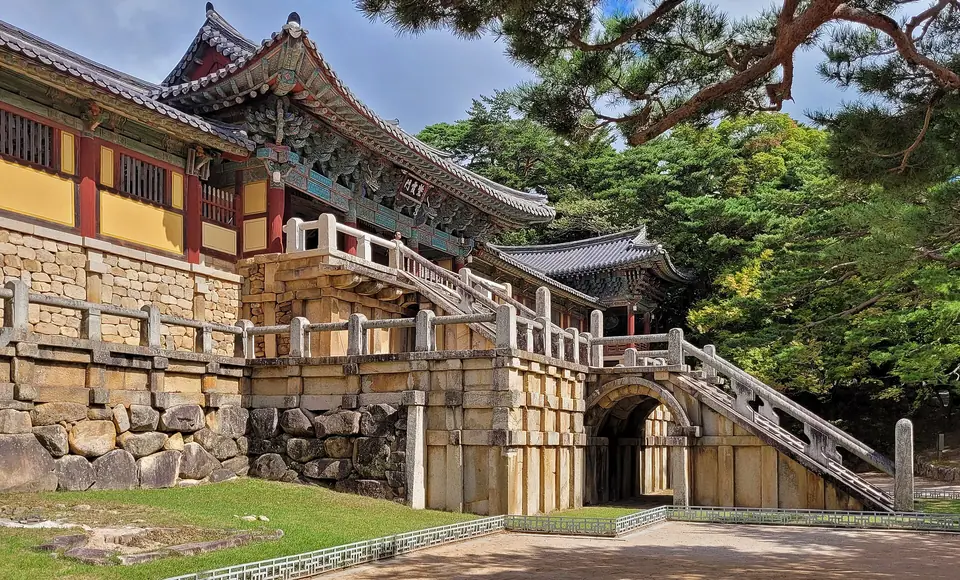
Packing for this ancient capital requires balancing practical walking comfort with cultural mindfulness. Sacred Buddhist compounds and open royal tumuli form the core of daily outings, demanding footwear that adapts quickly to changing surfaces. Many historic halls require visitors to remove their shoes before stepping onto polished wooden platforms. Lace-up boots quickly become tedious during repeated visits.
Temple Etiquette and Footwear Basics
Entering holy sanctuaries in the surrounding hills calls for understated clothing that shows respect to the monastic community. Travellers ought to wear trousers, knee-length skirts, or comfortable linen trousers that cover knees and shoulders entirely. Revealing tank tops, sheer fabrics, and gym singlets remain out of place across active prayer halls.
Shoe etiquette forms an essential part of temple visits across South Korea. Footwear must come off at temple thresholds. Choosing sturdy slip-on trainers or elasticated walking shoes spares you constant bending and retying. Bringing several pairs of clean, thick cotton socks prevents cold toes on unheated floorboards and maintains proper decorum.
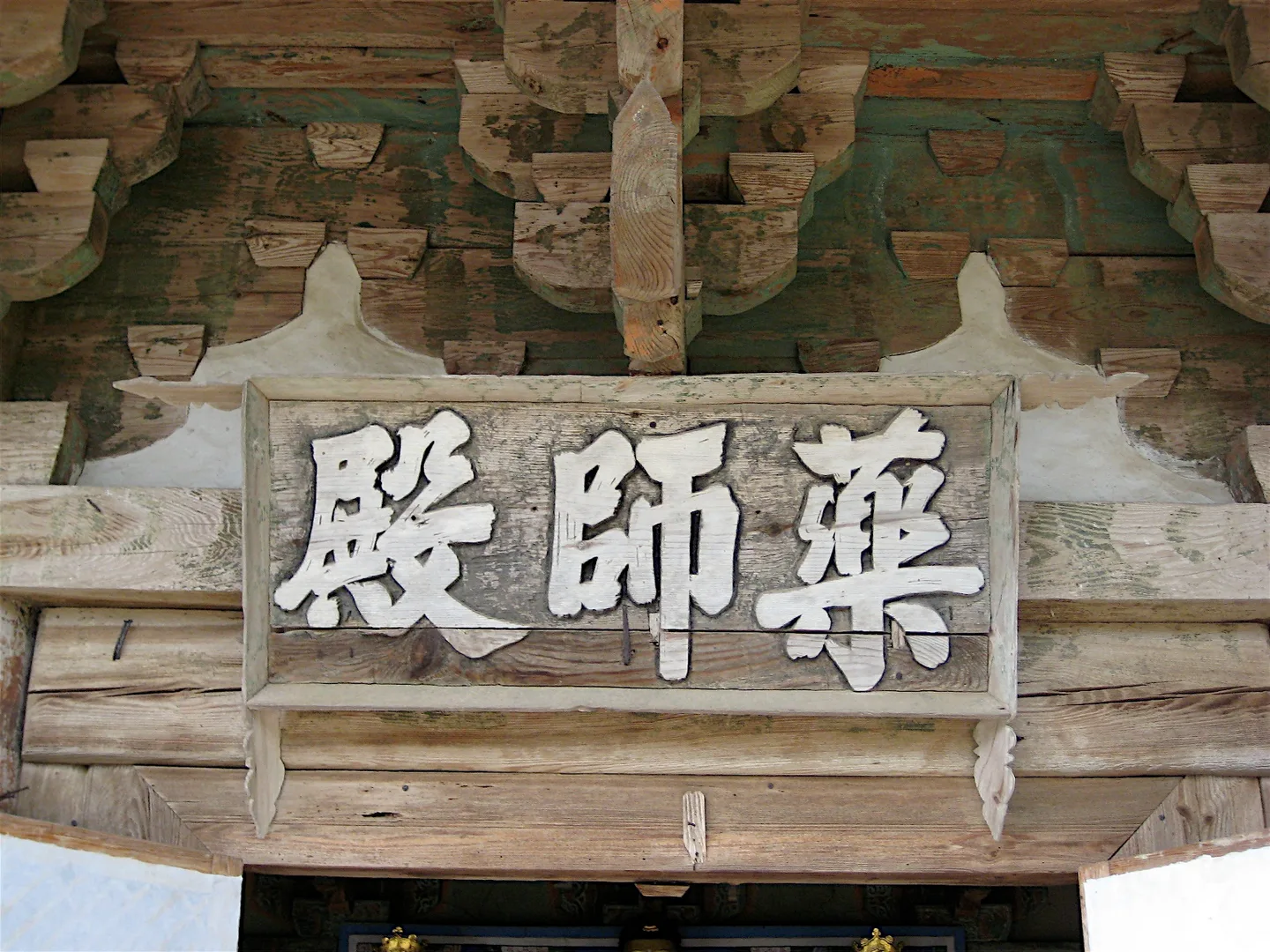
Modesty extends to headwear and accessories inside sacred halls. Visitors customarily remove wide-brimmed sun hats, caps, and sunglasses before bowing or stepping over raised timber thresholds. Carrying a lightweight scarf or folded cotton cardigan in your daypack allows you to cover exposed shoulders quickly if the day turns warm.
Traditional Hanbok Rental Around Historic Tumuli
Hiring traditional Korean hanbok has become a favoured way to wander among ancient royal burial mounds and wooden palace enclosures. Rental shops clustered near historic quarters supply colourful garments, undergarment petticoats, and hair ornaments for hire. Exploring the surrounding greenery feels memorable while dressed in these flowing robes.
Comfort beneath the silk or synthetic layers matters greatly during extended walks. Men typically wear loose trousers and jackets, while women wear voluminous high-waisted skirts held out by stiff hoop skirts. Wearing thin, moisture-wicking base layers underneath prevents the rental fabrics from scratching your skin or clinging uncomfortably.
Footwear deserves special attention when hiring period clothing. Rental outfits occasionally include matching cloth shoes, but these traditional slippers lack arch support across gravel tracks. Plain white trainers or dark walking shoes hidden beneath long hemlines offer dependable grip along uneven earthen paths around royal monuments.
Before you set out, study the cultural heritage across Gyeongju to coordinate your outfit with planned stops. Rental shops also offer small fabric pouches, but these rarely hold water bottles or heavy camera bodies. Carrying a compact cross-body bag beneath your outer robes keeps your essentials secure without snagging delicate embroidered sleeves.
Outdoor Layering and Trail Footwear for Historic Parks
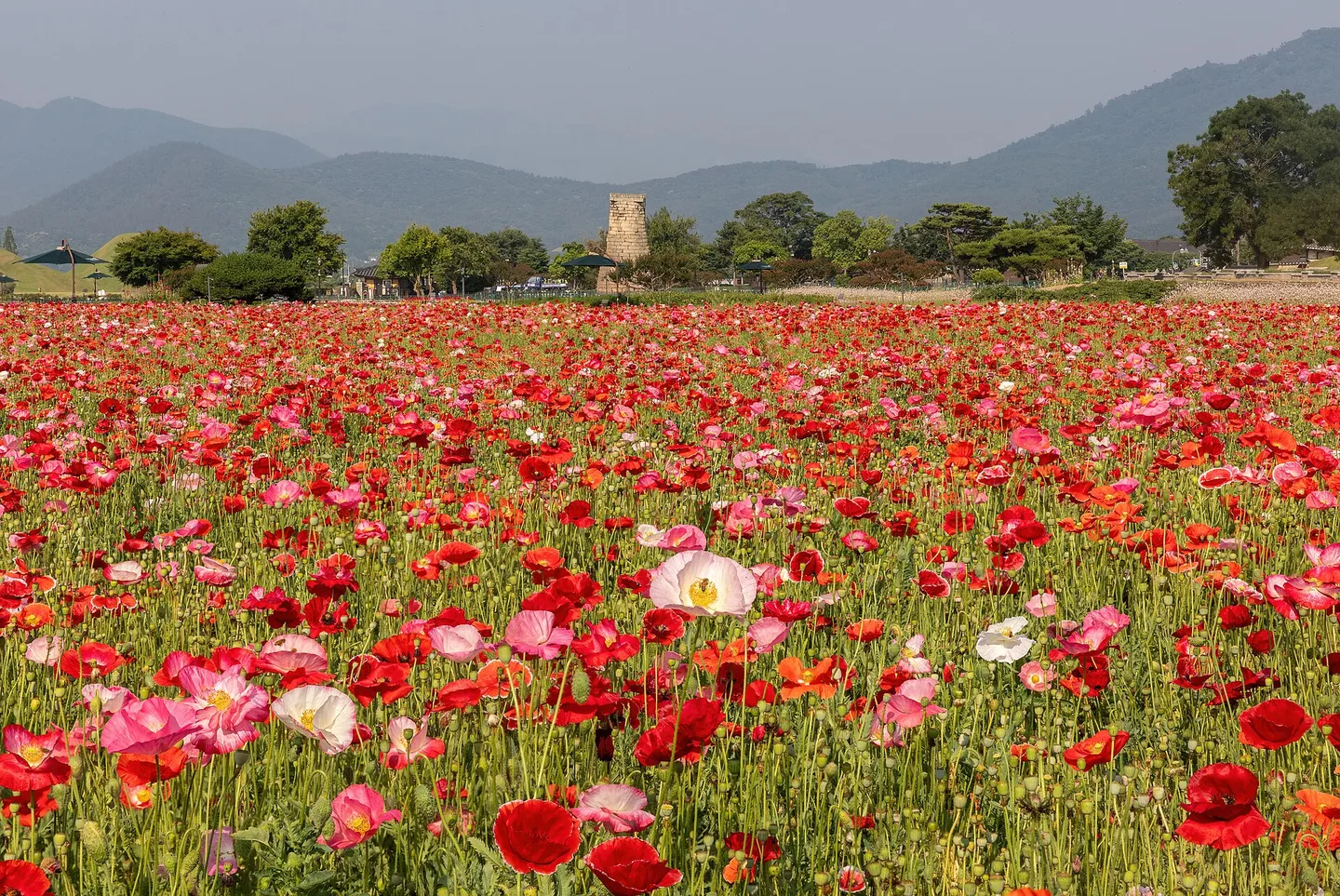
Historic sites in the Wolseong basin cover expansive outdoor grounds with little shade. Spring mornings often start crisp before daytime sunshine warms the flat valley paths. Dressing in adaptable layers, such as breathable cotton shirts paired with a windproof jacket, lets you adjust comfortably as you walk between ancient observatories and quiet gardens.
Footwear for these sprawling earthen sites must handle rough granite steps, packed clay, and coarse gravel pathways. Sturdy trail shoes or supportive running trainers protect ankles better than flat canvas deck shoes or fashion sandals. Cushioning prevents foot fatigue when spending long hours touring outdoor excavations and peaceful village lanes.
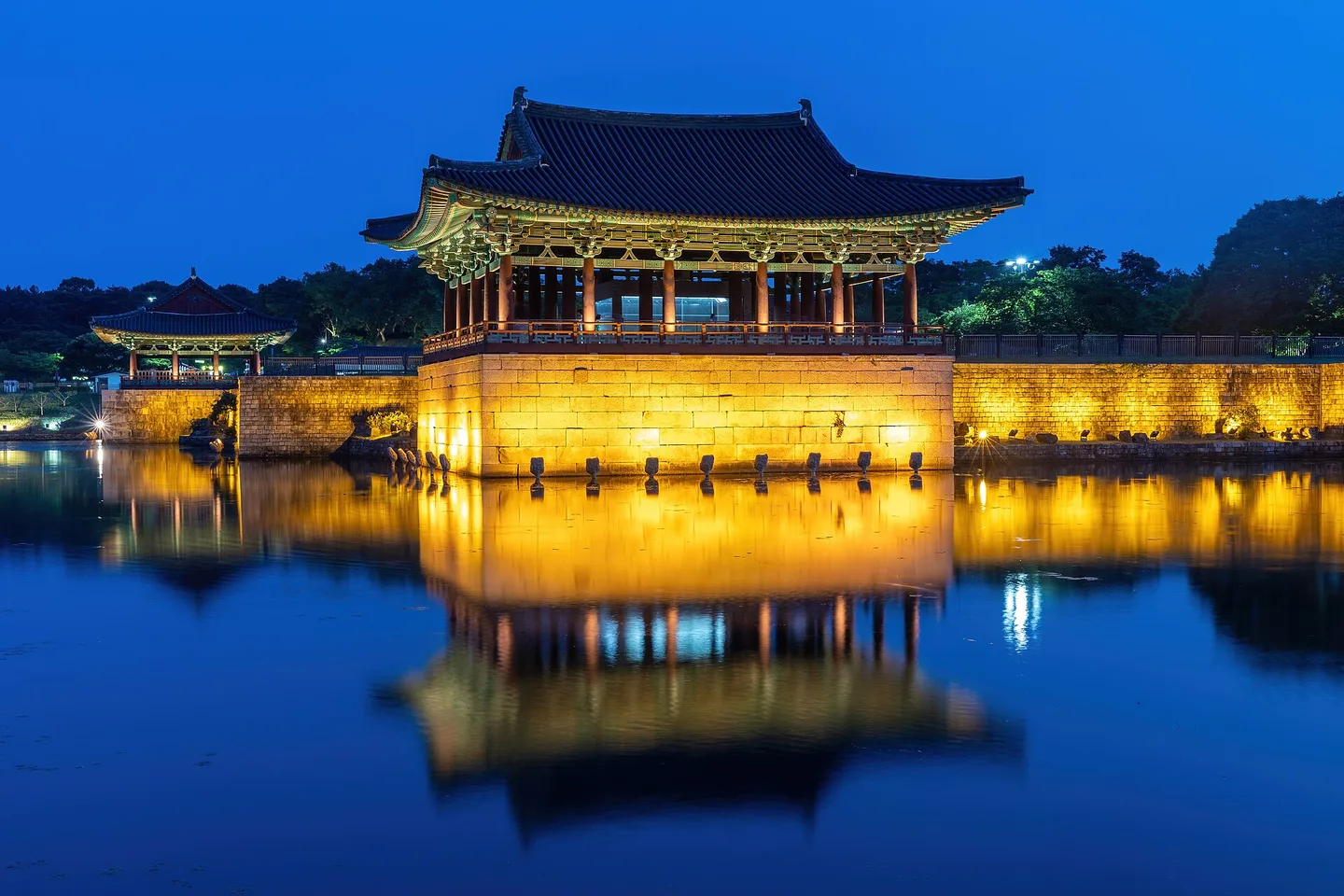
Evening excursions introduce distinct packing considerations, especially around illuminated water pavilions. Once the sun sinks below the mountain ridges, temperatures drop quickly, and cool breezes sweep across open ponds. Carrying an insulated fleece or compact down jacket keeps you warm during evening strolls. When planning transport, review the available transit options into Gyeongju before your arrival.
Seasonal Clothing Matrix for Historic Outings
Selecting the right garments depends on whether your itinerary leans toward hillside trails, sacred temple shrines, or relaxed village strolls. The table below outlines practical clothing combinations suited to standard outdoor activities across the district.
| Setting | Recommended Footwear | Primary Upper Layer | Essential Daypack Item |
|---|---|---|---|
| Temple Sanctuaries | Slip-on trainers or walking loafers | Covered shoulders and breathable shirts | Clean spare cotton socks |
| Tumuli Parks & Hanbok | Cushioned low-profile trainers | Breathable inner base layer | Lightweight cross-body pouch |
| Valley Trails & Ruins | Supportive trail running shoes | Windproof jacket over thermal mid-layer | Packable rain shell |
| Night Palace Grounds | Insulated walking boots or thick trainers | Fleece sweater or packable down coat | Warm compact scarf |
Checking local forecasts before leaving your guesthouse guarantees comfortable exploring throughout the region. Summer visits demand lightweight umbrellas that double as sunshades, while winter mornings require thermal leggings under walking trousers. Thoughtful clothing choices keep you focused on ancient wonders rather than physical discomfort.
Weather by month
Gyeongju is warmest in August, with average highs around 31°C, and coldest in January, when nights drop to about -3°C. September is the wettest month by rainfall (241 mm), with rain on about 13 days. For mild weather with fewer rainy days, aim for May and October.
| Month | Low | Range | High | Rain | Rainy days |
|---|---|---|---|---|---|
| Jan | -3°C | 6°C | 33 mm | 4 d | |
| Feb | -1°C | 8°C | 34 mm | 5 d | |
| Mar | 3°C | 14°C | 70 mm | 7 d | |
| Apr | 8°C | 19°C | 86 mm | 8 d | |
| May | 13°C | 25°C | 81 mm | 7 d | |
| Jun | 18°C | 28°C | 126 mm | 11 d | |
| Jul | 22°C | 30°C | 226 mm | 17 d | |
| Aug | 23°C | 31°C | 202 mm | 14 d | |
| Sep | 19°C | 25°C | 241 mm | 13 d | |
| Oct | 12°C | 20°C | 99 mm | 7 d | |
| Nov | 5°C | 15°C | 44 mm | 5 d | |
| Dec | -2°C | 7°C | 32 mm | 4 d |
Averages of daily values from 2015 to 2024. Rainy days are days with at least 1 mm of rain. Source: Open-Meteo · Compare destinations by month.
Official prices and opening hours
- Gyeongju National MuseumOfficial site ↗
- Donggung Palace & Wolji Pond / Daereungwon TombsOfficial site ↗
Where it is
- 1Gyeongju
- Daegu International Airport (TAE) · about 50 km from Gyeongju in a straight line
- Directions in Google Maps
Stations and taxi ranks: OpenStreetMap. Airports: OurAirports. Distances are in a straight line.
Traveller tips
Real advice from people who have been to Gyeongju. Every tip is read by our team before it goes live.
No tips yet. Been here? Yours could be the first.
Thank you! Your tip will appear here after a quick review.
More in Gyeongju
Continue exploring Gyeongju with related neighbourhood, food, and planning guides
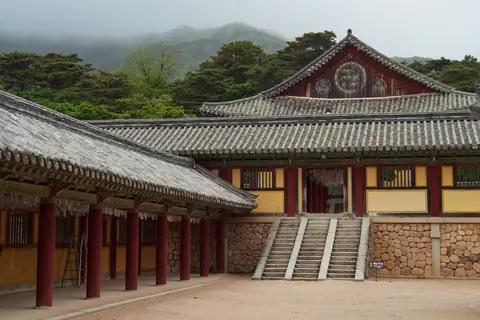
Visiting Bulguksa Temple and Seokguram Grotto in Gyeongju
Gyeongju, South Korea
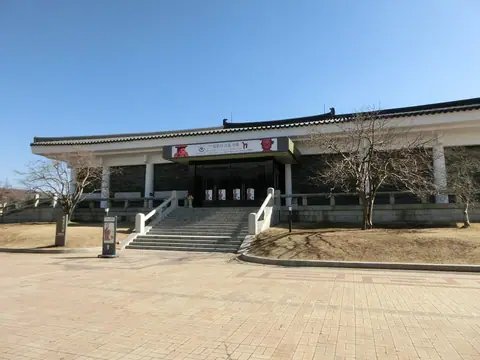
Gyeongju National Museum: Gold Crowns, Bronze Bells and Royal Relics
Gyeongju, South Korea
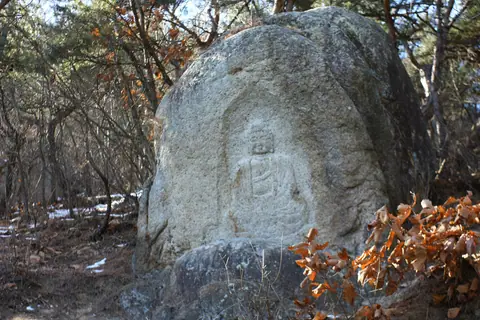
Mount Namsan Hiking Guide: Samneung Trail, Rock Buddhas & Silla Pagodas
Gyeongju, South Korea
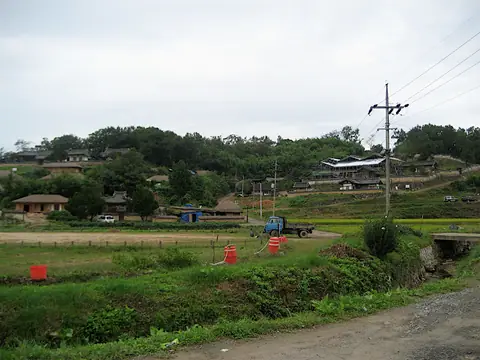
Yangdong Folk Village and Gyochon Traditional Village Exploration
Gyeongju, South Korea
