Photo: Abasaa · CC BY-SA 4.0
Gyeongju National Museum: Gold Crowns, Bronze Bells and Royal Relics
Silla gold crowns, gleaming bronze bells, and royal palace relics fill the peaceful exhibition halls of Gyeongju National Museum.
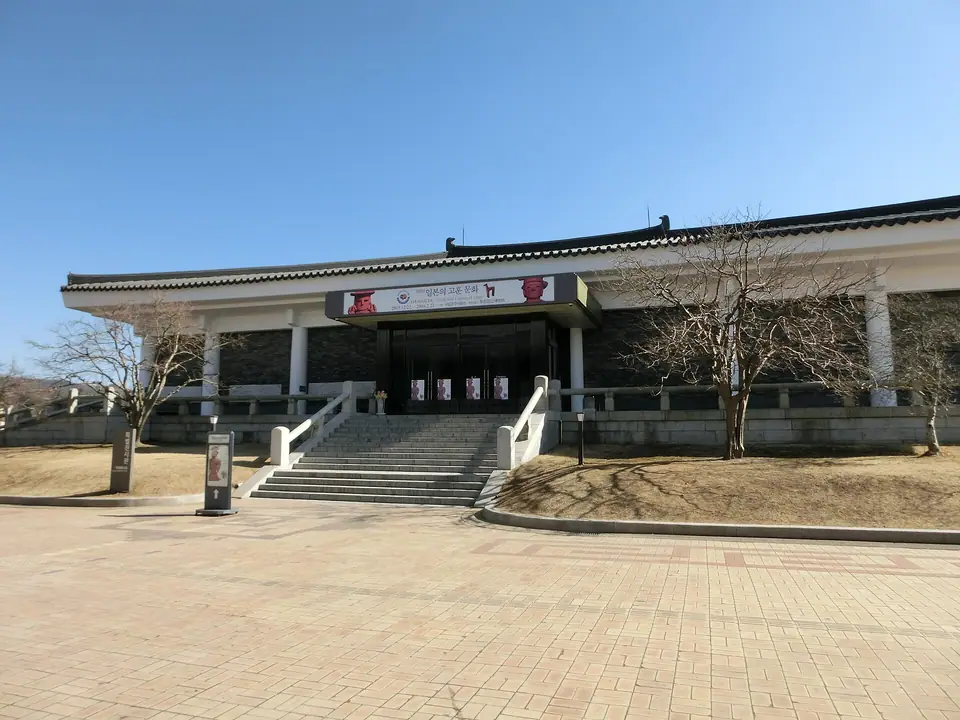
Standing at the southern threshold of the historic basin, the museum complex preserves the material culture of the ancient kingdom that ruled southeast Korea. We begin inside the Silla History Gallery, where dim ambient rooms protect delicate funerary regalia lifted directly from massive earthen tumuli. Delicate gold crowns stand out with upright tree-branch branches, antler forms, and curved jade ornaments hanging from hammered wires. These golden headdresses conveyed divine authority and stood as central symbols of rank within early royal burial rites.
Surrounding cases display heavy gold belts fitted with repoussé plates, cast bronze vessels, and glass drinking cups imported along ancient maritime routes. Subtle spotlighting catches the edges of tiny gold sequins stitched onto royal garments centuries ago, revealing remarkable goldsmithing techniques. Walking through these chronological halls allows us to trace how early regional leadership consolidated power into a sophisticated centralised aristocracy. For travellers planning regional circuits, combining these display halls with active sightseeing routes across Gyeongju brings the excavated artefacts into immediate physical perspective.
The gallery also presents pottery vessels shaped like mounted warriors and mythical creatures, displaying the playful imagination of early artisans. Curved commas of green jade gleam against dark velvet backings, testifying to vast trading networks that reached across the Korean peninsula and beyond. Informational panels explain the gradual transition from timber-chamber earthen mounds to stone-lined tombs as religious beliefs shifted toward continental traditions. Each display case presents detailed cross-sections of the royal burial mounds, illustrating how archaeologists methodically recovered these intact ceremonial goods.
The Resonant Presence of the Divine Bell of King Seongdeok
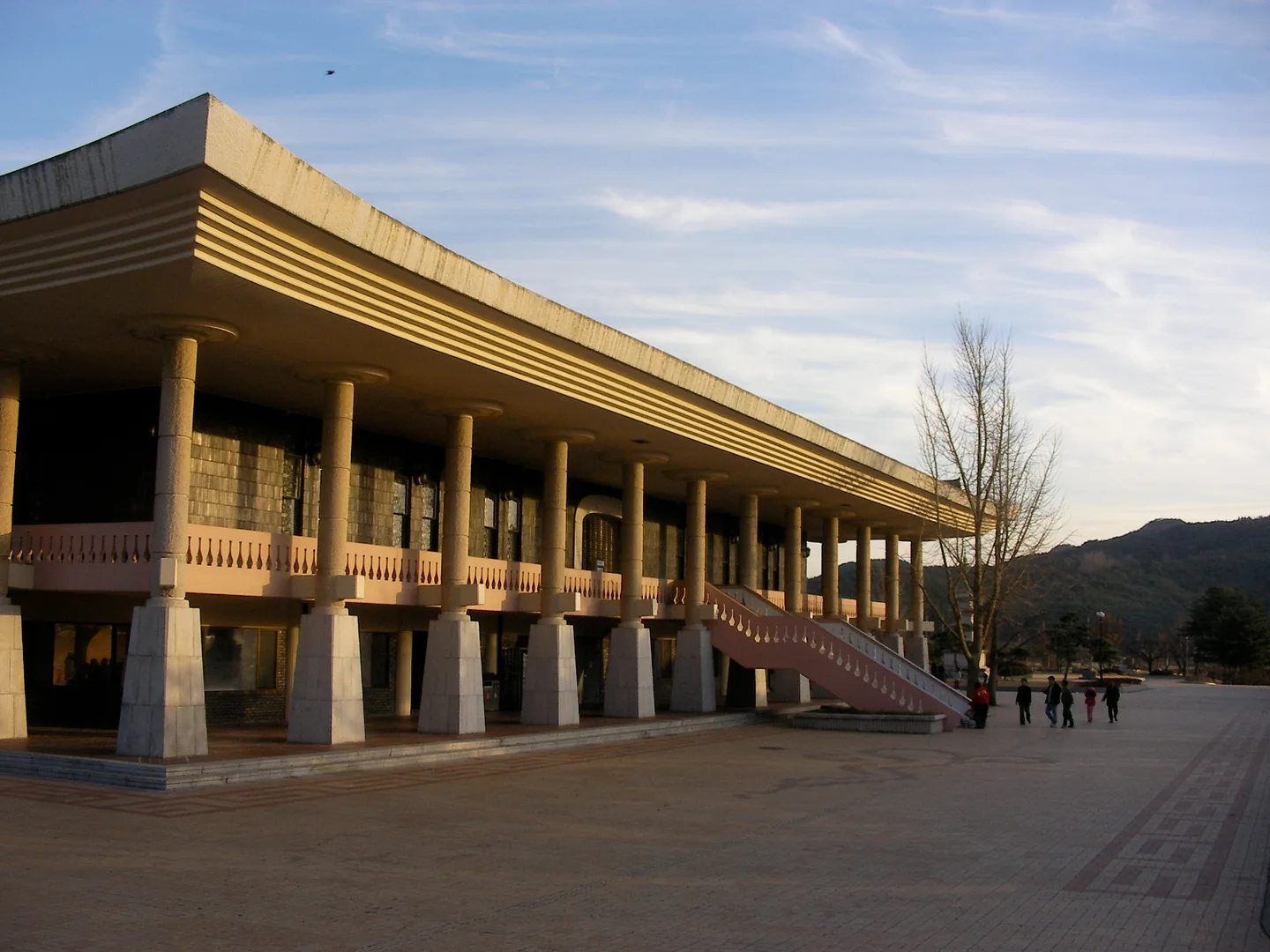
Stepping out into the paved courtyard brings us to the outdoor pavilion sheltering the monumental bronze bell, known locally as the Emille Bell. Cast during the eighth century, this colossal bronze instrument ranks among the largest surviving temple bells across East Asia. Its exterior surface features delicate relief carvings depicting kneeling heavenly figures holding incense burners between billowing ribbons and lotus blossoms. The bell hangs above a hollow acoustic pit designed to deepen resonance and project pure low tones across the flat valley floor.
Recorded chime recordings play at regular intervals across the courtyard, letting visitors absorb the sustained tone that once signalled monastic assemblies. We study the striking relief work of the two lotus-shaped percussion pads positioned along the lower waist of the bronze body. Notice also the dragon-headed crown loop at the top, hollowed out to guide sound waves outward through the hollow pipe. The surrounding stone courtyard provides shaded benches under pine trees, offering space to reflect on early Buddhist metallurgy before continuing onward.
Standing beneath the open wooden roof of the bell pavilion, visitors can admire the sheer scale of early bronze casting technology. Thousands of kilograms of molten bronze were poured in a single continuous casting session to ensure acoustic purity without structural fractures. The gentle curve of the flared rim prevents harsh upper overtones, allowing low resonant frequencies to vibrate for several minutes. Generations of local storytellers preserved poetic legends about this bell, deepening its cultural connection to the historic capital valley.
Recovered Treasures Across Wolji Hall and the Art Gallery
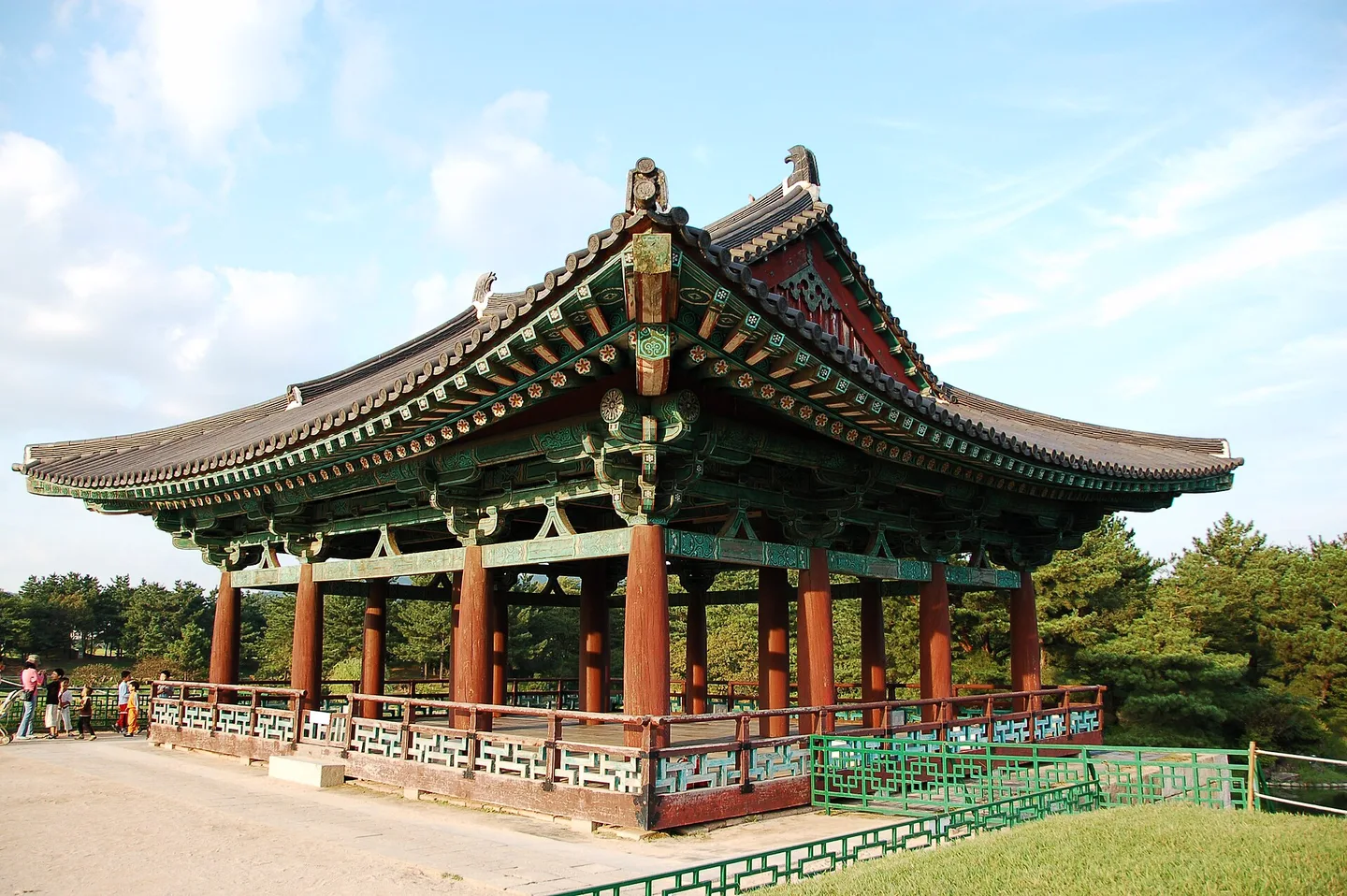
Moving across the gardens, Wolji Hall displays thousands of everyday items salvaged from the bed of the royal pleasure lake. Unlike tombs that held strictly ritual goods, the silt of the pond preserved domestic utensils, architectural roof tiles, and playful drinking dice. Gilt-bronze scissors, ornate padlocks, and wooden slips inscribed with palace inventories give rare glimpses into secular banquets and court administration. We observe how unified dynastic culture celebrated garden architecture, boating parties, and artistic refinement through meticulously preserved fragments.
- Gold crowns and royal belts showcase early monarchical prestige inside the Silla History Gallery.
- Intricate stone carvings and standing stone Buddhas define the sculpture collection of the Silla Art Gallery.
- Palace boat timbers and gilt-bronze banquet fixtures populate the light-filled cases of Wolji Hall.
- Massive pagodas and stone lanterns stand amidst open courtyards across the landscaped museum grounds.
- Preserved wooden calligraphy tablets and architectural ridge tiles demonstrate sophisticated royal administration techniques.
Next door in the Silla Art Gallery, stone and metal Buddhist imagery reveals the spiritual architecture of the golden age. Seated Buddhas carved from coarse local granite exhibit serene expressions and soft drapery folds inspired by international Buddhist trade networks. Gilt-bronze devotional statuettes capture meditative poses with elongated fingers and harmonious body proportions. Standing among these carvings helps us understand how monastic patronage helped stabilise and legitimise dynastic rule across the southern peninsula.
Detailed wall text follows the arrival of Mahayana Buddhist philosophy along continental trade corridors, demonstrating its influence on local sculptural styles. Master sculptors softened rigid geometric lines into graceful bodily postures, creating serene figures designed for private contemplation inside mountain shrines. Several restored stone halos mounted along gallery walls reveal delicate flame motifs and tiny meditative avatars carved around central divine portraits. These sacred masterpieces illustrate the flourishing artistic patronage that transformed the ancient capital into a celebrated regional centre of Buddhist devotion.
Navigating Museum Grounds and Neighbourhood Itineraries
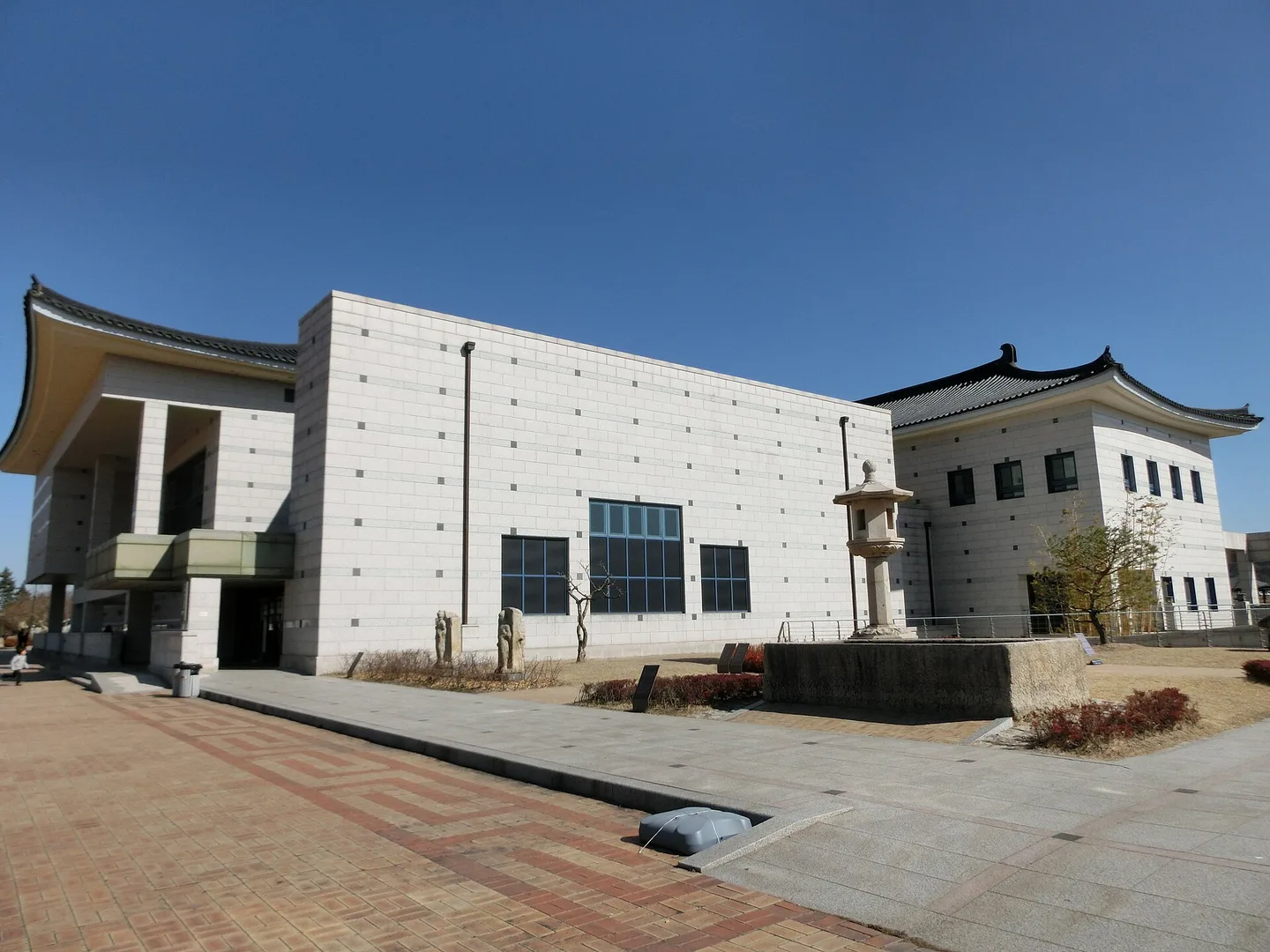
The museum layout spreads across several freestanding pavilions, connected by broad flagstone walkways and native Korean pine groves. We suggest beginning at the Silla History Gallery, walking past the open bell pavilion, and finishing inside Wolji Hall. Outdoor grounds feature large stone lanterns, weathered relief pagodas, and restored stupas rescued from remote mountain valleys. This combination of indoor exhibition galleries and breezy outdoor gardens prevents museum fatigue even during lengthy afternoon visits.
Reaching the complex is straightforward using regional public transport links, with local buses stopping directly in front of the main gate. Many travellers hire town bicycles to peddle along the flat riverside pathways connecting royal tombs to nearby royal garden ruins. Reviewing local bus numbers and bike paths via transit routes around Gyeongju helps coordinate arrival smoothly without unnecessary transfers. Pair this museum morning with nearby walking trails toward the ancient fortress slopes to experience complete immersion in early Korean civilisation.
Official prices and opening hours
- Gyeongju National MuseumOfficial site ↗
- Donggung Palace & Wolji Pond / Daereungwon TombsOfficial site ↗
Where it is
- 1Gyeongju National Museum
- Daegu International Airport (TAE) · about 52 km from here in a straight line
- Directions in Google Maps
Stations and taxi ranks: OpenStreetMap. Airports: OurAirports. Distances are in a straight line.
Traveller tips
Real advice from people who have been to Gyeongju. Every tip is read by our team before it goes live.
No tips yet. Been here? Yours could be the first.
Thank you! Your tip will appear here after a quick review.
More in Gyeongju
Continue exploring Gyeongju with related neighbourhood, food, and planning guides
Where to Stay in Gyeongju: Hwangnidan-gil Hanoks vs Bomun Lake Resorts
Gyeongju, South Korea
Gyeongju in Three Days: Ancient Tombs, Forest Shrines, and Coastal Valleys
Gyeongju, South Korea
Daereungwon Royal Tombs, Cheomseongdae and Hwangnidan-gil Walking Guide
Gyeongju, South Korea
Donggung Palace, Wolji Pond and Woljeonggyo Bridge Night Walking Route
Gyeongju, South Korea
