Photo: Dae Wook Kim · CC BY 3.0
Silla Tombs, Forest Sanctuaries, and Illuminated Waters in Gyeongju
Gyeongju preserves the earthen burial mounds, mountain sanctuaries, and illuminated water gardens of the ancient Silla kingdom across a walkable river basin.
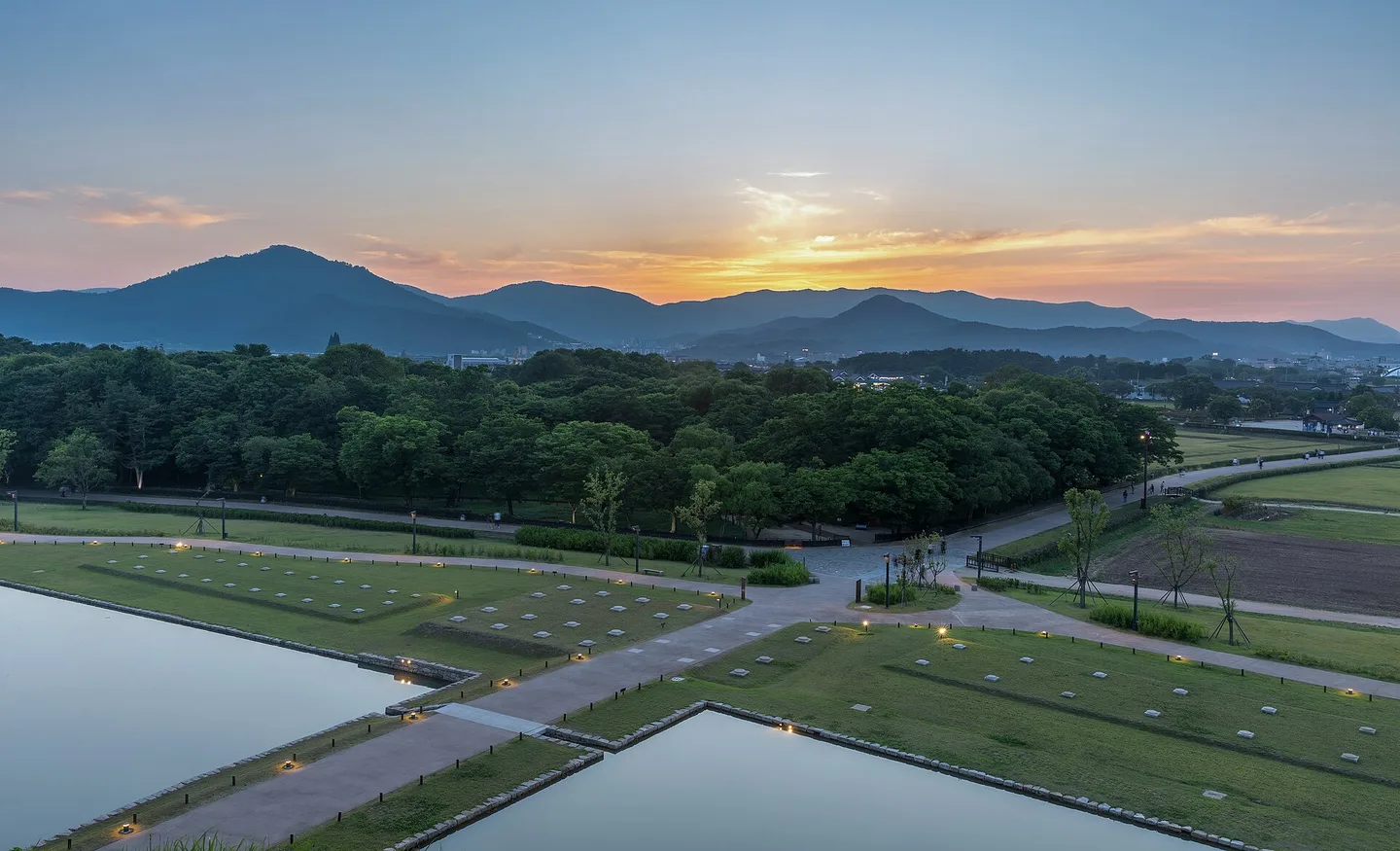
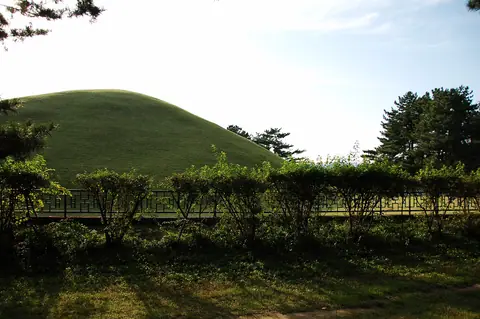
The ancient capital of the Silla kingdom unfolds as an open landscape where grassy burial mounds rise beside village streets. Walking through the central basin feels distinct from any other Korean city. Urban height restrictions keep modern concrete blocks away from the royal horizon. We recommend starting your exploration at the Daereungwon burial complex. Here, broad footpaths weave between dozens of domed earthworks surrounded by bamboo groves and pine stands. The park paths remain flat and paved, making the grounds effortless to navigate on foot. Visitors can study the ancient stone and timber chamber construction beneath the turf.
Stepping out of the main gates leads directly into the historic Wolseong district. Trails cross open fields towards the ancient Cheomseongdae stone observatory. Visiting during early morning allows you to admire the gentle contours of the mounds before midday crowds arrive from the surrounding coach stops. You can cross south along the stream towards the traditional rooflines of the neighbouring folk village, picking up local street snacks along the way. Pack comfortable walking shoes according to sensible seasonal clothing choices, as you will cover several kilometres over packed dirt and crushed stone paths.
Mountain Terraces and Timber Joinery at Bulguksa
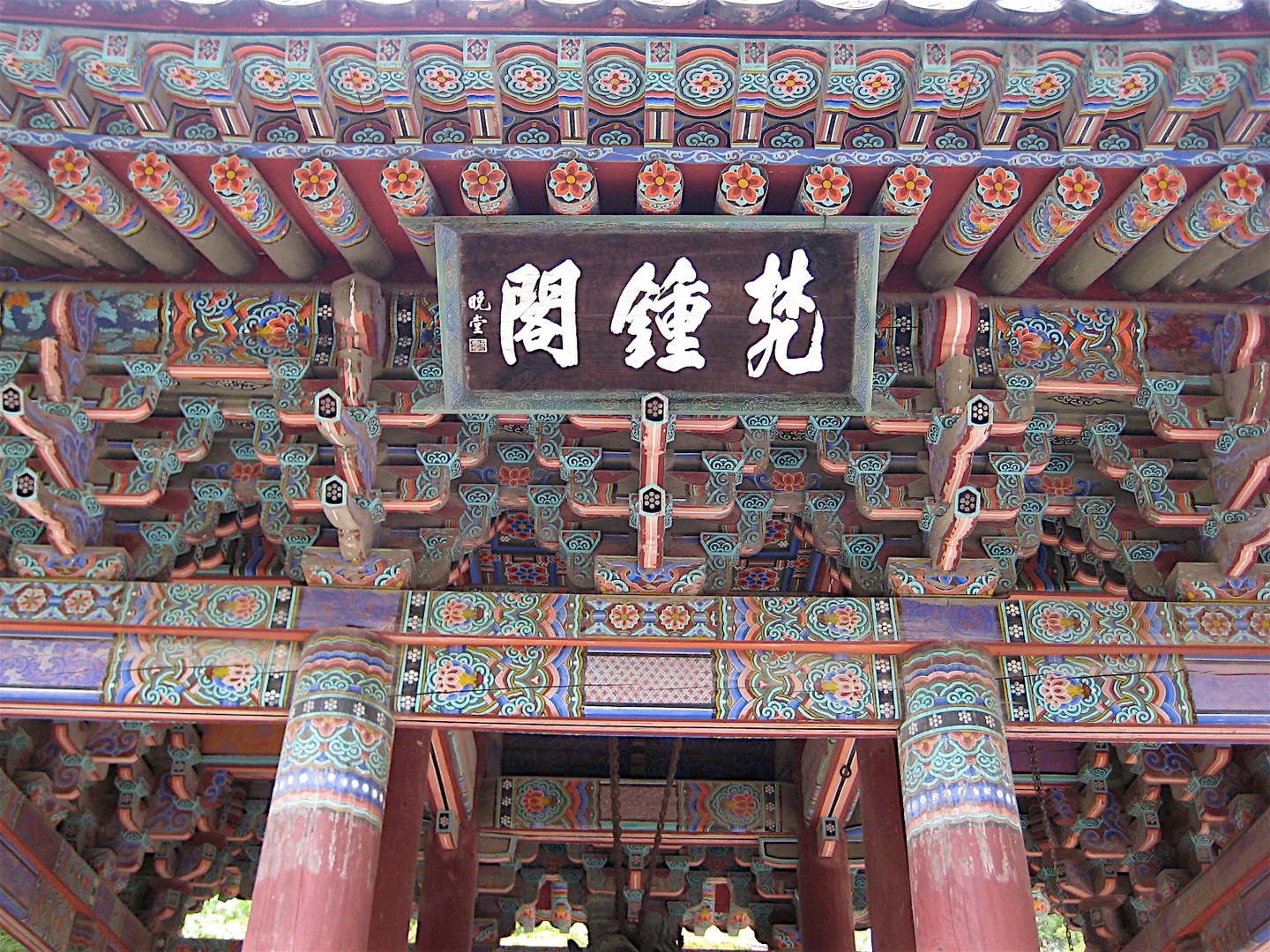
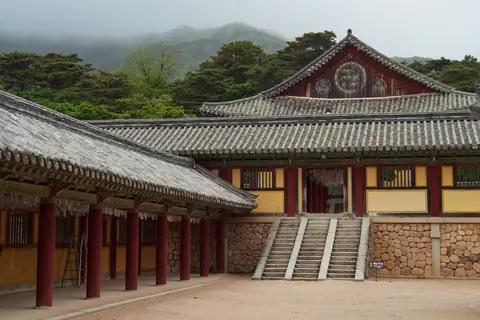
Rising along the wooded slopes of Mount Tohamsan east of the city centre, Bulguksa represents the spiritual height of Silla Buddhist craftsmanship. The temple complex sits on massive stone foundations built from interlocking granite blocks that absorb earth tremors through precise dry-stone masonry. Stone staircases lead up to elevated timber courtyards adorned with intricate dancheong mineral paintwork in rich jade, rust, and cobalt tones. We suggest arriving early in the morning to hear the deep temple bell echo across the cedar canopy before group tours disembark.
City buses link the central railway stop directly with the mountain park entrance, winding past peach orchards and rural settlements. The uphill walk from the lower bus terminal passes through shaded forest switchbacks where stream water trickles over granite boulders. Inside the main temple terrace, twin stone pagodas stand in stark geometric balance against the mountainous ridge behind the main prayer hall. The peaceful mountain air offers a refreshing contrast to the sunlit, open plains of the downtown archaeological zone.
Historic Valley Sightseeing Comparison
Navigating the sights of Gyeongju works best when you divide the valley into distinct geographic zones to minimise unnecessary travel back and forth. The central archaeological corridor remains entirely flat, whereas the eastern mountain spurs require local bus connections or dedicated cycling legs. Use this comparison of core areas to pace your days across the valley.
| District Zone | Primary Highlights | Walking Terrain | Best Time to Explore |
|---|---|---|---|
| Daereungwon & Wolseong | Royal tumuli mounds, Cheomseongdae, forest pathways | Flat paved paths and level lawns | Early morning or late afternoon |
| Tohamsan Mountain | Bulguksa stone terraces, mountain forest ridges | Incline pathways, stone stairs, uneven trails | Clear mornings before midday |
| Woljeonggyo & Wolji | Reconstructed covered bridge, royal palace pond | Flagstone riverbanks and waterside promenades | Dusk through fully illuminated night |
| National Museum Grounds | Silla golden crowns, temple bells, stone steles | Air-conditioned galleries and courtyard flagstones | Midday shelter from rain or summer heat |
After surveying the outdoor sites, the Gyeongju National Museum provides essential context for the treasures recovered from inside the excavated tumuli mounds. The exhibition galleries showcase hammered gold crowns, glass vessels imported along ancient maritime routes, and the legendary bronze bell of King Seongdeok. Seeing these fragile ornaments helps you visualise the court ceremonies that once took place among the grassy foundations across the town. Consult practical Gyeongju travel pointers to map out your transit connections between the museum quarter and outer rural sights.
Evening Reflections along Woljeonggyo and Wolji Pond
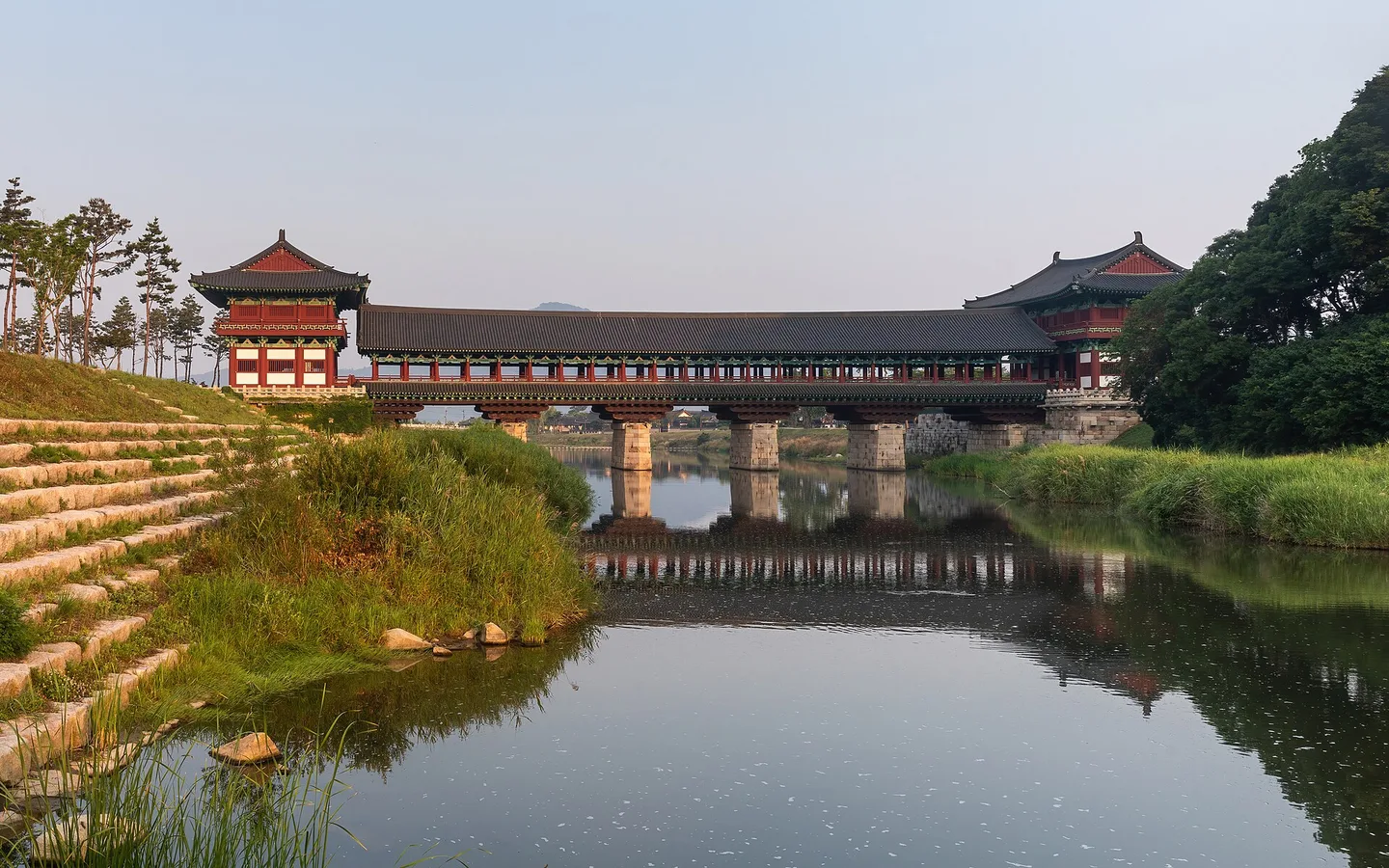
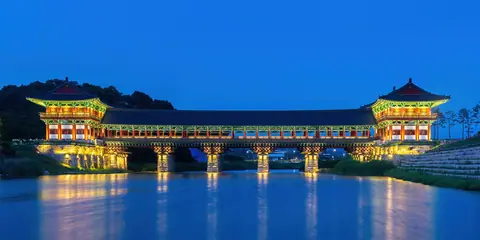
As daylight fades over the western ridges, the focus of the city shifts towards its water monuments and illuminated pavilions. Begin your evening walk along the banks of the Namcheon stream, where the timber colonnades of Woljeonggyo Bridge light up in amber hues against the flowing current. Stepping across the stone bridge allows you to admire the massive red pillars and coffered ceilings reflected in the still shallows below. The riverside path remains peaceful and cool after sunset, offering quiet viewpoints away from vehicular roads.
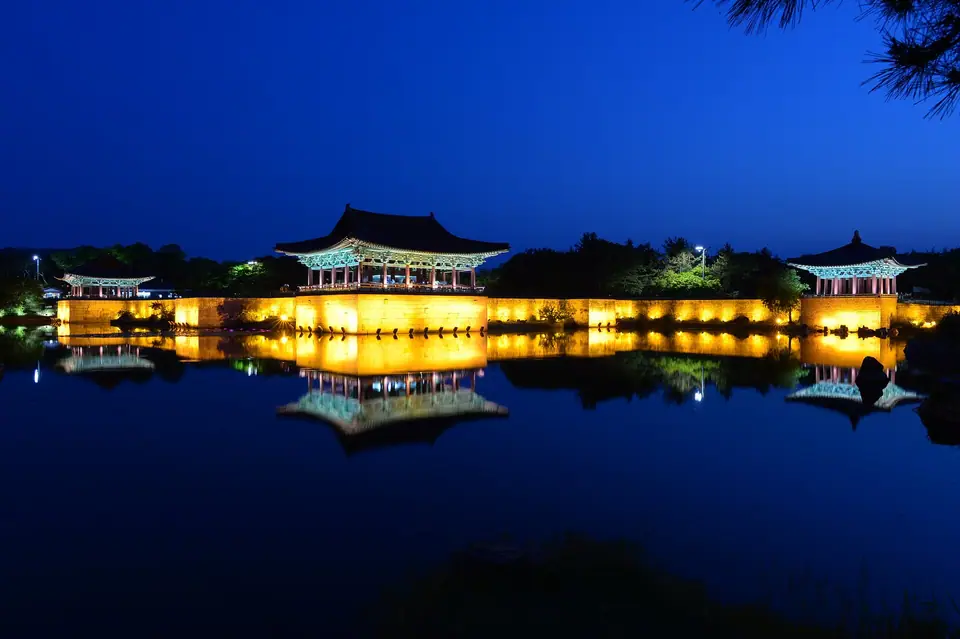
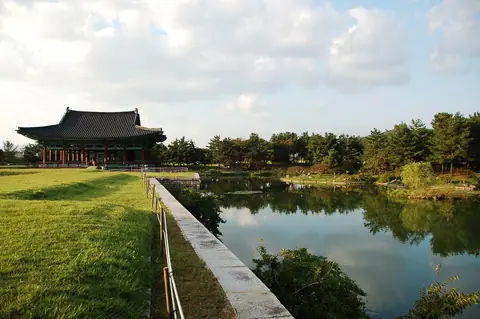
Continue east on foot towards Donggung Palace and Wolji Pond, where the royal Silla banqueting grounds undergo a dramatic transformation under night floodlights. The curved shoreline was deliberately engineered with hidden bays so that guests could never view the entire perimeter from a single vantage point. Floodlights cast mirror-like reflections of the wooden pavilions onto the dark surface, framed by overhanging willows and pine branches. A gravel circuit path loops around the water, offering changing perspectives of the architectural pavilions at every turn.
Official prices and opening hours
- Gyeongju National MuseumOfficial site ↗
- Donggung Palace & Wolji Pond / Daereungwon TombsOfficial site ↗
Where it is
- 1Gyeongju
- Daegu International Airport (TAE) · about 50 km from Gyeongju in a straight line
- Directions in Google Maps
Stations and taxi ranks: OpenStreetMap. Airports: OurAirports. Distances are in a straight line.
Traveller tips
Real advice from people who have been to Gyeongju. Every tip is read by our team before it goes live.
No tips yet. Been here? Yours could be the first.
Thank you! Your tip will appear here after a quick review.
More in Gyeongju
Continue exploring Gyeongju with related neighbourhood, food, and planning guides
Gyeongju in Three Days: Ancient Tombs, Forest Shrines, and Coastal Valleys
Gyeongju, South Korea
Daereungwon Royal Tombs, Cheomseongdae and Hwangnidan-gil Walking Guide
Gyeongju, South Korea
Donggung Palace, Wolji Pond and Woljeonggyo Bridge Night Walking Route
Gyeongju, South Korea
Visiting Bulguksa Temple and Seokguram Grotto in Gyeongju
Gyeongju, South Korea
