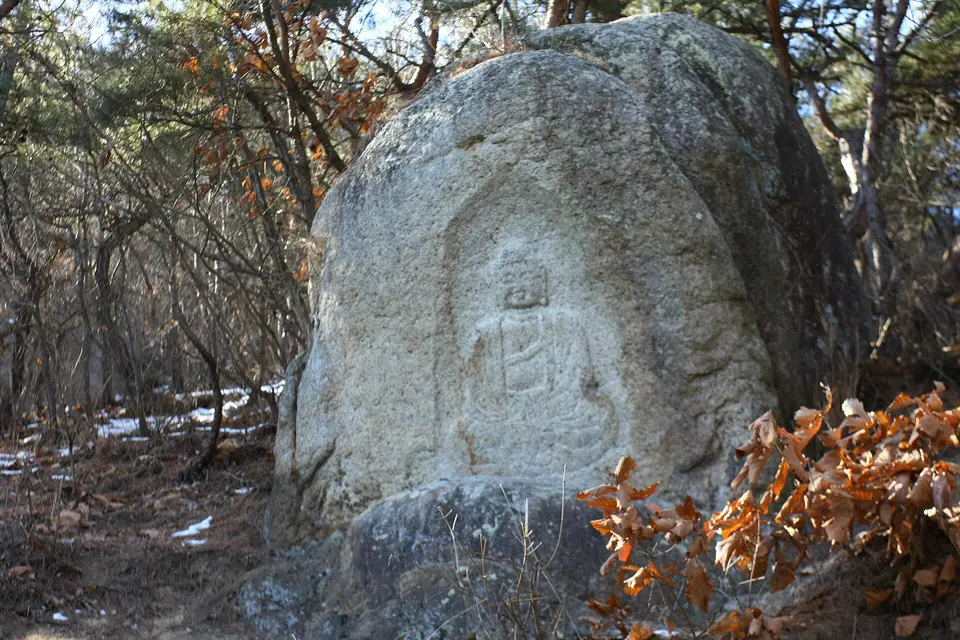
Photo: Dalgial · CC BY-SA 3.0
Mount Namsan Hiking Guide: Samneung Trail, Rock Buddhas & Silla Pagodas
Mount Namsan rises south of central Gyeongju, sheltering forested valleys rich in ancient granite Buddhas, ruined sanctuaries, and stone pagodas.
Mount Namsan serves as an open-air sanctuary where ancient Korean art blends into the natural mountain forest. Pine trees twist over mossy boulders along the western slopes, shading historic walking paths that date back over a thousand years. Hikers begin beneath towering pines near royal burial mounds before climbing stony creek beds flanked by carved rock faces. The entire national park mountain functions as an outdoor museum where visitors encounter centuries of sacred devotional craftsmanship in quiet glades.
The Samneung trail stands as the most popular walking route across the mountain. Walking uphill, travellers encounter seated Bodhisattvas, cliff-face line reliefs, and weathered figures resting serenely on natural stone pedestals. Many carvings show smoothed features from centuries of wind and rain, yet the subtle contours of drapery and calm facial expressions remain vivid. Taking quiet breaks beneath the pine branches allows one to appreciate how medieval sculptors adapted their sacred art to the contours of natural rock.
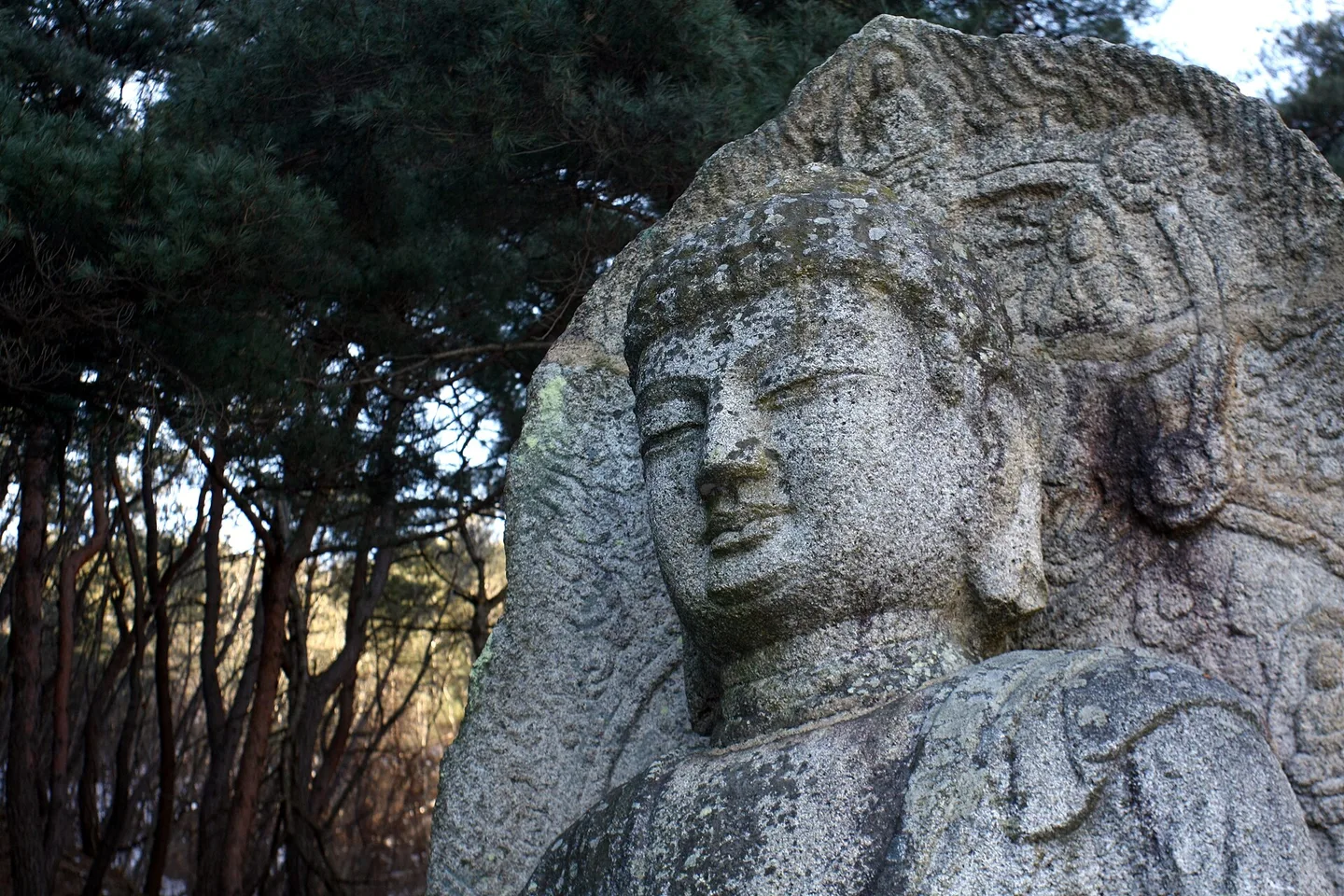
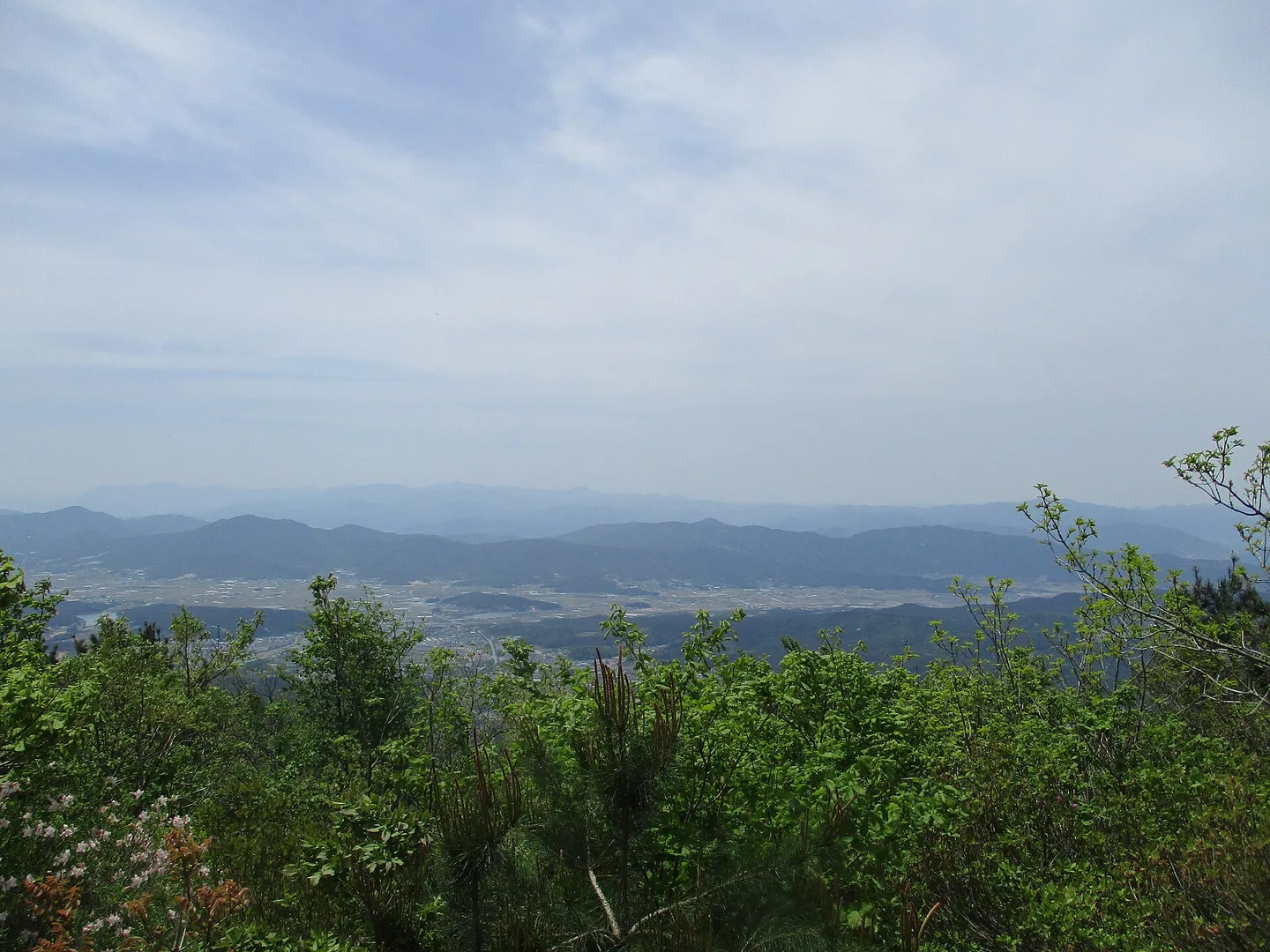
Higher up the valley, the terrain steepens into weathered granite outcrops and narrow earthen steps. Sturdy hiking boots with dependable grip prove essential here, as smooth rock surfaces can turn slippery after light drizzle. Wooden handrails and built-in steps ease the ascent in exposed areas, leading walkers up toward wide panoramic overlooks. From these elevated viewpoints, hikers gain sweeping perspectives across the agricultural plains that once formed the historic capital of Silla.
Granite Carvings Along the Samneung Valley Path
Climbing through the upper sections of Samneung valley brings hikers to several freestanding stone Buddhas and carved cliff chambers. One carved figure sits tucked within a granite alcove, looking out through the pine needles across the western horizon. Stone lotuses decorate the pedestal bases, showing how stonemasons blended natural bedrock with delicate decorative patterns. Hikers who pause along these quiet plateaus find tranquil spots away from busier historic monuments in the lowlands.
Clear directional signage lines the path, marking side detours to tucked-away hermitages and carved cliffs. Walkers can easily connect their mountain trek with a complete Gyeongju travel guide to plan the rest of their stay. The climb requires steady pacing, especially where granite boulders demand high steps over exposed tree roots. Carrying fresh water and light snacks helps maintain energy levels during the continuous ascent.
Navigating Mountain Ridges, Lookout Rocks, and Weather Variations
Reaching the upper ridge line rewards walkers with cool mountain breezes and dramatic views over surrounding valleys. Exposed granite ridges can experience sudden wind shifts and temperature drops compared to the sheltered forest below. Packing a windproof outer layer helps maintain comfort when stopping to admire three-storey stone pagodas standing sentinel over the peaks. These pagodas were carefully positioned to be visible from the plains below as protective spiritual beacons.
Trail markers near the summits point down into alternative valleys, allowing hikers to design circular loops or traverse across to eastern slopes. Combining this scenic ridge walk with other Gyeongju top attractions and historical sites enriches any walking tour. Descending via eastern paths leads down towards calmer ravines where bamboo groves and mountain streams replace open granite rockfaces.
Key Trail Sections and Historical Highlights
Mount Namsan features multiple distinct valleys and ridges, each offering unique stone carvings and walking conditions. The table below outlines the primary walking legs along the mountain paths.
| Trail Section | Primary Terrain | Historic Sights |
|---|---|---|
| Samneung Forest Base | Gentle pine forest dirt track | Royal earth tumuli and shaded resting clearings |
| Mid-Valley Samneung | Stony steps and natural granite rocks | Rock-carved seated Buddhas and cliff drapery reliefs |
| Upper Summit Ridge | Exposed granite paths and stone crests | Three-storey stone pagodas and wide valley overlooks |
| Yongjang Valley Descent | Stream crossings and forested ravine steps | Temple ruins, stone platforms, and quiet woodlands |
Transit Access, Connecting Valleys, and Practical Trail Etiquette
Local city buses run frequently from the central bus terminal and railway station directly to the western trailheads. Riders disembarking at the Samneung bus stop will find route maps, public restrooms, and clear trail markers at the park entrance. Early morning departures allow you to tackle the main climbing sections before midday heat builds across exposed granite slopes.
Because Mount Namsan is an active cultural landscape and protected national park, strict conservation rules apply throughout the mountain. Hikers must stay strictly on marked paths to prevent erosion around ancient stone relics and fragile tree roots. Rubbish must be carried out in personal daypacks, and touching or rubbing the granite carvings is strictly prohibited to preserve these delicate antiquities. Respectful exploration helps these peaceful mountain sanctuaries remain intact for future generations.
Official prices and opening hours
- Gyeongju National MuseumOfficial site ↗
- Donggung Palace & Wolji Pond / Daereungwon TombsOfficial site ↗
Where it is
- 1Mount Namsan Hiking
- Daegu International Airport (TAE) · about 53 km from here in a straight line
- Directions in Google Maps
Stations and taxi ranks: OpenStreetMap. Airports: OurAirports. Distances are in a straight line.
Traveller tips
Real advice from people who have been to Gyeongju. Every tip is read by our team before it goes live.
No tips yet. Been here? Yours could be the first.
Thank you! Your tip will appear here after a quick review.
More in Gyeongju
Continue exploring Gyeongju with related neighbourhood, food, and planning guides
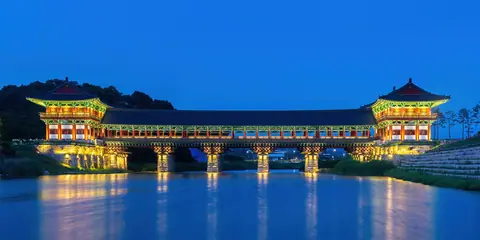
Gyeongju in Three Days: Ancient Tombs, Forest Shrines, and Coastal Valleys
Gyeongju, South Korea
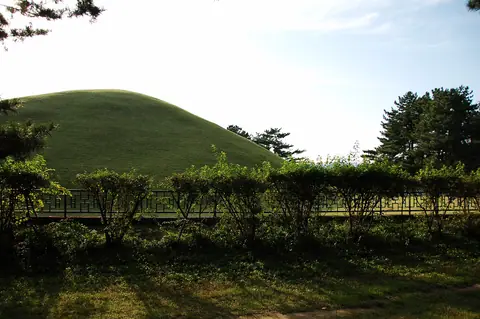
Daereungwon Royal Tombs, Cheomseongdae and Hwangnidan-gil Walking Guide
Gyeongju, South Korea
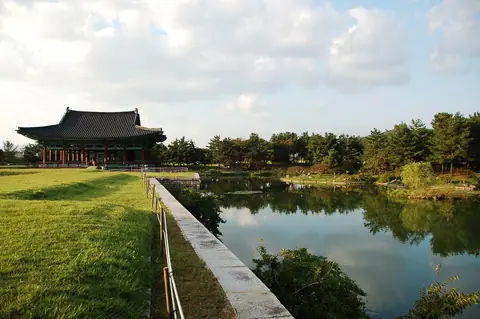
Donggung Palace, Wolji Pond and Woljeonggyo Bridge Night Walking Route
Gyeongju, South Korea
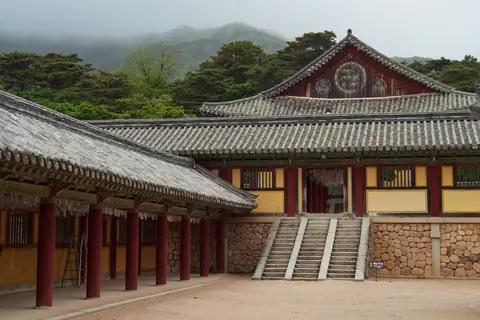
Visiting Bulguksa Temple and Seokguram Grotto in Gyeongju
Gyeongju, South Korea
