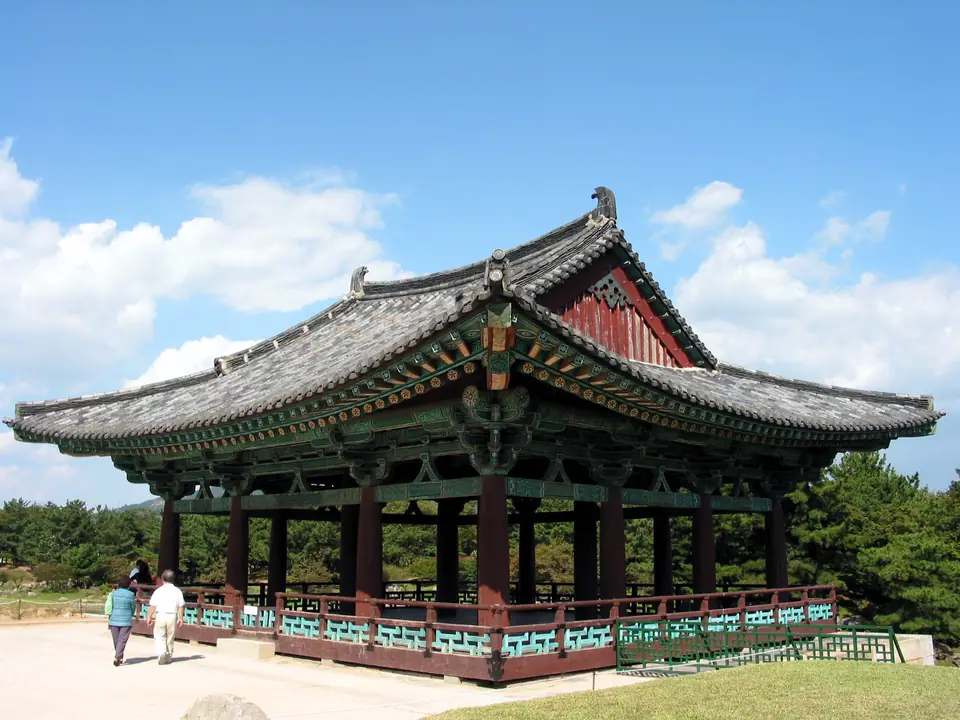
Photo: bifyu (a flickr user) · CC BY-SA 2.0
Gyeongju Seasonal Guide: Cherry Blossoms, Autumn Foliage and Weather
Choosing when to explore ancient Silla royal tombs and mountain temples depends entirely on your seasonal preferences.
Gyeongju transforms dramatically across four distinct seasons, each offering a contrasting perspective on the ancient capital of Silla. The city functions as an open-air museum where ancient royal burial mounds, forested hillside temples, and stone pagodas blend into the changing natural landscape. Deciding on the timing of your visit shapes everything from outdoor walking comfort to crowd levels around major archaeological sites.
Spring Cherry Blossoms Across Historic Tombs
Spring brings a celebrated surge of pale pink petals that frame the grass-covered earthen mounds of Daereungwon and the surrounding central parkland. Walking along the stone walls and winding footpaths gives peaceful views as soft petals drift across grassy burial complexes. Many visitors find early spring ideal for exploring the historic centre on foot before warmer weather arrives.
Blossom canopies line roads leading towards forested hillsides, framing timber temple pavilions and classical gates with delicate colour. Timing varies depending on regional temperature patterns, but early spring remains one of the most popular periods to visit the city. Before setting off into the chilly morning breeze, review what to wear to layer comfortably for crisp dawn walks.
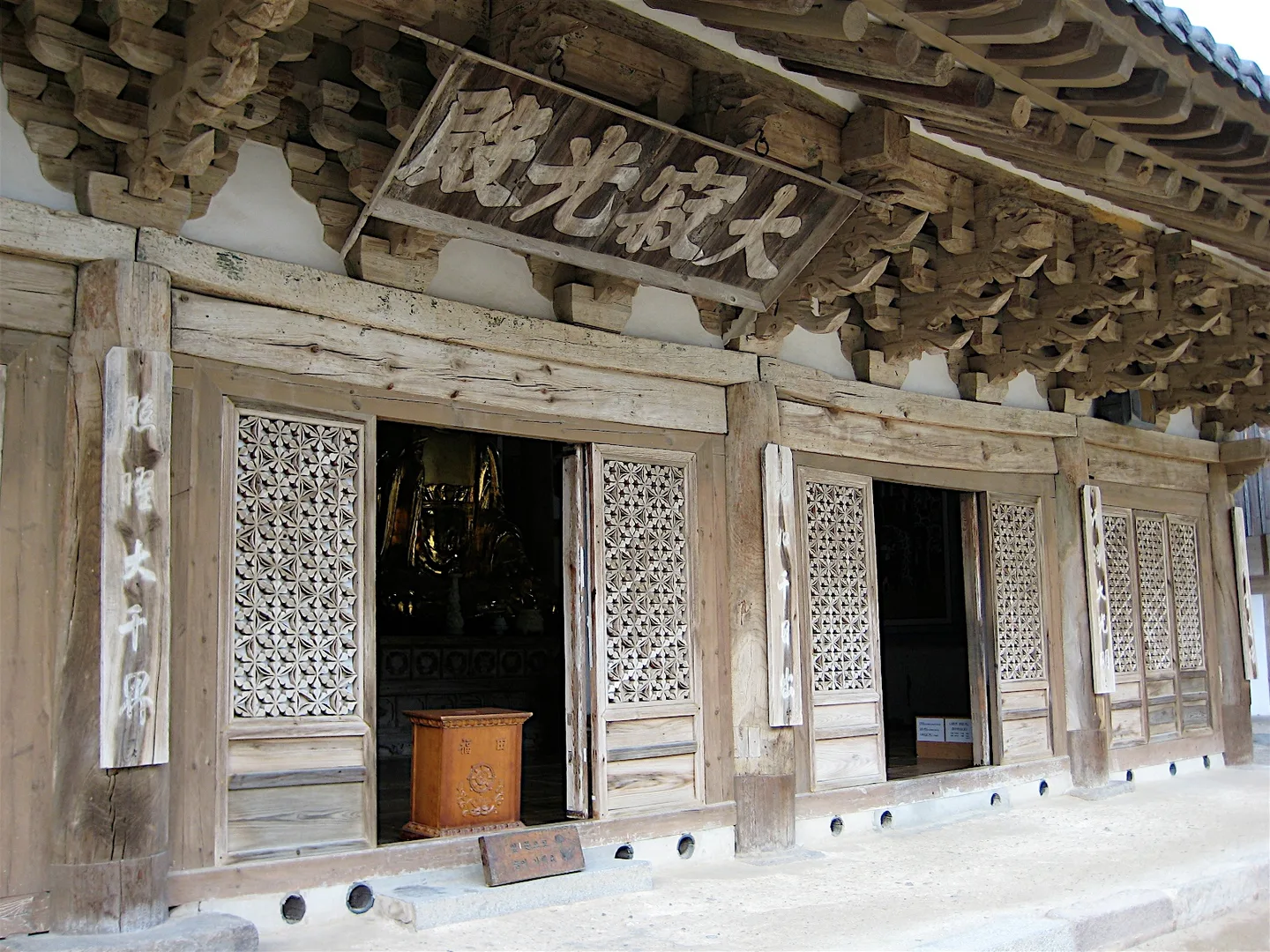
Popular walking corridors become busy during peak bloom periods, so starting your explorations early in the morning offers the most tranquil experience. The soft morning light illuminates the sweeping curves of the tumuli while footpaths remain calm and uncrowded. Gentle breezes make lingering outside by historical waterways and pavilions exceptionally pleasant during these early spring weeks.
As April transitions into May, fresh green leaves replace the delicate petals across the valleys and mountain trails. Temperatures warm up steadily, creating comfortable conditions for hiking paths between hillside hermitages. This shoulder period offers pleasant walking weather before the high heat and humidity of midsummer set in across the lowlands.
Summer Lotus Ponds and Woodland Retreats
Summer in the valley brings lush green hillsides and rich flower displays across ancient parklands and archaeological reserves. Large ponds near historical palace foundations fill with blooming lotus flowers, creating striking contrast against ancient brickwork and forested ridges. Warm summer days highlight the deep emerald turf covering the monumental tumuli mounds across the city centre.
Rising heat encourages travellers to seek shade beneath dense woodland canopies around remote foothill sanctuaries. Visiting mountain temple courtyards during midsummer offers a cooler microclimate, with murmuring mountain streams adding pleasant natural background sounds. Taking peaceful breaks in shaded timber corridors allows you to enjoy centuries-old stone craftsmanship away from intense midday sunlight.
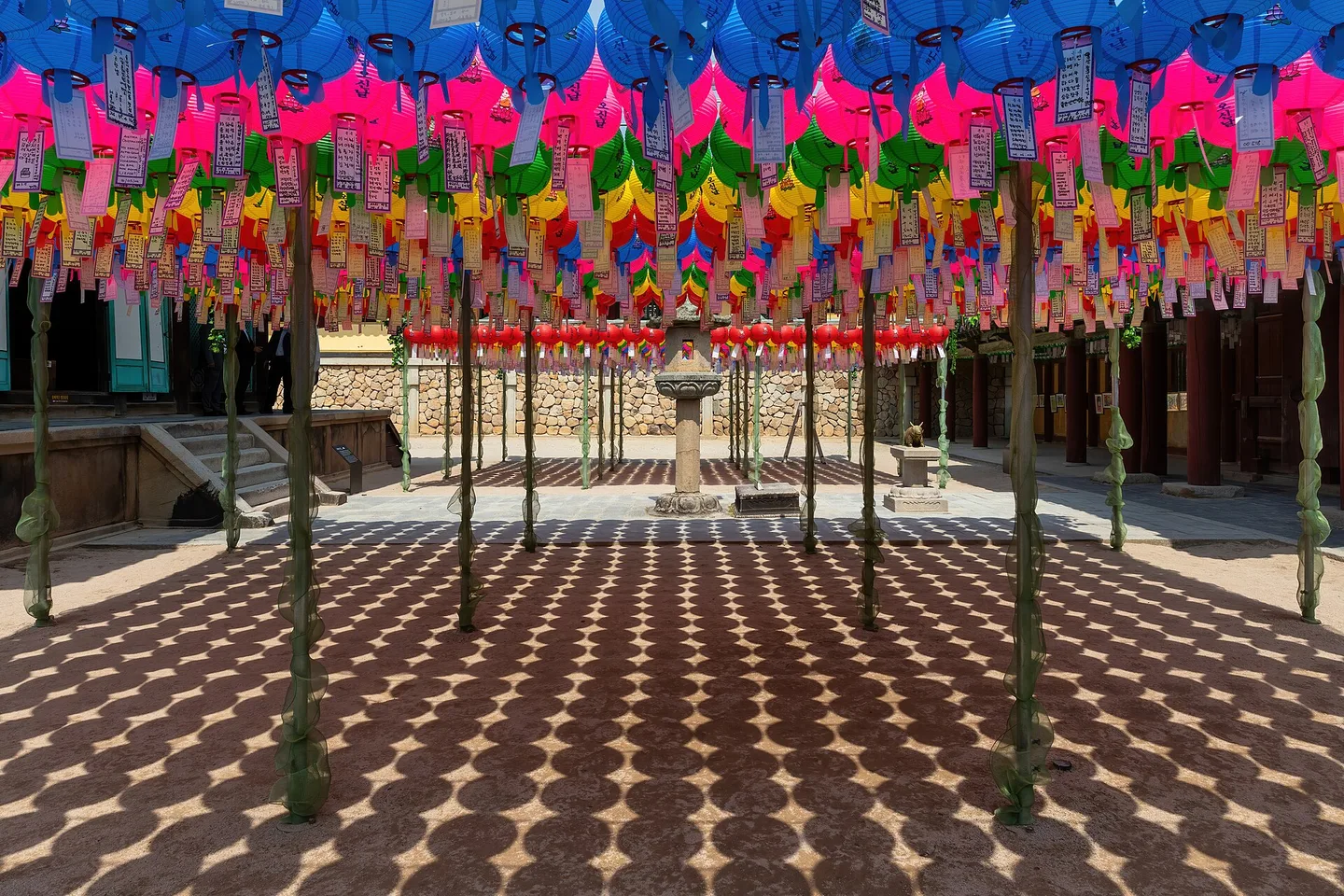
Summer travel requires pacing your day around the warmest midday hours to maintain comfort during extensive outdoor site visits. Exploring open grassy complexes early or later in the afternoon helps you avoid prolonged direct sun exposure. Extended daylight allows relaxed walks between historical sites well into the balmy evening air.
Monsoon downpours occasionally sweep across the Korean peninsula during midsummer, bringing heavy showers that clear the valley air. Misty clouds cling to pine-clad peaks surrounding the ancient capital, adding dramatic depth to historical ruins and temple complexes. Carrying an umbrella and planning flexible days with sheltered sites makes summer touring manageable.
Autumn Foliage and Pink Feather Grass
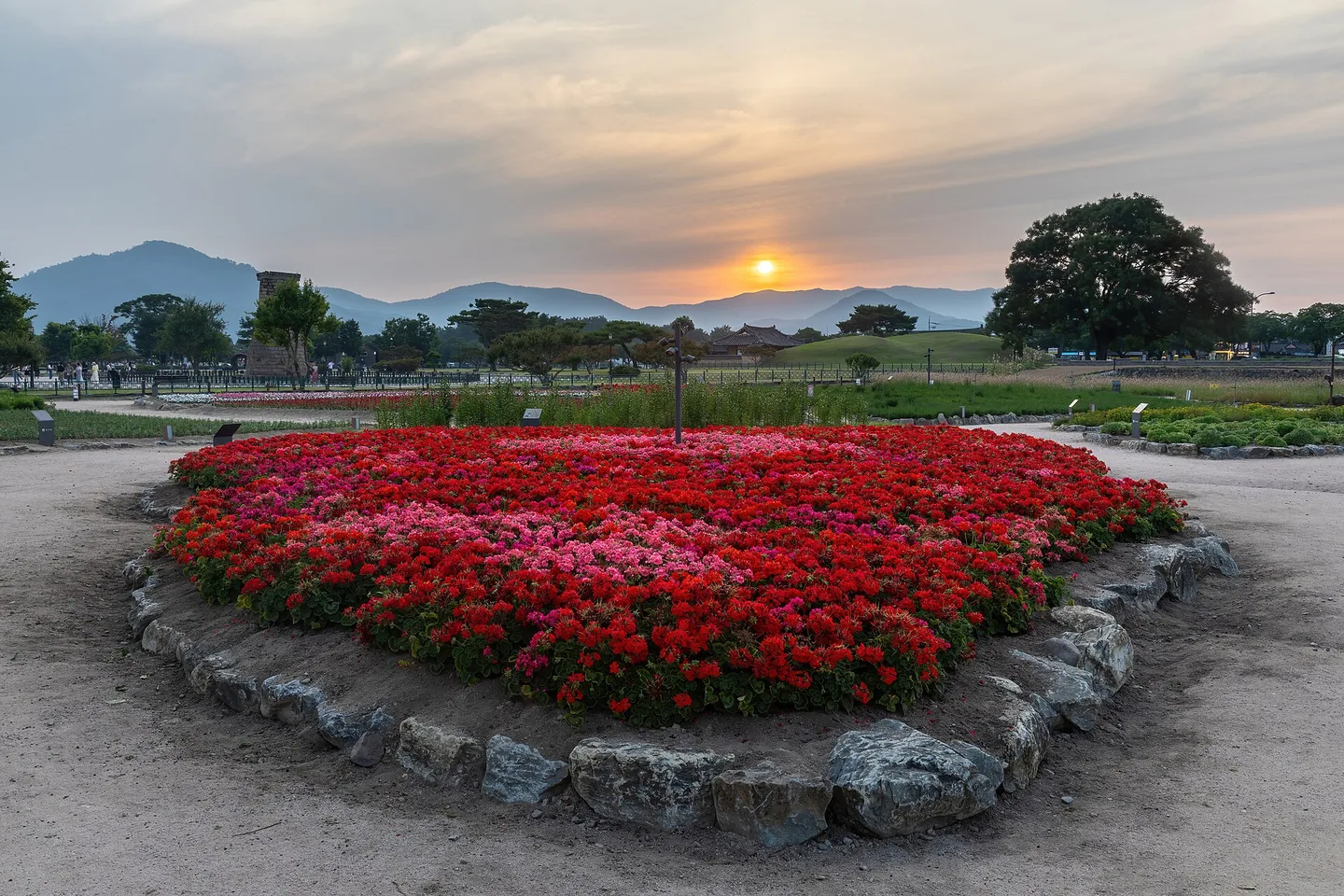
Autumn brings crisp, dry air and striking natural colour, making it a favoured period for extended outdoor exploration. Golden ginkgo trees and crimson maples frame ancient stone pagodas and timber halls across the valley floor and mountain slopes. Feathery pink muhly grass blooms in dedicated patches near ancient observatory structures, drawing photographers and walkers alike.
Comfortable daytime temperatures make long walks between archaeological sites particularly rewarding without the intense heat of high summer. The open landscape surrounding royal burial mounds looks striking bathed in the warm amber light of late afternoon. Reviewing royal tomb paths and mountain temple circuits helps you combine scenic outdoor parklands with sheltered museum galleries during your stay.
Clear autumn skies offer excellent conditions for admiring intricate stonework, ancient masonry, and classical architecture without rain interruptions. Cool evening air invites quiet strolls around illuminated historical grounds, where timber pavilions reflect across tranquil water surfaces. The dry climate makes autumn a reliable choice for cycling along flat valley lanes between major heritage landmarks.
November brings cooler winds and the final wave of deep red leaves cascading across the stone steps of mountain sanctuaries. The harvest season gives the surrounding agricultural fields a warm golden glow against the backdrop of rounded royal tumuli. Travellers who appreciate brisk walks and rich autumn foliage consider October and early November among the finest months to visit.
| Season | Key Landscape Highlights | Outdoor Comfort Focus |
|---|---|---|
| Spring | Cherry blossoms framing ancient royal burial mounds | Layered knitwear for cool morning air |
| Summer | Blooming lotus ponds and lush green temple hills | Sun protection and early morning walks |
| Autumn | Golden ginkgo leaves and pink feather grass | Crisp, dry conditions for cycling |
| Winter | Quiet frosted mounds and peaceful stone pagodas | Heavy warm coats for brisk valley breezes |
Winter Serenity Across Ancient Silla Valleys
Winter reveals a stripped-back, contemplative aspect of the ancient kingdom as deciduous foliage falls away from mountain ridges. Frost often dusts the expansive royal mounds, giving the open parklands a quiet, monumental gravity under bright winter skies. Crowd numbers drop noticeably, allowing you to contemplate millennia of history in quiet solitude.
Brisk winter winds across the flat central plains can feel sharp, making warm outer layers essential for lingering outside. Balancing brisk walks between ancient stone pagodas with visits to heated indoor museum halls creates an enjoyable and manageable rhythm. Planning indoor gallery visits during the coldest hours keeps your daily itinerary pleasant throughout your winter stay.
- Spring brings delicate blossoms and cool morning walks across royal tomb grounds.
- Summer offers lush green landscapes and blooming lotus ponds beside historical waterways.
- Autumn brings rich red maples and dry weather ideal for outdoor cycling.
- Winter presents tranquil open-air heritage grounds without standard travel crowds.
Winter afternoons often reward persistent walkers with crisp visibility across distant mountain ranges surrounding the ancient capital. The stark profile of lone pine trees against frozen ridges highlights the timeless character of the landscape. With thorough preparation for cool temperatures, visiting during the quietest season brings deep peace across this historic valley.
Even on the coldest winter days, bright sunshine frequently warms the sheltered courtyards of south-facing hillside shrines. Exploring these ancient sites without summer crowds gives an intimate connection to the historical heartland of the Silla kingdom. You can easily link your outdoor temple walks with stops at warm teahouses tucked into quiet neighbourhood lanes.
Weather by month
Gyeongju is warmest in August, with average highs around 31°C, and coldest in January, when nights drop to about -3°C. September is the wettest month by rainfall (241 mm), with rain on about 13 days. For mild weather with fewer rainy days, aim for May and October.
| Month | Low | Range | High | Rain | Rainy days |
|---|---|---|---|---|---|
| Jan | -3°C | 6°C | 33 mm | 4 d | |
| Feb | -1°C | 8°C | 34 mm | 5 d | |
| Mar | 3°C | 14°C | 70 mm | 7 d | |
| Apr | 8°C | 19°C | 86 mm | 8 d | |
| May | 13°C | 25°C | 81 mm | 7 d | |
| Jun | 18°C | 28°C | 126 mm | 11 d | |
| Jul | 22°C | 30°C | 226 mm | 17 d | |
| Aug | 23°C | 31°C | 202 mm | 14 d | |
| Sep | 19°C | 25°C | 241 mm | 13 d | |
| Oct | 12°C | 20°C | 99 mm | 7 d | |
| Nov | 5°C | 15°C | 44 mm | 5 d | |
| Dec | -2°C | 7°C | 32 mm | 4 d |
Averages of daily values from 2015 to 2024. Rainy days are days with at least 1 mm of rain. Source: Open-Meteo · Compare destinations by month.
Official prices and opening hours
- Gyeongju National MuseumOfficial site ↗
- Donggung Palace & Wolji Pond / Daereungwon TombsOfficial site ↗
Where it is
- 1Gyeongju
- Daegu International Airport (TAE) · about 50 km from Gyeongju in a straight line
- Directions in Google Maps
Stations and taxi ranks: OpenStreetMap. Airports: OurAirports. Distances are in a straight line.
Traveller tips
Real advice from people who have been to Gyeongju. Every tip is read by our team before it goes live.
No tips yet. Been here? Yours could be the first.
Thank you! Your tip will appear here after a quick review.
More in Gyeongju
Continue exploring Gyeongju with related neighbourhood, food, and planning guides
Where to Stay in Gyeongju: Hwangnidan-gil Hanoks vs Bomun Lake Resorts
Gyeongju, South Korea
Gyeongju in Three Days: Ancient Tombs, Forest Shrines, and Coastal Valleys
Gyeongju, South Korea
Daereungwon Royal Tombs, Cheomseongdae and Hwangnidan-gil Walking Guide
Gyeongju, South Korea
Donggung Palace, Wolji Pond and Woljeonggyo Bridge Night Walking Route
Gyeongju, South Korea
